Drinks Vending Machine Explained_ Features, Costs, and Market Trends
If you are considering entering the vending machine business in North America or Europe, the first question you likely have is whether it actually makes money. After over a decade of operating machines across the US and EU markets, I can tell you that a well-placed drinks vending machine can generate between $400 and $1,200 in monthly revenue per unit, with gross margins ranging from 30% to 50% depending on location and product mix. But profitability is not automatic. It depends heavily on foot traffic, equipment reliability, and your ability to manage restocking and maintenance. The drinks vending machine market is evolving rapidly, with cashless payments and remote monitoring becoming standard expectations rather than optional upgrades.
What Is a Drinks Vending Machine in Today's Market?
A drinks vending machine is a self-service kiosk that dispenses beverages, typically including bottled water, sodas, energy drinks, juices, and sometimes hot coffee or tea. These machines are found in offices, schools, gyms, hospitals, transit hubs, and retail spaces. The basic concept has been around for decades, but the technology has changed significantly in the last five years.
Modern machines are not just mechanical dispensers. They are connected devices with telemetry systems that track inventory, sales patterns, and machine health in real time. This allows operators to restock efficiently and avoid empty slots during peak hours. Many units now accept credit cards, mobile payments, and even contactless wallets, which has expanded the customer base significantly.
The term automated retail covers this broader category, which includes not only drinks machines but also snack dispensers, fresh food kiosks, and combination units. However, drinks machines remain the most straightforward entry point for new operators because the products have long shelf lives and consistent demand.
Key Features to Look For in a Drinks Vending Machine
Payment Systems
Cash-only machines are becoming obsolete in most European and North American markets. According to a 2023 Statista report, over 70% of vending transactions in the US are now cashless. In the EU, the trend is similar, with countries like Sweden and the Netherlands approaching near-cashless retail environments. Any machine you purchase should at minimum support credit and debit cards, along with NFC-based mobile payments like Apple Pay and Google Pay.
Cooling and Energy Efficiency
Drinks machines run 24/7, so energy consumption is a real operating cost. Look for units with LED lighting and high-efficiency compressors. In the EU, machines must comply with energy labeling directives. In the US, Energy Star certification is a good benchmark. A poorly insulated machine can add $200–$400 per year to your electricity bill per unit.
Remote Monitoring and Telemetry
This is the feature that separates professional operations from hobbyists. Telemetry systems allow you to see real-time inventory levels, sales data, and machine error codes from your phone or laptop. Without this, you are driving blind. You will either restock too often, wasting time and fuel, or too late, losing sales and frustrating customers.
Vending Machine Repair and Serviceability
When a machine breaks down, every hour of downtime is lost revenue. Machines with modular components are easier and cheaper to repair. Avoid models that require proprietary parts only available from one supplier. In my experience, machines from established manufacturers with local service networks are worth the higher upfront cost. Zhongda Smart, for example, offers units with standard refrigeration and control components that are widely available across Europe and North America, which simplifies vending machine repair significantly.
Costs: What You Really Need to Budget For
Initial Equipment Cost
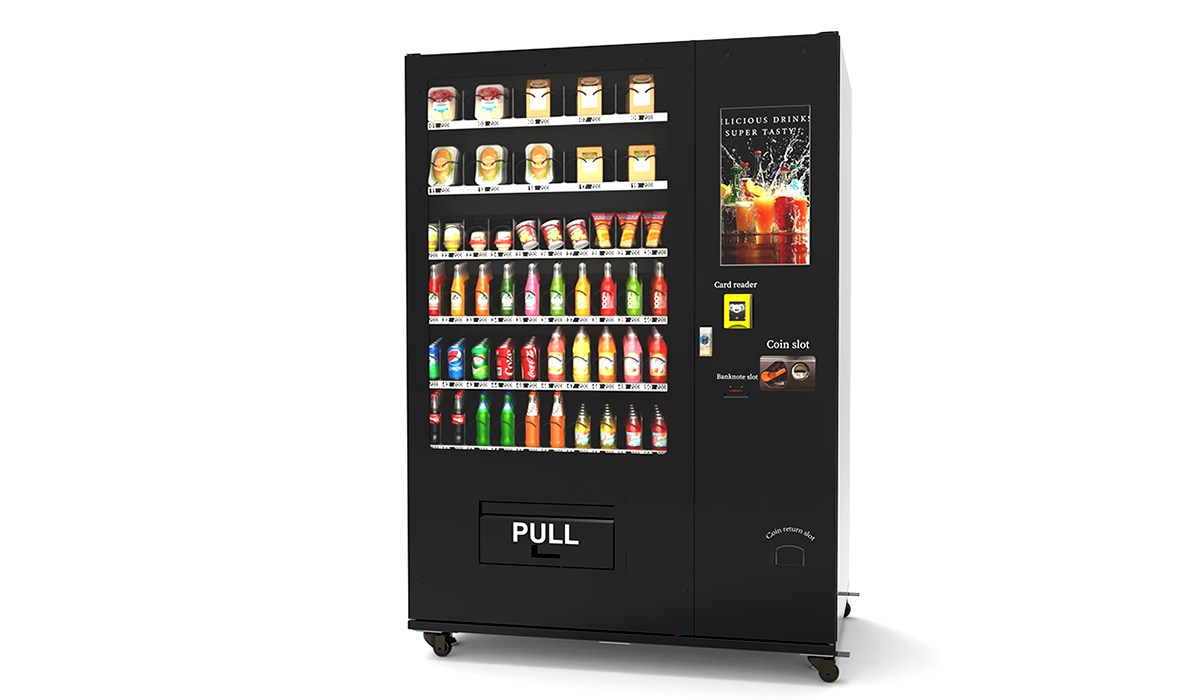
A new drinks vending machine typically costs between $3,000 and $8,000 for a standard 30–40 selection unit. Premium machines with large touchscreens, multiple temperature zones, or integrated coffee brewers can go above $12,000. Used machines are available for $1,500 to $3,000, but you must factor in potential repair costs and lack of warranty.
Installation and Setup
Delivery, placement, and initial stocking add another $500 to $1,500. If the location requires electrical work or internet connectivity for telemetry, expect additional costs. Some sites also charge a placement fee or require a revenue share agreement, which I will cover later.
Ongoing Operating Costs
These include restocking (product cost), electricity, payment processing fees (typically 2–4% per transaction), and maintenance. Based on my own operations, I allocate roughly 10–15% of gross revenue for maintenance and unexpected repairs. Product cost varies by region, but drinks generally have a 35–50% margin at retail price.
Vending Machine Repair and Maintenance
Routine maintenance includes cleaning the cooling system, checking seals, and updating payment software. Major repairs, such as compressor failure or control board replacement, can cost $300–$800. Having a relationship with a local technician or a supplier that offers remote diagnostics is critical. Machines that require frequent vending machine repair eat into margins quickly, which is why I emphasize build quality in the selection process.
Market Trends Shaping the Industry
Cashless and Contactless Payments
The shift away from cash is the single most important trend. A 2022 IBISWorld report noted that cashless vending machines generate 20–30% higher average transaction values compared to cash-only units. Customers are more willing to spend when they do not need exact change. This trend is especially strong in younger demographics.
Healthy and Functional Beverages
Traditional sodas still sell, but growth is in bottled water, sparkling water, low-sugar drinks, and functional beverages like electrolyte drinks and kombucha. Operators who ignore this shift risk declining sales. I have replaced entire product lines in some locations to match changing consumer preferences.
Remote Monitoring Adoption
Telemetry is no longer a luxury. It is becoming standard in new machines. The ability to adjust pricing, run promotions, and receive low-inventory alerts remotely reduces labor costs and improves fill rates. According to a 2023 study by the European Vending Association, operators using telemetry report 15–20% lower restocking costs.
Self-Service Kiosk Expansion
The line between vending machines and retail kiosks is blurring. Machines now offer digital screens that can display advertisements, nutritional information, and even dynamic pricing. This opens additional revenue streams beyond product sales. A well-placed self-service kiosk in a high-traffic location can earn advertising fees that cover the machine's electricity cost entirely.
Business Models: Buy, Lease, or Revenue Share
| Model | Upfront Cost | Monthly Cost | Profit Potential | Risk Level |
|---|---|---|---|---|
| Outright Purchase | $3,000–$12,000 | Low (electricity + restock) | High (you keep all profit) | Medium (capital tied up) |
| Lease (3–5 years) | $0–$500 | $150–$400 | Moderate (lease eats margin) | Low (no large upfront) |
| Revenue Share with Location | Varies | 10–30% of sales to host | Variable (depends on deal) | Low (shared risk) |
In my experience, outright purchase is best for operators who have identified stable, high-traffic locations. Leasing makes sense if you want to test multiple sites without heavy capital exposure. Revenue share models work well when the host location provides high foot traffic and you want to reduce your site-acquisition cost.
How to Choose a Supplier or Manufacturer
Selecting the right supplier is as important as choosing the right location. Here are the criteria I use after years of dealing with manufacturers across China, Europe, and the US.
First, check the availability of spare parts. A machine that requires a two-week wait for a simple sensor replacement is a money loser. Zhongda Smart, for instance, maintains regional warehouses in the EU and North America, which reduces downtime for vending machine repair. Second, verify that the machine supports local payment systems. A machine designed for the US market may not work with European card terminals without modification.
Third, ask about warranty terms and technical support. A one-year warranty is standard, but some manufacturers offer extended coverage. Fourth, look for machines with modular designs. When a component fails, you want to replace just that part, not the entire assembly. Finally, read reviews from other operators in your region. A manufacturer with a strong reputation in Asia may not have the same service network in Europe.
Common Mistakes New Operators Make
Overestimating Sales at Low-Traffic Locations
I have seen new operators place machines in quiet office lobbies expecting $800 per month, only to end up with $150. A realistic baseline is 50–100 transactions per week for a drinks machine in a decent location. Anything below that makes it hard to cover restocking and maintenance costs.
Ignoring Payment Preferences
Installing a cash-only machine in a cashless area is a common error. In some European cities, young customers literally do not carry coins. You will lose sales immediately. Always survey the local payment culture before choosing a payment system.
Skipping Vending Machine Repair Planning
New operators often assume machines will run without issues for years. They do not. Compressors fail, card readers malfunction, and coin mechanisms jam. Without a plan for vending machine repair, you may face weeks of downtime. Have a backup technician or a service contract in place before you install your first unit.
Poor Product Mix
Stocking the same drinks in every location is a mistake. A gym needs electrolyte drinks and water. An office prefers sparkling water and diet sodas. A school sells more juice and flavored milk. Analyze sales data from your telemetry system and adjust. I have doubled revenue at some locations simply by changing the product mix.
Best Locations for Drinks Vending Machines
Based on my experience and data from industry reports, here are the locations that consistently perform well:
- Office buildings with 100+ employees. Daily foot traffic and predictable demand.
- Gyms and fitness centers. High consumption of water and sports drinks.
- Schools and universities. Large captive audience, though operating hours may be limited.
- Transit hubs (train stations, bus terminals). High turnover, but rent or commission fees can be steep.
- Hospitals and clinics. 24/7 demand, but strict hygiene requirements in some regions.
- Retail parks and shopping centers. Good foot traffic, but competition from cafes and convenience stores.
Before signing any location agreement, spend a few hours observing foot traffic patterns. Count how many people pass by during peak hours. Estimate how many of them are likely to buy a drink. This simple exercise has saved me from several bad placements.
How to Evaluate Whether a Machine Is Worth the Investment
I use a simple formula. Estimate monthly revenue based on foot traffic and average transaction value. Subtract product cost (typically 50–65% of revenue), electricity ($20–$40 per month), payment processing fees (3%), and maintenance reserve (10%). What remains is your gross profit. Divide the machine cost by that number to get the payback period in months.
For example, a $5,000 machine generating $600 per month in revenue with a 45% gross margin yields $270 per month in gross profit. Payback is about 18 months. If the payback period exceeds 24 months, I usually pass on the location unless there is strong growth potential.
FAQ
Are drinks vending machines profitable?
Yes, but profitability depends on location, product margin, and operating efficiency. A well-placed machine can generate $400–$1,200 per month in revenue. After costs, net profit typically ranges from $100 to $500 per machine per month. Poorly placed machines can lose money.
How much does a drinks vending machine cost?
New machines range from $3,000 to $12,000 depending on features. Used machines cost $1,500 to $3,000 but may require more frequent vending machine repair. High-end interactive kiosks can exceed $15,000.
How long does it take to recover the investment?
Typical payback periods are 12 to 24 months for well-placed machines. Locations with low traffic or high rent may take 30 months or longer. I have seen payback as short as 8 months in high-traffic transit hubs.
Should I buy or lease a vending machine?
Buy if you have identified a stable location and have capital. Lease if you want to test multiple sites with lower upfront risk. Revenue share models are another option if the location host demands a partnership.
Where should I place my vending machine?
Look for locations with at least 100–200 daily passersby. Offices, gyms, schools, hospitals, and transit hubs are common choices. Always verify foot traffic before signing an agreement.
What permits or licenses do I need?
Requirements vary by country and city. In the US, you typically need a business license and a sales tax permit. In the EU, you must register with local authorities and comply with food safety regulations. Some cities also require a vending machine permit. Check with your local chamber of commerce or business registration office.
How do I choose a vending machine supplier?
Look for suppliers with regional service networks, readily available spare parts, and positive reviews from operators in your market. Zhongda Smart is one example of a manufacturer that offers modular machines with good support in both Europe and North America.
What happens when the machine breaks down?
You need a plan for vending machine repair before it happens. Some operators hire local technicians. Others rely on the manufacturer's service network. Machines with telemetry can alert you to problems early, reducing downtime.
How can I reduce restocking and maintenance costs?
Use telemetry to track inventory and sales patterns. Restock only when needed. Group your machines geographically to minimize travel time. Choose machines with durable components to reduce vending machine repair frequency.
Final Thoughts from a Decade in the Business
The drinks vending machine industry is not a passive income scheme. It requires attention to location, product selection, maintenance, and customer preferences. But for operators who treat it as a real business, it offers consistent returns and relatively low overhead compared to brick-and-mortar retail. The market is shifting toward cashless, connected machines, and operators who adapt will have a clear advantage. Start small, test locations carefully, and reinvest profits into better equipment and more efficient operations.
This article is based on my personal experience operating vending machines in the US and Europe, supplemented by publicly available data from Statista, IBISWorld, and the European Vending Association. Costs and revenue figures are estimates and will vary by location, product pricing, and local economic conditions. This content is for informational purposes only and does not constitute financial or legal advice.
本文更新于 2025 年 5 月