The Complete Guide to Vending Machines Touch Screen Opportunities and Risks
If you are considering entering the vending machine business in Europe or North America, the first question you probably have is whether the investment is worth the headache. After over a decade of operating, buying, and sometimes fighting with these machines across multiple markets, I can tell you this: the opportunity is real, but the risks are just as real. The key to success lies in understanding how the vending machines touch screen revolution is changing consumer behavior, while also recognizing that hardware costs, location rent, and maintenance schedules can make or break your operation. I have seen too many newcomers buy cheap units only to lose money on repairs and lost sales. This guide walks you through what I have learned the hard way, so you can skip the expensive lessons.
What Has Changed with Touch Screen Vending Machines
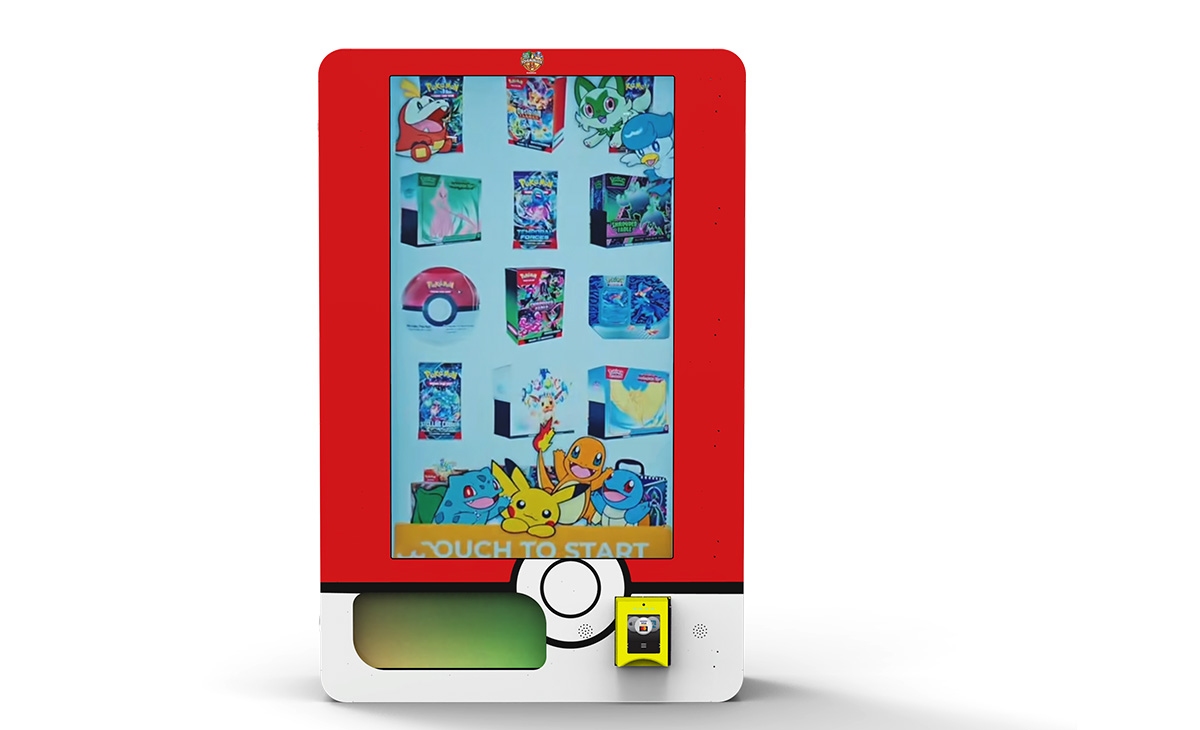
The old spiral vending machine is not dead, but it is losing ground fast. Touch screen interfaces have transformed how customers interact with automated retail. Instead of pressing a button and hoping the snack drops, users now browse product images, read nutritional info, and pay with their phone. This shift is not just cosmetic. It directly impacts sales volume and operational efficiency.
In my experience, a well-placed vending machines touch screen unit can increase average transaction value by 15 to 25 percent compared to a traditional keypad model. Customers buy more when they can see high-resolution images of the product. They also trust the machine more when the interface feels modern and responsive. This is especially true in office buildings and gyms, where users expect a seamless digital experience.
Why the Interface Matters More Than You Think
I have operated machines in both the US and several EU countries. In France, for example, the distributeur automatique market has been slow to adopt touch screens, but early adopters are already seeing better margins. The reason is simple: a touch screen allows you to offer dynamic pricing, loyalty programs, and even age verification for restricted products. These features are nearly impossible to implement on a mechanical keypad system without expensive retrofits.
One operator I know in Berlin replaced his entire fleet of old machines with touch screen models. His monthly revenue per machine jumped from around €1,200 to over €1,800 within three months. The initial investment was higher, but the payback period was shorter because the machines required fewer service calls and less frequent restocking of slow-moving items.
Assessing the Real Costs: What You Need to Budget For
Let me be blunt: the upfront cost of a vending machine is only the beginning. Many beginners focus on the purchase price and forget about installation, payment processing fees, restocking labor, and the inevitable vending machine repair bills. Here is a realistic breakdown based on my own operations and data from industry sources.
| Cost Category | Traditional Spiral Machine | Touch Screen Smart Machine |
|---|---|---|
| Initial purchase (new) | $3,000 – $5,000 | $6,000 – $12,000 |
| Installation & setup | $300 – $600 | $500 – $1,000 |
| Payment system integration | $200 – $400 | $500 – $800 |
| Monthly location rent | $100 – $400 | $150 – $600 |
| Monthly restocking labor | $200 – $500 | $150 – $400 |
| Annual maintenance & repairs | $500 – $1,200 | $300 – $800 |
These numbers are based on my experience operating in mid-sized US cities and suburban areas in France. Your actual costs will vary depending on location, product mix, and how often the machine is used. The key takeaway is that touch screen machines have a higher upfront cost but lower long-term maintenance expenses because they have fewer mechanical moving parts.
Hidden Costs That Catch New Operators Off Guard
I have seen operators lose thousands of dollars because they did not account for credit card processing fees. Most modern machines accept cards and mobile payments, and the processor typically charges 2.5 to 3.5 percent per transaction. That does not sound like much, but on a machine doing $3,000 in monthly sales, you are losing $75 to $105 every month just in fees. Over a year, that is over $1,000 gone.
Another hidden cost is insurance. If your machine is in a public space, you need liability coverage in case someone gets injured or the machine malfunctions. In some EU countries, you also need to register the machine with local health authorities if you sell perishable items. I have had to pay fines in the past because I overlooked this step.
Where to Place a Vending Machine for Maximum Return
Location is everything. I cannot stress this enough. You can have the best self-service kiosk with a beautiful touch screen and the most popular products, but if it is placed in a low-traffic area, you will lose money. Over the years, I have tested dozens of locations. Here is what works and what does not.
High-Performing Locations
- Office buildings with 100+ employees – These are gold mines if the building does not have a cafeteria. Average monthly revenue can range from $1,500 to $4,000 depending on the workforce size.
- Gyms and fitness centers – Protein bars, drinks, and healthy snacks sell well. Touch screen machines allow you to display nutritional information, which gym-goers appreciate.
- Hospital waiting rooms – Visitors and staff need quick access to drinks and snacks. Machines here often see consistent, steady traffic.
- College campuses – Students are comfortable with touch screens and mobile payments. Machines near dormitories or libraries perform especially well.
- Transit hubs – Train stations and bus terminals can generate high volume, but you need to be prepared for higher vandalism risk and more frequent restocking.
Locations to Avoid
- Small retail stores – If the store already sells snacks and drinks, your machine will cannibalize their sales, and the owner will likely ask you to remove it.
- Low-traffic lobbies – A machine in a building with only 30 employees will rarely generate enough revenue to cover rent and restocking.
- Outdoor unsupervised areas – Vandalism, weather damage, and theft are much higher. I lost two machines to vandalism in my first year because I placed them in poorly lit parking lots.
How to Evaluate a Location Before Signing a Contract
I never place a machine without first counting foot traffic. I stand at the proposed location for at least two hours during peak times and count how many people pass by. Then I estimate a conservative conversion rate. If 100 people pass by per hour, and I expect 5 percent to make a purchase, that is 5 transactions per hour. If the average sale is $3, that is $15 per hour. Over a 10-hour day, that is $150. Over 30 days, that is $4,500 in gross revenue. Then I subtract cost of goods, rent, fees, and maintenance. If the net profit is less than $500 per month, I walk away.
This method is not perfect, but it has saved me from making bad decisions many times. According to a report from IBISWorld, the vending machine industry in the US alone generates over $7 billion annually, but profitability is highly concentrated in top-performing locations. The average machine earns between $200 and $400 per month in net profit, but the best machines can earn over $1,000.
Choosing the Right Machine and Supplier
When I started, I bought the cheapest machines I could find. That was a mistake. The low-cost units broke down constantly, and replacement parts were hard to source. Over time, I learned to prioritize reliability over price. When evaluating a supplier, I look for three things: build quality, after-sales support, and compatibility with local payment systems.
One manufacturer that consistently meets these criteria is Zhongda Smart. Their touch screen models are built with commercial-grade components, and they offer remote monitoring software that lets you track inventory and sales in real time. I have used their machines in several locations, and the repair frequency is significantly lower than with cheaper alternatives. If you are sourcing machines for the European market, make sure the supplier offers CE certification and supports local payment processors like Bancontact in Belgium or iDEAL in the Netherlands.
What to Look for in a Supplier
- Warranty terms – At least one year on parts and labor. Some suppliers offer two years on the touch screen itself.
- Remote management capability – This is non-negotiable for a modern automated retail operation. You need to see sales data and error alerts from your phone.
- Local service network – If the machine breaks down, you cannot wait weeks for a technician. Make sure the supplier has partners in your region.
- Payment system flexibility – The machine should support cash, credit cards, and mobile wallets like Apple Pay and Google Pay.
Operating and Restocking: The Daily Reality
Many people think running vending machines is passive income. It is not. You still need to restock, clean, and monitor each machine regularly. I restock my high-traffic machines twice a week. Low-traffic machines get restocked once a week. If you let a machine run out of popular items, customers will stop using it, and you will lose trust.
Touch screen machines make restocking easier because the software tells you exactly which slots are empty. With older machines, I had to open every door and check manually. That saved me about 30 minutes per machine per week. Over a fleet of 20 machines, that is 10 hours saved every week.
Using Sales Data to Improve Performance
One advantage of modern borne en libre-service systems is the data they generate. I review sales reports every two weeks. If a product has not sold in a month, I replace it with something else. I also track which payment methods customers use. If 80 percent of my sales are via card, I know I can reduce cash collection frequency.
Data also helps me decide whether to move a machine. If a location consistently underperforms for three months, I relocate it. I have moved machines from a failing location to a nearby gym and seen revenue triple within the first month. Do not be afraid to pull the plug on a bad location.
Common Mistakes I See New Operators Make
I have been in this business long enough to recognize patterns. Here are the most common mistakes, and how to avoid them.
Buying Used Machines Without Inspection
Used machines can be a good deal, but only if you inspect them thoroughly. I once bought a used machine that looked fine on the outside, but the refrigeration unit was failing. It cost me $800 to repair within the first month. Always test the cooling system, payment reader, and touch screen before handing over money.
Ignoring Local Regulations
In France, for example, any machine en libre-service that sells food must comply with hygiene regulations. You need to register with the Direction Départementale de la Protection des Populations. In Germany, you may need a Gewerbeanmeldung and a specific permit for vending machines in public spaces. I have seen operators fined thousands of euros for skipping these steps.
Overstocking Expensive Items
New operators often fill their machines with high-margin items like energy drinks and protein bars. But if the location is a budget-conscious office, those items will sit on the shelf. Start with a balanced mix of low-cost snacks and drinks, then adjust based on sales data.
Understanding the Return on Investment Timeline
Based on my experience and data from the National Automatic Merchandising Association (NAMA), a typical touch screen vending machine in a good location can pay for itself in 12 to 18 months. That assumes a monthly net profit of $400 to $600. In a premium location, such as a busy hospital or a large office, the payback period can be as short as 8 months.
However, if you place a machine in a mediocre location, the payback period can stretch to 24 months or longer. That is why I always recommend starting with one or two machines in proven locations before scaling up. Do not buy 10 machines at once unless you have already validated the model.
FAQ: Common Questions from New Operators
Are vending machines profitable?
Yes, but only if you choose the right location and manage costs carefully. A well-placed machine can generate $300 to $800 in net profit per month. A poorly placed machine will lose money.
How much does a touch screen vending machine cost?
A new touch screen machine typically costs between $6,000 and $12,000. Used models can be found for $3,000 to $5,000, but you risk higher repair costs.
How long does it take to break even?
In a good location, expect 12 to 18 months. In an excellent location, 8 to 12 months. In a bad location, you may never break even.
Should I buy or lease a vending machine?
Buying is better if you have capital and want full control. Leasing can be useful for testing the market, but the monthly payments will eat into your profit margin.
Where should I place my first machine?
Start with a medium-sized office building or a gym. Avoid outdoor locations and small retail stores for your first machine.
What permits do I need?
Requirements vary by country and city. In the US, you typically need a business license and a sales tax permit. In the EU, you may need to register with local health authorities and obtain a vending machine permit.
How do I choose a supplier?
Look for a supplier with a strong warranty, remote monitoring software, and local service support. I have had good results with Zhongda Smart for touch screen models.
What happens if the machine breaks down?
Most modern machines have diagnostic software that alerts you to problems. You can often fix software issues remotely. For hardware problems, you need a local technician. Always have a backup plan for repairs.
How can I reduce restocking costs?
Use data to predict demand. Stock only the top-selling items. Restock during off-peak hours. Consider using a route optimization app to plan your visits.
Conclusion: The Real Opportunity in Automated Retail
The vending machine business is not a get-rich-quick scheme. It is a solid, steady business that rewards attention to detail and operational discipline. Touch screen technology has made the industry more competitive, but also more profitable for those who adapt. If you are willing to research locations carefully, invest in reliable equipment, and stay on top of maintenance and restocking, you can build a sustainable income stream.
I have made mistakes, lost money on bad locations, and spent countless hours fixing machines. But I have also built a portfolio that generates consistent monthly income with minimal stress. The key is to start small, learn from data, and never stop improving your operation. Whether you call it a solution de vente automatisée or simply a smart vending machine, the fundamentals remain the same: good location, good products, and good maintenance.
This article was updated in March 2025. The information reflects my personal experience and publicly available data from industry sources. Always verify local regulations and costs before making an investment.