Is Technology Supply Vending Machine Worth It_ Pros, Cons, and Real-World Insights
After a decade of placing, servicing, and sometimes pulling machines out of bad locations, I can tell you straight up: the technology supply vending machine is not a magic money printer. It is a real business tool that works well in the right environment, but it can also drain your wallet if you treat it like a set-it-and-forget-it side hustle. The question of whether it is worth it depends almost entirely on three things: where you put it, what you sell, and how honestly you calculate your costs. I have seen operators lose thousands on a high-end machine placed in a low-traffic office break room, and I have seen a single cold-food unit in a warehouse pay for itself in under seven months. The difference is not luck. It is understanding the full picture before you swipe your credit card.
What We Mean by “Technology Supply Vending Machine”
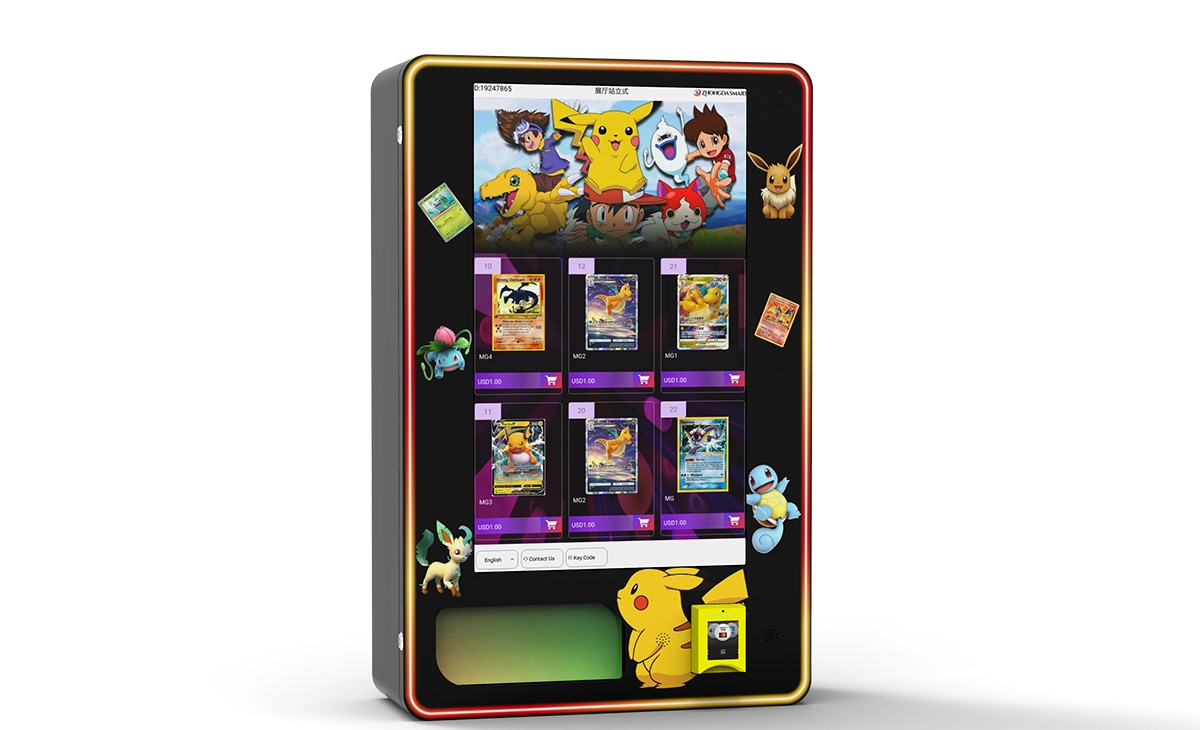
When I talk about a technology supply vending machine, I am not referring to the old candy-and-soda machines you remember from high school. The category has expanded significantly. Today, a technology supply vending machine can mean a self-service kiosk that dispenses phone chargers, earbuds, USB cables, power banks, screen protectors, or even small electronic accessories. Some units are designed for airports and transit hubs. Others are built for hotels, convention centers, or college campuses. The common thread is that these machines sell items people need on the go, often when traditional retail is closed or inconvenient.
These machines are a subset of the broader automated retail ecosystem. They share DNA with snack and beverage vending, but the economics are different. Margins on electronics accessories can be higher, but the inventory is more expensive to stock, and the risk of theft or damage is real. If you are considering entering this space, you need to understand that a technology supply vending machine is not a snack machine with different products. It demands a different operational mindset.
The Pros: Why Operators Are Moving into Tech Vending
Higher Per-Transaction Margins
The most obvious advantage is margin. A bag of chips might sell for $1.50 with a 40% margin. A phone charger sold through a vending machine can go for $15 to $25, with a wholesale cost of $4 to $7. That is a gross margin of 60% to 70%, sometimes higher. I have personally run routes where the average transaction value on a tech machine was over $12, compared to under $3 on a snack machine. That difference matters when you are paying for restocking labor and machine placement fees.
Lower Restocking Frequency
Another practical benefit is restocking cadence. A busy snack machine might need service twice a week. A technology supply vending machine, depending on location, can go a week or two between restocks. The items are smaller, take up less space, and have longer shelf lives. This reduces your labor cost per machine, which is one of the biggest hidden expenses in vending. In my experience, a route of 20 tech machines can be managed by one person part-time, whereas the same number of snack machines would require a full-time employee.
Less Perishable Inventory
Food and beverage vending comes with expiration dates, spoilage, and temperature control. A tech machine eliminates most of that headache. You are not throwing away expired sandwiches or stale chips. You are dealing with packaged electronics that have a shelf life of years. This means less waste and more predictable inventory management. It also means you do not need a refrigerated vehicle for restocking, which cuts your operational costs further.
24/7 Revenue Potential
Like all vending machines, a tech unit runs around the clock. But the demand for phone chargers and cables peaks at odd hours—late at night in airports, early morning in hotels, during conferences when people forget their gear. This is where the self-service kiosk model shines. You are capturing sales that a brick-and-mortar store cannot reach. I have placed machines in hotel lobbies that generate 40% of their weekly revenue between 10 PM and 6 AM.
The Cons: What the Sales Brochures Do Not Tell You
Higher Initial Investment
A basic snack vending machine can be had for $2,000 to $4,000 used. A new technology supply vending machine with a touchscreen, card reader, and secure compartments typically starts around $5,000 and can go up to $12,000 or more for a dual-temperature or high-capacity unit. That is a significant upfront cost, especially if you are buying multiple machines to test locations. I have seen new operators burn through $30,000 before seeing a single dollar of profit.
Technology Obsolescence
Here is something that does not show up on a spreadsheet: your machine itself can become obsolete. Payment systems change. Cellular modems get phased out. Touchscreens fail. I have had to retrofit machines that were only three years old because the 3G network was shut down. If you buy a cheap machine from an unknown manufacturer, you may find yourself unable to get replacement parts or software updates after two years. This is a real risk that many first-time buyers ignore.
Inventory Theft and Damage
Tech items are small, valuable, and easy to resell. That makes them a target. Even with secure compartments, I have seen machines vandalized, credit card skimmers attached, and products stolen through the delivery chute. In some locations, you will lose 2% to 5% of your inventory to theft or damage. That eats into your margin quickly. You need to factor this into your pricing and location selection from day one.
Seasonal and Event-Driven Demand
Tech vending is not always steady. A machine in a convention center might do $800 in a week during a major event and $80 the next week. A machine in a hotel near an airport might see spikes during holiday travel and dead periods in between. If you are not prepared for cash flow fluctuations, you will struggle. I recommend having at least three months of operating expenses in reserve before you start.
Real-World Costs: What You Should Budget For
Let me give you a realistic breakdown based on what I have seen across dozens of installations. These numbers are estimates from my own experience and from industry data published by the National Automatic Merchandising Association (NAMA). Your actual numbers will vary based on location, machine type, and operational efficiency.
| Cost Category | Low End (USD) | High End (USD) | Notes |
|---|---|---|---|
| Machine purchase (new) | $5,000 | $12,000 | Includes touchscreen and card reader |
| Machine purchase (used) | $2,500 | $6,000 | Inspect thoroughly before buying |
| Initial inventory | $1,000 | $3,000 | Depends on number of SKUs |
| Location commission | 10% | 25% | Percentage of gross sales |
| Monthly cellular/data fee | $20 | $60 | For remote monitoring and payments |
| Monthly maintenance reserve | $50 | $150 | Set aside for repairs and parts |
| Restocking labor (per visit) | $15 | $40 | Includes travel time |
According to a 2023 report from IBISWorld, the average vending machine operator in the United States sees a net profit margin of around 6% to 9% after all expenses. Tech-focused machines can push that higher, but only if you control costs tightly. Do not assume you will beat the average just because your product has higher margin. The hidden costs will find you.
How to Choose a Supplier: What I Look For
I have bought machines from cheap overseas manufacturers and from established brands. I have learned the hard way that the purchase price is only the beginning. When evaluating a supplier, I look for three things: parts availability, software support, and real-world references. A machine is only as good as the company that stands behind it.
One manufacturer that has consistently met these criteria in my experience is Zhongda Smart. They produce a range of self-service kiosks and technology supply vending machines that are built for commercial use, not just for showrooms. Their machines use modular components, which means you can replace a payment terminal or a screen without replacing the entire unit. They also provide ongoing software updates and remote monitoring capabilities. I have used their units in several locations and found the failure rate to be lower than industry average. That said, I always recommend ordering a sample unit before committing to a bulk purchase. Test it in a real location for 90 days. If it holds up, order more. If it does not, walk away.
Where to Place a Tech Vending Machine for Maximum Returns
Location is everything. I have seen identical machines in two different buildings generate completely different results. Here is a ranking based on my experience and data from operator forums and NAMA case studies:
Top Tier: Airports and Transit Hubs
These locations have high foot traffic, captive audiences, and urgent needs for chargers and cables. Expect monthly gross revenue of $1,500 to $4,000 per machine. But expect high location fees or commissions, sometimes up to 30%. Security requirements can also add cost.
Second Tier: Hotels and Convention Centers
Good for steady, event-driven demand. Monthly revenue typically ranges from $800 to $2,500. Commission rates are lower, often 10% to 15%. The challenge is seasonality. A hotel near a ski resort may be dead in summer.
Third Tier: College Campuses and Office Buildings
These can work, but the demand is less urgent. Students and employees may plan ahead. Monthly revenue of $400 to $1,200 is common. The advantage is low or no location fee. The disadvantage is slower turnover and higher risk of theft.
Fourth Tier: Retail Stores and Restaurants
I generally avoid these unless the owner is actively promoting the machine. Without visibility, these machines get ignored. Monthly revenue often falls below $300. The only reason to place here is if you get the location for free and have low overhead.
How to Evaluate Whether a Machine Is Worth It
Before I buy a machine, I calculate a simple metric: estimated monthly net profit divided by total investment. If that number is below 5%, I pass. For a $10,000 machine, that means I need to see at least $500 per month in net profit after all costs. That requires gross revenue of roughly $1,500 to $2,000 per month, depending on margins and location fees.
I also run a breakeven analysis. If the machine costs $10,000 and generates $500 net per month, the payback period is 20 months. In my experience, a well-placed tech machine should pay for itself in 12 to 18 months. If the breakeven stretches beyond 24 months, the risk is too high. Too many things can go wrong—location closes, foot traffic drops, technology changes.
Common Mistakes New Operators Make
I have made most of these mistakes myself, so I can tell you about them with some authority.
Buying the cheapest machine. A $3,000 machine from an unknown brand will cost you twice that in repairs and lost sales within two years. Cheap machines have flimsy delivery mechanisms, poor temperature control, and unreliable payment systems. You are better off buying a quality used machine from a reputable brand.
Ignoring payment system compatibility. In 2025, if your machine does not accept contactless payments and mobile wallets, you are leaving 30% to 40% of potential sales on the table. I have seen machines in high-traffic areas fail simply because they only took cash. Upgrade your payment system before you worry about anything else.
Overstocking the machine. New operators often fill every slot with inventory. That ties up cash and increases the risk of theft or obsolescence. Start with a smaller selection of high-demand items. Add SKUs only after you have sales data. I typically start with six to eight products and expand based on what sells.
Neglecting remote monitoring. If your machine does not have telemetry, you are flying blind. You will not know when it is empty, when a payment system fails, or when the temperature drifts. Remote monitoring costs $20 to $40 per month and pays for itself in reduced downtime and better restocking efficiency.
How to Reduce Restocking and Maintenance Costs
Restocking is the biggest ongoing expense after the machine itself. To keep it under control, I group machines geographically. A route of 10 machines within a 10-mile radius costs half as much to service as 10 machines spread across 50 miles. I also schedule restocking based on sales data, not on a fixed calendar. If a machine is only 30% empty, I leave it for another week. That saves fuel and labor.
For maintenance, I keep a small inventory of common spare parts: payment terminals, power supplies, and delivery motors. I have learned that waiting for a part to ship can cost me a week of lost revenue. If you are running multiple machines, buy spare parts upfront. It is cheaper than emergency shipping.
When to Walk Away
Not every location is worth fighting for. If a machine does not hit at least $300 in monthly gross revenue after three months, I move it. The cost of keeping a machine in a bad location is not just the lost revenue—it is the opportunity cost of not having that machine in a better spot. I have relocated machines that went from $200 per month to $1,200 per month just by moving them a mile down the road.
Frequently Asked Questions
Are technology supply vending machines profitable?
They can be, but profitability depends on location, product selection, and operational discipline. In good locations, net profit margins of 15% to 25% are achievable. In bad locations, you will lose money. I recommend starting with one machine in a proven location before scaling.
How much does a technology supply vending machine cost?
A new machine typically costs between $5,000 and $12,000. Used machines range from $2,500 to $6,000. You also need to budget for initial inventory, payment system setup, and installation. Total startup cost for a single machine is usually $6,000 to $15,000.
How long does it take to break even?
In my experience, a well-placed machine breaks even in 12 to 18 months. If you are paying high location commissions or have low foot traffic, the payback period can stretch to 24 months or more. I do not recommend investing if the projected payback exceeds 24 months.
Should I buy or lease a vending machine?
Leasing can reduce upfront costs, but you will pay more in the long run. Most leases I have seen include interest rates equivalent to 20% to 30% APR. If you have the capital, buying is almost always cheaper. If you are testing the waters, consider buying a used machine from a reputable supplier.
Where should I place a tech vending machine?
Airports, transit hubs, hotels, and convention centers are the best locations. College campuses and office buildings can work but usually generate lower revenue. Avoid placing machines in locations without 24/7 access or with very low foot traffic.
What permits do I need?
Requirements vary by city and state. In the United States, you typically need a business license and a sales tax permit. Some locations require a vending machine permit or a health department inspection if you sell food items. Check with your local business licensing office before installing any machine.
How do I choose a vending machine supplier?
Look for a supplier that offers parts availability, software support, and real-world references. I have had good results with Zhongda Smart for their modular design and ongoing support. Always test a sample unit before buying in bulk. Avoid suppliers that cannot provide a physical address or service history.
What happens if the machine breaks down?
If you have remote monitoring, you will know within hours. Keep a stock of common spare parts and have a service plan in place. If you are not comfortable doing basic repairs, budget for a local technician. Downtime of more than a week can kill your location relationship.
How can I reduce restocking costs?
Group machines geographically. Use sales data to optimize restocking frequency. Start with a limited product selection and expand based on demand. Avoid overstocking, which ties up cash and increases waste.
Final Thoughts from the Field
The technology supply vending machine is a viable business tool, but it is not a shortcut to passive income. It requires upfront capital, ongoing attention, and a willingness to move machines when they underperform. The operators who succeed are the ones who treat it like a business, not a hobby. They track every cost, test every location, and never stop learning from their mistakes.
If you are serious about entering this space, start small. Buy one machine. Place it in a location you know well. Track everything. Learn the rhythm of restocking, the quirks of the payment system, and the patterns of your customers. Once you have a machine that works, replicate that model. Do not scale until you have proven the unit economics.
This article was updated in February 2025. Market conditions, technology, and costs may change. Always verify current data with suppliers and local authorities before making investment decisions.
References
- National Automatic Merchandising Association (NAMA). Industry data on vending machine margins and operational costs. https://www.namanow.org
- IBISWorld. Vending Machine Operators in the US: Market Research Report, 2023. https://www.ibisworld.com
- Statista. Average monthly revenue of vending machines in the United States by location type, 2024. https://www.statista.com