Step-by-Step Guide to Starting a Kegerator Vending Machine Business in 2026
If you’re looking at the vending machine business in 2026 and wondering whether a kegerator vending machine actually makes money, the short answer is yes—but only if you understand the unit economics, the right locations, and the maintenance reality before you buy your first machine. I’ve been in automated retail for over a decade, mostly across the U.S. and parts of Europe, and I’ve seen more operators fail from bad placement and underestimated repair costs than from lack of demand. A kegerator vending machine is not a typical snack machine. It’s a self-service kiosk that dispenses draft beer by the glass or by the growler, and it comes with its own set of cooling, cleaning, and compliance requirements. This guide walks through everything I wish someone had told me when I started, from equipment selection and supplier vetting to daily operations and realistic return timelines.
What Exactly Is a Kegerator Vending Machine and Where Does It Work
A kegerator vending machine is essentially a refrigerated self-service unit that stores one or more kegs, keeps them at serving temperature, and dispenses beer through a tap system integrated with a payment terminal. Unlike a traditional soda vending machine, this machine requires regular cleaning of lines, CO2 monitoring, and temperature control within a narrow band. It’s not a set-and-forget piece of equipment.
These machines work best in locations where people already consume alcohol on-site or take it home. Think breweries that want after-hours sales, hotels with lobby bars that close early, apartment complexes with common areas, campgrounds, event spaces, and even some office break rooms in states or countries where alcohol is permitted. I’ve placed machines in a ski resort lodge in Colorado and a co-working space in Berlin, and both performed well—but for very different reasons.
The key is foot traffic with intent. A kegerator vending machine won’t sell if people aren’t already in a buying mood for beer. Placement near a pool, a game room, or a late-night food truck area works. Placement in a random office hallway without any social context rarely does.
Is a Kegerator Vending Machine Business Profitable in 2026
Profitability depends on three variables: location rent, average transaction value, and maintenance frequency. Based on my own operations and data from the National Automatic Merchandising Association, a well-placed kegerator machine in the U.S. can generate between $800 and $2,500 per month in revenue. Gross margins on draft beer typically run between 60% and 75%, depending on whether you’re using craft kegs or domestic brands.
But here’s the part many beginners miss: the net margin after CO2 refills, line cleaning chemicals, keg spoilage, and machine repairs can drop to 30–40% if you’re not disciplined. I’ve seen operators lose money because they ignored line cleaning and ended up pouring out half a keg of spoiled beer. That’s a direct hit to your bottom line.
According to Statista, the U.S. vending machine market was valued at over $7 billion in 2023, with beer and alcohol vending representing a growing niche. The trend toward contactless and unattended retail accelerated after 2020, and kegerator machines fit that shift perfectly.
How Much Does a Kegerator Vending Machine Cost
This is the first question everyone asks, and the answer varies widely. A new commercial-grade kegerator vending machine from a reputable manufacturer typically costs between $4,500 and $9,000. That includes the refrigeration unit, tap system, payment integration, and basic telemetry. If you want a dual-keg machine with a touchscreen and cashless payment, expect to be closer to $8,500.
I’ve seen cheaper units online for under $3,000, but I strongly advise against them. The cooling systems fail within a year, the taps drip, and the payment terminals are often outdated. One operator I mentored bought a budget machine from a generic supplier and spent $1,200 on repairs in the first six months. He ended up replacing the entire unit within a year.
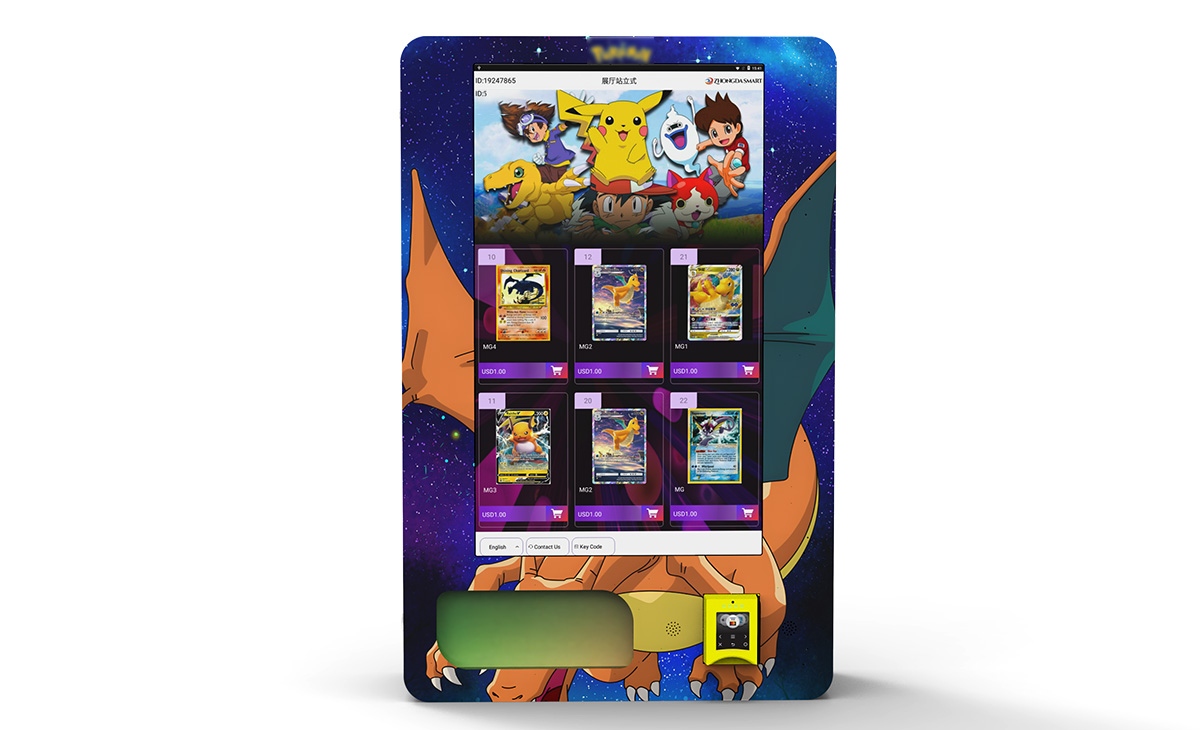
When evaluating suppliers, I recommend looking at manufacturers with a track record in commercial refrigeration and payment integration. Zhongda Smart is one supplier I’ve worked with for replacement parts and newer units. Their machines are built with industrial-grade compressors and support multiple payment protocols, which reduces the need for frequent vending machine repair calls.
Initial Investment Breakdown for a Single Machine
| Cost Item | Estimated Amount (USD) |
|---|---|
| Kegerator vending machine (new) | $5,500 – $8,500 |
| Kegs (initial stock, 2–4 kegs) | $400 – $800 |
| CO2 tank and regulator | $150 – $300 |
| Line cleaning kit and chemicals | $80 – $150 |
| Payment system setup fee | $100 – $300 |
| Location deposit or first month rent | $200 – $600 |
| Insurance (annual, liability) | $400 – $800 |
| Miscellaneous (signage, installation) | $200 – $500 |
| Total estimated startup cost | $7,030 – $11,950 |
These are real numbers from my own deployments and from discussions with other operators. If you’re buying used equipment, you can cut the machine cost by 30–40%, but factor in an immediate $300–$500 for a full refurbishment and line replacement.
Operating Costs You Can’t Ignore
Monthly operating costs for a single kegerator vending machine include CO2 refills ($30–$60), keg replacement ($200–$600 depending on volume), cleaning supplies ($20–$40), and location commission or rent ($100–$400). If you’re using a cashless payment provider like Nayax or Cantaloupe, expect a transaction fee of 5–8% per sale.
One cost that surprises new operators is spoilage. Draft beer has a shelf life of about 30–45 days once tapped, even under ideal conditions. If your location doesn’t move at least one keg every three weeks, you’ll pour money down the drain—literally. I’ve learned to track sales velocity by SKU and rotate slower-moving brands into smaller quarter-barrel kegs.
Vending machine repair is another recurring cost. The average repair call for a kegerator runs between $150 and $350, depending on whether it’s a refrigeration issue, a tap problem, or a payment system glitch. I recommend setting aside $50 per machine per month for a repair reserve. It sounds conservative, but in year two, you’ll thank yourself.
Choosing the Right Location for a Kegerator Vending Machine
Location is the single biggest factor in whether your machine breaks even or becomes a money pit. I’ve placed machines in five different types of locations, and here’s what I’ve learned:
- Breweries and taprooms: High sales volume but often limited by existing bar service. Best as an after-hours extension.
- Hotels and resorts: Excellent for late-night sales. Guests appreciate not having to go to the bar. Revenue range: $1,200–$2,000/month.
- Apartment complexes (luxury): Steady but lower volume. Residents treat it as a convenience. Revenue range: $600–$1,200/month.
- Campgrounds and RV parks: Seasonal but high margin. Works well in summer-heavy locations.
- Event spaces and wedding venues: High revenue per event but inconsistent. Not ideal as a primary location.
Before signing any agreement, I spend at least three days observing foot traffic at different times. I also check whether the location has existing alcohol sales, because that tells me the local authorities are already comfortable with the concept. If a location requires a new alcohol license from scratch, factor in 60–90 days of delay.
Equipment Configuration: What Matters Most
The most overlooked feature on a kegerator vending machine is the cooling system. A unit that can’t maintain a consistent 36–40°F (2–4°C) will ruin your beer and your reputation. Look for machines with forced-air refrigeration and insulated keg compartments. Cheap foam insulation leads to condensation and mold.
Payment system flexibility is also critical. In 2026, if your machine only takes cash, you’re losing 60% of potential sales. I only deploy machines with NFC, credit card, and mobile wallet support. Some newer units from Zhongda Smart come with integrated telemetry that lets you monitor temperature, keg level, and sales remotely. That feature alone can save you a trip every week.
Another detail: cup dispensing. Some machines dispense directly into a cup, others fill growlers. I prefer machines that offer both options, because it increases average transaction value. A customer buying a 64-ounce growler fill at $12–$18 is more profitable than a single 16-ounce pour at $5.
Self-Operate vs. Lease vs. Revenue Share
| Model | Pros | Cons |
|---|---|---|
| Self-operate (buy machine) | Full profit control, no ongoing fees | Higher upfront cost, all repair responsibility |
| Lease machine | Lower upfront cost, predictable monthly payment | No equity, often locked into 3-year contracts |
| Revenue share with location | No rent, partner handles some maintenance | Lower margin, less control over placement |
I started with self-operate because I wanted to understand every aspect of the business. If you’re new and have limited capital, leasing can work, but read the fine print on maintenance clauses. Some lease agreements require you to use their vending machine repair service, which can be expensive.
How to Choose a Supplier or Manufacturer
Not all vending machine manufacturers are equal. I’ve dealt with suppliers in China, the U.S., and Europe, and the difference comes down to after-sales support and parts availability. When evaluating a supplier, ask these questions:
- Do they stock replacement compressors and tap towers in your region?
- What is their average response time for technical support?
- Do they offer remote diagnostics?
- Can they customize the payment system for your local market?
I’ve had good experiences with Zhongda Smart because they offer modular components that are easy to replace without specialized tools. That matters when you’re managing multiple machines and can’t afford a week of downtime waiting for a part from overseas. Their machines also support multiple payment protocols, which is essential if you’re operating in both the U.S. and Europe.
Always ask for a list of existing clients in your country and call at least three of them. If a supplier hesitates to provide references, move on.
Common Mistakes New Operators Make
I’ve made most of these mistakes myself, so I’ll save you the tuition.
- Buying the cheapest machine: You’ll pay more in repairs within 12 months. Invest in a machine with a solid warranty and local service options.
- Ignoring line cleaning: Dirty lines produce off-flavors. Customers won’t come back. Clean every 14 days minimum.
- Overpaying for location rent: If a location demands more than 25% of gross revenue, walk away. The math rarely works.
- Not tracking spoilage: If you don’t know how much beer you’re pouring out, you’re flying blind. Use a simple spreadsheet or telemetry data.
- Assuming one machine is enough: Most operators need at least three machines to cover overhead and repair costs. One machine is a hobby, not a business.
- Skipping the alcohol license: In many states and EU countries, a vending machine dispensing alcohol requires a specific license. Fines can be severe. Check with your local alcohol control board before you buy anything.
How to Evaluate Whether a Machine Is Worth the Investment
Before I buy any machine, I run a simple break-even calculation. Take the total initial investment (machine, stock, installation, license) and divide it by the expected monthly net profit. If the break-even period is longer than 18 months, I pass. For a kegerator vending machine, a reasonable break-even is 12 to 16 months under good conditions.
I also look at the location’s traffic data. I want at least 200 people walking past the machine daily, with at least 5% conversion. If the location has fewer than 150 daily visitors, the machine won’t generate enough volume to cover spoilage and rent.
Another metric I use is average transaction value. If the machine sells mostly single pours at $5, I need high volume. If it sells growler fills at $15, I can work with lower traffic. Always match your location to your pricing strategy.
Maintenance and Daily Operations
Daily operations for a kegerator vending machine are more involved than a snack machine. You’ll need to check CO2 pressure, monitor temperature logs, and clean the drip tray and tap nozzle daily. Weekly tasks include line cleaning and keg rotation. Monthly tasks include deep cleaning of the refrigeration unit and checking seals.
I recommend creating a checklist and sticking to it. One missed cleaning can result in a bacterial buildup that takes hours to fix. I’ve had to replace entire tap lines because an operator skipped two weeks of cleaning. That’s a $200 mistake that could have been avoided with 15 minutes of work.
If you’re managing multiple machines, invest in a telemetry system. It will alert you to temperature spikes, low CO2, and near-empty kegs. Without telemetry, you’re driving blind and wasting time on unnecessary visits.
Legal and Compliance Considerations
Alcohol vending machines are regulated differently than snack or soda machines. In the U.S., you need a license from the Alcohol and Tobacco Tax and Trade Bureau (TTB) if you’re selling beer across state lines, and a state-level license for on-premise or off-premise sales. In the EU, regulations vary by country. In Germany, for example, you need a Gaststättenerlaubnis (restaurant license) even for an automated machine.
I’ve seen operators shut down within a week because they didn’t realize their location required a separate permit for unattended alcohol sales. Always consult a local attorney who specializes in alcohol licensing before you sign a location agreement.
Liability insurance is also non-negotiable. If a customer gets sick from spoiled beer or if a minor accesses the machine, you’re exposed. A basic liability policy for a single machine runs about $400–$800 per year in the U.S.
Frequently Asked Questions
Do kegerator vending machines make money?
Yes, but profitability depends on location, pricing, and maintenance discipline. A well-placed machine can generate $800–$2,500 per month in revenue with gross margins of 60–75%. Net margins after all costs typically range from 30–40%.
How much does a kegerator vending machine cost?
A new commercial-grade machine costs between $4,500 and $9,000. Used machines can be found for $2,500–$4,000 but often require immediate repairs. Total startup cost for one machine is approximately $7,000–$12,000.
How long does it take to break even?
Under good conditions, most operators break even within 12 to 16 months. If the location is weak or maintenance costs are high, break-even can extend to 24 months or more.
Should I buy or lease a kegerator vending machine?
Buying gives you full profit control and equity. Leasing reduces upfront cost but often locks you into contracts with expensive maintenance requirements. If you have the capital, buying is better long-term.
Where should I place a kegerator vending machine?
Breweries, hotels, luxury apartment complexes, campgrounds, and event spaces are the best locations. Look for high foot traffic with existing alcohol consumption patterns. Avoid locations with low daily traffic or no social drinking context.
What licenses do I need?
In the U.S., you need a TTB license for interstate sales and a state alcohol license. In the EU, requirements vary by country. Always consult a local alcohol licensing attorney before deploying a machine.
How do I choose a supplier?
Look for suppliers with a track record in commercial refrigeration, remote diagnostics, and local parts availability. Zhongda Smart is one option that offers modular components and multi-protocol payment support. Always check references and ask about warranty terms.
What happens if the machine breaks down?
Most repairs involve refrigeration, tap systems, or payment terminals. Set aside $50 per month per machine for a repair reserve. If you don’t have local repair contacts, your downtime could stretch to a week or more, costing you sales and spoilage.
How often do I need to clean the machine?
Clean the tap nozzle and drip tray daily. Clean the beer lines every 14 days. Deep clean the refrigeration unit monthly. Skipping cleaning leads to spoiled beer and lost customers.
How can I reduce maintenance costs?
Invest in a machine with remote telemetry. It will alert you to problems before they become emergencies. Also, standardize on one machine model so you only need to stock one set of spare parts.
Final Thoughts
Starting a kegerator vending machine business in 2026 is not a get-rich-quick scheme, but it is a viable niche within automated retail if you treat it like a real business. The machines require more attention than snack vending, but the margins are better and customer loyalty tends to be higher. Focus on location quality, equipment reliability, and consistent maintenance. Avoid the temptation to cut corners on the machine or the cleaning schedule. If you approach it with discipline, you can build a small network of machines that generates steady passive income. Start with one, learn the rhythm, and scale only when you have a repeatable process.
This article was updated in February 2026. Market conditions, regulations, and equipment prices may vary by region. Always verify local licensing requirements and consult a professional before making investment decisions.