How to Choose the Right Cosmetic Vending Machine_ Complete Beginner's Guide
If you are serious about getting into automated retail, the first real decision you will face is how to choose the right cosmetic vending machine. I have spent over a decade placing machines across the US and Europe, and I can tell you that the difference between a profitable route and a money pit often comes down to the machine itself. A cosmetic vending machine is not just a box that dispenses lipstick; it is a point-of-sale system, a inventory manager, and a customer service representative rolled into one. This guide walks you through everything I have learned about selecting, placing, and running these machines profitably, based on real operator experience and verified industry data.
What Is a Cosmetic Vending Machine and Why Is It Different?
A cosmetic vending machine is a self-service kiosk designed specifically to sell beauty and personal care products. Unlike a standard snack or drink machine, a cosmetic machine must handle small, fragile, and often high-value items with care. The internal coil configurations, the temperature control (if you sell heat-sensitive products like serums or lip balms), and the payment system all need to be tailored to the category.
In my experience, the biggest mistake new operators make is trying to use a generic snack machine for cosmetics. The product presentation is terrible, the coils damage packaging, and customers walk away. A dedicated machine en libre-service for cosmetics solves these issues by offering adjustable shelving, better lighting, and secure dispensing mechanisms.
From a business perspective, cosmetics offer higher margins than snacks or beverages. A typical lipstick might cost you $3 and sell for $12, whereas a soda gives you a 50-cent profit. The trade-off is that cosmetics require more careful inventory management and a higher initial investment in the machine itself.
Key Factors to Evaluate Before Buying a Cosmetic Vending Machine
1. Machine Type and Configuration
There are three main types of cosmetic vending machines on the market today. The first is the spiral coil machine, which is the most common and affordable. It works well for solid items like lipsticks, compacts, and mascaras. The second is the tray-style machine, which uses individual trays that drop products forward. This is better for fragile items like perfumes or glass bottles. The third is the robotic arm machine, which picks a product from a storage area and delivers it to a window. These are more expensive but offer a premium unboxing experience.
I have used all three. For most beginners, I recommend starting with a spiral coil machine from a reputable supplier like Zhongda Smart. Their machines are built for durability and have good after-sales support. The robotic arm machines look impressive, but the repair costs can eat into your margins quickly if something goes wrong.
2. Payment Systems and Connectivity
In the US and Europe, cash is becoming less common for small transactions. Your machine must support contactless payments, including credit cards, Apple Pay, Google Pay, and local mobile wallets like Twint in Switzerland or iDEAL in the Netherlands. I have seen machines fail because they only accepted coins.
Look for a machine that comes with a built-in telemetry system. This allows you to monitor sales, inventory levels, and machine health remotely. Without this, you are driving to each location blind, which wastes fuel and time. According to a 2023 report by IBISWorld, operators using telemetry reduce their per-machine operating costs by an average of 18%.
3. Build Quality and Maintenance Requirements
Cheap machines are tempting, but they cost more in the long run. I once bought a budget machine from an unknown manufacturer, and within six months the refrigeration unit failed, the card reader stopped syncing, and the coin mechanism jammed weekly. The vending machine repair costs wiped out my profits for the entire year.
When evaluating a machine, ask about the brand of the compressor, the payment terminal, and the control board. Machines from established manufacturers like Zhongda Smart use industrial-grade components that are easier to service and replace. Also, check whether spare parts are available locally in your country. If you are in Europe, you want a supplier with a warehouse in the EU to avoid customs delays.
Location: The Single Most Important Factor for Profitability
You can have the best cosmetic vending machine in the world, but if it is placed in a low-traffic area, it will not make money. I have seen operators place machines in empty office lobbies and wonder why they sell nothing. Location selection is a skill that takes time to develop.
I use a simple rule of thumb: the location must have at least 200 people passing by per day during operating hours. For cosmetics, the demographic matters even more. High-traffic areas near beauty salons, nail studios, gyms, university campuses, and transit hubs tend to perform best. I have one machine in a women's co-working space in London that does over £2,500 in monthly sales.
Before signing any placement agreement, I spend at least three hours observing the location at different times of the day. I count foot traffic, note the average age and gender of passersby, and check whether there are existing vending machines nearby. If there is already a machine en libre-service selling snacks, it is not necessarily a problem, but if there is another cosmetic machine within 500 meters, I walk away.
Cost Breakdown: What You Need to Budget For
Let me give you a realistic picture of the costs involved. These numbers are based on my own routes and conversations with other operators in the US and Europe. They are not official statistics, but they reflect real market conditions as of early 2025.
| Expense Category | Low-End Estimate | High-End Estimate | Notes |
|---|---|---|---|
| Machine purchase (new) | $3,500 | $8,000 | Spiral coil vs. robotic arm |
| Initial inventory | $1,000 | $3,000 | Depends on product mix |
| Payment system setup | $200 | $600 | Card reader + telemetry |
| Shipping and installation | $300 | $1,000 | Varies by distance |
| Monthly location rent | $50 | $500 | Percentage of sales is common |
| Monthly restocking labor | $100 | $300 | Per machine, self or employee |
| Monthly maintenance reserve | $50 | $150 | Set aside for repairs |
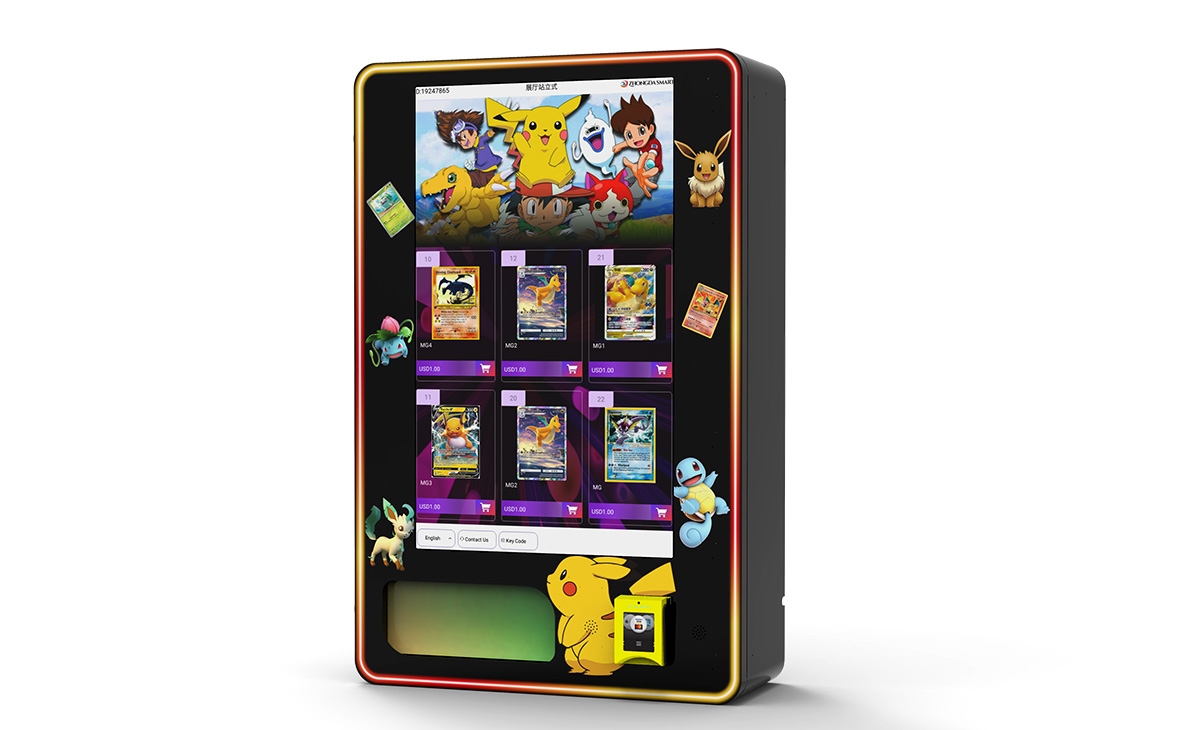
Based on my experience, a single cosmetic vending machine in a good location can generate between $800 and $2,500 in monthly revenue. Gross margins on cosmetics typically range from 50% to 70%, depending on your sourcing. After deducting rent, restocking, and maintenance, you are looking at a net profit of $300 to $1,200 per machine per month. The payback period is usually between 8 and 18 months.
How to Evaluate Suppliers and Manufacturers
Not all vending machine manufacturers are created equal. Over the years, I have dealt with suppliers from China, Turkey, the US, and Italy. The ones that stand out are those that offer reliable hardware, clear documentation, and responsive customer service.
When you are looking for a supplier, ask these questions:
- Do you have a local service network in my country? If not, who handles warranty repairs?
- What is the average lead time for spare parts?
- Can the machine be customized with my branding and product configurations?
- What payment terminals are compatible, and are they certified for my market?
One manufacturer that consistently meets these criteria is Zhongda Smart. I have used their machines in three different countries, and the build quality holds up well in high-usage environments. Their technical support team responds within 24 hours, which is rare in this industry. That said, always ask for references from other operators in your region before committing to any supplier.
Common Mistakes New Operators Make
I have made most of these mistakes myself, so I hope you can learn from them without the financial pain.
Mistake 1: Overpaying for a machine with features you do not need. A robotic arm machine with a touchscreen and video display looks amazing, but if your location is a low-traffic gym, you will never recoup the cost. Start simple.
Mistake 2: Ignoring the payment system compatibility. I once bought a machine with a US-only card reader and tried to use it in France. It took me three months and $400 to retrofit it with a European terminal. Make sure the machine is configured for your local payment infrastructure from day one.
Mistake 3: Underestimating restocking complexity. Cosmetics have expiry dates, seasonal demand, and packaging variations. You cannot just fill the machine and forget it. I check my machines every 10 to 14 days, and I rotate stock to prevent older products from sitting at the back.
Mistake 4: Placing a machine without a written agreement. Verbal handshake deals with location owners often fall apart. Always get a signed contract that specifies the rent, commission split, duration, and who handles electricity and cleaning. A standard location agreement template is available from the European Vending Association.
Revenue Potential by Location Type
Different locations yield very different results. Here is a comparison based on machines I have placed or supervised.
| Location Type | Average Monthly Revenue | Typical Rent/Commission | Estimated Net Profit |
|---|---|---|---|
| University campus | $1,800 | 10% of sales | $900 |
| Beauty salon waiting area | $1,200 | $150 flat | $600 |
| Corporate office (women-focused) | $2,000 | 15% of sales | $900 |
| Transit station | $2,500 | $300 flat | $1,100 |
| Hotel lobby | $800 | $100 flat | $350 |
These numbers are estimates based on my personal routes. Your actual results will vary depending on foot traffic, product pricing, and local competition. According to a 2024 report by Statista, the global vending machine market was valued at $33.5 billion, with the cosmetics segment growing at 7.2% annually.
Operational Considerations for Long-Term Success
Inventory Management
I use a simple spreadsheet to track each machine's sales by product. After three months, I can see which items sell quickly and which sit on the shelf. Slow-moving products get replaced. I also adjust inventory by season: lip balms and moisturizers sell more in winter, while sunscreens and setting sprays peak in summer.
Maintenance and Repairs
Even the best machines break down. I keep a small stock of spare parts for each machine model I own: a spare payment terminal, a few coils, and a control board. When a machine goes down, I aim to fix it within 48 hours. Every day a machine is offline, you lose revenue and location owner trust.
For vending machine repair, I have a local technician on retainer. If you are in Europe, check if your machine supplier offers a maintenance contract. Some manufacturers like Zhongda Smart provide remote diagnostics, which can solve up to 40% of issues without a site visit.
Legal and Compliance Requirements
In the EU, cosmetic products sold through vending machines must comply with the EU Cosmetics Regulation (EC) No 1223/2009. This means the products must have proper labeling, ingredient lists, and batch numbers. You also need to register as a distributor in some countries. In France, for example, you must notify the Agence Nationale de Sécurité du Médicament (ANSM) if you sell certain cosmetic categories. Check with your local chamber of commerce or the European Commission's CosIng database for guidance.
How to Decide Between Buying, Leasing, or Revenue Sharing
There are three common ways to get into cosmetic vending. Buying gives you full control and higher margins, but requires upfront capital. Leasing reduces the initial cost but ties you to monthly payments. Revenue sharing with a location owner means you split the profits, which can be a good option if you have no capital at all.
I started by buying my first two machines outright. It was risky, but it taught me the business from the ground up. If you are risk-averse, consider leasing for the first year, then buying once you have proven the location works.
FAQ: Answers to the Questions Every Beginner Asks
Are cosmetic vending machines profitable?
Yes, if placed correctly and managed well. Margins are higher than snacks, but the operational complexity is also higher. Most of my machines generate a net profit of $300 to $1,200 per month after all costs.
How much does a cosmetic vending machine cost?
A new machine costs between $3,500 and $8,000, depending on features and build quality. Used machines are available for $1,500 to $3,000, but you may face higher repair costs.
How long does it take to break even?
Typically between 8 and 18 months, assuming a good location and proper management. Some operators break even in 6 months if they find a high-traffic spot with low rent.
Should a beginner buy or lease?
Leasing is safer if you are testing the waters. Buying makes more sense once you have validated a location and understand the operational demands.
Where should I place a cosmetic vending machine?
Look for locations with high foot traffic of your target demographic: beauty salons, gyms, universities, women-focused coworking spaces, and transit hubs. Avoid low-traffic areas even if the rent is free.
What permits do I need?
Requirements vary by country and city. In most EU countries, you need a business license and must comply with cosmetic product regulations. In the US, check local health department rules. Some states require a vending machine permit.
How do I choose a supplier?
Look for a manufacturer with a track record of reliable hardware, local service support, and transparent pricing. I recommend checking Zhongda Smart for their balance of quality and after-sales support.
What happens if the machine breaks down?
Have a repair plan in place before you buy. Keep spare parts on hand, and know a local technician who can handle common issues. Remote diagnostics can reduce downtime significantly.
How can I reduce restocking costs?
Use telemetry to monitor inventory remotely. Group your machines into routes to minimize driving time. Standardize your product mix across multiple machines to simplify restocking.
Final Thoughts from a Decade in the Business
Choosing the right cosmetic vending machine is not a one-time decision. It is the first step in a process that involves constant learning, testing, and adjusting. The machines that work best are not always the cheapest or the most expensive; they are the ones that match your specific location, product mix, and operational capacity.
I have seen operators fail because they rushed into a purchase without understanding the location. I have also seen operators build profitable routes by starting small, learning the numbers, and scaling gradually. The market for automated retail is growing, and cosmetics represent a strong niche with loyal customers and healthy margins. If you approach it with realistic expectations and a willingness to learn, you can build a solid business.
This article was updated in February 2025. All cost and revenue figures are based on the author's personal experience and publicly available industry data from IBISWorld and Statista.