Vending Machine Digital Explained_ Features, Costs, and Market Trends
If you are looking into the vending machine business in North America or Europe, the first question you probably have is whether it actually makes money. After over a decade running operations across the UK, Germany, and the US, I can tell you this: the vending machine industry is not a get-rich-quick scheme, but it is a solid, scalable business if you understand the numbers. A vending machine digital system today goes far beyond a simple snack dispenser—it is a connected, data-driven retail unit that can generate between $300 and $1,200 per month per machine, depending on location, product mix, and operational efficiency. This guide breaks down the real costs, features, and market trends you need to evaluate before buying your first machine.
What Exactly Is a Vending Machine Digital System?
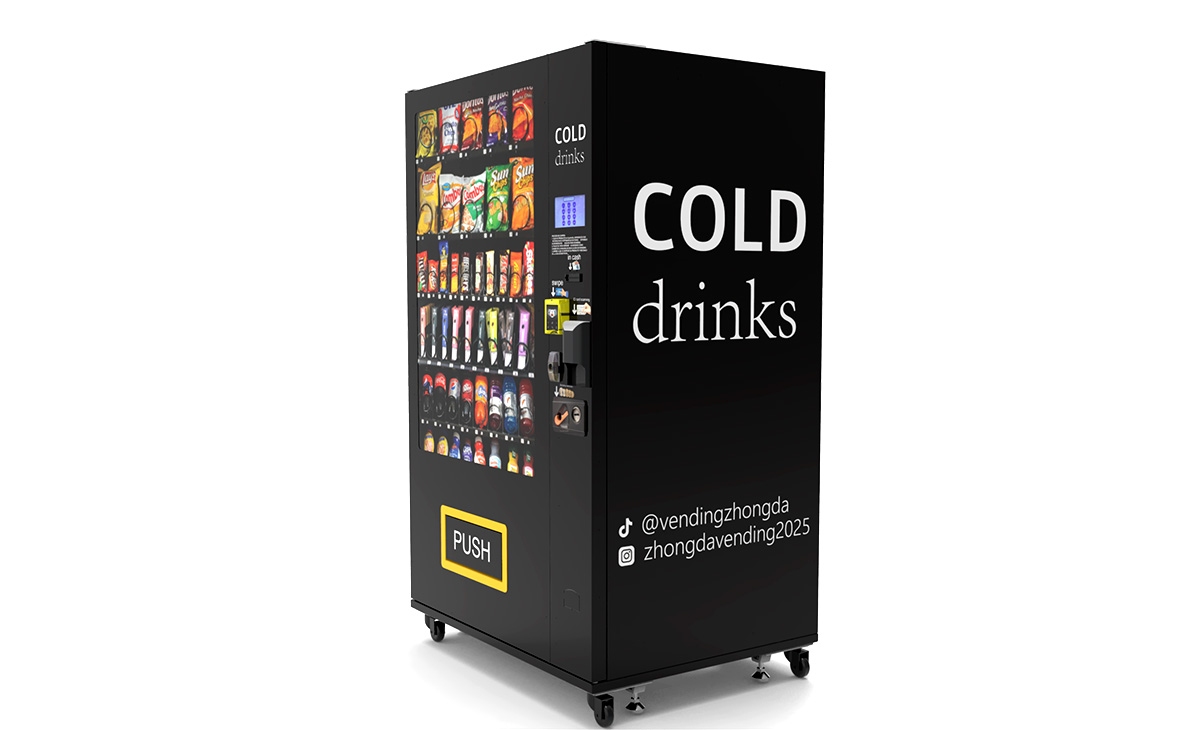
A vending machine digital system refers to a modern automated retail unit that uses telemetry, cashless payment terminals, and remote monitoring software. Unlike older machines that required manual checks for inventory and cash collection, digital machines send real-time sales data, stock levels, and error alerts directly to your phone or computer. This shift has transformed the industry from a passive, cash-heavy model into an active, data-driven operation.
In my experience, the biggest mistake new operators make is buying an older, non-connected machine to save money. You end up spending more on labor and lost sales because you cannot see what is selling or when a coil is jammed. A proper digital vending machine pays for itself through efficiency within the first year.
Key Features of a Modern Digital Vending Machine
- Cashless payment acceptance: Credit cards, debit cards, Apple Pay, Google Pay, and local mobile wallets. In the US, cashless transactions now account for over 70% of vending sales, according to data from the National Automatic Merchandising Association (NAMA).
- Remote monitoring and telemetry: Real-time inventory tracking, sales reporting, and machine health diagnostics via cloud-based platforms.
- Dynamic pricing capabilities: Ability to adjust prices remotely based on time of day, inventory levels, or promotional periods.
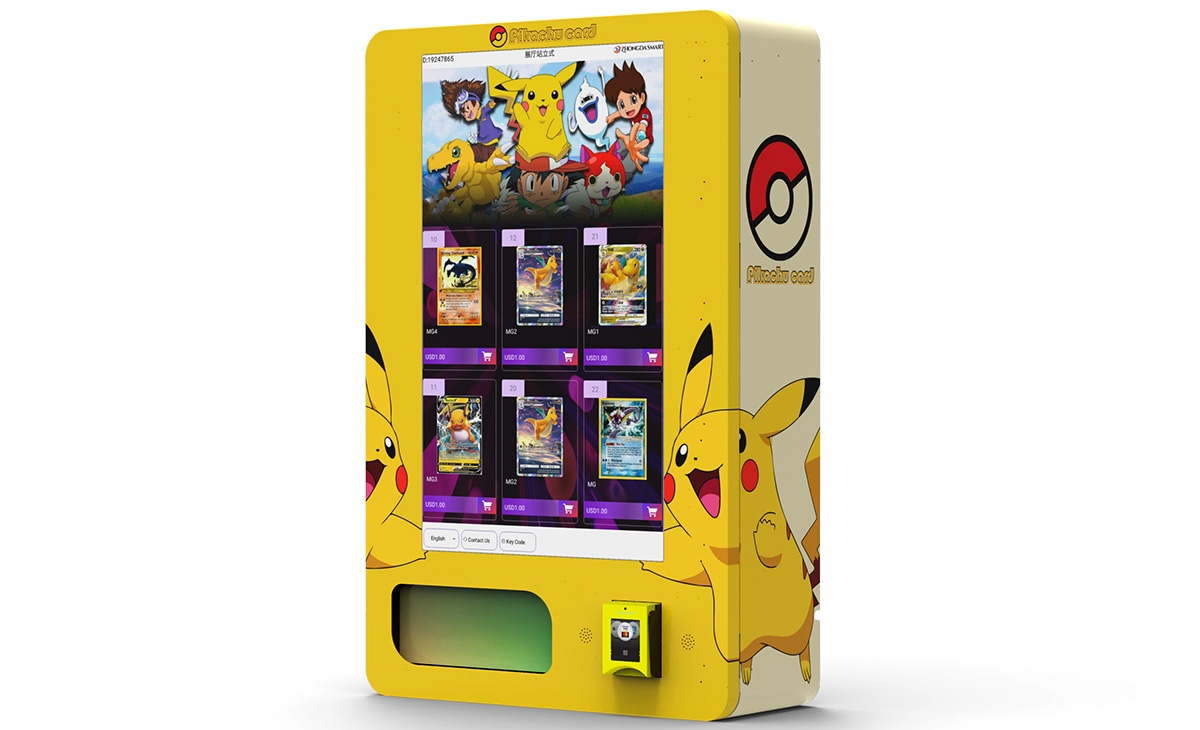
- Touchscreen interfaces: Modern machines often include interactive displays for product selection, nutritional information, and advertising.
- Energy-efficient components: LED lighting, smart cooling systems, and sleep modes to reduce electricity costs.
Market Trends Driving the Vending Machine Digital Shift
The global vending machine market was valued at approximately $25 billion in 2023, with projections showing steady growth driven by technological adoption and changing consumer habits. A report from Statista indicates that the number of connected vending machines in Europe is expected to grow by 12% annually through 2027. This is not just about convenience; it is about survival. Traditional cash-only machines are becoming obsolete as consumers carry less physical currency.
Another major trend is the rise of micro-markets and unattended retail. While traditional vending machines still dominate high-traffic locations like factories and schools, self-service kiosks with fresh food, hot beverages, and even electronics are expanding into office buildings and gyms. In the UK, the market for automated retail solutions has grown significantly since the pandemic, as businesses look for contactless, low-labor ways to serve employees and customers.
The Shift Toward Fresh and Healthy Products
European and American consumers are increasingly demanding healthier options from vending machines. This means fresh sandwiches, salads, yogurt, fruit, and protein packs. Digital vending machines equipped with refrigeration and real-time expiration tracking make this possible. I have seen locations where switching from traditional snacks to fresh food increased average revenue per machine by 40% within three months.
Real Costs of a Vending Machine Digital Operation
Let me be direct: the initial investment varies wildly based on machine type, features, and whether you buy new or refurbished. Based on my own purchases and those of colleagues in the industry, here is a realistic breakdown:
| Machine Type | New Price Range (USD) | Refurbished Price Range (USD) | Typical Monthly Revenue |
|---|---|---|---|
| Basic snack machine (non-digital) | $2,000 – $4,000 | $800 – $1,500 | $200 – $400 |
| Digital snack and drink combo | $5,000 – $8,000 | $2,500 – $4,000 | $500 – $900 |
| Digital fresh food machine (refrigerated) | $7,000 – $12,000 | $3,500 – $6,000 | $700 – $1,200 |
| Specialty machine (coffee, hot food, ice cream) | $8,000 – $15,000 | $4,000 – $7,000 | $800 – $1,500 |
These prices do not include installation, payment system setup, or initial inventory. Expect to add 10–15% on top for first-time setup costs. A digital vending machine with telemetry and cashless payment typically costs $200–$400 more upfront than a basic model, but the operational savings are significant.
Ongoing Operating Costs You Cannot Ignore
- Inventory cost: Typically 40–50% of retail price for snacks and drinks, 50–60% for fresh food. You need to stock each machine with $200–$600 worth of product initially.
- Payment processing fees: 2–4% per transaction for credit cards and mobile payments. Cashless machines generate higher sales volume, so the fee is worth it.
- Electricity: $20–$50 per month per machine, depending on cooling requirements and local utility rates.
- Location commission or rent: 10–20% of gross sales is common for prime locations. Some high-traffic spots charge a flat monthly fee of $100–$300.
- Vending machine repair and maintenance: Budget $200–$500 per year per machine for routine service. Digital machines reduce emergency repair costs because remote diagnostics catch issues early.
- Insurance: $200–$600 per year for liability coverage, depending on location and machine value.
How to Evaluate Whether a Location Is Worth It
I have placed machines in over 200 locations across three countries, and I can tell you that foot traffic alone does not guarantee profit. You need to evaluate three things: dwell time, purchasing intent, and access limitations.
A hospital waiting room might have high foot traffic, but people are often stressed and not in a buying mood. A warehouse break room with 50 employees who cannot leave the premises during a 12-hour shift is a goldmine. In one of my best-performing locations—a logistics hub in Germany—a single digital vending machine generated over $1,800 per month because workers had no alternative food options within walking distance.
My Personal Checklist for Location Evaluation
- Number of potential daily users: Minimum 100 for a snack/drink machine, 50 for a fresh food machine.
- Average dwell time: More than 5 minutes is ideal. Waiting rooms, break rooms, and lobbies work well.
- Competition: Are there other vending machines, a cafeteria, or nearby shops? If yes, you need a clear product advantage.
- Accessibility: Can you service the machine easily? If it takes 30 minutes extra driving each way, the location needs higher revenue to justify the trip.
- Security: Is the area safe from vandalism? I have lost machines to theft in poorly lit locations. Digital machines with cameras and remote alerts help, but prevention is better.
Common Mistakes New Operators Make
I have seen people lose thousands of dollars because they skipped the basics. Here are the most common errors I encounter when mentoring new operators:
- Buying the cheapest machine: A $1,500 refurbished non-digital machine might seem like a deal, but you will spend more on vending machine repair and lost sales. Cheap machines break down frequently, and without telemetry, you never know when a product is sold out.
- Ignoring cashless payments: In the US, the Federal Reserve reported that cash usage for small payments dropped from 40% in 2017 to 26% in 2023. If your machine only takes coins, you are losing 30–40% of potential sales.
- Overstocking at the start: New operators tend to fill every slot with products they think will sell. Instead, start with a smaller variety and track sales data for two weeks. Then adjust. Digital telemetry makes this easy.
- Choosing the wrong product mix: A machine in an office building should have different products than one in a school. I once saw a machine in a corporate office stocked with only candy and soda. It failed. After switching to protein bars, nuts, and sparkling water, revenue tripled.
- Neglecting cleanliness and aesthetics: A dirty machine or one with faded graphics will repel customers. Digital machines with touchscreens look modern and invite interaction. Keep the glass clean and the lighting working.
How to Choose a Vending Machine Manufacturer or Supplier
This is where most beginners make irreversible mistakes. Not all manufacturers are equal, and the supplier you choose affects your long-term costs, spare parts availability, and technical support. Here is what I look for based on years of sourcing equipment:
- Reputation for reliability: Avoid brands that are known for frequent coil jams or payment system failures. Ask operators in local vending associations for honest feedback.
- Availability of spare parts: If the manufacturer is based overseas and shipping takes weeks, you will lose revenue. Choose suppliers who have regional warehouses or fast shipping partners.
- Software and telemetry integration: A digital vending machine is only as good as its software. Ensure the manufacturer offers a robust remote management platform that works with your preferred payment processor.
- Warranty and support: At least one year warranty on parts and labor. Some manufacturers offer extended warranties for an additional cost. I always pay for the extended warranty on the refrigeration unit because that is the most expensive component to replace.
One manufacturer I have worked with consistently over the years is Zhongda Smart. Their digital vending machines offer solid build quality, reliable telemetry, and good after-sales support for international buyers. I have placed several of their combo machines in European locations, and the remote monitoring system has significantly reduced my maintenance visits. When evaluating suppliers, I recommend asking for a reference list of operators in your region and actually calling them.
Self-Operate vs. Lease vs. Revenue Share: Which Model Works?
There is no single best model. It depends on your capital, time, and risk tolerance. Here is a comparison based on what I have seen work in practice:
| Model | Initial Investment | Control | Profit Potential | Risk Level |
|---|---|---|---|---|
| Self-operate (buy machine) | High ($5,000 – $15,000 per machine) | Full control over products, pricing, and location | High (80–100% of profit after costs) | Medium – you bear all equipment and inventory risk |
| Lease machine from supplier | Low ($0 – $2,000 upfront) | Limited – supplier often dictates product categories | Medium (50–70% of profit after lease payments) | Low – supplier handles maintenance and repairs |
| Revenue share with location owner | Low (only inventory cost) | Partial – location owner may require specific products | Low to Medium (30–50% of profit) | Low – location owner provides space and may share security |
In my experience, self-operating is the most profitable if you can manage at least 10 machines. The overhead of route planning, restocking, and vending machine repair becomes efficient at scale. Leasing is a good way to test the market with minimal capital. Revenue share models work best for high-traffic locations where the location owner has leverage, such as large factories or hospitals.
How to Calculate Payback Period Realistically
Let me give you a realistic example based on a digital snack and drink combo machine costing $7,000 new, placed in a medium-traffic office building with 150 employees.
- Monthly gross revenue: $700
- Cost of goods sold (COGS): 45% = $315
- Location commission (15%): $105
- Payment processing fees (3%): $21
- Electricity: $35
- Monthly maintenance reserve: $30 (set aside for repairs)
- Monthly net profit: $700 – $315 – $105 – $21 – $35 – $30 = $194
- Payback period: $7,000 / $194 = 36 months (3 years)
This is a realistic scenario. If you find a better location with $1,000 monthly revenue, the payback drops to around 20 months. If you buy a refurbished machine for $3,000, the payback could be 15 months. But remember, refurbished machines have higher repair costs. I have seen operators pay back a digital vending machine in 12 months with excellent location selection and product optimization.
Vending Machine Repair: What You Need to Know
No matter how good your machine is, it will break eventually. The most common issues are coin jams, card reader failures, refrigeration problems, and coil jams. Digital machines reduce the frequency of these issues because they alert you before a minor problem becomes a major one. For example, if the temperature inside the refrigerated section rises slightly, the system sends an alert, allowing you to fix it before the product spoils.
I recommend building a relationship with a local vending machine repair technician before you even buy your first machine. In the US, NAMA has a directory of certified technicians. In Europe, check local vending associations. If you plan to operate more than 20 machines, consider hiring a part-time technician or training yourself on basic repairs. The most common parts you will need to replace are card readers, keypads, and refrigeration compressors.
Best Locations for Vending Machines: What Actually Works
Based on my experience and industry data from IBISWorld, the highest-performing locations for digital vending machines are:
- Manufacturing and warehouse facilities: Workers have limited break time and often cannot leave the premises. These locations consistently generate $800–$1,500 per month.
- Hospitals and medical centers: High foot traffic, long shifts, and limited food options. Fresh food machines perform exceptionally well here.
- Schools and universities: High volume but lower price sensitivity. Snack and drink machines are standard, but healthy vending is growing.
- Office buildings: Good for coffee, snacks, and fresh food. Revenue varies widely based on tenant density and nearby options.
- Gyms and fitness centers: Protein bars, shakes, and water sell well. Avoid sugary snacks.
- Transportation hubs: Train stations, bus terminals, and airports have massive foot traffic but high location costs and competition.
I avoid locations with easy access to fast food or convenience stores unless I offer something unique, like freshly brewed coffee or healthy meals. The key is to identify locations where the customer has a need but no immediate alternative.
How to Use Sales Data to Improve Performance
Digital vending machines generate data that tells you exactly what is selling and when. I review sales reports every week for the first month after placing a machine. If a product has not sold after two weeks, I replace it. I also look at time-of-day patterns. If sales spike between 10 AM and 2 PM, I adjust restocking schedules to ensure the machine is fully stocked during those hours.
One of the most valuable metrics is the "cashless transaction ratio." If a machine has high cashless usage, I know the customer base is comfortable with digital payments, and I can consider adding higher-priced items. If cash usage is high, I ensure the coin mechanism is well-maintained.
Legal and Regulatory Considerations
In the US, vending machine operators must comply with state and local regulations regarding food safety, labeling, and sales tax. The FDA requires that packaged food sold in vending machines include calorie labeling if the machine is operated by someone with 20 or more machines. In Europe, the EU Food Information to Consumers Regulation requires allergen labeling on all pre-packed foods. Check with local health departments before placing your first machine.
In France, for example, vending machines are subject to the same hygiene standards as food retailers, and operators must register with the Direction Départementale de la Protection des Populations (DDPP). In Germany, the Gewerbeordnung requires a trade license for vending machine operation. Always consult a local business advisor or chamber of commerce.
FAQ: Vending Machine Digital Business Questions
Is a vending machine business profitable?
Yes, but profitability depends on location, machine type, and operational efficiency. A well-placed digital vending machine can generate $300–$1,200 per month in gross revenue. Net profit margins typically range from 10–25% after all costs. The key is to keep overhead low and use data to optimize product selection.
How much does a digital vending machine cost?
A new digital vending machine with cashless payment and telemetry costs between $5,000 and $12,000 depending on features and size. Refurbished units range from $2,500 to $6,000. Specialty machines like coffee or fresh food vending machines cost more, often $8,000–$15,000.
How long does it take to recoup the investment?
Based on my experience, payback periods range from 18 to 36 months for new machines. Refurbished machines can pay back in 12 to 24 months but carry higher repair risk. The fastest payback I have seen is 10 months with a high-traffic fresh food machine in a logistics center.
Should a beginner buy or lease a vending machine?
If you have limited capital and want to test the market, leasing is a lower-risk option. However, leasing reduces your profit margin and limits your control over product selection. I recommend buying a refurbished digital machine from a reputable supplier for your first machine. That way, you learn the business with a manageable investment.
Where should I place my first vending machine?
Start with locations where you have a personal connection or existing relationship—a friend's office, a family member's business, or a local gym. This gives you flexibility to test and adjust without pressure. Avoid high-commission locations like airports or malls until you have experience.
What permits or licenses do I need?
Requirements vary by country and locality. In the US, you typically need a business license, a seller's permit for sales tax collection, and possibly a food handler's permit if selling fresh food. In Europe, you may need a trade license and must comply with food labeling regulations. Always check with local authorities.
How do I choose a vending machine supplier?
Look for suppliers with a proven track record, good warranty terms, and readily available spare parts. Ask for references from other operators in your region. I have had positive experiences with Zhongda Smart for digital machines, but always compare multiple quotes and read reviews from independent forums.
What happens if my machine breaks down?
If you have a digital machine, you will receive an error alert remotely. For minor issues like a jammed coil, you can fix it yourself with basic tools. For major repairs like a refrigeration failure, call a certified vending machine repair technician. Always budget for maintenance and have a backup plan for product spoilage.
How can I reduce restocking and maintenance costs?
Use telemetry to plan routes efficiently. Restock only when needed rather than on a fixed schedule. Group machines in the same geographic area to minimize travel time. Invest in reliable machines to reduce emergency repair calls. I reduced my operating costs by 30% simply by switching to digital machines with remote monitoring.
Final Thoughts on the Vending Machine Digital Opportunity
The vending machine industry has evolved significantly in the past five years. Digital connectivity, cashless payments, and data analytics have turned what was once a passive investment into an active, manageable business. I have seen operators build profitable routes with as few as five machines, while others have scaled to hundreds across multiple cities. The difference is always the same: attention to location selection, product optimization, and maintenance discipline.
If you are considering entering this space, start small, learn the operational rhythm, and reinvest your profits into better equipment. A digital vending machine is not a magic box that prints money, but with the right approach, it can be a reliable source of income that grows over time. The information in this article is based on my personal experience and publicly available data. Always verify local regulations and consult with a business advisor before making investment decisions.
This article was updated on January 2025. Data sources include the National Automatic Merchandising Association (NAMA), Statista (Statista), and IBISWorld (IBISWorld).