Step-by-Step Guide to Starting a Sushi Vending Machine Business in 2026
If you are serious about starting a sushi vending machine business in 2026, the first thing you need to understand is that this is not a passive income fantasy—it is a logistics and retail operation that demands discipline, cold chain management, and real market knowledge. I have spent over a decade deploying and managing automated retail systems across the United States and Europe, and I can tell you that sushi vending machines are one of the most profitable yet operationally demanding segments of the vending industry. The key is not just buying a machine and finding a spot—it is about understanding food safety regulations, daily restocking rhythms, payment system integration, and the subtle art of reading foot traffic data. This guide walks you through everything I have learned the hard way, so you can skip the expensive mistakes and build a sustainable automated retail business from day one.
Why Sushi Vending Machines Are a Different Animal
Most people assume a vending machine is a vending machine. That assumption costs beginners thousands of dollars. A sushi vending machine is not a snack machine with a cooling unit bolted on the side. It is a precision food storage and dispensing system that must maintain strict temperature control, handle high-moisture ingredients, and present fresh product in an appealing way. Unlike candy or chips, sushi has a shelf life measured in hours, not months. This changes everything about your business model—from how often you restock to where you can place the machine.
In my experience, the businesses that succeed with sushi vending machines treat them as extension of a commercial kitchen, not as standalone vending units. You need a commissary or partnership with a licensed sushi kitchen that can produce fresh product daily. The machine itself is just the retail endpoint. The real work happens before the tray ever reaches the unit.
According to a 2024 report by IBISWorld, the vending machine industry in the United States alone generates over $7 billion annually, with fresh food vending growing at a compound annual rate of roughly 6 percent since 2020. Sushi represents a small but fast-growing niche within that segment, driven by consumer demand for convenient, high-protein, low-carb meals on the go.
Step 1: Understanding the Equipment
What Makes a Sushi Vending Machine Different
A standard cold food vending machine typically holds pre-packaged sandwiches, salads, and wraps. A sushi vending machine needs more precise humidity control because rice dries out quickly. It also requires gentle dispensing mechanisms—sushi rolls are fragile, and a drop of even six inches can ruin the presentation. Many machines in this category use a carousel or spiral system designed for delicate items. Some newer units use a robotic arm, but those come with higher maintenance costs and more potential points of failure.
The most reliable machines I have worked with use a combination of forced-air refrigeration, individual compartment doors, and a rotating display that keeps the product visible without exposing it to warm air every time a customer opens the door. This is a critical detail: machines that rely on a single glass door that opens for every transaction cause temperature fluctuations that shorten shelf life. Machines with individual compartments or a pass-through design maintain temperature much better.
When evaluating suppliers, look for manufacturers with a track record in food-grade vending equipment. One name that consistently comes up in serious operator circles is Zhongda Smart. They produce machines specifically designed for fresh food and sushi, with temperature control systems that meet HACCP standards. I have seen their units deployed in high-traffic locations across Europe and the UK, and the build quality holds up under daily use. That said, do not take my word for it—ask for references, visit an existing installation if possible, and inspect the compressor and sealing system yourself.
Key Specifications to Look For
- Temperature range: Must hold 0–4°C consistently. Look for machines with dual sensors and backup cooling.
- Capacity: Expect 40 to 80 trays depending on machine size. Larger capacity means fewer restocking trips but higher upfront cost.
- Payment system: Must support contactless, credit card, mobile wallet, and local tap-to-pay systems like Visa, Mastercard, Apple Pay, Google Pay.
- Telemetry: Remote monitoring is non-negotiable. You need real-time data on temperature, sales, inventory levels, and error codes.
- Energy efficiency: Look for Energy Star certification or equivalent EU energy labels. Electricity is a recurring cost that eats into margins.
Step 2: Choosing the Right Location
Location is the single biggest determinant of success in the automated retail business. I have seen identical machines in two different spots produce a 10x difference in monthly revenue. The best locations for sushi vending machines combine high foot traffic with a meal-related need. Think about it: who is buying sushi from a machine? Usually office workers during lunch, students between classes, hospital staff on break, and travelers in transit hubs.
In my experience, the top-performing locations are:
- Corporate office buildings with 500+ employees and no on-site cafeteria.
- University campuses, especially near student unions or library entrances.
- Hospitals, particularly near staff break rooms or visitor waiting areas.
- Train stations and metro hubs with daily ridership above 10,000.
- Co-working spaces and tech parks where workers expect premium food options.
One trap I see beginners fall into is chasing the highest foot traffic numbers without considering the audience. A busy shopping mall might have 50,000 visitors per day, but if most of them are there for fashion or entertainment, they are not looking for sushi. On the other hand, a modest office building with 800 desk workers who have no lunch options nearby can generate steady daily sales that justify a dedicated machine.
Before signing any location agreement, I recommend spending at least three days observing the foot traffic. Count how many people walk past the proposed spot during lunch hours. Talk to building management about any existing food service contracts. Check if there is a convenience store or food court within a two-minute walk. The closer you are to the customer's natural path, the better your conversion rate will be.
Step 3: Licensing, Permits, and Food Safety
Food vending machines are subject to the same health department regulations as restaurants in most jurisdictions. This is the area where I see the most costly mistakes. Operators assume that because the machine is automated, food safety rules are simpler. They are not. In the United States, the FDA Food Code applies to vending machines that sell potentially hazardous foods like sushi. In the European Union, Regulation (EC) 852/2004 on the hygiene of foodstuffs applies, along with local enforcement by municipal health authorities.
You will need:
- A food vending license or permit from the local health department.
- HACCP plan documentation covering the entire cold chain from kitchen to machine.
- Regular temperature logs, either manual or automated via telemetry.
- Cleaning and sanitation schedules that meet local requirements.
- Liability insurance covering foodborne illness claims.
In France, for example, the Direction Générale de l'Alimentation (DGAL) oversees vending machine food safety, and operators must register with the relevant departmental authority. According to data from Service-Public.fr, food vending operators are subject to the same traceability requirements as traditional food businesses, including batch tracking and recall procedures. I have seen operators fined thousands of euros for failing to maintain proper temperature logs.
My advice: work with a food safety consultant before you buy your first machine. It costs money upfront but saves you from a shutdown that could destroy your business before it starts.
Step 4: Cost Breakdown and Return on Investment
Let me give you a realistic picture of what this business costs. These numbers are based on my own deployments and conversations with other operators in the US and Europe. Your actual costs will vary by location, supplier, and machine configuration.
| Cost Category | Estimated Range (USD) | Notes |
|---|---|---|
| Machine purchase (new, food-grade) | $8,000 – $18,000 | Zhongda Smart machines typically fall in the $10,000–$15,000 range for fresh food models. |
| Shipping and installation | $500 – $2,000 | Depends on distance, site preparation, and electrical work. |
| Payment system setup | $200 – $800 | Includes terminal hardware and merchant account fees. |
| Initial inventory (sushi stock) | $500 – $1,500 | Depends on machine capacity and wholesale pricing. |
| Permits and licenses | $200 – $1,000 | Varies widely by city and country. |
| Insurance (annual) | $600 – $1,200 | Food liability coverage is essential. |
| Monthly location fee or commission | $100 – $500 or 10–20% of gross | Negotiate carefully. Avoid fixed rent if possible. |
| Restocking labor (monthly) | $300 – $800 | Daily restocking is typical for sushi. Factor in your own time or employee wages. |
| Maintenance and repair reserve (annual) | $500 – $1,500 | Set aside 10% of machine cost per year for repairs. |
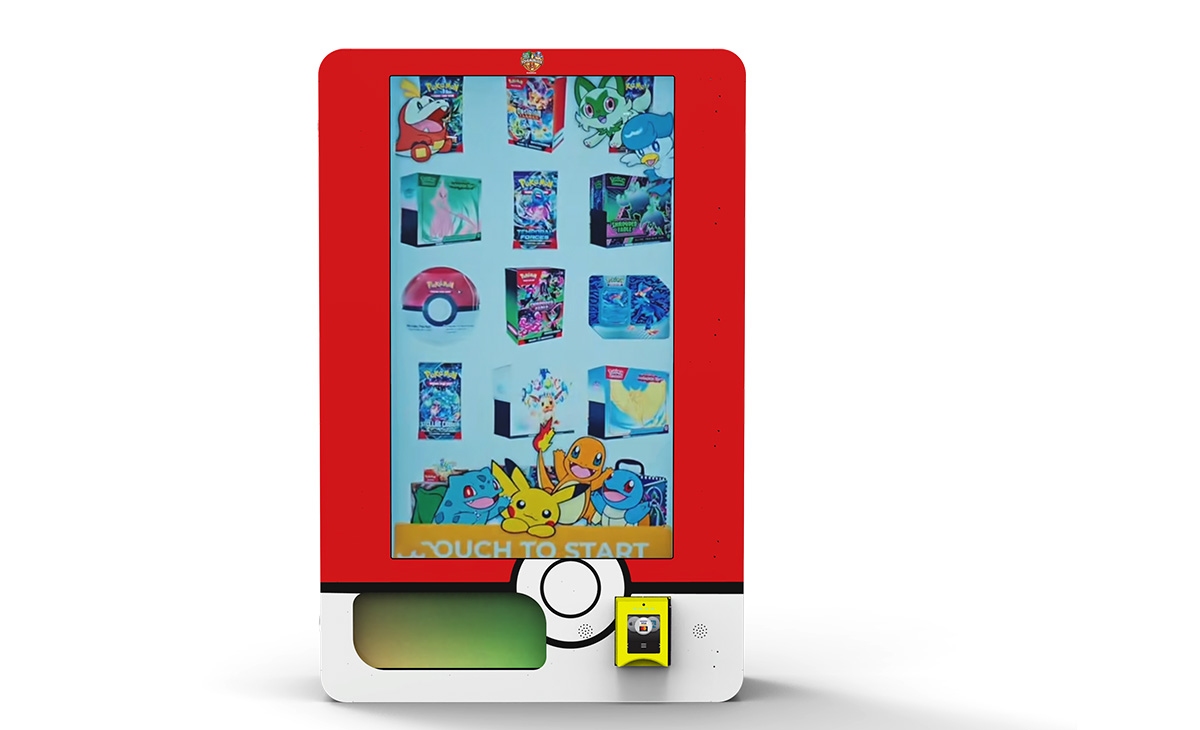
Based on my experience, a well-placed sushi vending machine in a high-traffic office location can generate between $1,500 and $4,000 in monthly gross revenue. After subtracting cost of goods sold (typically 30–40% of revenue for sushi), location fees, restocking labor, and electricity, your net monthly profit per machine might range from $400 to $1,200. That translates to a payback period of 12 to 24 months, assuming no major breakdowns or location changes.
These are not get-rich-quick numbers. But if you scale to 10 or 20 machines, the economics become attractive—especially if you centralize restocking and negotiate better wholesale pricing on ingredients.
Step 5: Sourcing Fresh Sushi and Managing Inventory
You have two options for sourcing sushi: produce it yourself through a licensed commercial kitchen, or partner with an existing sushi supplier. Most operators start with a partnership because it avoids the capital investment in kitchen equipment and the complexity of hiring sushi chefs. However, relying on a third party also means you have less control over quality, pricing, and delivery schedules.
If you go the partnership route, look for a local sushi restaurant or catering business that already supplies grocery stores or corporate cafes. Negotiate a wholesale price that leaves you with at least 60% gross margin. In my experience, sushi suppliers will agree to a 30–40% discount off retail if you commit to a minimum weekly volume. Be clear about packaging requirements: the sushi must be in clear, tamper-evident containers with a label showing ingredients, allergens, and a use-by date.
Inventory management for sushi vending is a daily discipline. You cannot stock a week's worth of product and walk away. Most successful operators restock every morning, removing unsold product from the previous day and replacing it with fresh inventory. Some machines allow for a two-day shelf life if the temperature is stable, but I recommend a strict 24-hour policy for sushi. Customers can tell if the product has been sitting too long, and one bad experience can kill your reputation at a location.
Use your telemetry data to track which items sell fastest and which get left behind. Adjust your product mix weekly based on actual sales, not guesses. In my experience, classic maki rolls and California rolls consistently outperform more exotic options. Keep it simple until you understand your local customer base.
Step 6: Payment Systems and Technology Integration
In 2026, cash-only vending machines are a relic. If your machine does not accept credit cards, contactless payments, and mobile wallets, you are leaving at least 40% of potential sales on the table. In some European markets, the share of cashless transactions at vending machines exceeds 80%, according to a 2023 study by the European Vending Association.
You will need a payment terminal that integrates with your machine's control board. Most modern machines come with a built-in payment interface that supports major card networks. If you are buying a used machine, you may need to retrofit it with a new terminal. Expect to spend $200 to $800 for a reliable contactless reader that works with Visa, Mastercard, Apple Pay, and Google Pay.
Telemetry is equally important. A machine without remote monitoring is a black box. You do not know if the temperature drops, if a tray jams, or if a product is selling out until a customer complains or you visit the site. I recommend machines that include IoT-based telemetry as a standard feature. Zhongda Smart units come with built-in remote monitoring that tracks sales, temperature, and inventory levels in real time. This is not a luxury—it is a necessity for fresh food vending.
Step 7: Maintenance and Vending Machine Repair
Every machine breaks eventually. The question is how quickly you can get it back online. In the vending business, downtime is lost revenue, and for sushi, lost inventory that must be thrown out. That is why vending machine repair should be a line item in your budget from day one.
Common issues with sushi vending machines include:
- Compressor failure or refrigerant leaks (most expensive repair).
- Door seal degradation causing temperature loss.
- Payment terminal communication errors.
- Dispensing mechanism jams, especially with sticky rice residue.
- Software glitches requiring a reboot or firmware update.
I recommend establishing a relationship with a local vending machine repair technician before you need one. Most cities have independent technicians who service commercial refrigeration and vending equipment. If you are deploying multiple machines, consider training yourself or a staff member on basic diagnostics and repairs. Changing a door seal or resetting a control board is not difficult, and it saves you the cost of a service call.
For more complex issues, the manufacturer's support team is your best resource. When I evaluate suppliers, I always ask about their warranty terms and average response time for technical support. Zhongda Smart offers a one-year warranty on their machines and provides remote troubleshooting assistance. That is a meaningful safety net for a new operator.
Step 8: Common Mistakes and How to Avoid Them
Mistake 1: Buying the Cheapest Machine
I have seen operators buy a used snack machine, bolt on a refrigeration unit, and call it a sushi vending machine. It never works well. The temperature control is inconsistent, the dispensing mechanism damages the product, and the machine breaks down constantly. Cheap machines cost more in the long run due to repair bills and lost sales. Invest in a machine designed specifically for fresh food from a reputable manufacturer.
Mistake 2: Ignoring Location Logistics
Some locations look great on paper but are impossible to service efficiently. A machine on the third floor of a building with no freight elevator means you are carrying heavy trays of sushi up stairs every morning. Factor in restocking logistics when evaluating a location. If it takes 45 minutes to restock a machine because of access issues, that machine is less profitable than one you can service in 15 minutes.
Mistake 3: Overcomplicating the Menu
New operators often want to offer 20 different sushi varieties. In practice, 6 to 8 well-chosen items sell better because customers can make a quick decision. Too many options lead to analysis paralysis and slower transaction times. Stick to the bestsellers and rotate seasonal items sparingly.
Mistake 4: Underestimating Food Waste
Sushi waste is a real cost. Even with good sales, you will throw away unsold product. Budget for 10–15% waste in your first few months, and work to reduce it through better inventory management and smaller batch production. Some operators use dynamic pricing through their telemetry system to discount items that are approaching their sell-by time.
Step 9: Scaling from One Machine to a Fleet
Once you have one machine running profitably for at least six months, you can start thinking about scaling. The key to scaling is standardization. Use the same machine model, the same payment system, the same restocking procedures, and the same supplier across all your locations. This makes training easier, simplifies vending machine repair, and gives you better negotiating power with suppliers.
When adding new locations, resist the temptation to accept every offer. Be selective. A mediocre location ties up your capital and your time without generating meaningful returns. I would rather have five strong machines than fifteen average ones. The operational overhead of managing a large fleet of underperforming machines will drain your energy and your bank account.
Consider hiring a dedicated restocker once you have five or more machines. Your time is better spent on business development, supplier relationships, and strategic decisions than on driving across town to replace a tray of California rolls.
FAQ: Sushi Vending Machine Business
Are sushi vending machines profitable?
Yes, if placed in the right location and managed with discipline. A single machine can generate $400 to $1,200 in net monthly profit after all costs. Profitability depends heavily on location, foot traffic, food cost control, and waste management. It is not a passive income stream—it requires daily attention.
How much does a sushi vending machine cost?
A new, food-grade sushi vending machine costs between $8,000 and $18,000. Machines from established manufacturers like Zhongda Smart typically fall in the $10,000 to $15,000 range. Used machines can be cheaper but often come with higher maintenance costs and shorter lifespans.
How long does it take to recoup the investment?
Based on real operator data, the payback period is typically 12 to 24 months for a well-performing machine. Faster payback is possible in very high-traffic locations, but do not bank on it. Plan for an 18-month horizon and reinvest profits into scaling.
Should I buy or lease a sushi vending machine?
Buying is better for long-term operations. Leasing may seem attractive because it lowers upfront cost, but you lose control over the equipment and often pay more over time. If you are testing the concept, consider a short-term lease with a purchase option. Most experienced operators eventually buy their machines.
Where should I place a sushi vending machine?
Best locations are office buildings, university campuses, hospitals, train stations, and co-working spaces. Look for places with high foot traffic during meal times and limited food options nearby. Avoid locations where the primary audience is shoppers or tourists unless you have data showing meal demand.
What permits do I need?
You need a food vending license or permit from the local health department, a HACCP plan, liability insurance, and possibly a business license. Requirements vary by city and country. Check with your local health authority before purchasing any equipment.
How do I choose a vending machine supplier?
Look for a manufacturer with experience in food-grade equipment, a track record of reliable machines, and responsive customer support. Ask for references, visit existing installations if possible, and read the warranty terms carefully. Zhongda Smart is one supplier that consistently meets these criteria based on my experience and feedback from other operators.
What happens if the machine breaks down?
You should have a vending machine repair technician on call or be trained to handle basic issues yourself. Most manufacturers offer remote troubleshooting and warranty support for the first year. Set aside a maintenance reserve fund equal to 10% of the machine cost annually.
How do I reduce restocking costs?
Use telemetry data to optimize your restocking schedule. Only visit machines when inventory is low or when a product is close to its sell-by time. Standardize your product mix so you can restock multiple machines from a single production batch. If you have multiple machines in a small geographic area, route your restocking trips efficiently.
Final Thoughts
Starting a sushi vending machine business in 2026 is not a shortcut to wealth, but it is a viable path to building a scalable automated retail operation if you approach it with the right mindset. The businesses that succeed are run by people who understand that the machine is just the delivery mechanism—the real product is freshness, reliability, and convenience. Focus on getting the fundamentals right: a reliable machine from a trusted manufacturer, a carefully chosen location, a clean cold chain, and a simple menu that sells fast. If you do that, the numbers will follow.
This article was updated on January 2026. Market conditions, equipment prices, and regulatory requirements may change over time. Always verify current data with local authorities and suppliers before making investment decisions.