Vending Machine Cage Business Guide_ How It Works, Profit & Maintenance Explained
If you are looking into the vending machine cage business, you are probably trying to figure out whether this model actually makes money, how much it costs to start, and what kind of maintenance it really requires. After over a decade running automated retail operations across the U.S. and parts of Europe, I can tell you that the cage concept—where machines are placed inside secure, enclosed structures—has become one of the most reliable entry points for new operators. It works especially well in high-traffic but unsupervised locations like apartment complexes, storage facilities, and industrial parks. This guide walks you through exactly how the vending machine cage business works, what profits you can realistically expect, and the maintenance realities that separate successful operators from those who quit within six months.
What Is a Vending Machine Cage Business?
A vending machine cage is essentially a secure enclosure that houses one or more vending machines. Think of it as a mini retail pod. The cage protects the equipment from theft, weather, and vandalism while allowing 24/7 self-service access. In many cases, the cage itself becomes the storefront.
This model is popular in locations where you cannot or should not install a machine directly on a wall or inside a building. Instead, you place the cage on a concrete pad, bolt the machine inside, and run power to it. The result is a standalone vending point that requires minimal oversight.
I have seen these setups work exceptionally well in apartment complexes that lack a convenience store, in self-storage facilities where customers visit irregular hours, and in warehouse districts where shift workers need quick access to snacks and drinks. The cage adds a layer of security that reduces the risk of machine damage, which is one of the biggest headaches for new operators.
How the Vending Machine Cage Model Actually Works
You start by securing a location. Then you install a cage, place your machine inside, stock it, and manage it remotely if your equipment supports telemetry. The cage itself is usually made of welded steel mesh or expanded metal, with a lockable door that only you and authorized personnel can access.
Most cages are bolted to a concrete slab, which means you need to handle site preparation. That can range from a simple gravel pad to a poured concrete foundation, depending on local codes and the weight of your machine. A typical snack and drink machine combo can weigh over 1,500 pounds when fully stocked, so the base needs to be solid.
Power is another consideration. You will likely need a dedicated 20-amp circuit for a standard machine, and possibly 30 amps if you are running a combo unit with a refrigerated section. Some operators run extension cords from nearby buildings, but that is a temporary fix at best. A proper electrical drop from the property owner or a licensed electrician is the right way to go.
Payment systems have evolved significantly. Most modern machines accept cash, credit cards, and mobile payments. In the U.S., the shift toward cashless payments has been dramatic. According to a 2023 report by Statista, over 40% of vending transactions in the U.S. are now cashless, and that number continues to rise. If you place a machine in a cage without a card reader, you are leaving money on the table.
Remote monitoring is another game changer. With a telemetry system, you can see inventory levels, sales data, and machine health from your phone. This reduces the number of trips you need to make and helps you avoid empty slots that kill sales. I have personally cut my route visits by nearly half after switching to machines with built-in telemetry.
Profit Potential: What You Can Realistically Expect
Let me be direct about this. The vending machine cage business is not a get-rich-quick scheme. But it can generate solid, passive-ish income if you choose the right locations and manage your costs carefully.
Based on my own operations and industry benchmarks, a single machine in a good location can gross between $300 and $1,200 per month. In exceptional locations—like a busy apartment complex with no nearby stores—I have seen monthly revenues exceed $2,000. But those are outliers.
The average gross profit margin on vending machine sales is around 40% to 60%, depending on what you sell. Snacks tend to have higher margins than drinks, but drinks drive more volume. A balanced mix usually works best.
Here is a realistic breakdown for a single machine in a cage setup in the U.S. market, based on my experience:
| Item | Estimated Cost or Revenue |
|---|---|
| Machine cost (new, mid-range) | $3,500 – $6,000 |
| Cage and installation | $800 – $1,500 |
| Site prep and electrical | $500 – $2,000 |
| Initial inventory (first fill) | $400 – $800 |
| Monthly gross revenue | $500 – $1,200 |
| Cost of goods sold (COGS) | 40% – 50% of revenue |
| Location commission or rent | 10% – 20% of revenue |
| Monthly net profit (after all costs) | $150 – $500 per machine |
These numbers are estimates based on real operations. Your actual results will vary depending on foot traffic, product pricing, local competition, and how well you manage spoilage and theft.
Key Factors That Determine Whether You Make Money
Location Quality
This is the single most important factor. A great machine in a bad location will fail. A mediocre machine in a great location can still turn a profit. I have moved machines from dead spots to busy ones and seen revenue triple within a month. Look for locations with at least 100 to 200 daily foot traffic, preferably with a captive audience that has no other nearby options. Apartment complexes with more than 100 units, self-storage facilities with high turnover, and industrial parks with shift workers are all strong candidates.
Product Selection
What you stock matters more than most new operators realize. I have seen machines fail simply because the operator stocked items that did not match the local demographic. A machine in a Hispanic neighborhood needs different products than one in a college dorm. Pay attention to sales data and rotate items that do not sell. If a product sits for more than two weeks, replace it.
Pricing Strategy
You need to price competitively but not too low. In captive locations, you can often charge 20% to 30% more than a convenience store. But if you overprice, you will train customers to bring their own snacks. I typically price items at $1.50 to $2.50 for snacks and $1.50 to $3.00 for drinks, depending on the location.
Commission and Rent
Many location owners will ask for a commission or flat rent. In my experience, 10% to 15% of gross sales is reasonable for most locations. If the location owner demands more than 20%, you need to be very confident in the traffic numbers. I have walked away from deals where the commission was too high, and I have never regretted it.
Equipment Selection: What to Look For
Not all vending machines are created equal. Over the years, I have used machines from several manufacturers, and I have learned that the cheapest option upfront is often the most expensive in the long run. A machine that breaks down frequently will eat into your profits through lost sales, repair costs, and customer frustration.
When evaluating suppliers, I look for reliable refrigeration systems, durable coin and bill validators, and good telemetry options. Machines with poor insulation will struggle in extreme temperatures, especially if placed in a cage exposed to direct sunlight. I have seen operators lose entire inventory loads during heatwaves because their machine could not keep up.
One manufacturer that has consistently performed well in my fleet is Zhongda Smart. Their machines offer solid build quality, competitive pricing, and good after-sales support. I have used their combo machines in several cage locations, and the refrigeration has held up well even in hot climates. If you are sourcing machines for a cage business, it is worth looking at their lineup. But as with any supplier, I recommend ordering a sample unit first before committing to a bulk purchase.
Maintenance and Repair: What You Need to Know
Vending machine repair is something every operator will face. Even the best machines break down. The question is how quickly you can get them back online. A machine that is down for a week can lose you a month of profit, especially in high-traffic locations.
Common issues include jammed coin mechanisms, faulty card readers, refrigeration failures, and door switch problems. I always carry a basic toolkit and spare parts for the most common failures. If you are not comfortable with basic electrical work, you will either need to learn or budget for a repair service. In the U.S., a service call typically costs $75 to $150, plus parts. That adds up fast if you have multiple machines.
Preventive maintenance is your best defense. Clean the machine regularly, check the seals on refrigerated doors, and test the payment systems weekly. I schedule a full inspection every month for each machine. It takes about 30 minutes per machine and saves me hours of downtime later.
For operators running multiple machines, having a relationship with a local vending machine repair technician is invaluable. Some technicians offer discounted rates for regular service contracts. If you are in a rural area, you may need to handle repairs yourself, which is another reason to choose machines with reliable components.
Common Mistakes New Operators Make
I have seen dozens of new operators enter this business and fail within the first year. Here are the most common mistakes:
- Overpaying for machines. Buying a brand new, top-of-the-line machine for $8,000 when a refurbished unit would work just as well is a common error. Start with used or mid-range machines until you understand the business.
- Ignoring location vetting. I have seen operators sign a contract for a location without verifying foot traffic. They end up with a machine that sells $100 per month and never breaks even. Always do your own traffic count before committing.
- Underestimating maintenance. Many new operators think vending machines are set-and-forget. They are not. You will deal with breakdowns, theft, and inventory management. If you are not prepared for that, this business will frustrate you.
- Skipping the cage. Some operators try to save money by placing machines without a cage. In unsupervised locations, that is a recipe for vandalism. I have seen machines tipped over, broken into, and even set on fire. A cage is not optional in most outdoor locations.
- Poor product mix. Stocking what you like instead of what sells is a mistake. Use sales data to guide your inventory decisions. If you do not have telemetry, check your machine at least weekly and track what moves.
How to Evaluate a Location for a Vending Machine Cage
Before you install a cage, you need to evaluate the location thoroughly. Here is my process:
- Count foot traffic. Visit the location at different times of day and count how many people walk past the proposed spot. Aim for at least 100 people per day. For apartment complexes, count residents coming and going. For industrial parks, count shift changes.
- Check existing competition. Is there a convenience store within walking distance? A gas station? Another vending machine? If yes, you need to differentiate with better prices, better products, or better location.
- Assess security. Is the area well-lit? Is there security camera coverage? The cage provides physical security, but lighting and visibility also deter vandalism.
- Verify power availability. Can you get a dedicated circuit within reasonable distance? Running power over long distances adds significant cost.
- Negotiate terms. Discuss commission or rent with the property owner. Get everything in writing. A simple one-page agreement is sufficient for most locations.
Cost Breakdown: What You Need to Budget
Starting a vending machine cage business requires some upfront capital. Here is a realistic budget for a single machine setup:
| Expense | Low End | High End |
|---|---|---|
| Machine (refurbished or mid-range new) | $2,500 | $6,000 |
| Cage and installation | $800 | $1,500 |
| Site preparation and electrical | $500 | $2,000 |
| Initial inventory | $400 | $800 |
| Permits and licenses | $100 | $500 |
| Miscellaneous (tools, signage, etc.) | $200 | $500 |
| Total | $4,500 | $11,300 |
These are real-world figures from my own experience. If you buy used machines and do some of the installation work yourself, you can come in at the lower end. If you buy new and hire contractors for everything, expect to be at the higher end.
Return on Investment and Payback Period
Based on the numbers above, and assuming a monthly net profit of $200 to $400 per machine, your payback period will range from 12 to 36 months. That is a reasonable timeframe for this business. If you can pay off a machine in under 18 months, you are doing well.
I have seen operators achieve payback in as little as 10 months with high-traffic locations and efficient operations. I have also seen operators take over 4 years because they chose poor locations or neglected maintenance. The difference comes down to the factors I have already discussed: location, product selection, and cost management.
Self-Service Kiosk vs. Traditional Vending Machine
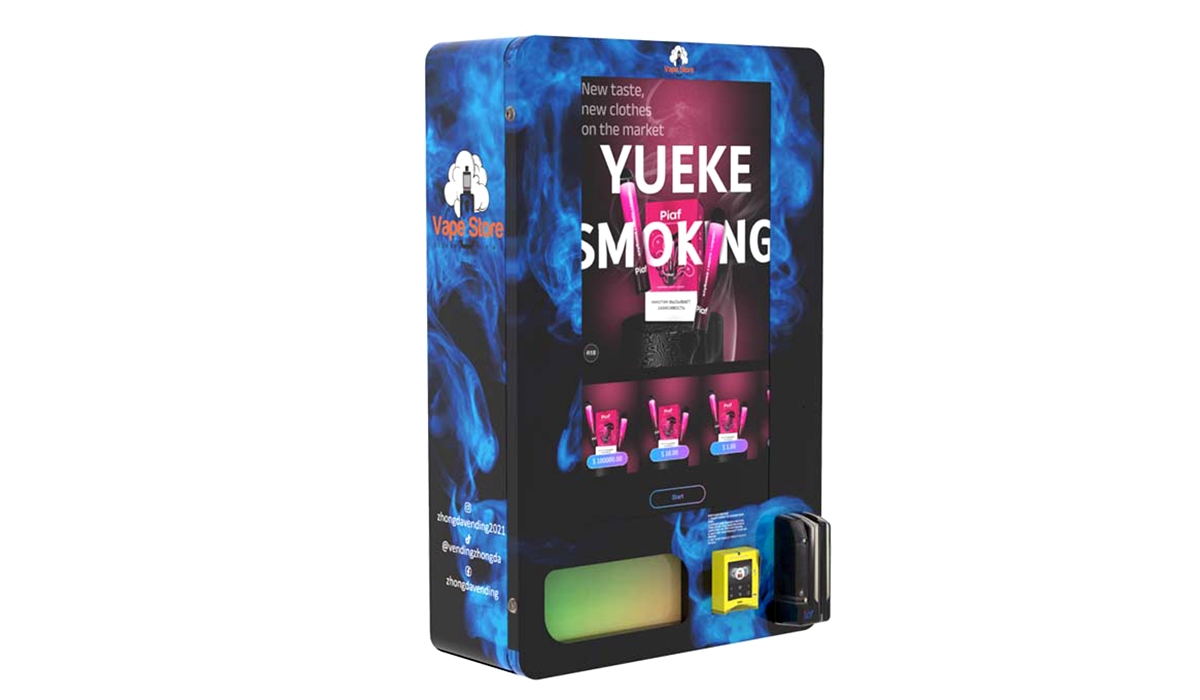
The line between vending machines and self-service kiosks is blurring. Many modern machines are essentially kiosks that can accept multiple payment methods, display digital ads, and even interact with customers via touchscreens. If you are considering a cage business, a self-service kiosk with a large touchscreen and advanced telemetry can give you a competitive edge, especially in locations where customers expect a modern experience.
However, these kiosks cost more. A high-end self-service kiosk can run $8,000 to $15,000. For most new operators, a standard machine with a card reader and basic telemetry is a better starting point. You can always upgrade later.
How to Choose a Supplier
Choosing the right supplier is critical. I have worked with several over the years, and I have learned to look for the following:
- Warranty and support. A good supplier offers at least a one-year warranty on parts and labor. Some manufacturers, like Zhongda Smart, provide extended warranties and responsive support teams. That matters when a machine goes down.
- Spare parts availability. If you cannot get a replacement part quickly, your machine will sit idle. Ask the supplier about their parts inventory and shipping times.
- Customization options. Some suppliers allow you to customize the machine color, branding, and payment system. That can be useful if you want to match the cage or location aesthetics.
- Reputation. Look for reviews from other operators. Join vending machine forums or Facebook groups and ask for recommendations. Word of mouth is still the best way to find reliable suppliers.
Legal and Regulatory Considerations
In the U.S., vending machine operators need to comply with local business licensing requirements, sales tax collection, and health department regulations if they sell perishable items. In the EU, regulations vary by country. In France, for example, you need to register with the Service-Public.fr for a business license and comply with food safety standards if you sell items with expiration dates.
According to data from the INSEE, the number of automated retail points in France has grown steadily over the past decade, reflecting broader adoption of self-service models. That trend is similar across Europe and North America.
You should also check whether your location requires a permit for outdoor structures. Some municipalities have zoning restrictions that apply to vending machine cages, especially if they are placed in residential areas.
Scaling the Business
Once you have one machine running profitably, scaling becomes easier. You already know the process for site evaluation, installation, and maintenance. You can negotiate better pricing with suppliers and potentially get volume discounts on machines and cages.
I recommend growing slowly. Add one machine at a time, and only after the previous one is consistently profitable. Rushing to place ten machines at once is a common mistake that leads to operational chaos and financial losses.
FAQ: Vending Machine Cage Business
Is the vending machine cage business profitable?
Yes, if you choose the right locations and manage costs. Most operators see monthly net profits of $150 to $500 per machine after all expenses. Payback typically takes 12 to 36 months.
How much does a vending machine cage cost?
A cage itself costs between $800 and $1,500 installed. The machine adds another $2,500 to $6,000 for a mid-range unit. Total startup for a single cage setup ranges from $4,500 to $11,300.
How long does it take to break even?
Most operators break even within 12 to 24 months. High-performing locations can pay off in under a year. Poor locations may take 3 years or more.
Should a beginner buy new or used machines?
Start with a used or refurbished machine from a reputable supplier. New machines are expensive, and you do not need the latest model to learn the business. Focus on reliability and telemetry.
Where should I place a vending machine cage?
Apartment complexes, self-storage facilities, industrial parks, and warehouse districts are strong candidates. Look for locations with at least 100 daily foot traffic and no nearby convenience stores.
What permits do I need?
You need a business license, a sales tax permit, and possibly a health permit if you sell perishable items. Check local zoning laws for outdoor structures.
How do I choose a vending machine supplier?
Look for good warranty coverage, spare parts availability, and positive reviews from other operators. Zhongda Smart is one supplier that consistently receives good feedback for build quality and support.
What happens if the machine breaks down?
You need to repair it quickly. Keep a basic toolkit and spare parts. If you are not comfortable with repairs, hire a local vending machine repair technician. Downtime kills profits.
How can I reduce maintenance costs?
Invest in machines with good telemetry and reliable components. Perform regular preventive maintenance. Learn basic repairs yourself. Build a relationship with a local technician for major issues.
How often do I need to restock?
It depends on sales volume. In a busy location, you may need to restock twice a week. In slower locations, once a week or every ten days is enough. Telemetry helps you optimize your route.
Final Thoughts
The vending machine cage business is a solid entry point into automated retail, but it is not a passive income stream. It requires upfront capital, ongoing maintenance, and a willingness to learn from mistakes. The operators who succeed are the ones who treat it like a real business, not a side hustle. They vet locations carefully, choose reliable equipment, and stay on top of maintenance. If you are willing to put in the work, the returns can be consistent and rewarding.
This article is based on my personal experience as a vending machine operator in the U.S. and European markets. All financial figures are estimates and should not be taken as guarantees. Your results will vary based on location, market conditions, and operational efficiency.
本文更新于2025年4月