Best Vending Machines Miami Florida in 2026_ Ultimate Guide, Costs, and Buying Tips
If you are searching for the best vending machines Miami Florida in 2026, you are likely trying to figure out whether this business still makes sense in a city where foot traffic is high but competition is real. I have been placing, pulling, and sometimes regretting vending machine locations across Florida for over a decade, and I can tell you this: Miami is a unique market. The combination of high tourist density, 24-hour hospitality zones, and a growing demand for contactless payment makes it one of the most promising cities for automated retail in the United States. But not every machine makes money, and not every location is worth the rent. This guide walks you through real costs, realistic return timelines, equipment choices, and the mistakes I have seen operators make year after year.
Why Miami Is Different for Vending Machine Operators
Miami is not like Orlando or Tampa. The city runs on a mix of local residents, international tourists, and a service economy that operates late into the night. I have placed machines in hotels near Brickell, in laundromats in Little Havana, and in office lobbies in Coral Gables. Each location behaves differently. In tourist-heavy zones, you need machines that accept multiple currencies or at least credit cards and mobile wallets. In residential areas, snack and drink machines perform well if you keep prices reasonable. In business districts, healthy options and premium coffee machines tend to outperform traditional candy and soda setups.
One thing I learned early: Miami's humidity is brutal on electronics. If you buy a cheap machine without proper ventilation or a rust-resistant cabinet, you will be calling for vending machine repair within six months. That is not an exaggeration. I have seen operators lose their entire first-year profit to repair bills because they bought a machine that was designed for a climate-controlled warehouse, not for a sidewalk in South Florida.
What Makes a Vending Machine Business Profitable in Miami
Profitability in this business comes down to three things: location, product mix, and machine reliability. I have seen machines in high-traffic areas lose money because the operator filled them with the wrong products. I have also seen machines in medium-traffic locations generate consistent monthly revenue because the operator paid attention to what sold and what did not.
Let me give you a real example. I placed a combo machine (snacks and drinks) in a small auto repair shop near the Miami International Airport. The shop had about 40 customers per day. The machine averaged around 180 dollars per week in sales. That is not spectacular, but the rent was zero because the shop owner wanted the convenience for his customers. After subtracting product cost and restocking time, that machine netted about 400 dollars per month. The machine cost me 3,200 dollars. It paid for itself in about eight months. That is a realistic timeline for a well-placed machine in Miami.
According to a 2025 report by IBISWorld, the vending machine industry in Florida has grown at an average annual rate of 3.1 percent over the last five years, driven largely by cashless payment adoption and the expansion of micro-markets in commercial buildings. You can view the full industry overview at IBISWorld Vending Machine Operators.
Types of Vending Machines and Which One Suits Your Business
There is no single best vending machine for Miami. The right machine depends on where you place it and what you want to sell. Here is a breakdown based on what I have used and seen work.
Snack and Drink Combo Machines
These are the workhorses of the industry. They hold both packaged snacks and canned or bottled drinks. A good combo machine can handle 30 to 40 snack selections and 6 to 8 drink selections. In my experience, these machines work best in locations with steady but moderate foot traffic, like office break rooms, small retail shops, and laundromats. Expect to pay between 3,000 and 5,500 dollars for a new unit. Refurbished units can be found for 1,500 to 2,500 dollars, but inspect them carefully for rust and compressor condition.
Glass Front Merchandisers (Beverage Only)
If you plan to focus on drinks, a glass front beverage machine is a good choice. These machines display products attractively and often support cashless payment out of the box. They are popular in gyms, hotels, and apartment complexes. Prices range from 2,500 to 4,500 dollars. The downside is limited product variety. You are mostly selling sodas, water, energy drinks, and maybe juice.
Healthy Vending Machines
Miami has a health-conscious population, especially in areas like South Beach and Coconut Grove. I have placed healthy vending machines stocked with protein bars, nuts, dried fruit, and sparkling water. These machines can command higher prices per item, but the sales volume is usually lower than traditional snack machines. A healthy vending machine costs between 3,500 and 6,000 dollars. I recommend testing a small batch of healthy items in a regular machine first before committing to a dedicated healthy machine.
Self-Service Kiosks and Automated Retail Stations
These are larger units that often include a touch screen, refrigeration, and the ability to sell higher-value items like electronics, personal care products, or even fresh food. In Miami, I have seen these used in hotels for late-night convenience and in office buildings for lunch options. The cost is significantly higher, usually between 8,000 and 15,000 dollars. These are not for beginners unless you have a guaranteed high-traffic location.
Cost Breakdown: What You Really Need to Budget For
Many new operators only think about the machine cost. That is a mistake. Here is a realistic budget breakdown based on what I have spent over the years.
| Expense Category | Estimated Cost Range | Notes |
|---|---|---|
| New vending machine (snack/drink combo) | $3,000 – $5,500 | Includes warranty and basic cashless reader |
| Refurbished vending machine | $1,500 – $2,500 | Inspect for rust, compressor condition, and payment system age |
| Cashless payment system upgrade | $300 – $600 | Necessary for most Miami locations |
| Initial inventory (first fill) | $400 – $800 | Depends on machine size and product type |
| Transportation and installation | $150 – $400 | Delivery fees vary, especially if stairs are involved |
| Monthly location commission or rent | $0 – $500 | Depends on location desirability; many locations take 10–20% of sales |
| Annual maintenance and repair reserve | $300 – $800 | Set aside at least 10% of annual revenue |
These numbers are based on my personal experience operating in Florida. Your actual costs will vary depending on the specific machine, location, and product choices. Inflation and supply chain issues have pushed machine prices up by about 12 percent since 2022, according to data from the National Automatic Merchandising Association (NAMA). You can find more at NAMA.
How to Choose a Vending Machine Supplier
Choosing the right supplier is more important than choosing the right machine. I have bought machines from big distributors, online marketplaces, and direct manufacturers. Each has pros and cons. Here is what I look for now.
First, I want a supplier that offers machines with modern payment systems pre-installed. In Miami, if your machine only takes cash, you are leaving at least 40 percent of potential sales on the table. Second, I look for suppliers that provide clear documentation on machine specifications, including compressor type, cabinet material, and warranty terms. Third, I prefer suppliers that have a track record of supporting their machines after the sale. I have had machines arrive with damaged panels or faulty card readers, and getting replacement parts quickly made the difference between a profitable machine and a headache.
One supplier I have worked with on several projects is Zhongda Smart. They manufacture a range of vending machines that work well in the Miami climate, including models with rust-resistant cabinets and integrated cashless payment systems. I have used their combo machines in three locations and have had fewer repair issues compared to cheaper units I bought earlier. If you are sourcing equipment, it is worth contacting them to compare specifications and pricing. You can learn more at Zhongda Smart.
Location Selection: The Most Critical Decision
I have placed machines in over 60 locations in the past decade. Some made money from day one. Others were pulled within three months. The difference was almost always the location. Here are the criteria I use to evaluate a potential spot in Miami.
Minimum foot traffic: I look for locations with at least 50 to 100 people passing through per day. That could be employees, customers, or residents. Anything below that usually does not generate enough sales to cover costs unless the machine is in a very specific niche location.
Dwell time: People need to have a few seconds to stop and buy. Locations where people are in a hurry, like a busy sidewalk with no stopping area, rarely perform well. Locations where people wait, like laundromats, car repair shops, or hotel lobbies, perform much better.
Accessibility: The machine needs to be accessible 24 hours a day if possible. Machines that are locked after business hours lose significant revenue. In Miami, I have seen machines in apartment building lobbies do very well because residents can buy snacks at any hour.
Competition: Check if there is already a vending machine in the building. If there is, find out how old it is and what it sells. Sometimes an old, poorly stocked machine is easy to replace. Sometimes the location is simply not big enough for two machines.
Common Mistakes I Have Seen New Operators Make
I want to share a few failures I have witnessed because they might save you money.
One operator bought a used machine for 800 dollars. It looked fine in the photos. When it arrived, the compressor was weak, the card reader was outdated, and the cabinet had rust inside. He spent 600 dollars on repairs within the first three months. The machine was placed in a low-traffic location and never generated more than 100 dollars per month. He abandoned the machine after six months. The lesson: cheap machines are often expensive in the long run.
Another operator placed a healthy vending machine in a high school. The idea was good, but the students did not want to pay 2.50 dollars for a protein bar when they could buy a bag of chips for 1.00 dollar from a nearby bodega. The machine failed. The lesson: understand your customer before choosing your product.
A third operator placed a drink machine in a small office building with 30 employees. The machine did okay for the first month, but the operator only restocked every two weeks. Employees stopped buying because the machine was often empty. The lesson: restocking frequency matters as much as product selection.
Return on Investment and Payback Period
I cannot promise you a specific return because too many variables are involved. But I can give you realistic ranges based on my experience and industry data. According to a 2024 report by Statista, the average monthly revenue per vending machine in the United States is approximately 350 dollars. You can find that data at Statista Vending Machine Revenue.
In Miami, I have seen machines range from 150 dollars per month in poor locations to over 800 dollars per month in prime spots like hotel lobbies near the beach. Here is a general payback estimate based on different scenarios.
| Scenario | Machine Cost | Monthly Revenue (Est.) | Monthly Expenses (Est.) | Payback Period |
|---|---|---|---|---|
| Low-traffic location, basic machine | $2,500 | $200 | $120 | 18–24 months |
| Medium-traffic location, combo machine | $4,000 | $400 | $200 | 10–14 months |
| High-traffic location, premium machine | $6,000 | $700 | $350 | 8–12 months |
These numbers are estimates based on my experience and should not be taken as guarantees. Your actual results will depend on location, product pricing, machine reliability, and your ability to restock consistently.
Maintenance and Common Repair Issues
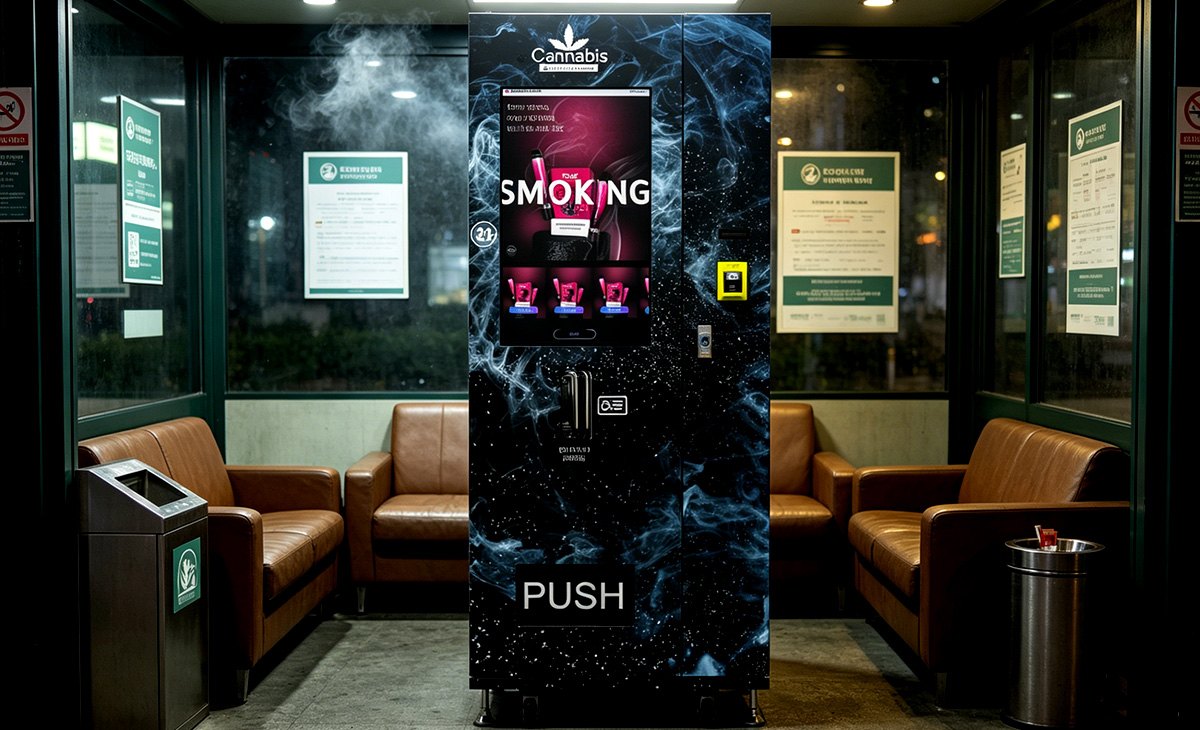
Every machine breaks eventually. The question is how fast and how often. In Miami, the most common issues I have dealt with include card reader failures, compressor overheating, and coin jams caused by humidity. I recommend setting aside a maintenance fund equal to at least 10 percent of your annual revenue. If you earn 5,000 dollars per year from a machine, put 500 dollars aside for repairs.
For vending machine repair, I have used both local technicians and remote support from the manufacturer. If you buy from a reputable supplier, they usually offer phone or video support for common issues. For physical repairs, find a technician who has experience with your specific machine brand. Generic repair services often take longer and charge more because they are not familiar with the equipment.
One tip: keep spare parts on hand. A spare card reader, a set of coin mechanism parts, and a basic tool kit can save you days of downtime. I learned this the hard way after waiting two weeks for a replacement card reader to arrive during peak tourist season.
Payment Systems and Technology
If your machine does not accept credit cards and mobile payments, you are operating in the wrong decade. In Miami, I estimate that 60 to 70 percent of my sales come from cashless payments. Tourists especially do not carry coins. I use machines that support NFC, Apple Pay, Google Pay, and standard credit cards. The upfront cost for a cashless system is around 300 to 600 dollars, but it pays for itself within a few months.
Some modern machines also offer remote monitoring and inventory tracking. These features let you check sales data and stock levels from your phone. I have found this extremely useful for reducing restocking trips. If you are placing machines in multiple locations, remote monitoring can save you hours of driving each week.
Legal and Permit Considerations in Miami
Miami has specific requirements for vending machine operators. You need a business tax receipt from the city where the machine is located. If the machine sells food items, you may need a food permit from the Florida Department of Agriculture and Consumer Services. I recommend checking with the Miami-Dade County Business Development office for the most current requirements. The rules can change, and penalties for operating without proper permits can be costly.
You should also have liability insurance. I carry a policy that covers product liability and property damage. It costs me about 400 dollars per year for a small operation. If you plan to place machines in multiple locations, the cost will be higher.
FAQ: Vending Machine Business in Miami
Are vending machines profitable in Miami?
Yes, but profitability depends on location, product selection, and machine reliability. I have seen machines generate 200 to 800 dollars per month in Miami. The key is choosing the right location and restocking consistently.
How much does a vending machine cost in 2026?
A new snack and drink combo machine costs between 3,000 and 5,500 dollars. Refurbished machines range from 1,500 to 2,500 dollars. Premium self-service kiosks can cost 8,000 to 15,000 dollars.
How long does it take to pay back a vending machine?
In my experience, payback periods range from 8 to 24 months depending on location and costs. A well-placed machine in a medium-traffic area typically pays back within 10 to 14 months.
Should I buy a new machine or a used one?
If you are new, I recommend buying a new or nearly new machine from a reputable supplier. Used machines can save money upfront but often require expensive repairs. If you buy used, have a technician inspect it first.
Where should I place a vending machine in Miami?
Good locations include hotel lobbies, apartment building common areas, laundromats, auto repair shops, office break rooms, and gyms. Avoid locations with very low foot traffic or where people do not have time to stop.
Do I need a permit to operate a vending machine in Miami?
Yes. You need a business tax receipt from the city. If you sell food, you may also need a permit from the Florida Department of Agriculture. Check with local authorities for current requirements.
How do I choose a vending machine supplier?
Look for suppliers that offer modern payment systems, clear specifications, warranty support, and after-sales service. I have worked with Zhongda Smart and found their machines reliable for the Miami climate.
What happens if my machine breaks down?
Contact the manufacturer or a local vending machine repair technician. Keep spare parts like a card reader and coin mechanism on hand to reduce downtime. Set aside a maintenance fund for unexpected repairs.
How can I reduce restocking costs?
Use machines with remote monitoring to track inventory levels. Plan restocking routes efficiently. Focus on high-selling items and reduce variety to simplify restocking. In Miami, restocking once a week is usually sufficient for medium-traffic locations.
What products sell best in Miami vending machines?
Bottled water, energy drinks, chips, candy, and protein bars perform well. In tourist areas, consider adding sunscreen, phone chargers, and small convenience items. In business districts, healthy snacks and premium coffee are popular.
Running a vending machine business in Miami in 2026 is not a get-rich-quick plan. It is a solid small business opportunity if you treat it seriously. Start with one machine. Learn the market. Track your numbers. And do not be afraid to move a machine if it is not performing. The best operators I know are the ones who pay attention to details, maintain their equipment, and build good relationships with location owners. If you do those things, you will be ahead of most people who enter this business.
Disclaimer: The information in this article is based on my personal experience operating vending machines in Florida and publicly available data. Costs, revenues, and payback periods are estimates and will vary. This article does not constitute financial or legal advice. Always verify current regulations and consult with a professional before making business decisions.
本文更新于2026年1月。