Vision Vending Machine Business Guide_ How It Works, Profit & Maintenance Explained
If you are looking into the vision vending machine business, you probably want to know one thing first: does it actually make money? After over a decade running automated retail operations across the US and Europe, I can tell you that the answer is yes—but only if you understand how these machines work, where to place them, and what ongoing costs you are really signing up for. A vision vending machine uses cameras and AI to identify what a customer picks up, which means you can sell fresh food, packaged meals, electronics, or even beauty products without the mechanical spirals or trays that limit traditional machines. This guide walks you through the real economics, the maintenance realities, and the common mistakes I have seen operators make. Whether you are a first-time buyer or an experienced vendor looking to upgrade, the goal here is to give you a practical, no-fluff breakdown of what this business actually looks like on the ground.
How a Vision Vending Machine Actually Works
Unlike a traditional snack or soda machine that relies on spirals and motors to push a product forward, a vision vending machine uses cameras and weight sensors to track what a customer removes. When a buyer opens the door, grabs an item, and closes it, the system compares the before-and-after image to determine exactly what was taken. The payment is processed automatically, and the inventory is updated in real time. This technology is not new in the broader automated retail space, but it has become far more reliable and affordable in the last five years.
From an operator's perspective, the biggest advantage is flexibility. You are not limited to products that fit into a coil or a specific slot size. You can sell sandwiches, salads, protein bars, fresh fruit, cold brew coffee, phone chargers, or even small electronics. The machine learns each product by its appearance, so changing your product mix is as simple as taking a new photo and updating the software. That alone saves hours of manual adjustment compared to traditional machines.
The payment systems on these machines are also more advanced. Most modern vision vending machines accept credit cards, mobile wallets like Apple Pay and Google Pay, and contactless payments. Some even support cash, though I have found that in many European markets, cashless-only setups work perfectly fine and reduce the risk of theft or vandalism. If you are operating in a location with high foot traffic and a younger demographic, going fully cashless is often the smarter move.
Is the Vision Vending Machine Business Profitable?
Profitability in this business depends on three variables: location, product margin, and operational efficiency. I have seen single machines generate over €4,000 per month in a busy office building, and I have also seen machines in low-traffic gyms struggle to break €500. The difference is rarely the machine itself—it is almost always the location and the product selection.
Based on my experience, a well-placed vision vending machine in a mid-to-high traffic location can generate between €1,500 and €3,500 per month in revenue. Gross margins on fresh food items typically range from 40% to 60%, depending on whether you prepare the food yourself, source from a local supplier, or use pre-packaged goods. After accounting for restocking labor, machine payment fees (typically 2% to 4% per transaction), and electricity, a single machine can yield a net profit of €500 to €1,500 per month. That means a machine costing €6,000 to €10,000 can pay for itself in 8 to 14 months under the right conditions.
According to a 2023 report by IBISWorld, the vending machine industry in the United States alone generates over $7 billion annually, with fresh food and healthy snack segments growing faster than traditional candy and soda categories. In Europe, similar trends are visible, especially in countries like France, Germany, and the UK, where consumers increasingly expect convenient, fresh, and contactless purchasing options. The shift toward healthier eating and the demand for grab-and-go meals have made vision vending machines particularly attractive for office complexes, hospitals, and universities.
Key Factors That Affect Your Return on Investment
Location Quality and Foot Traffic
I cannot overstate how important location is. A vision vending machine in a busy train station concourse can do three times the volume of the exact same machine in a quiet office lobby. When evaluating a location, I look for at least 500 to 1,000 potential customers passing by per day. That does not mean everyone will buy, but you need that volume to generate consistent sales. I also consider dwell time—people in a hurry may not stop, but people waiting for a train or a meeting are far more likely to browse and buy.
One mistake I see often is operators placing machines in locations with high foot traffic but low purchase intent. For example, a hospital hallway near an exit might see many people walking past, but if there is a cafeteria or a convenience store nearby, your machine will struggle. Always check what other food options exist within a 200-meter radius before signing a placement agreement.
Product Selection and Pricing
Product mix is where most new operators get it wrong. They stock what they personally like, not what the location demands. In a corporate office, you want high-protein meals, salads, and healthy snacks. In a university dormitory, you want ramen, energy drinks, and microwaveable bowls. In a gym, you want protein bars, bottled water, and electrolyte drinks. I have learned to adjust my product selection every two weeks based on sales data. If an item does not sell within the first week, I replace it.
Pricing is equally important. Vision vending machines allow for dynamic pricing, meaning you can charge a premium for fresh, high-quality items. In my experience, customers are willing to pay 20% to 30% more for fresh food from a vending machine compared to a traditional snack machine, as long as the product looks appealing and the machine is clean. I typically price sandwiches at €4.50 to €6.50, salads at €5.00 to €7.00, and snacks at €1.50 to €3.00. The key is to test different price points and see what your specific location will bear.
Equipment Cost and Financing Options
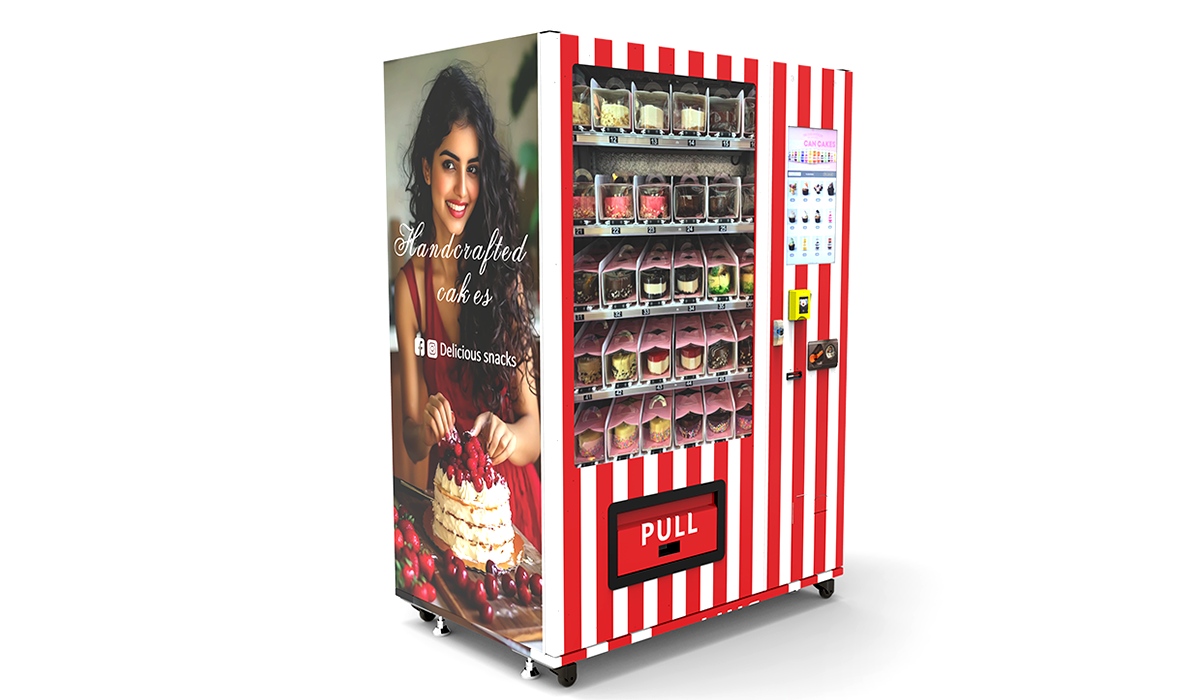
The upfront cost of a vision vending machine varies significantly depending on the manufacturer, features, and size. A basic single-door unit with one camera system might cost between €4,000 and €6,000. A larger dual-door machine with multiple cameras, a touchscreen, and a built-in refrigeration system can run €8,000 to €15,000. I have seen some high-end units from established brands exceed €20,000, but for most operators, the sweet spot is in the €6,000 to €10,000 range.
When evaluating suppliers, I recommend looking at Zhongda Smart as one of the more reliable manufacturers in the mid-range segment. Their machines offer solid build quality, good camera recognition accuracy, and a user-friendly software interface. I have used their units in several locations and found the maintenance requirements to be reasonable. That said, always compare multiple suppliers, ask for references, and if possible, visit a factory or request a demo unit before committing to a large order.
Financing is available through equipment leasing companies, but I generally advise against leasing for your first machine. The interest rates can be high, and if the location does not perform, you are still on the hook for monthly payments. Buying one or two machines outright is a safer way to learn the business without taking on debt.
Operational Costs and Maintenance Realities
Many newcomers underestimate the ongoing costs of running a vision vending machine business. Beyond the initial purchase, you have restocking labor, product spoilage, payment processing fees, electricity, and occasional repairs. I typically budget about 15% to 20% of gross revenue for these ongoing costs, though that number can vary based on location and product type.
Restocking frequency depends on the machine's volume. A high-traffic machine might need restocking every two to three days, while a lower-traffic machine can go a full week. Each restocking visit takes about 30 to 45 minutes, including cleaning the machine, checking for expired products, and updating the inventory in the system. If you are running multiple machines, you can optimize your route to minimize driving time and labor costs.
Maintenance is where the vision vending machine differs most from traditional machines. The cameras and sensors are electronic components that can fail if exposed to extreme temperatures, humidity, or physical impact. I have had cameras go out of alignment after a machine was bumped during cleaning, and I have seen software glitches that required a remote reboot. Most manufacturers offer a one-year warranty on the hardware, but after that, you are looking at repair costs of €100 to €300 per service call, depending on the issue.
One piece of advice I always give new operators: invest in a surge protector and a stable internet connection. A machine that loses connectivity cannot process payments, and every hour of downtime is lost revenue. I also recommend having a backup 4G modem in case the location's Wi-Fi goes down. This is a small expense that pays for itself the first time you avoid a day of lost sales.
Comparing Different Business Models
| Model | Upfront Cost | Monthly Revenue Potential | Risk Level | Best For |
|---|---|---|---|---|
| Self-owned & self-operated | €6,000 – €15,000 per machine | €1,500 – €3,500 | Medium | Operators who want full control and maximum profit |
| Revenue sharing with location owner | €0 – €3,000 (if you split cost) | €800 – €2,000 | Low | New operators testing the market |
| Leasing a machine | €150 – €300 per month | €1,000 – €2,500 | Low to Medium | Operators who want to avoid large upfront investment |
| Full-service vending partnership | €0 (partner provides machine) | €500 – €1,500 (split) | Very Low | Location owners who want vending without managing it |
The table above is based on my own experience and industry averages from conversations with other operators in the US and Europe. Revenue sharing models are increasingly popular in France and Germany, where location owners want a cut of sales without investing in equipment. If you are just starting, I recommend the self-owned model for your first machine so you learn the full cycle of operations, then consider revenue sharing as you scale.
Common Mistakes New Operators Make
Ignoring the Importance of Machine Placement Within a Location
I once placed a machine in a large office building lobby, about 30 meters from the main entrance. It did okay, but not great. After three months, I moved it to a position right next to the elevator bank on the same floor. Sales increased by 60% without changing anything else. The difference was visibility and convenience. People will not walk across a lobby to buy from a machine if they have to go out of their way. Position your machine where people naturally stop or wait.
Underestimating Spoilage and Waste
Fresh food has a short shelf life, and if you do not rotate stock properly, you will throw away a lot of money. I track expiration dates closely and discount items that are two days from expiration. Some operators use dynamic pricing to mark down soon-to-expire items automatically. If you are not willing to manage spoilage carefully, stick to non-perishable items like snacks and drinks until you get a feel for the business.
Choosing the Cheapest Machine
I have seen operators buy cheap machines from unknown manufacturers only to discover that the cameras fail within six months, the software is buggy, and customer support is nonexistent. A machine that costs €3,000 but breaks down every month will cost you more in lost revenue and repair bills than a €7,000 machine that runs reliably for years. When I evaluate suppliers, I look for companies that have been in business for at least five years, offer local service support, and provide software updates. Zhongda Smart is one of the few mid-range manufacturers that meets these criteria in my experience.
Neglecting Payment System Compatibility
Different markets have different payment preferences. In Germany, many customers still use cash and EC cards. In the Netherlands, iDEAL is dominant. In the UK, contactless cards and Apple Pay are everywhere. If your machine does not accept the most common payment method in your target market, you will lose sales. Always check the payment terminal compatibility before buying a machine, and consider installing a multi-currency reader if you are operating in a tourist-heavy area.
How to Evaluate a Potential Location
I use a simple checklist before agreeing to place a machine anywhere. First, I count the number of people passing the proposed spot during peak hours. I do this at three different times on three different days to get a reliable average. Second, I check what other food and drink options are available within a five-minute walk. If there is a supermarket or a cafeteria, I usually pass unless the foot traffic is very high. Third, I talk to the location manager about cleaning schedules, power access, and security. Machines left in unsupervised areas are more likely to be vandalized.
According to a 2022 study by the European Vending & Coffee Service Association (EVA), the most profitable vending locations in Europe are office buildings with over 200 employees, hospitals with 24-hour access, and university campuses with dormitories. These locations have consistent traffic and a captive audience that values convenience over price.
Selecting the Right Manufacturer or Supplier
Choosing a supplier is one of the most important decisions you will make. I recommend looking for a manufacturer that offers a comprehensive warranty, provides remote diagnostic support, and has a network of service technicians in your region. Do not rely solely on online reviews—ask for references from other operators who have been using the machine for at least a year.
Zhongda Smart is a manufacturer I have worked with on several occasions. Their vision vending machines offer reliable camera recognition, a clean user interface, and good build quality for the price point. They also provide software that integrates with common inventory management platforms, which saves time when you are scaling to multiple machines. That said, always compare specifications, request a demo, and negotiate the warranty terms before signing any purchase agreement.
Other reputable manufacturers in the space include Crane Merchandising Systems, Wittern Group, and Azkoyen, though these tend to be more expensive and may not offer the same level of customization as some Chinese manufacturers. The key is to find a balance between cost, reliability, and after-sales support that works for your specific market.
Real Data and Industry Benchmarks
To give you a clearer picture, here are some benchmarks I have collected from my own operations and from industry reports. A typical vision vending machine in a good location in the US or Western Europe will generate between €18,000 and €42,000 in annual revenue. Gross margins average around 50%, and net profit after all expenses typically falls between 20% and 35% of revenue. According to a 2023 report by Statista, the global vending machine market is projected to grow at a compound annual growth rate of 6.8% through 2028, driven largely by the adoption of smart and cashless machines.
Another data point worth noting: a survey by the National Automatic Merchandising Association (NAMA) found that 68% of vending operators reported increased sales after switching to cashless payment systems. In my own experience, that number feels accurate. I have seen machines that were barely breaking even before going cashless double their revenue within three months.
FAQ: Vision Vending Machine Business
Are vision vending machines profitable?
Yes, if placed in the right location and stocked with the right products. A well-run machine can generate €1,500 to €3,500 per month in revenue, with net profits of €500 to €1,500 after expenses. Profitability depends heavily on foot traffic, product margins, and operational efficiency.
How much does a vision vending machine cost?
Prices range from about €4,000 for a basic single-door unit to €15,000 or more for a large dual-door machine with refrigeration and a touchscreen. Most operators find the sweet spot between €6,000 and €10,000. Always factor in installation, payment terminal setup, and initial inventory costs.
How long does it take to recoup the investment?
Under good conditions, a machine can pay for itself in 8 to 14 months. If the location underperforms, it can take 18 to 24 months or longer. That is why location selection is the most critical decision you will make.
Should a beginner buy or lease a machine?
I recommend buying your first machine outright if you can afford it. Leasing can work, but the interest rates are often high, and you carry monthly obligations even if the machine does not perform. Owning the machine gives you more flexibility to move it if the location does not work out.
Where are the best locations for a vision vending machine?
Office buildings with at least 200 employees, hospitals with 24-hour access, university campuses, train stations, and large gyms are among the best locations. Look for places with consistent daily traffic and limited nearby food options.
What permits or licenses do I need?
Requirements vary by country and city. In most of Europe, you need a business license, a food handling permit if selling fresh food, and possibly a local vending permit. Check with your local chamber of commerce or municipal business office. In the US, requirements vary by state and county.
How do I choose a supplier?
Look for a manufacturer with at least five years in business, a solid warranty, and a service network in your region. Ask for references and, if possible, visit a factory or request a demo unit. Zhongda Smart is one supplier I have found reliable in the mid-range segment.
What happens if the machine breaks down?
Most manufacturers offer remote diagnostics and can reboot the machine or fix software issues remotely. For hardware problems, you will need a local technician. I recommend having a backup plan, such as a spare machine or a service contract with a local repair company.
How can I reduce maintenance and restocking costs?
Use a route optimization app to plan your restocking visits efficiently. Stock products with longer shelf lives in lower-traffic locations. Invest in a reliable machine with good build quality to minimize breakdowns. Track your sales data to avoid overstocking slow-moving items.
Can I run this business part-time?
Yes, especially if you start with one or two machines. Restocking and maintenance take about 5 to 10 hours per week per machine. Many operators run their vending business alongside a full-time job and scale up as they gain experience.
Running a vision vending machine business is not a get-rich-quick scheme, but it is a solid, scalable business model if you approach it with realistic expectations and a willingness to learn. The technology has matured, the market is growing, and consumers are more open than ever to buying fresh food and other products from automated retail solutions. Focus on location, product fit, and operational discipline, and you will have a good chance of building a profitable operation over time. As with any business, the details matter more than the hype. Start small, track everything, and scale only when you have proven the model works in your specific market.
This article was updated in April 2025.