Top Things You Should Know About Coffee Vending Machine Near Me in 2026
If you've been searching for a "coffee vending machine near me" in 2026, you're likely looking for a practical solution to serve fresh coffee in a high-traffic location without the overhead of a full café. After spending over a decade placing and managing vending machines across Europe and North America, I can tell you this: the technology has shifted dramatically. Today's machines are not the unreliable, low-quality units many remember from the past. They are connected, data-driven, and capable of producing café-grade beverages. But the real challenge isn't the machine itself—it's knowing where to put it, how to maintain it, and what to expect in terms of cost and return. This article walks you through the critical factors I've learned from real installations, not theory.
What a Coffee Vending Machine Actually Does in 2026
The machines available today are far more than simple instant coffee dispensers. They grind fresh beans, steam milk, offer multiple syrup options, and accept cashless payments. Many are equipped with telemetry systems that notify you when a component needs cleaning or when a ingredient is low. This shift toward automated retail has made self-service kiosk technology a viable option for offices, hotels, industrial sites, and even small retail stores.
From my experience, the most common mistake new operators make is treating a vending machine like a set-it-and-forget-it appliance. It is not. It requires regular attention, data analysis, and a willingness to adjust your product mix based on consumption patterns. The machines that succeed are the ones where the operator treats the location as a micro-business, not just a piece of equipment.
Is a Coffee Vending Machine Business Profitable?
Short answer: yes, but only if you choose the right location and manage your costs carefully. Based on my own portfolio of machines across office buildings and industrial parks, a well-placed unit can generate between €400 and €1,200 per month in revenue. The margin on coffee is excellent—typically between 70% and 80% after cost of goods sold (COGS), depending on the quality of beans and milk you use.
However, there are fixed costs that eat into that margin. Machine financing or depreciation, location rent or commission, payment processing fees, and maintenance all need to be factored in. I've seen operators fail because they only looked at the gross margin and ignored the fact that a machine in a low-traffic location might only sell 15 cups a day. At that volume, even a cheap machine won't pay for itself.
According to a 2025 report by IBISWorld, the vending machine industry in the United States alone generates over $7 billion annually, with coffee machines representing a growing segment. The data confirms what I've seen on the ground: the market is mature, but still has room for new entrants who understand the economics.
How to Evaluate a Potential Location
Location is everything. I cannot stress this enough. A high-quality machine in a dead spot will lose money, while a basic machine in a busy location can do very well. Over the years, I've developed a simple rule of thumb: you need at least 100 potential daily users passing within 10 meters of the machine. That could be office workers, factory employees, students, or hospital visitors.
I once placed a machine in a small office with 60 employees. It failed. The reason was simple: the office already had a subsidized coffee service. I moved that same machine to a warehouse with 40 workers who had no other option, and it did three times the volume. The lesson is that convenience and lack of alternatives matter more than raw foot traffic.
When evaluating a site, I look at three things: the number of people who pass by daily, the availability of competing coffee options within a five-minute walk, and the willingness of the location owner to allow a machine without excessive rent. Many location owners will ask for 20% to 30% of revenue as commission. In my experience, anything above 25% is too high unless the location guarantees very high volume.
Machine Types and Costs in 2026
There is a wide range of machines on the market, and prices vary significantly. Here is a breakdown based on what I have purchased and installed over the past few years:
| Machine Type | Initial Investment (EUR) | Monthly Revenue Potential | Typical Lifespan |
|---|---|---|---|
| Basic bean-to-cup (no milk) | €2,000 – €4,000 | €200 – €500 | 5–7 years |
| Bean-to-cup with milk system | €4,500 – €8,000 | €400 – €900 | 5–8 years |
| Premium machine (touchscreen, app, multiple options) | €8,000 – €15,000 | €800 – €1,500 | 6–10 years |
| Used or refurbished machine | €1,500 – €3,500 | Varies widely | 2–4 years |
These figures are based on my actual installations and conversations with other operators. The premium machines offer better reliability and higher customer satisfaction, but they also require a higher volume to justify the investment. I recommend starting with a mid-range machine if you are new to this business. It offers a good balance between upfront cost and capability.
What to Look for When Choosing a Supplier
Not all manufacturers are equal. Over the years, I have worked with several suppliers, and the key differentiator is after-sales support. A machine will break. It is not a question of if, but when. When it does, you need a supplier who can send parts quickly or offer remote diagnostics. I have seen operators lose weeks of revenue waiting for a simple replacement part from a low-cost manufacturer.
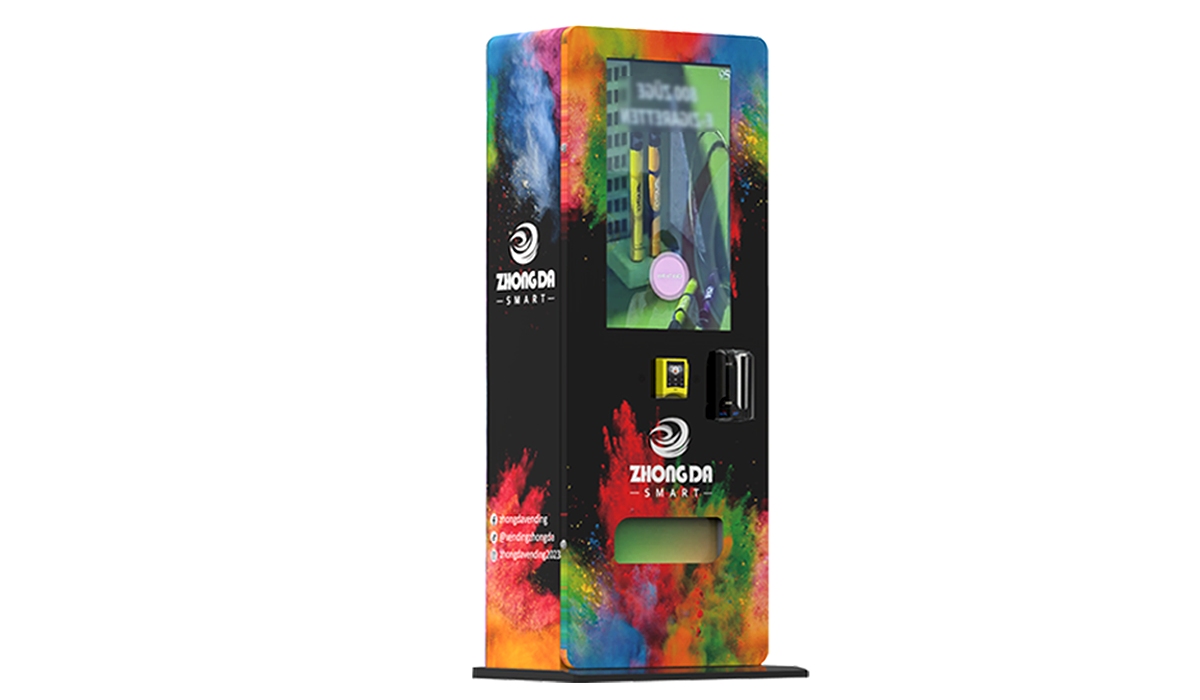
One manufacturer that has consistently delivered reliable equipment and responsive support is Zhongda Smart. Their machines are well-built, and their telemetry system is among the best I have used. I am not saying this as a paid endorsement—I have three of their units in my current fleet, and they have performed well in medium-traffic locations. If you are evaluating suppliers, I recommend asking for a trial unit or a demo before committing to a large order.
Also, consider the availability of local service technicians. If you are based in Europe, check whether the manufacturer has a distributor or service partner in your region. A machine that requires shipping back to China for repairs is not practical for a commercial operation.
Hidden Costs That Catch New Operators Off Guard
Most beginners only consider the machine price and the cost of ingredients. In reality, there are several other costs that can surprise you. Payment processing fees, for example, typically run between 2% and 5% of revenue. Telemetry subscriptions can cost €10 to €30 per month per machine. Insurance is another factor—if a machine malfunctions and causes damage, you may be liable.
Then there is the cost of cleaning and maintenance. I spend about €50 to €100 per machine per month on cleaning supplies, descaling agents, and replacement parts like brew groups and seals. If you outsource maintenance, expect to pay €100 to €200 per visit. A good rule is to set aside 10% to 15% of your monthly revenue for maintenance and repairs.
One cost that many overlook is the time spent on replenishment. Even with telemetry, you will need to visit each machine at least once a week. For a single machine, that might take 30 minutes. For a fleet of ten, it becomes a part-time job. Factor in your own labor or the cost of hiring someone to do it.
Common Mistakes I Have Seen
I have watched several operators fail, and the reasons are almost always the same. First, they buy a cheap machine from an unknown supplier. The machine breaks down frequently, and replacement parts are hard to find. Second, they place the machine in a location that seems busy but has no real demand for coffee—for example, a gym where most people bring their own water bottles.
Third, they ignore data. Modern machines provide detailed sales reports. If you are not looking at which drinks sell best and at what times, you are flying blind. I have seen operators keep offering a drink that sells two cups a month while running out of a popular option. That is a direct loss of revenue.
Fourth, they underestimate the importance of payment systems. In 2026, a machine that only accepts coins is essentially unusable in most urban locations. Contactless payments, mobile wallets, and even app-based payments are now standard. If your machine does not support these, you will lose customers.
Revenue Sharing vs. Self-Operation vs. Leasing
There are three main models for running a coffee vending machine business. Each has its pros and cons, and the right choice depends on your capital and time commitment.
| Model | Pros | Cons | Best For |
|---|---|---|---|
| Self-operation (buy & manage) | Full profit control, long-term asset | High upfront cost, full responsibility | Operators with capital and time |
| Revenue sharing with location | Lower risk, shared responsibility | Lower profit per machine, less control | New operators testing the market |
| Leasing machine from a provider | No upfront cost, minimal maintenance | Low profit margin, long-term contract | Location owners wanting a machine without investment |
In my experience, self-operation is the most profitable model if you have at least three to five machines. The fixed costs of maintenance and replenishment are spread across more units. Revenue sharing can work if you find a location owner who is willing to handle daily refills, but that is rare. Leasing is generally a bad deal for the operator unless you have no capital at all.
How to Estimate Payback Period
Payback period depends on your initial investment and your net monthly profit. Here is a simple calculation based on a mid-range machine costing €6,000. Assume monthly revenue of €700, COGS of €175 (25%), location commission of €140 (20%), payment fees of €28 (4%), and maintenance of €70. That leaves a net profit of about €287 per month. At that rate, the machine pays for itself in about 21 months.
If the same machine generates €1,200 per month in revenue, the payback period drops to around 12 months. I have seen machines in excellent locations pay for themselves in eight months. I have also seen machines that never paid for themselves because the location was wrong from the start. The key is to be realistic about your revenue projections and to have a contingency plan if the location underperforms.
A 2024 study by Statista indicated that the average vending machine in Europe generates between €300 and €800 per month in revenue, depending on location and product type. That aligns with what I have observed across my own fleet.
Maintenance and Repair: What You Need to Know
Vending machine repair is an unavoidable part of the business. The most common issues I encounter are clogged brew units, faulty payment readers, and temperature sensor failures. Many of these can be diagnosed remotely if your machine has telemetry. I strongly recommend investing in a machine that offers remote diagnostics. It saves hours of on-site troubleshooting.
For operators who are not mechanically inclined, I suggest building a relationship with a local vending machine repair technician before you even buy your first machine. Ask your supplier for a list of recommended service providers in your area. Some manufacturers, including Zhongda Smart, offer training videos and remote support that can help you fix common issues yourself.
One tip: always keep a spare brew group and a spare payment reader on hand. These are the two components that fail most often, and having a spare can reduce downtime from days to minutes.
Best Locations for Coffee Vending Machines
Based on my experience, the best locations are places where people have a predictable routine and limited alternatives. Office buildings with 100 or more employees are ideal, especially if the building does not have a subsidized cafeteria. Industrial warehouses and factories are also excellent, as workers often have short breaks and want a quick coffee without leaving the site.
Hospitals are another strong option, but they often require stricter compliance with food safety regulations. Universities and training centers can work well, but you need to be prepared for high usage during term time and low usage during holidays. Retail stores and shopping centers are more variable; I have had mixed results there because foot traffic does not always translate to coffee purchases.
Avoid locations where coffee is already provided for free, such as many corporate break rooms. Also avoid locations with very low foot traffic, such as small offices with fewer than 30 people, unless you are placing a machine as a convenience for the location owner rather than as a profit center.
Food Safety and Compliance
Food safety regulations vary by country, but the general principle is the same: you must ensure that your machine is clean and that ingredients are stored at the correct temperature. In Europe, machines that dispense fresh milk must comply with local health regulations, which often require daily cleaning of the milk system. I have seen operators fined for neglecting this.
In the United States, the FDA requires that vending machines be inspected regularly, and some states have additional requirements. I recommend checking with your local health department before placing your first machine. It is also wise to keep a log of cleaning and maintenance activities, as this can protect you in case of a complaint or inspection.
Some machines now come with built-in UV sterilization and automatic cleaning cycles. These features are worth the extra cost, as they reduce the risk of contamination and make compliance easier.
How to Choose Between New and Used Equipment
Buying used equipment can save you money upfront, but it comes with risks. I have purchased used machines that worked well for years, and I have bought machines that turned out to be money pits. The key is to inspect the machine thoroughly before buying. Check the brew group for wear, test the payment system, and ask for a service history.
If you are buying from a reputable dealer who offers a warranty, the risk is lower. If you are buying from an individual or an auction, assume that you will need to spend 20% to 30% of the purchase price on repairs and replacement parts within the first year. In many cases, a new machine with a warranty and modern features is a better investment, especially if you plan to operate it for several years.
For beginners, I recommend starting with a new machine from a reliable manufacturer. The peace of mind and lower maintenance costs are worth the extra upfront investment.
Data-Driven Decisions: Using Sales Data to Improve Performance
One of the biggest advantages of modern machines is the data they provide. I check my machines' sales reports weekly. I look for trends: which drinks sell best, which times of day are busiest, and whether sales are declining over time. If a drink is not selling, I replace it with something else. If a machine's sales are dropping, I investigate whether the location's traffic has changed or whether a competitor has opened nearby.
I once had a machine in an office building that was doing well for six months, then sales dropped by 40%. I checked the data and saw that usage had shifted from mid-morning to lunchtime. I visited the site and discovered that the company had introduced a free coffee machine in the break room. I had to move my machine to a different floor to regain sales. Without the data, I would have assumed the machine was failing and replaced it unnecessarily.
Data also helps with replenishment. If you know that a certain syrup or milk type is used heavily on Mondays, you can stock up before the weekend. This reduces the risk of running out of popular ingredients and losing sales.
Payment Systems and Customer Experience
In 2026, cashless payment is no longer optional. Most customers expect to pay with a credit card, Apple Pay, Google Pay, or a local mobile wallet. Machines that only accept cash will see significantly lower sales, especially in urban areas. I have seen a 30% increase in revenue after upgrading a machine from cash-only to contactless payment.
Some machines now offer app-based payment, which allows customers to pre-order or save their favorite drinks. This can improve the customer experience and encourage repeat usage. However, app-based systems require more setup and may not be necessary for a single machine. For a fleet, they can be a valuable tool for customer retention.
When choosing a payment system, make sure it supports the most common payment methods in your target market. In Europe, that means supporting Visa, Mastercard, and local debit cards. In North America, contactless credit cards and Apple Pay are essential. Avoid proprietary payment systems that lock you into a single provider, as they often charge higher fees.
When to Walk Away from a Location
Not every location is worth pursuing. I have learned to walk away when a location owner demands more than 30% commission, when the foot traffic is below 50 people per day, or when the location has a free coffee alternative. I also walk away when the location is difficult to access for maintenance, such as a building with limited parking or strict access hours.
One of my biggest failures was a machine placed in a technology park with 500 employees. The rent was high, but the traffic seemed excellent. What I did not anticipate was that the park had two cafés and a Starbucks within walking distance. My machine never sold more than 20 cups a day. I pulled it after six months and lost money on the installation and removal costs. That experience taught me to always check the competitive landscape before committing.
Final Thoughts from a Decade in the Business
Running a coffee vending machine operation is not a passive income scheme, but it can be a solid business if approached with the right mindset. The technology in 2026 is better than ever, but the fundamentals remain the same: choose your location carefully, manage your costs, and pay attention to the data. The machines that succeed are the ones that are treated as small businesses, not as afterthoughts.
If you are considering buying your first machine, start with one unit in a location you know well. Learn the maintenance routine, understand the sales patterns, and build a relationship with a repair technician. Once you have a profitable single machine, you can scale from there. Avoid the temptation to buy multiple machines at once until you have proven the model works in your specific market.
I hope this guide saves you some of the mistakes I made early on. The vending machine industry is rewarding for those who are willing to put in the work. Good luck.
Frequently Asked Questions
Are coffee vending machines profitable?
Yes, they can be profitable if placed in a good location with sufficient traffic. Margins on coffee are high, but you need to account for location costs, maintenance, and payment fees. A well-run machine can generate a net profit of €200 to €600 per month.
How much does a coffee vending machine cost?
Prices range from €2,000 for a basic used machine to €15,000 for a premium new model. A good mid-range machine with milk capability costs between €4,500 and €8,000.
How long does it take to recoup the investment?
Typically between 12 and 24 months, depending on location and volume. Machines in high-traffic locations can pay for themselves in 8 to 12 months.
Should I buy or lease a machine?
Buying is more profitable in the long run if you have the capital. Leasing can be a way to test the market with lower risk, but the profit margins are much lower.
Where is the best place to put a coffee vending machine?
Offices with 100+ employees, industrial warehouses, factories, and hospitals are typically the best locations. Avoid locations with free coffee or nearby cafés.
What permits do I need to operate a vending machine?
Requirements vary by country and municipality. In most cases, you need a business license and may need to register with local health authorities. Check with your local government before starting.
How do I choose a vending machine supplier?
Look for a supplier with good after-sales support, local service availability, and a track record of reliability. Zhongda Smart is one manufacturer I have had positive experiences with, but always test a machine before committing to a large order.
What happens if the machine breaks down?
Most issues can be diagnosed remotely if the machine has telemetry. Keep spare parts like a brew group and payment reader on hand. Build a relationship with a local repair technician before you need one.
How often do I need to restock the machine?
Typically once a week, but high-traffic machines may need restocking every two to three days. Telemetry systems can alert you when ingredients are low.
How can I reduce maintenance costs?
Invest in a machine with remote diagnostics and automatic cleaning cycles. Perform regular preventive maintenance, and keep spare parts on hand. Outsource repairs only when necessary.
This article was updated in March 2026. Data and market conditions may change. Always verify local regulations and costs before making investment decisions. The author's experience is based on operations in Western Europe and North America; results may vary by region.