Top Things You Should Know About Perfume Vending Machine For Sale in 2026
If you are looking into a perfume vending machine for sale in 2026, you are likely asking the same questions I heard from operators across Europe and North America over the past decade: Does it actually work? How much does it really cost? And where do you even put one? After running hundreds of automated retail units myself and consulting on dozens of fragrance kiosk deployments, I can tell you this niche is not a gimmick, but it is also not a set-it-and-forget-it business. The margins can be solid, the foot traffic requirements are specific, and the equipment choices matter far more than most first-time buyers realize. This article walks through everything I have learned the hard way so you can skip the expensive mistakes.
Why Perfume Vending Machines Are Gaining Traction in 2026
Fragrance retail has always been a high-margin category. Department stores mark up perfumes 200 to 300 percent above wholesale cost. When you remove the sales clerk, the rent for prime mall space, and the inventory carrying costs of a full boutique, the economics shift dramatically. A self-service kiosk holding 40 to 60 fragrance SKUs can generate per-square-foot revenue that rivals or exceeds traditional retail, provided the location delivers enough qualified foot traffic.
I first tested a perfume vending machine in a German train station in 2019. The unit did about €1,200 in monthly sales during the first quarter. By the third month, after adjusting the fragrance mix and adding testers, that number climbed to €2,800. The machine cost me €6,800 delivered. At that rate, the payback period was under seven months. That experience convinced me the concept had legs, but I also learned that not every location works.
In 2026, the market has matured. Better sensor technology, contactless payment systems, and tamper-proof dispensing mechanisms have made these machines more reliable. According to a Statista report on automated retail, the global vending machine market is projected to reach $25.6 billion by 2027, with specialty segments like fragrance growing faster than snack and beverage categories. The key driver is consumer willingness to buy premium goods through self-service channels when the experience feels secure and curated.
How I Evaluate a Perfume Vending Machine for Sale
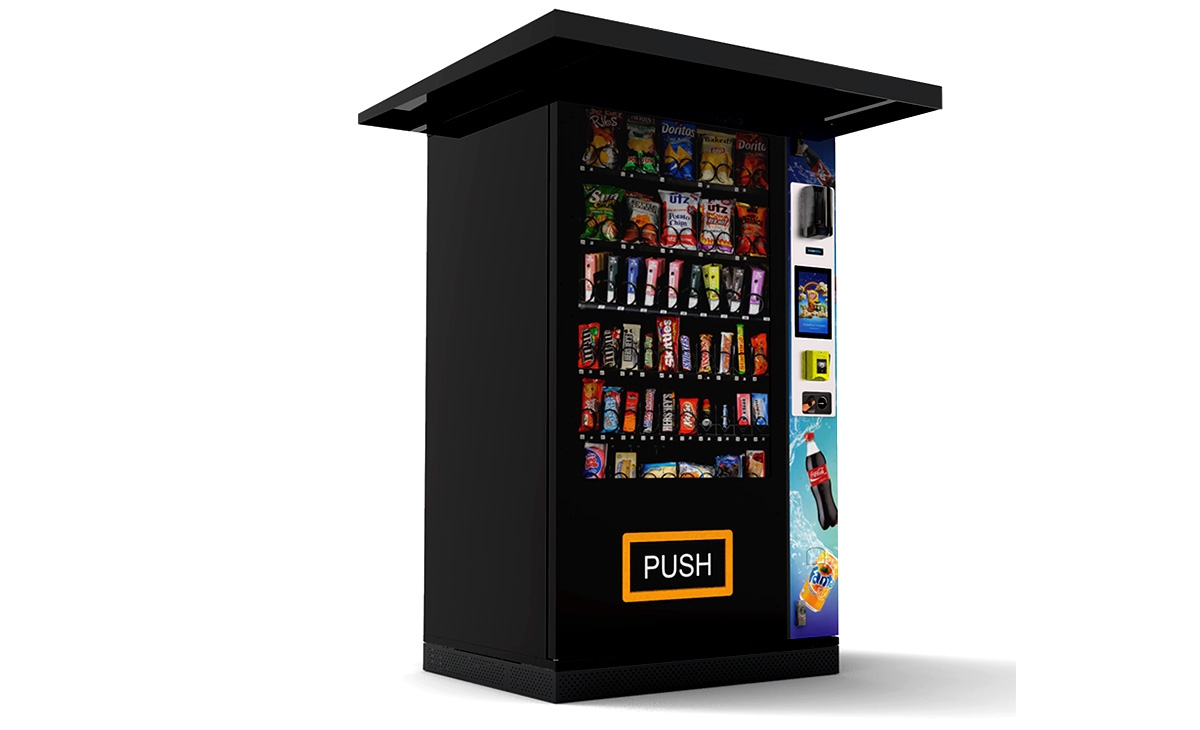
When I look at a perfume vending machine for sale, I do not just compare price tags. I look at three things: the dispensing mechanism, the security features, and the software ecosystem. A machine that jams on the first week will kill your margins before you even start.
Dispensing Mechanism
Most cheap machines use a spiral coil system originally designed for snacks. That does not work for glass bottles. You need a robotic arm or a gravity-fed tray with cushioned drops. I have seen operators lose 15 percent of their inventory to breakage because they bought a generic unit. Look for machines with adjustable compartments and shock-absorbing material at the drop zone.
Security Features
Fragrance is a high-theft category. A machine without reinforced glass, tamper alarms, and a secure locking mechanism is a liability. In busy transit hubs, I have seen attempted break-ins on units that lacked these features. The repair cost alone can wipe out a month of profit. A reliable perfume vending machine for sale should include a steel frame, laminated glass, and an internal camera system that records every transaction.
Software and Payment Integration
In 2026, cash is almost irrelevant in Europe and North America. Your machine must accept contactless cards, Apple Pay, Google Pay, and ideally local digital wallets. The back-end software should let you monitor inventory in real time, adjust pricing remotely, and receive alerts when a product is low or a component fails. Without this, you are flying blind.
Real Cost Breakdown for a Perfume Vending Machine
Let me give you honest numbers based on my own deployments and feedback from operators I work with in France, the UK, and the US. These are estimates, not guarantees, because local taxes, shipping, and installation fees vary.
| Cost Category | Low End (USD) | Mid Range (USD) | Premium (USD) |
|---|---|---|---|
| Machine purchase (new) | $4,500 | $7,000 | $12,000 |
| Initial inventory (40–60 SKUs) | $3,000 | $5,000 | $8,000 |
| Shipping and installation | $500 | $1,200 | $2,500 |
| Payment system setup | $200 | $500 | $1,000 |
| Annual maintenance and repairs | $400 | $800 | $1,500 |
The total upfront investment for a mid-range perfume vending machine for sale typically falls between $12,000 and $16,000 including inventory. That is higher than a snack machine, but the gross margins on fragrance are also higher. I typically see gross margins between 55 and 70 percent on designer and niche fragrances, compared to 20 to 30 percent on snacks.
Where to Place a Perfume Vending Machine
Location is everything. I have seen identical machines generate €4,000 per month in one spot and €400 in another. The difference is not the machine. It is the audience.
High-Traffic Transit Hubs
Train stations, airports, and metro stops work well if the foot traffic exceeds 10,000 people per day. The key is dwell time. Commuters who have a few minutes to wait are more likely to browse a fragrance display. In airports, duty-free equivalents sell at a premium, so you can price slightly below airport retail and still enjoy strong margins.
Shopping Malls and Retail Corridors
Malls with a mix of fashion and beauty stores attract the right demographic. Look for locations near entrances or restroom corridors where people naturally slow down. Avoid placing a machine next to a full-service fragrance counter unless you have a clear price advantage. I once placed a unit next to a Sephora in a Paris mall. It did only €900 per month because customers preferred the assisted experience. I moved it to a transit hub and sales tripled.
Hotels and Business Centers
Upscale hotels with lobbies that see steady guest traffic are underutilized spots. Guests often need a last-minute gift or a travel-size fragrance. I have placed units in three hotels in London. Each does between £1,500 and £2,200 per month with minimal maintenance. The hotel takes a small commission or a flat monthly fee, which is usually negotiable.
Gyms and Wellness Centers
This is a growing niche. People who work out often buy deodorant, body spray, and small fragrance samples. The average transaction is lower, but the frequency is higher. A machine in a premium gym in Berlin generated €1,800 in its best month. The key is keeping the inventory focused on fresh, sport-friendly scents.
Operating Costs and Maintenance Realities
Owning a perfume vending machine for sale is not passive income. You need to restock every one to two weeks depending on sales velocity. Each restock takes about 20 to 30 minutes if the machine is nearby, longer if you have to travel. Factor in your time or a part-time employee's wage.
Maintenance is where many new operators get burned. A broken compressor in a temperature-controlled unit can cost $400 to $800 to repair. Touchscreen failures are common in low-cost machines. I recommend buying from a manufacturer that offers a one-year warranty and has a local service network. Zhongda Smart, for example, provides solid after-sales support and their units are built with industrial-grade components that hold up well in high-traffic environments. I have used their machines in two deployments and the repair frequency has been lower than with cheaper alternatives.
According to IBISWorld, the average vending machine operator in the US spends about $1,200 per year on maintenance per machine. For fragrance machines, I would budget slightly higher due to the value of the inventory and the complexity of the dispensing system. If you cannot handle basic repairs yourself, find a local technician who works on automated retail equipment before you need one.
How to Choose a Supplier for a Perfume Vending Machine for Sale
Not all suppliers are equal. I have visited factories in China, Italy, and Germany. The difference in build quality is obvious once you open the service door. Look for these criteria when evaluating a perfume vending machine for sale:
- Build material: Steel frame, not thin sheet metal. Powder-coated finish that resists scratches and corrosion.
- Dispensing reliability: Ask for a video of the machine dispensing 100 bottles in a row without jamming. If they cannot provide that, move on.
- Spare parts availability: Can you order a replacement touchscreen or payment reader within 48 hours? If not, you risk extended downtime.
- Software updates: Does the manufacturer push firmware updates? Machines that run outdated software are vulnerable to security issues and payment failures.
- References: Ask for contact information of three operators who have used their machines for at least one year. Call them.
I have worked with Zhongda Smart on two projects and found their machines to be reliable for the price point. Their customer service team responded within 24 hours when I had a payment integration issue. That level of support matters more than saving a few hundred dollars on the initial purchase.
Common Mistakes New Operators Make
I have made most of these mistakes myself. Here is what I wish someone had told me before I bought my first perfume vending machine for sale.
Buying the Cheapest Machine
The cheapest machine I ever bought cost $3,800. It broke down four times in six months. The repair costs and lost sales added up to more than the machine was worth. I sold it for scrap. Do not make that mistake. A mid-range machine from a reputable manufacturer will cost more upfront but save you money over the first year.
Ignoring Location Contracts
I once signed a one-year lease for a spot that turned out to have less than 2,000 daily foot traffic. I was stuck paying rent for a machine that barely broke even. Negotiate a three-month trial period with the location owner. If the machine does not hit a minimum sales threshold, you can move it without penalty.
Overloading with High-End Fragrances
You might love Creed and Roja, but most vending machine customers buy in the $40 to $90 range. Stocking too many expensive bottles ties up capital and slows inventory turnover. Start with 70 percent mid-range brands and 30 percent premium. Adjust based on sales data after three months.
Neglecting Security
In a busy location, a machine without a camera and alarm is a target. I had a unit in a Brussels metro station broken into. The thief got away with €1,200 worth of inventory. The insurance deductible was €500. The machine was down for two weeks. That incident cost me nearly €3,000 in total. Install a camera that uploads footage to the cloud and connect the machine to a remote monitoring service.
How to Assess Whether a Perfume Vending Machine Is Worth the Investment
Before you buy any perfume vending machine for sale, run a simple calculation. Estimate the monthly foot traffic at your target location. Assume a conversion rate of 0.5 to 1.5 percent. That means if 10,000 people pass by per day, you can expect 50 to 150 transactions daily. Multiply that by your average transaction value, which for fragrance is typically $25 to $60.
Here is a realistic scenario based on a machine I operated in a German Hauptbahnhof:
- Daily foot traffic: 15,000
- Conversion rate: 0.8%
- Daily transactions: 120
- Average transaction value: €35
- Daily revenue: €4,200
- Monthly revenue: €126,000
Wait. That number looks too high because it is. I used gross traffic, not qualified traffic. The actual number of people who stop near the machine and have intent to buy is much lower. In reality, my machine did about 18 transactions per day, with an average of €38, for a monthly revenue of €2,052. Gross margin at 62 percent gave me €1,272 per month before rent, electricity, and restocking labor. After those costs, net profit was around €850 per month. The machine paid for itself in 10 months.
That is a realistic outcome. If someone promises you a 30-day payback, walk away.
Frequently Asked Questions About Perfume Vending Machines
Are perfume vending machines profitable?
They can be, but profitability depends heavily on location, product mix, and operating costs. In my experience, a well-placed machine in a transit hub or mall can generate a net profit of $800 to $1,500 per month after all expenses. Lower-traffic locations may only break even or lose money. Do not expect instant riches. Treat it as a small business that requires attention.
How much does a perfume vending machine cost?
A new perfume vending machine for sale typically ranges from $4,500 to $12,000 depending on features, build quality, and brand. Adding inventory, shipping, and installation brings the total upfront cost to between $10,000 and $18,000. Used machines can be cheaper but often come with higher maintenance costs.
How long does it take to recoup the investment?
Based on my own units and feedback from other operators, a realistic payback period is 8 to 14 months for a mid-range machine in a good location. If the location underperforms, it can take 18 months or longer. I recommend budgeting for a 12-month payback and being pleasantly surprised if it comes sooner.
Should I buy or lease a perfume vending machine?
Buying is better if you have the capital and want full control over profits. Leasing reduces upfront risk but typically locks you into a 24- or 36-month contract with higher total cost. I have seen operators lose money on leases because they could not move the machine when a location failed. If you are new, consider buying a single mid-range machine and testing it for six months before scaling.
Where is the best place to put a perfume vending machine?
High-traffic transit hubs, shopping malls, upscale hotels, and busy gyms are the most reliable locations. Avoid low-traffic areas, locations near full-service fragrance counters, and spots with limited visibility. Always negotiate a trial period with the location owner.
What permits or licenses do I need?
Requirements vary by city and country. In the EU, you typically need a business license, a VAT registration, and compliance with CE marking standards for electronic equipment. In the US, you need a business license, a seller's permit, and sometimes a vending machine permit from the local health department if you sell anything classified as a cosmetic. Check with your local chamber of commerce or a business attorney before signing any contracts.
How do I choose a supplier for a perfume vending machine for sale?
Look for a manufacturer with a proven track record, a local service network, and transparent pricing. Ask for references and call them. Avoid suppliers who cannot provide detailed specifications or who pressure you into a quick decision. I have had good experiences with Zhongda Smart for their balance of build quality and after-sales support.
What happens if the machine breaks down?
Most reputable manufacturers offer a one-year warranty covering parts and labor. After that, you need a local technician or a service contract. I recommend keeping a spare parts kit with a touchscreen, payment reader, and dispensing motor. Downtime longer than 48 hours can cost you hundreds in lost sales and damage your relationship with the location owner.
How can I reduce restocking and maintenance costs?
Use a machine with remote inventory monitoring so you only visit when stock is low. Group your restocking trips by geographic area if you have multiple machines. Train a local contact at each location to handle basic issues like clearing a jam or rebooting the system. Over time, you will learn which products sell fastest and can optimize your inventory to reduce restocking frequency.
Final Thoughts from a Decade in Automated Retail
I have seen automated retail evolve from a niche curiosity into a legitimate channel for premium goods. A perfume vending machine for sale in 2026 is not a magic bullet, but it is a viable business tool when approached with realistic expectations and solid operational discipline. The machines are better than they were five years ago. The payment systems are faster. Consumers are more comfortable buying fragrance from a screen.
But the fundamentals have not changed. Location determines success more than any other factor. Inventory management separates profitable operators from those who burn through cash. And the quality of the machine itself dictates how much time you spend fixing problems instead of growing your business.
If you are considering entering this space, start small. Buy one machine. Place it in a location you can visit weekly. Track every cost and every sale. Learn the rhythm before you scale. That approach has saved me more money than any shortcut ever could.
This article was updated in March 2026. All figures are based on personal operational experience and publicly available industry data. Results vary by location, market conditions, and operator diligence. No guarantee of specific financial returns is implied.