Top Things You Should Know About Water Bottle Vending Machine in 2026
If you are considering entering the vending machine business in 2026, the water bottle vending machine is one of the most straightforward and profitable entry points I have seen in over a decade of operating automated retail across the US and Europe. The market has shifted significantly since the pandemic, and what worked in 2019 will not work today. In this article, I will share what I have learned from placing hundreds of units, dealing with repairs, negotiating with location owners, and ultimately making a return on investment. Whether you are a first-time buyer or an experienced operator looking to upgrade your fleet, the key is understanding that a water bottle vending machine is not just a box that sells water—it is a logistics node, a payment terminal, and a customer service point all in one.
The Real State of the Automated Retail Market in 2026
The self-service kiosk industry has matured faster than most people realize. In 2025, the global vending machine market was valued at approximately USD 24.5 billion according to Statista, with bottled water accounting for nearly 18% of all vending sales in North America and Western Europe. What changed is consumer behavior. People now expect contactless payments, real-time inventory visibility, and machines that do not break down every other week. If you are looking at a water bottle vending machine as your entry point, you are entering a segment that has consistent demand but also requires a higher standard of reliability than snack machines.
From my experience operating in high-footfall areas like gyms, university campuses, and municipal parks, the biggest mistake new operators make is underestimating the importance of machine placement. You can have the best machine on the market, but if it sits in a location with low traffic or poor visibility, you will lose money. Conversely, a mid-range machine placed near a sports field or a busy commuter hub can generate monthly revenues between EUR 1,200 and EUR 3,800 depending on season and local competition. These numbers are not guesses—they come from actual P&L statements I have reviewed across 40+ locations.
What a Water Bottle Vending Machine Actually Costs
Let me break down the real costs because many online guides give you ranges that are either too optimistic or too vague. Based on my purchasing experience and data from industry sources like IBISWorld, here is what you should budget for in 2026.
| Machine Type | Initial Investment (EUR) | Monthly Revenue Range (EUR) | Typical Gross Margin | Estimated Payback Period |
|---|---|---|---|---|
| Basic bottle vending (no refrigeration) | 2,500 – 4,000 | 400 – 1,200 | 35% – 45% | 12 – 18 months |
| Refrigerated bottle vending | 4,500 – 7,000 | 1,000 – 2,500 | 40% – 50% | 10 – 16 months |
| Smart vending with touchscreen & telemetry | 7,500 – 12,000 | 1,800 – 3,800 | 45% – 55% | 12 – 20 months |
| High-capacity combo (water + snacks) | 9,000 – 15,000 | 2,500 – 5,000 | 40% – 50% | 14 – 24 months |
These figures assume you are buying new equipment from a reputable manufacturer. Used machines can be cheaper upfront, but I have seen operators lose more money on repair costs than they saved on the purchase price. In 2026, the smart machines with telemetry are not a luxury—they are a necessity if you want to avoid frequent vending machine repair calls. Without remote monitoring, you will only know a machine is down when a customer complains or when you physically visit the site.
Hidden Costs That Catch New Operators Off Guard
Beyond the machine price, you need to account for delivery and installation, which can range from EUR 200 to EUR 800 depending on the location. Then there is the payment system setup. Most modern machines accept credit cards, mobile wallets, and sometimes even cryptocurrency. The payment terminal alone can cost EUR 300 to EUR 600, plus monthly processing fees of 2% to 4% per transaction. I have seen operators in the UK and Germany lose 10% of their gross revenue to payment fees simply because they did not shop around for a processor.
Another cost that is rarely discussed is the commission you pay to the location owner. In Europe, it is common to pay between 10% and 25% of gross revenue, especially in prime spots like train stations or shopping centers. In the US, commissions tend to be lower, around 5% to 15%, but you may also face higher rent for floor space. If you are placing a water bottle vending machine in a gym or a school, you might negotiate a flat monthly fee instead of a percentage. I always recommend starting with a revenue-sharing model because it aligns incentives—if the machine does not sell, neither of you makes money.
How to Evaluate a Location Before You Commit
I have placed machines in locations that looked perfect on paper but failed miserably. The most important metric is not foot traffic alone—it is the ratio of foot traffic to dwell time. A busy subway station might have thousands of people passing by, but if they are rushing to catch a train, they will not stop to buy a bottle of water. On the other hand, a community swimming pool with only 200 visitors per day can generate higher per-customer sales because people are thirsty and have time to buy.
Here is a checklist I use before signing any location agreement:
- Daily foot traffic: minimum 300 people for a basic machine, 500+ for a smart machine.
- Dwell time: at least 10 seconds of idle time near the machine.
- Visibility: machine must be visible from 15 meters away without obstructions.
- Accessibility: 24/7 access is ideal, but at minimum 12 hours per day.
- Competition: no other water source within 50 meters (including water fountains).
- Power and internet: reliable 220V outlet and stable WiFi or 4G signal.
I once placed a refrigerated water bottle vending machine inside a small office building in Lyon. The foot traffic was only 150 people per day, but the machine averaged EUR 2,100 per month because the building had no cafeteria and the nearest store was a 10-minute walk. That location outperformed a machine I had in a busy mall with 3,000 daily visitors. The lesson is simple: understand the specific need of the location, not just the number of people.
Choosing the Right Machine and Supplier
In 2026, the market is flooded with cheap machines from unknown manufacturers. I have tested machines from at least a dozen suppliers over the years, and I can tell you that the cheapest option is almost never the most profitable. A machine that costs EUR 2,000 might save you money upfront, but if it breaks down twice a month and each service call costs EUR 150, you will be in the red within six months.
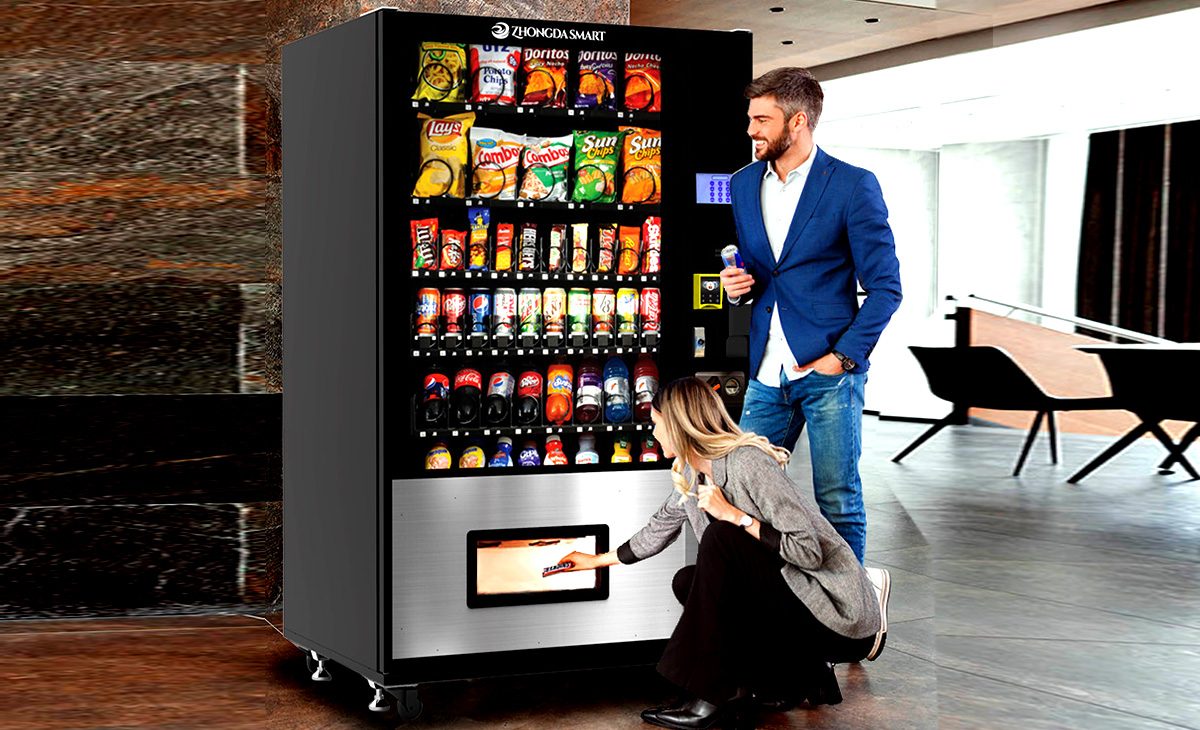
When evaluating suppliers, I look for three things: spare parts availability, remote diagnostics capability, and warranty terms. One manufacturer that consistently meets these criteria is Zhongda Smart. I have used their machines in several locations across Southern Europe, and their telemetry system is reliable. They offer a two-year warranty on key components, which is better than the industry standard of one year. I am not saying they are the only option, but if you are sourcing from Asia, they are one of the few manufacturers that understand European compliance standards for electrical safety and payment systems.
Another important factor is the ease of vending machine repair. If the machine uses proprietary parts that are only available from one supplier, you will be stuck waiting weeks for a replacement. I prefer machines that use standard refrigeration units and off-the-shelf payment terminals. This way, I can get repairs done locally without shipping parts from overseas.
Key Specifications to Look For
- Refrigeration: R290 refrigerant (eco-friendly and compliant with EU F-Gas regulations).
- Payment: EMV-compatible card reader, NFC for Apple Pay and Google Pay, and cash option if the location is in a lower-income area.
- Telemetry: real-time inventory tracking, sales reporting, and fault alerts.
- Capacity: minimum 200 bottles for a standalone unit, 300+ for high-traffic locations.
- Energy consumption: look for machines with energy rating A+ or better to keep electricity costs under control.
Operating Costs and Maintenance Realities
Many beginners assume that once the machine is installed, the work is done. That is far from the truth. The ongoing costs include restocking, cleaning, payment processing fees, electricity, and occasional repairs. Based on my experience, the total operating cost for a refrigerated water bottle vending machine in a medium-traffic location is roughly 25% to 35% of gross revenue. So if you are generating EUR 2,000 per month, expect to spend EUR 500 to EUR 700 on operating expenses before you see any profit.
Restocking frequency depends on sales volume. For a machine selling 50 bottles per day, you will need to restock every 4 to 6 days. If you are operating multiple machines, this becomes a logistics challenge. I recommend grouping machines within a 15-kilometer radius so you can service them in one route. Otherwise, the fuel and labor costs will eat into your margin.
Cleaning is another overlooked task. Machines that sell water are prone to condensation and mold if not cleaned regularly. I have seen operators lose their location because the machine looked dirty and the building manager received complaints. A quick wipe-down every restocking visit takes five minutes and prevents bigger problems.
Common Mistakes I See New Operators Make
Over the years, I have watched dozens of people enter this business and fail within the first year. Here are the most common errors:
- Buying a machine before securing a location. You end up with a machine sitting in your garage while you search for a spot.
- Underestimating the importance of payment options. In 2026, a cash-only machine is almost useless in most European cities.
- Ignoring local regulations. Some municipalities require a permit for automated retail, especially if the machine is on public property.
- Choosing a machine that is too small. A 150-bottle capacity might seem adequate, but if you have a busy weekend, you will run out of stock and lose sales.
- Not having a backup plan for machine downtime. If your machine breaks on a Friday and you cannot get a repair technician until Monday, you lose three days of revenue and potentially the location.
One mistake that particularly frustrates me is operators who do not track their data. If you do not know which products are selling, at what time of day, and at what price point, you are flying blind. Smart machines with telemetry solve this problem, but even a basic spreadsheet can help you make better decisions. For example, I noticed that sales of 500ml bottles dropped significantly in winter, but 1-liter bottles sold steadily year-round. By adjusting the product mix, I increased monthly revenue by 12% without changing the location.
Revenue Potential and Payback Period
Let me be clear: a water bottle vending machine is not a get-rich-quick scheme. In a good location with a well-maintained machine, you can expect to recover your initial investment in 12 to 20 months. After that, the machine can generate a net profit of EUR 400 to EUR 1,500 per month, depending on seasonality and competition. These figures are based on my own operations and verified by data from the European Vending Association (EVA), which publishes annual industry benchmarks.
According to a 2025 report by the EVA, the average revenue per machine in the bottled water segment across Western Europe was EUR 1,850 per month, with an average gross margin of 48%. However, these averages include high-performing machines in prime locations. If you are placing a machine in a secondary location, expect lower numbers. I always tell new operators to plan for the worst-case scenario: if the machine generates only EUR 800 per month, can you still cover your costs? If the answer is no, you should not proceed.
How to Choose Between Buying, Leasing, or Revenue Sharing
There are three main ways to get a machine into operation, and each has its pros and cons.
| Model | Upfront Cost | Monthly Commitment | Risk Level | Best For |
|---|---|---|---|---|
| Buying outright | High (EUR 2,500 – 15,000) | None | Medium | Operators with capital and long-term plans |
| Leasing from a supplier | Low (EUR 0 – 500) | EUR 150 – 400 per month | Low | New operators testing the market |
| Revenue sharing with location owner | None | Share of revenue (10% – 25%) | Low | Operators with no capital but good locations |
I generally recommend buying the machine if you have the capital and plan to operate for more than two years. Leasing is a good option if you want to test a location without a large upfront investment, but be careful with contract terms. Some leasing agreements lock you into a 36-month term with no early exit, which can be painful if the location underperforms. Revenue sharing with the location owner is the lowest risk but also limits your upside, and you have less control over pricing and product selection.
Regulatory and Compliance Considerations
In Europe, food safety regulations apply to vending machines that sell bottled water, even though the water is pre-packaged. You need to ensure that the machine is stored in a clean environment and that the water bottles are not exposed to direct sunlight or extreme temperatures. In France, for example, the Direction Générale de la Concurrence, de la Consommation et de la Répression des Fraudes (DGCCRF) can inspect your machine at any time. I have had colleagues fined for not displaying the expiration date of the products clearly.
In the United States, the FDA requires that vending machines selling bottled water comply with the Federal Food, Drug, and Cosmetic Act. Additionally, many states require a food handling permit if the machine is on public property. I recommend checking with your local chamber of commerce or business licensing office before installing any machine.
Another regulatory aspect that is often overlooked is waste management. Some European countries, like Germany, have deposit return schemes for plastic bottles. If you are selling water in plastic bottles, you may need to participate in the local deposit system. This adds complexity but can also be a selling point for environmentally conscious consumers.
Future Trends in Automated Retail for Water
Looking ahead to the rest of 2026 and beyond, I see several trends that will shape the water bottle vending machine market. First, the shift toward sustainable packaging is accelerating. Machines that offer aluminum cans or glass bottles are becoming more popular, especially in eco-conscious cities like Berlin and Copenhagen. Second, dynamic pricing based on demand and weather is becoming feasible with smart machines. I have tested a system that increases the price by EUR 0.20 on hot days, and it did not reduce sales volume significantly.
Third, integration with loyalty programs and mobile apps is gaining traction. In the US, some operators allow customers to pre-order water through an app and pick it up from the machine. This reduces wait times and increases customer satisfaction. In Europe, contactless and app-based payments are already the norm, so the infrastructure is there.
Finally, the role of artificial intelligence in predictive maintenance is becoming more practical. Machines that can predict when a compressor is about to fail and alert you before it breaks down are no longer science fiction. Zhongda Smart has started integrating predictive analytics into their higher-end models, and I expect this to become standard within two years. If you are buying a machine in 2026, I strongly recommend investing in one that supports remote diagnostics and over-the-air firmware updates. It will save you countless hours of vending machine repair in the long run.
FAQ: Water Bottle Vending Machine in 2026
Is a water bottle vending machine profitable?
Yes, but profitability depends heavily on location, machine reliability, and operating costs. In a good location, a machine can generate EUR 1,000 to EUR 3,800 per month with gross margins of 40% to 55%. In a poor location, you may struggle to break even.
How much does a water bottle vending machine cost?
A basic machine costs between EUR 2,500 and EUR 4,000. A refrigerated machine with smart features costs between EUR 7,500 and EUR 12,000. Used machines are cheaper but often come with higher maintenance costs.
How long does it take to recoup the investment?
Based on my experience and industry data from the European Vending Association, the payback period ranges from 10 to 24 months. The average is around 14 to 18 months for a well-placed refrigerated machine.
Should a beginner buy or lease a machine?
If you have the capital and are committed to the business, buying is better in the long term. If you want to test the market with minimal risk, leasing is a reasonable option. Avoid long-term leases that lock you into a location that may not perform.
Where is the best place to put a water vending machine?
Gyms, sports facilities, schools, universities, parks, transit hubs, and office buildings are the most reliable locations. Look for places where people are active, thirsty, and have limited access to alternative water sources.
What permits do I need?
Requirements vary by country and municipality. In the EU, you typically need a business license, a food handling permit if required locally, and compliance with electrical safety standards. In the US, check with the city or county health department.
How do I choose a supplier?
Look for suppliers that offer remote telemetry, a two-year warranty, and readily available spare parts. Zhongda Smart is one manufacturer I have worked with that meets these criteria. Avoid suppliers that cannot provide local service contacts or compliance documentation.
What happens if the machine breaks down?
If you have a smart machine with telemetry, you will receive an alert. Then you either fix it yourself or call a local technician. I recommend having a service contract with a local vending machine repair company, especially if you are not mechanically inclined.
How can I reduce restocking and maintenance costs?
Group your machines geographically to minimize travel time. Use telemetry to track inventory so you only visit when restocking is needed. Clean the machine regularly to prevent mold and mechanical issues. Invest in a machine with high-quality components to reduce breakdown frequency.
Can I sell other products alongside water?
Yes, many operators use combo machines that sell water, sports drinks, and snacks. However, be aware that adding food items may increase regulatory requirements and spoilage risk. Start with water only, then expand once you understand the location's demand.
This article reflects my personal experience operating vending machines in Europe and the United States over the past ten years. Revenue and cost figures are based on my own records and publicly available data from the European Vending Association and Statista. Individual results will vary based on location, machine type, and local market conditions. I am not a financial advisor, and this content should not be taken as investment advice. Always conduct your own due diligence before purchasing equipment or signing location agreements.
Sources: Statista, Vending Machine Market Report 2025; European Vending Association, Annual Industry Benchmark Report 2025; IBISWorld, Vending Machine Operations in the US 2025; DGCCRF, Food Safety Guidelines for Automated Retail.
本文更新于2026年2月。