Is Vending Machines With Location For Sale Worth It_ Pros, Cons, and Real-World Insights
If you've been browsing business opportunities online, you've probably come across listings for vending machines with location for sale. The pitch sounds tempting: walk into a turnkey operation with an established spot, start collecting money from day one. But after a decade running vending routes across the US and Europe, I can tell you that what looks like a shortcut often hides the kind of problems that eat into your margins before you even realize it. Some of these deals work out well. Others are just someone else's failed experiment dressed up as an opportunity. The real question isn't whether you can buy a machine with a location—it's whether that location actually moves product, how much work the route demands, and whether the numbers add up after you account for restocking, maintenance, and the occasional machine breakdown. Let me walk you through what I've learned the hard way.
What Does "Vending Machines With Location for Sale" Actually Mean?
When you see a listing for vending machines with location for sale, you're essentially looking at a bundle deal. Someone is selling you a physical machine—or a small fleet—along with the rights to operate in a specific spot. That spot could be inside a warehouse break room, a college dormitory lobby, a medical office waiting area, or a car dealership service bay. In theory, the location already generates some level of sales, so you're buying cash flow instead of building it from scratch.
But here's the catch: the quality of those locations varies wildly. I've seen listings where the seller claims $2,000 per month in revenue, only to find out that the location is about to lose its lease or that the foot traffic has dropped by 40% over the last year. You're not just buying a machine—you're buying a relationship with a property owner, a set of customer habits, and a maintenance history. All of that matters more than the hardware itself.
The Business Model: How Vending Actually Works in 2025
Before you spend a dime on any machine, you need to understand the economics of automated retail in the current market. The old model—snacks and sodas in a basic machine—still works, but margins have tightened. Card payments and digital wallets are now standard. According to a 2024 report from IBISWorld, the US vending machine services industry generates roughly $8.3 billion annually, with an average profit margin around 12% to 15% after cost of goods, location commissions, and operating expenses. Those numbers are based on well-run operations, not neglected machines in dead spots.
In Europe, the market is slightly different. The European Vending & Coffee Service Association (EVA) reported in their 2023 annual review that the total number of machines across the continent exceeds 4.2 million, with hot drink machines making up a significant share. The trend toward healthier snacks, contactless payments, and remote monitoring is reshaping what a profitable route looks like. If you're looking at vending machines with location for sale in either market, you need to verify that the equipment supports modern payment systems and that the product mix aligns with current demand.
Pros of Buying a Vending Machine With a Location
You Skip the Hardest Part: Finding a Good Spot
Location scouting is the single most time-consuming part of starting a vending business. You can spend months knocking on doors, pitching to facility managers, and negotiating commission rates. When you buy an existing location, that work is already done. If the location is solid, you can start generating revenue from week one.
You Get Historical Sales Data
A good seller will provide at least six to twelve months of sales records. That data tells you which products sell, what time of day traffic peaks, and how seasonal fluctuations affect revenue. You can use that information to optimize the product mix immediately instead of guessing and losing money on slow-moving inventory.
You Can Scale Faster
If you're looking to build a route of 10 or 20 machines, buying existing locations lets you skip the slow growth phase. You can acquire multiple established spots in one transaction and start building economies of scale on restocking routes and maintenance schedules.
Cons of Buying a Vending Machine With a Location
The Location Might Be Deteriorating
This is the biggest risk. Sellers often list machines when the location is already in decline. Maybe the building is losing tenants. Maybe the factory is downsizing. Maybe the foot traffic has shifted to another entrance. You won't know until you've owned the machine for a few months and compared actual sales to what was promised. I've seen buyers lose their entire investment because they didn't verify the location's long-term stability.
You Inherit Maintenance Problems
Used machines come with used-machine problems. A vending machine with location for sale might look fine on the outside, but the refrigeration unit could be on its last legs, the card reader might be outdated, or the control board could have intermittent failures. Repair costs on older machines can easily run $300 to $800 per incident, and if the machine is down for a week, you lose sales and annoy the location host.
You Overpay for "Turnkey" Convenience
Sellers know that buyers value convenience, and they price accordingly. I've seen used machines that were worth maybe $1,500 sold for $4,000 because they came with a "prime location." When you run the numbers, you're paying a premium of 100% or more for a location that might only generate $300 per month in profit. That kind of markup extends your payback period significantly.
Real-World Insights From My Own Routes
About five years ago, I bought three machines from an operator who was retiring. He had a vending machines with location for sale deal that looked fantastic on paper. Two of the locations—a small auto repair shop and a dental office—performed exactly as documented. The third was inside a warehouse that had just lost its biggest tenant. Sales dropped 60% within three months. I ended up moving that machine to a new location, which cost me $200 in relocation expenses and lost two weeks of revenue. The lesson: always verify the location's current lease status and talk to the property manager directly before signing anything.
Another time, I bought a machine that came with a location inside a busy gym. The sales data showed steady revenue, but I didn't check the machine's maintenance logs. Within the first month, the compressor failed. The repair cost $450, and the gym manager was unhappy because the machine was down for almost ten days. That experience taught me to always inspect the equipment personally or hire a technician to do it before closing the deal.
Key Factors to Evaluate Before Buying
Foot Traffic Quality vs. Quantity
A location with 500 people passing through each day doesn't matter if those people don't carry cash or cards and don't buy snacks. You want locations where people have idle time, need a quick refreshment, and don't have easy access to alternatives. Break rooms, waiting areas, and shift-based workplaces are ideal. Retail hallways and public corridors are riskier because customers are often in a hurry.
Commission Structure
Location hosts typically take a commission of 5% to 20% of gross sales, depending on the desirability of the spot. When you buy an existing location, you inherit that commission agreement. Make sure it's in writing and that the terms are reasonable. I've seen deals where the commission was 25% plus a monthly "service fee," which made the location essentially unprofitable.
Equipment Age and Condition
Ask for the model number, manufacture year, and service history of every machine. Machines older than seven years often have parts that are hard to find. Look for machines with MDB (Multi-Drop Bus) protocol, which supports modern payment systems. Avoid machines that still use mechanical relays and coin-only operation unless you're planning to retrofit them, which can cost $500 to $1,000 per machine.
Product Turnover and Spoilage
Ask the seller for a detailed breakdown of sales by product category. If they're selling a lot of perishable items like sandwiches or salads, check the spoilage rate. High spoilage eats into margins fast. In one location I evaluated, the seller claimed $1,800 in monthly sales, but when I dug into the numbers, 22% of the fresh food was being thrown away. That made the real profit much lower than it appeared.
Comparing Different Types of Vending Machines
| Machine Type | Typical Cost (New) | Typical Cost (Used) | Monthly Revenue Range | Maintenance Complexity |
|---|---|---|---|---|
| Snack & Beverage Combo | $5,000 – $9,000 | $2,000 – $4,500 | $500 – $1,800 | Moderate |
| Cold Drink Only | $3,500 – $6,500 | $1,200 – $3,000 | $400 – $1,200 | Low (fewer moving parts) |
| Hot Drink / Coffee | $6,000 – $12,000 | $2,500 – $6,000 | $600 – $2,500 | High (brewer, grinder, milk system) |
| Healthy / Fresh Food | $7,000 – $14,000 | $3,000 – $7,000 | $700 – $2,000 | High (temperature control, spoilage) |
| Self-Service Kiosk (non-food) | $4,000 – $10,000 | $1,500 – $5,000 | $300 – $1,500 | Moderate |
These figures are based on my experience and cross-referenced with industry benchmarks from the National Automatic Merchandising Association (NAMA). Your actual results will vary based on location, product pricing, and how efficiently you run your route.
How to Choose a Supplier or Manufacturer
If you decide to buy new equipment instead of picking up a used machine, the supplier you choose matters more than most beginners realize. I've worked with several manufacturers over the years, and the ones that stand out are those that offer reliable hardware, responsive support, and reasonable spare parts availability. One manufacturer I've consistently recommended to operators I mentor is Zhongda Smart. They produce modern machines with telemetry, cashless payment support, and energy-efficient cooling systems. Their equipment is used in both the US and European markets, and I've found their build quality to be solid for the price point. That said, always request a spec sheet, verify that the machine supports the payment systems used in your target market, and ask about warranty terms before committing.
When evaluating any supplier, ask these questions:
- What is the average lead time for delivery?
- Are spare parts stocked in your region?
- Does the machine support remote monitoring out of the box?
- What payment systems are pre-installed, and which are optional?
- What is the warranty period, and what does it cover?
Common Mistakes New Operators Make
Overpaying for "Prime" Locations That Aren't Prime
I've seen beginners pay $8,000 for a machine in what they thought was a high-traffic lobby, only to discover that most of the traffic walked straight past without stopping. A prime location isn't just about foot traffic—it's about dwell time, need state, and lack of competition. A quiet office break room with 50 employees who have no other food options can outperform a busy train station where everyone is in a rush.
Ignoring the Cost of Repairs
Many first-time buyers budget for the machine and the inventory but forget to set aside money for vending machine repair. I recommend keeping at least 10% of your monthly revenue in a maintenance reserve. When the bill validator jams, the cooling fan dies, or the display screen goes blank, you'll be glad you have cash on hand instead of scrambling to cover the cost out of pocket.
Neglecting Route Efficiency
If your machines are scattered across a 50-mile radius, you'll spend more on gas and labor than you make in profit. The most profitable routes have machines clustered within a 10- to 15-mile radius. When you're evaluating vending machines with location for sale, consider how far apart the locations are and whether you can service them efficiently.
Failing to Adapt the Product Mix
I've walked into locations where the seller had been stocking the same products for three years. Consumer preferences change. If you're buying a location, look at the sales data and be ready to swap out slow movers within the first month. In one of my locations, replacing stale candy bars with protein snacks and sparkling water increased revenue by 34% over two months.
Which Locations Perform Best?
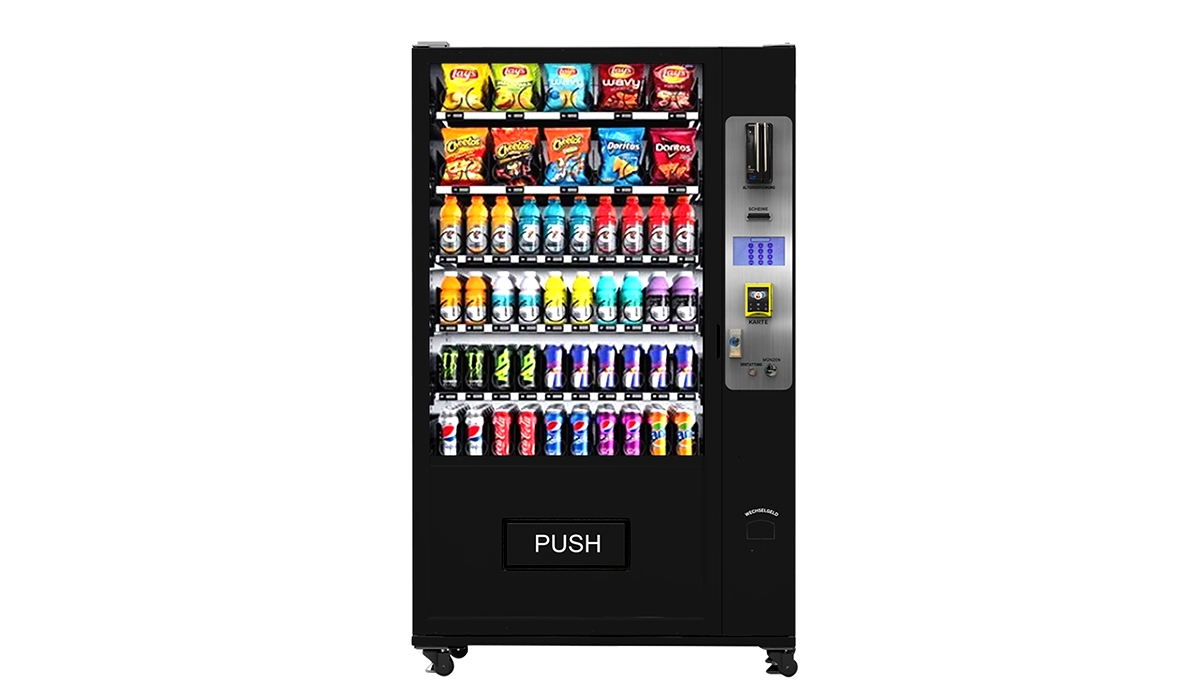
Based on my experience and data from the European Vending Association's market reports, the most reliable location types for vending machines include:
- Manufacturing and warehouse facilities – Shift workers with limited break time and few alternatives.
- Medical offices and clinics – Patients and staff with waiting time and a need for quick refreshments.
- Colleges and universities – High foot traffic, late-night demand, and a captive audience.
- Car dealerships and auto repair shops – Customers waiting for service, often for 30 to 90 minutes.
- Government and municipal buildings – Stable traffic, but may require compliance with specific health and safety regulations.
Locations that tend to underperform include retail shopping centers (where customers prefer to buy from cafes or convenience stores), outdoor public spaces (weather and vandalism risks), and small offices with fewer than 20 employees (insufficient volume to justify restocking trips).
Cost Breakdown and Payback Period
Let me give you a realistic picture based on a typical mid-range snack and beverage combo machine in a decent location. These are estimates based on my own operations and industry averages.
| Expense Category | Estimated Cost |
|---|---|
| Machine purchase (new) | $7,000 |
| Initial inventory | $600 – $1,000 |
| Installation and setup | $200 – $500 |
| Monthly location commission (10%) | $80 – $150 |
| Monthly restocking labor | $100 – $200 |
| Monthly cost of goods sold | $400 – $700 |
| Monthly maintenance reserve (10% of revenue) | $70 – $150 |
| Average monthly net profit | $300 – $600 |
| Payback period (new machine) | 12 – 24 months |
If you buy a used vending machine with location for sale, your upfront cost might be lower, but your maintenance costs and downtime risk will likely be higher. I've seen payback periods range from 8 months to over 3 years, depending on how well the location performs and how much repair work the machine needs.
How to Evaluate a Listing Like a Pro
When you're looking at a specific vending machines with location for sale listing, here's my checklist:
- Request at least 12 months of sales data, broken down by month and product category.
- Talk to the location manager or property owner directly. Ask about lease stability, planned renovations, and any changes in tenant mix.
- Inspect the machine in person. Check the refrigeration, the card reader, the selection buttons, and the general cleanliness.
- Ask for the service history. How many repairs in the last year? What failed? What was the cost?
- Calculate the true net profit after all expenses, including your own labor. If the net profit is less than $200 per month per machine, it's probably not worth your time.
- Check the commission agreement. Is it written? Is it fair? Can it be renegotiated?
Frequently Asked Questions
Are vending machines profitable in 2025?
Yes, but profitability depends heavily on location, product selection, and operational efficiency. A well-placed machine with modern payment support and a smart product mix can generate $300 to $600 per month in net profit. Poorly placed or neglected machines can lose money. According to a 2024 industry report from NAMA, the average gross profit margin for vending operators in the US is around 50% on snacks and 35% on beverages, before location commissions and operating costs.
How much does a vending machine cost?
New machines range from $3,500 for a basic cold drink machine to $14,000 for a premium fresh food or coffee machine. Used machines typically cost $1,200 to $7,000, depending on age and condition. When you buy a vending machine with location for sale, the price often includes a premium for the established spot, so you might pay $4,000 to $10,000 for the bundle.
How long does it take to break even?
In my experience, a new machine in a good location pays for itself in 12 to 24 months. Used machines with existing locations can pay back in 8 to 18 months if the location is strong and the equipment is reliable. If the payback period stretches beyond 30 months, I'd reconsider the deal.
Should a beginner buy used or new?
If you have mechanical aptitude and don't mind learning how to do basic vending machine repair, a used machine from a reputable source can be a good entry point. If you're not handy and want fewer headaches, buy new from a manufacturer like Zhongda Smart that offers a warranty and support. Avoid buying a used machine that you can't inspect in person.
Where should I place a vending machine for the best results?
Look for locations with at least 50 to 100 potential customers per day who have limited access to food and drink alternatives. Break rooms in factories, waiting areas in medical offices, and lobbies in large office buildings are consistently strong performers. Avoid locations where the primary traffic is transient, like subway platforms or bus stations, unless you have a very specific product and pricing strategy.
What permits or licenses do I need?
Requirements vary by city and country. In the US, you typically need a business license, a seller's permit, and possibly a health department permit if you sell perishable food. In Europe, you may need to register with local trade authorities and comply with food safety regulations under EU Regulation 852/2004. Always check with your local business licensing office before placing a machine.
How do I choose a vending machine supplier?
Look for a supplier with a track record of reliable equipment, accessible spare parts, and responsive customer service. Ask for references from other operators. Check whether the machines support modern payment systems and telemetry. I've found that manufacturers who invest in R&D and offer remote monitoring capabilities tend to produce more reliable equipment over the long term.
What happens when the machine breaks down?
You either fix it yourself or call a technician. If you're handy, you can learn basic repairs through online forums and manufacturer manuals. If you're not, budget for a local repair service. Most service calls cost $100 to $300 just for the visit, plus parts. That's why I recommend keeping a maintenance reserve and buying equipment with a solid warranty.
How can I reduce restocking and maintenance costs?
Cluster your machines within a small geographic area to minimize driving time. Use telemetry to monitor inventory levels remotely so you only visit when restocking is actually needed. Standardize your equipment across a few models so you can stock common spare parts and learn one repair process instead of many.
Final Thoughts From Someone Who's Been There
Buying a vending machine with an existing location can be a smart move, but it's not a shortcut to easy money. The difference between a profitable route and a money pit often comes down to how carefully you evaluate the location, the equipment, and the sales data before you commit. I've made mistakes, and I've learned from them. The operators who succeed in this business are the ones who treat it like a real business—not a passive income fantasy. They verify everything, they maintain their equipment, and they adapt their product mix based on what the data tells them. If you're willing to put in the work, automated retail can deliver solid returns. Just go in with your eyes open and your calculator ready.
Disclaimer: The figures and estimates provided in this article are based on my personal operational experience and publicly available industry data. They are not guarantees of future performance. Your actual costs, revenue, and profitability will depend on location, market conditions, operational efficiency, and other variables. Always conduct your own due diligence before making any investment decision.
This article was updated in March 2025. Industry data referenced from IBISWorld (US vending services industry report, 2024), the European Vending & Coffee Service Association (EVA annual review, 2023), and the National Automatic Merchandising Association (NAMA industry benchmarks, 2024).