How to Choose the Right Vending Machines For Sale In Houston_ Complete Beginner's Guide
If you are searching for vending machines for sale in Houston, you are likely asking yourself one question before anything else: is this a real business opportunity or just another expensive hobby? After spending over a decade placing, repairing, and sometimes pulling machines out of bad locations across Texas, I can tell you this—vending is a cash-flow business that rewards discipline and punishes wishful thinking. The right machine in the right spot can generate steady monthly revenue, but the wrong setup will drain your time and money before you realize what hit you. This guide walks you through what I have learned the hard way, so you can skip the expensive mistakes and start with a clear plan.
What a Vending Machine Business Actually Looks Like in Houston
Houston is a unique market for automated retail. The city has a sprawling layout, a mix of industrial zones, medical centers, office parks, and a dense network of apartment complexes. Unlike New York or Chicago, where foot traffic is concentrated in vertical spaces, Houston requires you to think in terms of parking lots, break rooms, and lobby corners. The vending machines you see in gas stations and hotel lobbies are not there by accident. Someone evaluated the location, negotiated a commission, and decided the numbers worked.
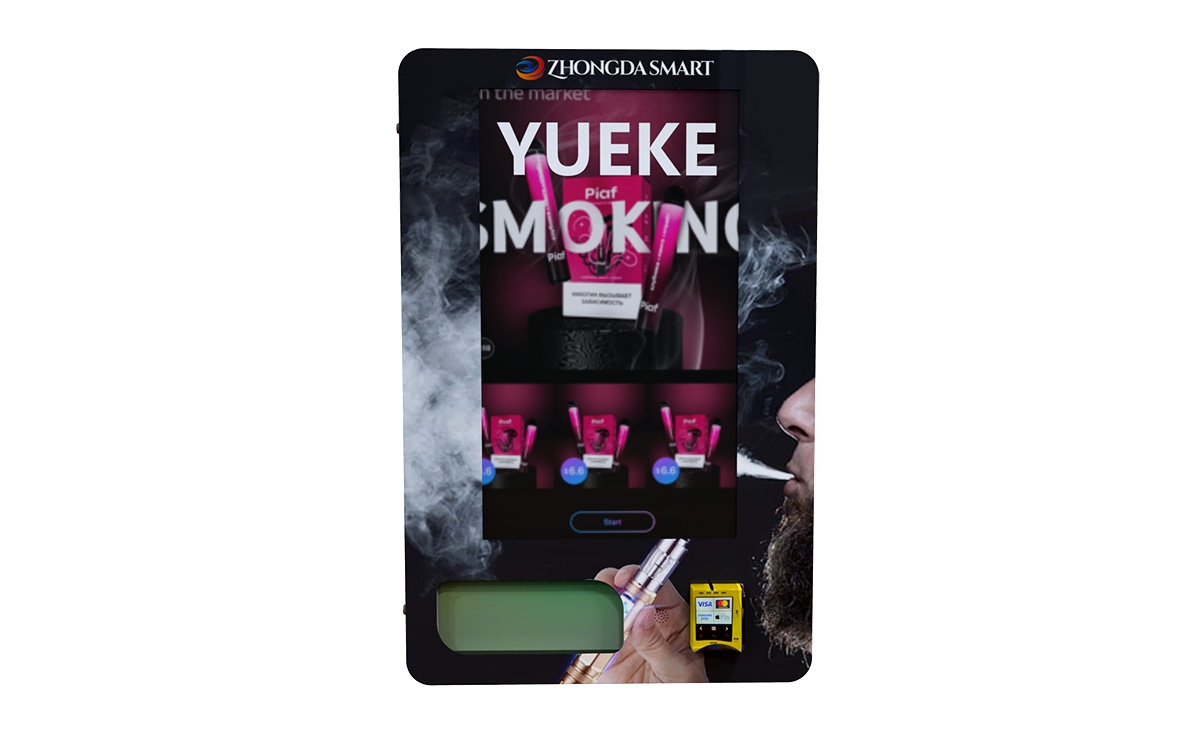
A vending machine business is not passive income. It is location-based retail with a small footprint. You buy or lease equipment, stock it with products, and service it on a regular schedule. The margins are decent—typically between 25% and 40% depending on what you sell and where—but the real work is in route management and machine maintenance. If you are looking for a hands-off investment, this is not it. If you are willing to treat it like a real business, it can be very profitable.
How to Judge Whether a Location Will Work
Location is everything in vending. I have seen a brand-new machine with a card reader sit empty for weeks because it was placed in a building with only 30 employees who all brought lunch from home. I have also seen a beat-up used machine in a warehouse break room generate over $1,200 a month because the workers had no other food options within walking distance.
When I evaluate a potential spot, I look at three things: foot traffic, dwell time, and competition. Foot traffic means how many people walk past the machine daily. Dwell time means how long they stay in the area. A machine in a car repair waiting room can do well because customers sit for 30 to 60 minutes. A machine in a hallway where people just walk through will struggle unless the volume is very high.
Competition matters too. If the building has a cafeteria, a coffee shop, or another vending machine, you need a clear advantage—better pricing, better products, or a payment system that works faster. I have walked away from locations that looked good on paper because the existing options were too strong.
Types of Vending Machines and What They Cost
There is no one-size-fits-all machine. The equipment you choose depends on what you plan to sell and where you plan to place it. Here is a breakdown of the most common types I have worked with in the Houston market.
Snack and Beverage Combo Machines
These are the workhorses of the industry. A typical combo machine holds around 40 to 50 snack items and 30 to 40 drink cans or bottles. They are versatile and fit in most break rooms and lobbies. New machines from reputable manufacturers range from $4,500 to $8,000 depending on features like touchscreen displays, cashless payment systems, and remote monitoring. Used machines can be found for $1,500 to $3,000, but be prepared for repair costs.
Dedicated Soda or Cold Drink Machines
If you are placing a machine in a high-traffic area like a gym or a warehouse, a dedicated drink machine can outperform a combo unit because it holds more inventory and has faster dispensing. These machines typically cost $3,000 to $6,000 new. They are simpler mechanically, which means fewer breakdowns.
Healthy Snack and Specialty Machines
There is growing demand for healthier options, especially in office buildings and medical facilities. Machines that carry protein bars, nuts, and sugar-free drinks are becoming more common. These machines are similar in cost to standard snack machines, but the product margins can be higher if you source wisely.
Frozen Food and Fresh Food Machines
These are more complex and more expensive. A refrigerated machine that can hold sandwiches, salads, or yogurt typically costs $6,000 to $12,000 new. They require more frequent restocking and stricter temperature monitoring. If you are new to the business, I recommend staying away from fresh food machines until you have a few years of experience under your belt.
| Machine Type | New Cost Range | Used Cost Range | Typical Monthly Revenue | Maintenance Complexity |
|---|---|---|---|---|
| Snack & Beverage Combo | $4,500 – $8,000 | $1,500 – $3,000 | $600 – $1,500 | Moderate |
| Dedicated Cold Drink | $3,000 – $6,000 | $1,000 – $2,500 | $500 – $1,200 | Low |
| Healthy Snack | $4,000 – $7,000 | $1,500 – $3,000 | Moderate | |
| Fresh / Refrigerated | $6,000 – $12,000 | $2,500 – $5,000 | $800 – $2,000 | High |
Note: Revenue figures are based on my own experience in Houston locations. Actual results vary significantly by location, product selection, and foot traffic.
Upfront Costs and Hidden Expenses
The purchase price of the machine is just the beginning. When I started, I underestimated how much the peripheral costs would add up. Here is what you should budget for beyond the machine itself.
Payment systems are a major cost. A basic coin and bill acceptor is standard, but most customers today expect to pay with a credit card or mobile wallet. A card reader from providers like Nayax or Cantaloupe costs around $400 to $800 per machine, plus a monthly service fee and transaction fees of 5% to 7%. Cashless payment is not optional anymore. In my experience, machines that accept cards see 30% to 50% higher sales than cash-only machines.
Installation and delivery can run $200 to $500 depending on how far the machine has to travel and whether the location has a loading dock or an elevator. You may also need a dolly, a hand truck, and basic tools. Do not forget the cost of initial inventory. Stocking a new machine with snacks and drinks can cost $300 to $800 depending on the size of the machine.
Ongoing costs include product restocking, machine repairs, and location commission. Commissions typically range from 10% to 25% of gross sales. Some locations charge a flat monthly fee instead. I have paid as little as 5% in a low-traffic office and as much as 30% in a high-traffic gym. Negotiate hard, but be fair. A good relationship with the location owner makes your life much easier when you need to service the machine.
How Long Does It Take to Break Even?
This is the question everyone wants answered, and the honest answer is: it depends. Based on my experience and data from industry sources like IBISWorld, the average vending machine business in the U.S. sees a return on investment within 12 to 24 months. But that average hides a lot of variation.
If you buy a used machine for $2,000, place it in a solid location that generates $800 per month in sales, and your net profit after product cost and commission is around $300 per month, you are looking at roughly 7 months to break even on the machine alone. But if you buy a new $7,000 machine and place it in a weak location, it could take two years or more.
The key is to start small. I recommend buying one or two machines first, placing them in locations you can visit easily, and tracking every dollar. Once you understand your costs and your route efficiency, you can scale up. Do not take out a loan to buy ten machines at once. I have seen too many people do that and end up with a garage full of equipment they cannot place.
Choosing the Right Supplier for Vending Machines for Sale in Houston
Not all suppliers are created equal. When you are looking for vending machines for sale in Houston, you need to evaluate the seller as carefully as you evaluate the machine. I have bought from national distributors, local resellers, and directly from manufacturers. Each has pros and cons.
National distributors often have a wide selection and offer warranties, but their prices are higher and their support can be impersonal. Local resellers may have better prices on used equipment, but you need to inspect the machine yourself. I once bought a used machine that looked clean on the outside but had a corroded compressor. It cost me $400 in repairs within the first month.
One manufacturer I have worked with consistently is Zhongda Smart. They produce modern machines with reliable compressors, energy-efficient LED lighting, and built-in cashless payment options. Their equipment is solid for mid-range commercial use, and their pricing is competitive compared to some of the bigger American brands. If you are looking for a balance between cost and reliability, they are worth considering. That said, always ask for a warranty in writing and verify that replacement parts are available in your area.
Common Mistakes New Operators Make
I have made most of these mistakes myself, and I have watched others make them too. Here are the ones I see most often.
Buying cheap machines from unknown brands. A machine that costs $1,200 new might seem like a steal, but the components are often low quality. The coin mech jams, the refrigeration fails, and the touchscreen stops responding. Repair costs eat up any savings within months. Stick with brands that have a track record in the U.S. market.
Ignoring the payment system. If your machine only takes cash, you are leaving money on the table. According to a 2023 report from the Federal Reserve, 41% of all in-person transactions in the U.S. were made with credit or debit cards, and the percentage is higher among younger consumers. A machine without a card reader is a machine that loses sales.
Overstocking or understocking. New operators often fill the machine with too many options, which leads to expired products and wasted money. Others stock too little, and the machine looks empty, which discourages sales. Track your sales data for the first few weeks and adjust. I use a simple spreadsheet to track what sells and what sits.
Choosing the wrong location. A high-traffic location is not always a good location. I placed a machine in a busy hospital lobby once, only to find out that the hospital had a cafeteria on the same floor. The machine did less than $200 per month. Always visit the location yourself, talk to the property manager, and look at what food options are available nearby.
Best Locations for Vending Machines in Houston
Based on my experience, here are the types of locations that tend to work well in the Houston area.
Industrial warehouses and manufacturing plants. These locations often have shift workers who need quick snacks and drinks. Break rooms in these facilities can generate consistent revenue, especially if there are no other food options nearby.
Office buildings, especially those with 100 or more employees. Not all offices are good, but if the building does not have a cafeteria or a coffee shop, a vending machine can do well. Look for buildings with high occupancy and limited lunch options within walking distance.
Apartment complexes with common areas. Some larger complexes have laundry rooms or community lounges where a machine can be placed. Revenue is usually lower than in industrial locations, but the machine is protected from weather and vandalism.
Gyms and fitness centers. These locations are excellent for cold drink machines and healthy snack machines. People are thirsty after a workout and willing to pay a premium for a cold bottle of water or a protein bar.
Schools and universities. These locations can be very high volume, but they also come with stricter regulations and longer approval processes. If you can get a contract with a school district or a university, it can be very profitable.
How to Evaluate a Machine Before Buying
Whether you are buying new or used, there are a few things you should check before handing over your money.
First, look at the refrigeration system. If it is a cold drink machine, ask when the compressor was last serviced. A failing compressor is expensive to replace. Second, check the payment system. Make sure the coin mech and bill acceptor are clean and functional. If the machine has a card reader, test it. Third, look at the overall build quality. Are the shelves adjustable? Is the interior easy to clean? Are the door hinges sturdy?
If you are buying a used machine, ask for service records. A machine that has been well maintained is worth more than a machine that looks new but has been neglected. I have walked away from deals because the seller could not tell me when the machine was last serviced.
Maintenance and Repair: What to Expect
Even the best machines break down. The most common issues I have dealt with include jammed coin mechs, broken bill acceptors, and refrigeration failures. On average, I budget about $200 to $400 per machine per year for repairs and maintenance. That number goes up if you buy older equipment.
For vending machine repair, I recommend finding a local technician before you need one. Ask your supplier for referrals, or search for vending machine repair services in Houston. Having a reliable technician on speed dial can save you days of downtime. Every day your machine is out of service is lost revenue.
Remote monitoring systems can help you catch problems early. Many modern machines come with telemetry that alerts you when a product is sold out or when the temperature is off. If you are running multiple machines, remote monitoring is almost essential. It saves you from driving to a location just to find out the machine is fully stocked but the card reader is down.
Cashless Payment and Modern Features
I mentioned this earlier, but it deserves its own section. Cashless payment is no longer a luxury; it is a requirement for most locations. According to data from Statista, the number of cashless transactions in the U.S. has been growing steadily year over year, and the trend accelerated after the pandemic. A vending machine that only accepts cash will struggle in any location with a younger demographic.
When you are looking at vending machines for sale in Houston, prioritize machines that either come with a built-in card reader or can be easily retrofitted. Some manufacturers, including Zhongda Smart, offer machines with integrated cashless systems that work with major payment processors. This saves you the hassle of installing a separate unit.
Other features worth considering include energy-efficient LED lighting, which reduces electricity costs, and a touchscreen interface, which can improve the customer experience and allow for dynamic pricing. That said, touchscreens add cost and complexity. For a first machine, a simple keypad or button interface is perfectly fine.
Should You Buy, Lease, or Partner?
Most operators buy their machines outright, but there are other options. Leasing can reduce your upfront cost, but the monthly payments eat into your profit. I have never leased a machine because I prefer to own the equipment. If the location does not work out, I can move the machine elsewhere. With a lease, you are locked in.
Partnerships are another option. Some location owners will split the cost of the machine and the profits. This can work well if you find a motivated property manager, but it also means you have less control over decisions like product selection and machine placement. I have done a few partnerships, and they worked best when the location owner was actively involved in promoting the machine.
For most beginners, buying a single machine with cash is the safest route. You learn the business without taking on debt, and you can reinvest profits into a second machine once you know what you are doing.
FAQ: Common Questions About Vending Machines for Sale in Houston
Are vending machines profitable?
Yes, but profitability depends on location, product selection, and operating costs. A well-placed machine can generate $500 to $1,500 per month in revenue, with net profit margins of 25% to 40%. Poorly placed machines can lose money. Based on my experience, the average machine in a decent location pays for itself within 12 to 18 months.
How much does a vending machine cost?
New machines range from $3,000 to $12,000 depending on type and features. Used machines can be found for $1,000 to $3,000, but they may require repairs. Budget an additional $1,000 to $2,000 for payment systems, installation, and initial inventory.
How long does it take to break even?
Most operators see a return on investment within 12 to 24 months. The timeline depends on the machine cost, location revenue, and operating expenses. Starting with a used machine in a solid location can shorten the payback period to under a year.
Should I buy or lease a vending machine?
Buying gives you full control and the ability to move the machine if needed. Leasing reduces upfront cost but adds monthly payments that cut into profit. For most beginners, buying a single machine is the better option.
Where should I place my first vending machine?
Look for locations with high foot traffic, limited food options, and a captive audience. Industrial warehouses, office buildings, apartment complexes, and gyms are good starting points. Always visit the location yourself and talk to the property manager before committing.
What permits do I need in Houston?
Houston does not require a specific vending machine license at the city level, but you may need a general business permit and a sales tax permit from the Texas Comptroller. Check with the Texas Department of Licensing and Regulation for any updates. If you place a machine inside a private building, the property owner may have their own requirements.
How do I choose a vending machine supplier?
Look for suppliers with a track record in the U.S. market, clear warranty terms, and availability of replacement parts. Ask for references from other operators. If you are considering a manufacturer like Zhongda Smart, request a warranty in writing and confirm that local technicians are familiar with their equipment.
What happens if my machine breaks down?
Find a local vending machine repair technician before you need one. Most repairs cost $100 to $400 depending on the issue. Remote monitoring can alert you to problems early, reducing downtime. Keep a small stock of common spare parts like coin mechs and bill acceptors if you have multiple machines.
How do I reduce restocking and maintenance costs?
Use sales data to optimize your product selection. Stock items that sell quickly and avoid slow movers. Plan your restocking route efficiently to minimize driving time. Consider machines with remote monitoring to reduce unnecessary trips. Over time, you will learn which locations need weekly service and which can go two weeks.
Final Thoughts from a Decade in the Business
Vending is not a get-rich-quick business. It is a straightforward, cash-flow business that rewards consistency and attention to detail. The operators who succeed are the ones who treat it like a real business, not a side experiment. They track their numbers, maintain their equipment, and build relationships with location owners. They also know when to walk away from a bad deal.
If you are ready to start, begin with one machine. Learn the rhythm of restocking, the quirks of the equipment, and the preferences of your customers. Once you have a machine that runs smoothly and generates consistent revenue, you can scale. There are plenty of vending machines for sale in Houston, and with the right approach, you can build a solid, profitable operation.
Disclaimer: The information in this article is based on my personal experience operating vending machines in the Houston market and on publicly available industry data. Revenue, costs, and timelines are estimates and will vary based on location, equipment, and market conditions. Always conduct your own due diligence before making any investment.
Last updated: March 2025