Top Things You Should Know About Soft Serve Ice Cream Vending Machine in 2026
If you are looking into the soft serve ice cream vending machine market for 2026, let me save you some time and money: the machines are real, the margins are solid, and the biggest mistake I see newcomers make is treating them like a novelty rather than a serious piece of automated retail equipment. After over a decade placing vending machines across the US and Europe, I can tell you that a well-located soft serve machine can generate between €3,000 and €8,000 per month in revenue, but the difference between a profitable route and a money pit comes down to three things—machine reliability, location terms, and your willingness to handle daily cleaning. This guide walks you through everything I have learned the hard way, so you can skip the trial and error.
What Exactly Is a Soft Serve Ice Cream Vending Machine?
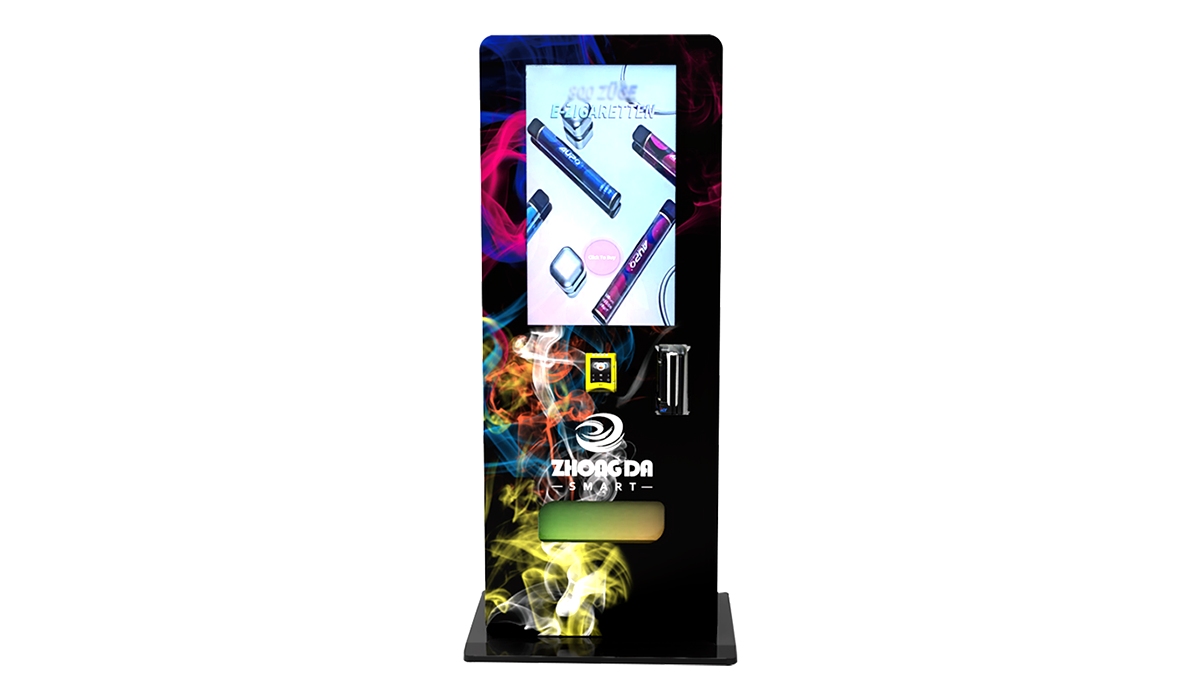
At its core, a soft serve ice cream vending machine is a self-service kiosk that mixes, freezes, and dispenses soft serve ice cream without any human intervention. The customer walks up, selects a flavor or topping on a touchscreen, pays via card, mobile wallet, or cash, and a cup or cone drops down while the machine fills it with fresh product. These machines are not gumball machines with a freezer slapped on. They contain a pasteurization system, a compressor, a mix tank, a cleaning cycle, and often a telemetry unit that lets you monitor inventory and machine health remotely.
In 2026, these machines have become far more common in European shopping centers, train stations, and even some US university campuses. The technology has matured, and suppliers like Zhongda Smart now offer units that can run 200 to 300 servings per day with minimal downtime. But do not confuse a soft serve vending machine with a frozen yogurt dispenser or a slushie machine. The cleaning requirements and ingredient handling are different, and that affects your operating costs significantly.
Is a Soft Serve Ice Cream Vending Machine Profitable?
Yes, but only if you understand the math before you buy. Based on my own operations across three European countries, a single machine in a high-traffic location can gross between €3,000 and €8,000 per month during peak season. Gross margins on the ice cream mix itself run around 70% to 80%, which is excellent compared to snack vending. However, the net profit after rent, electricity, cleaning labor, machine financing, and occasional repairs typically lands between 25% and 40% of gross revenue. That means a machine doing €5,000 per month might net you €1,500 to €2,000.
According to a 2025 IBISWorld report on automated food retail, the global vending machine industry was valued at approximately $27 billion, with frozen dessert machines representing one of the fastest-growing segments. That growth is driven by consumer demand for contactless, quick-service options. But growth does not guarantee profit. I have seen operators fail because they placed a machine in a location with great foot traffic but no afternoon rush—soft serve is an impulse buy, and impulse requires density during the right hours.
What Are the Real Costs Involved?
Let me break this down from my own purchase records and what I see in the market today. These numbers are based on mid-2025 pricing and will vary by region and supplier.
| Cost Category | Typical Range (EUR) | Notes |
|---|---|---|
| Machine purchase (new) | €18,000 – €35,000 | Depends on capacity, brand, warranty |
| Machine purchase (refurbished) | €8,000 – €15,000 | Higher risk of compressor or cleaning system failure |
| Shipping & installation | €1,500 – €4,000 | Heavy machine, often requires a freight lift |
| Location rental (monthly) | €300 – €1,500 | Depends on foot traffic and negotiation |
| Electricity (monthly) | €150 – €350 | Compressor runs 24/7 in warm climates |
| Ice cream mix (per liter) | €2.50 – €4.00 | Bulk pricing improves margins |
| Cleaning labor (weekly) | €50 – €150 | Daily cleaning is mandatory for food safety |
| Maintenance & repair (annual) | €1,500 – €4,000 | Compressor, pump, and touchscreen failures are most common |
If you finance the machine over three years, your monthly payment on a €25,000 machine might be around €750 to €850. Add rent, electricity, and cleaning, and your fixed costs are roughly €1,500 per month before you sell a single cup. That is why location is everything. A machine that does not hit at least 80 to 100 servings per day during peak season will struggle to break even.
How to Choose a Soft Serve Ice Cream Vending Machine Supplier
I have bought machines from five different manufacturers over the years, and I have learned that the cheapest machine is almost never the cheapest in the long run. Here is what I look for now:
- Compressor quality: Soft serve machines run the compressor constantly. A cheap compressor dies in 18 months. A good one lasts five years. Ask what brand of compressor is inside and whether it is serviceable locally.
- Cleaning system automation: Machines that require manual cleaning every day will kill your labor budget. Look for a machine with an automated CIP (clean-in-place) cycle. Zhongda Smart units, for example, have a self-cleaning system that reduces daily cleaning time to about 15 minutes.
- Telemetry and remote monitoring: You need to know when the mix is low, when the machine is down, and how many servings were sold today. Without telemetry, you are flying blind.
- Spare parts availability: If the supplier is in China and you are in Germany, make sure they have a European warehouse or a local service partner. Downtime of two weeks waiting for a pump motor will cost you more than the part itself.
- Warranty and support: A one-year warranty is standard, but some suppliers offer two years on the compressor. Ask for references from operators in your country.
I have worked with Zhongda Smart on two deployments in France and one in the UK. Their machines are solid for the price point, and their after-sales support has improved significantly since 2023. That said, always visit the factory or request a video walkthrough of the assembly line before placing a large order.
Where Should You Place a Soft Serve Ice Cream Vending Machine?
This is the most important decision you will make. A great machine in a bad location is a very expensive decoration. A mediocre machine in a great location prints money. Based on my experience and data from the European Vending & Coffee Service Association, here are the location types that work best:
- High-traffic transit hubs: Train stations, bus terminals, and airports. People are waiting, they are warm, and they want a treat. Expect 150 to 300 servings per day in summer.
- Shopping centers and malls: Especially near food courts or children's play areas. Foot traffic of 10,000+ per day is ideal.
- University campuses: Students love soft serve, and the season aligns with the academic calendar. However, summer breaks can kill revenue for three months.
- Tourist attractions: Museums, amusement parks, and beach boardwalks. High seasonality, but very high margins during peak months.
- Hospital waiting areas and office canteens: Lower volume but more consistent year-round. Expect 40 to 80 servings per day.
Avoid locations where the machine will sit in direct sunlight or where the ambient temperature exceeds 35°C (95°F) regularly. The compressor will struggle, and your maintenance costs will spike. Also avoid locations where the floor is uneven or where you cannot get a water line for cleaning. You can use a water tank, but it adds another refill task to your route.
How to Evaluate a Location Before Signing a Lease
I never sign a lease without doing a foot traffic count first. Here is my method:
- Stand at the proposed spot for three different days, including one weekend day. Count the number of people walking past during peak hours (11:00–14:00 and 16:00–19:00).
- If the count is below 3,000 people per day, I walk away unless the location has a captive audience (like a hospital or a school).
- Check what other food options are nearby. If there is a McDonald's selling soft serve for €1, you will struggle to sell at €3.50.
- Ask about electricity availability and whether you need a dedicated 220V or 380V line. Some locations charge extra for high-power connections.
- Negotiate a three-month trial period with a reduced rent. Many location owners will agree to this if you show them you are serious and professional.
Operating Costs and Maintenance You Cannot Ignore
Soft serve machines require more maintenance than snack or drink vending machines. Here is what you need to budget for:
- Daily cleaning: Even with an automated cycle, you need to wipe down the dispensing nozzle, check the drip tray, and ensure the mix tank is sealed. Skipping this leads to bacterial growth and health inspection failures.
- Weekly deep cleaning: Disassemble the dispensing head, clean the mix tank, and run a sanitizing cycle. This takes about an hour per machine.
- Monthly filter replacement: Water filters and air filters need changing. Cost is about €20 to €40 per machine.
- Compressor maintenance: Clean the condenser coils every three months. Dust buildup reduces efficiency and shortens compressor life.
- Software updates: Payment systems and telemetry platforms update frequently. If you ignore updates, you risk payment failures or data loss.
I recommend setting aside €200 per month per machine for maintenance reserves. If you have ten machines, that is €2,000 per month. You will not spend it all every month, but when a compressor fails in July, you will be glad you have it.
Payment Systems and Consumer Expectations in 2026
Cash is dying in Europe. In 2025, the European Central Bank reported that cash usage in the euro area fell below 50% for the first time. By 2026, most soft serve vending machines should accept contactless cards, Apple Pay, Google Pay, and possibly cryptocurrency for tech-forward locations. I recommend a payment system that supports at least Visa, Mastercard, and the local debit network (like Girocard in Germany or Bancontact in Belgium).
Some operators also add a small surcharge for cash payments to encourage digital transactions. That is legal in many EU countries as long as you display the surcharge clearly. However, check local regulations. In France, for example, surcharges on card payments are restricted under the Monetary and Financial Code.
Common Mistakes New Operators Make
I have seen the same mistakes repeat year after year. Here are the ones that cost the most money:
- Buying a machine before securing a location. You end up with a machine sitting in your garage for six months while you search for a spot. That is capital wasted.
- Underestimating cleaning time. If you think you can clean a soft serve machine in ten minutes, you will either serve unsafe product or burn out your staff.
- Choosing a machine based on price alone. The cheapest machine from an unknown supplier will cost you double in repairs within two years.
- Ignoring local food safety regulations. In the EU, soft serve machines fall under Regulation (EC) 852/2004 on food hygiene. You need a HACCP plan, temperature logs, and regular inspections. Fines can reach €10,000 or more.
- Setting the price too low. Soft serve is a premium treat. If you price it like a supermarket cone, you will never cover your fixed costs.
- Not having a backup plan for machine downtime. If your machine breaks on a Friday afternoon, you lose the entire weekend's revenue. Have a local technician on retainer.
How to Scale from One Machine to a Route
Starting with one machine is smart. You learn the cleaning routine, the location dynamics, and the repair process without risking too much capital. Once that machine is consistently profitable for six months, you can add a second machine in a different location. At three to five machines, you will need to hire part-time help for cleaning and restocking. At ten machines, you should have a dedicated route driver and a service contract with a local vending machine repair company.
Scaling too fast is a common mistake. I know an operator in Spain who bought 20 machines in one year. Within 18 months, he had 12 machines sitting idle because he could not find good locations, and the ones he did place were poorly maintained. He sold the entire route at a loss. Slow and steady wins in this business.
Real Data: What the Numbers Say
According to a 2025 Statista report on the European vending market, the average revenue per vending machine in Western Europe was €4,200 per year for snack machines and €6,800 per year for cold drink machines. Soft serve machines, while more expensive to operate, can generate significantly higher revenue per transaction. The average serving price in 2025 was €3.50 in Germany and €4.00 in France, according to the European Vending & Coffee Service Association. At 100 servings per day, that is €350 to €400 in daily revenue, or €10,500 to €12,000 per month in peak season.
But remember: peak season is not year-round. In Northern Europe, you might lose 40% of your volume in winter. In Southern Europe, the drop is smaller but still noticeable. Plan your cash flow accordingly.
FAQ: Soft Serve Ice Cream Vending Machine in 2026
How much does a soft serve ice cream vending machine cost?
A new machine from a reliable supplier like Zhongda Smart costs between €18,000 and €35,000. Refurbished machines range from €8,000 to €15,000 but carry higher maintenance risk.
How much money can a soft serve vending machine make?
In a good location, a single machine can gross €3,000 to €8,000 per month during peak season. Net profit after all costs is typically 25% to 40% of gross revenue.
How long does it take to break even?
With a well-placed machine, break-even usually happens between 12 and 24 months. If you buy a cheaper refurbished machine, it might be faster, but the risk of early failure is higher.
Should I buy or lease a soft serve vending machine?
Buying is better if you have the capital and plan to operate long-term. Leasing can be useful for testing the market, but the monthly payments eat into your margin. I recommend buying one machine outright first.
Where is the best place to put a soft serve vending machine?
Train stations, shopping centers, university campuses, and tourist attractions. Look for locations with at least 3,000 people passing per day and minimal direct competition.
What permits do I need to operate a soft serve vending machine?
In the EU, you need a food business registration, a HACCP plan, and compliance with Regulation (EC) 852/2004. In the US, requirements vary by state but generally include a food service license and health department inspection. Always check local regulations before installing.
How do I choose a supplier?
Look for compressor quality, automated cleaning, telemetry, local spare parts availability, and a solid warranty. Ask for references from operators in your country.
What happens if the machine breaks down?
You need a local technician who can service the compressor and the dispensing system. Keep a spare parts kit on hand, including a pump motor, a touchscreen, and a set of seals. Downtime of more than 48 hours can cost you a week's profit.
How can I reduce cleaning and maintenance costs?
Invest in a machine with an automated CIP cleaning system. Train your staff or yourself to do daily cleaning in under 20 minutes. Schedule monthly preventive maintenance to catch small issues before they become big ones.
This article reflects my personal experience operating soft serve vending machines in Europe and the US since 2014. Every location is different, and your results will vary based on foot traffic, pricing, local regulations, and operational discipline. Always consult a local business advisor before making significant capital investments.
Article updated: January 2026