Table Top Vending Machines For Sale Business Guide_ How It Works, Profit & Maintenance Explained
If you are looking into table top vending machines for sale as a way to enter the automated retail space, you are likely wondering whether this is a profitable side hustle or a full-time business. After spending over a decade placing machines across the US and Europe, I can tell you that the answer depends entirely on three things: where you put the machine, what you put inside it, and how well you maintain it. A table top vending machine is not a set-it-and-forget-it device. It is a mini retail store that requires the same attention to location, inventory, and customer experience as any physical shop. In this guide, I will walk you through how these machines actually work, what kind of profit you can realistically expect, and what maintenance looks like on the ground. I will also share mistakes I have made so you do not have to repeat them.
What Is a Table Top Vending Machine and Where Does It Belong?
A table top vending machine is exactly what it sounds like: a compact, self-contained vending unit designed to sit on a counter, desk, or small stand. Unlike full-size machines that take up several square feet of floor space, these units are built for low-traffic but high-visibility locations. I have placed them in barber shops, small gyms, hotel lobbies, office break rooms, and even car repair waiting areas. The key is that the machine must be visible and accessible without blocking the business's normal operations.
These machines typically hold between 12 and 30 product slots, depending on the model. Some are designed for snacks, others for cold drinks, and a growing number are built for non-food items like electronics accessories or personal care products. The most common configuration I see in the European market is a combination unit that offers both snacks and a small refrigerated compartment for drinks. That versatility makes it easier to negotiate placement because the host business sees it as a convenience for their customers rather than an eyesore.
One thing many newcomers underestimate is the importance of the host relationship. You are not just renting space. You are partnering with a business owner. If they feel the machine adds value, they will help you by pointing customers to it. If they feel it is a nuisance, they will ask you to remove it within a month. I always offer a small commission or a flat monthly fee to the host. In my experience, a 10 to 15 percent commission on gross sales keeps the relationship healthy and makes the host feel invested in the machine's success.
How Does the Business Model Actually Work?
The model is straightforward: you buy or lease a machine, find a location, stock it with products, and collect the cash or card payments. But the simplicity ends there. The real work is in the operational loop of restocking, cleaning, and analyzing sales data. If you are looking at table top vending machines for sale, you need to understand that the machine is just a tool. The business is about logistics and relationships.
Most machines today accept both cash and contactless payments. In Europe, contactless is dominant. According to a 2023 report by Statista, over 60 percent of vending machine transactions in Western Europe are now cashless. That means your machine must support NFC payments, Apple Pay, Google Pay, and ideally a local payment app like Bancontact in Belgium or iDEAL in the Netherlands. If you buy a machine that only accepts coins, you will lose a significant portion of potential sales.
You also need to decide whether you will operate as a sole proprietor or register a small business entity. In most EU countries, you need a business license to operate a vending machine, and you must register with the local tax authority. Food safety regulations apply if you sell perishable items. The European Commission's Rapid Alert System for Food and Feed (RASFF) sets guidelines for vended food products, and you are responsible for ensuring your supply chain meets those standards.
Profit Potential: What Can You Really Earn?
Let me be direct: no one gets rich from a single table top machine. But a network of 10 to 20 well-placed machines can generate a solid part-time or even full-time income. Based on my own operations and data from IBISWorld's vending machine industry reports, a single table top machine in a good location typically generates between €150 and €500 in monthly gross revenue. After product cost, commission, and maintenance, net profit per machine is usually between €60 and €200 per month.
| Metric | Low Range | Average | High Range |
|---|---|---|---|
| Monthly Gross Revenue | €150 | €300 | €500 |
| Product Cost (COGS) | €60 | €120 | €200 |
| Host Commission (10-15%) | €15 | €40 | €75 |
| Maintenance & Restocking Cost | €20 | €40 | €60 |
| Monthly Net Profit | €55 | €100 | €165 |
These numbers are based on real-world operations in secondary locations like small offices and barbershops. Prime locations like hospitals or transport hubs can double these figures, but they are also harder to secure and often require a competitive bid process. I have one machine in a busy physiotherapy clinic that consistently does €700 per month, but that is the exception, not the rule.
Your gross margin on products is typically between 40 and 60 percent. That means if you buy a chocolate bar for €0.80, you sell it for €1.50 to €2.00. The margin is better on drinks, especially if you buy in bulk from a wholesaler. I recommend tracking your margins per slot. If a product does not sell within two weeks, replace it. Dead inventory is the fastest way to kill your profit.
Costs: What You Need to Budget For
When you search for table top vending machines for sale, the price range is wide. A basic snack-only machine from a Chinese manufacturer can cost as little as €400. A mid-range unit with a refrigerated compartment and a digital payment system usually runs between €800 and €1,500. High-end machines with touchscreens, telemetry, and remote monitoring can cost €2,500 or more. I have used machines from several suppliers over the years, and I have found that the cheapest units often cost more in the long run due to frequent breakdowns and poor customer support.
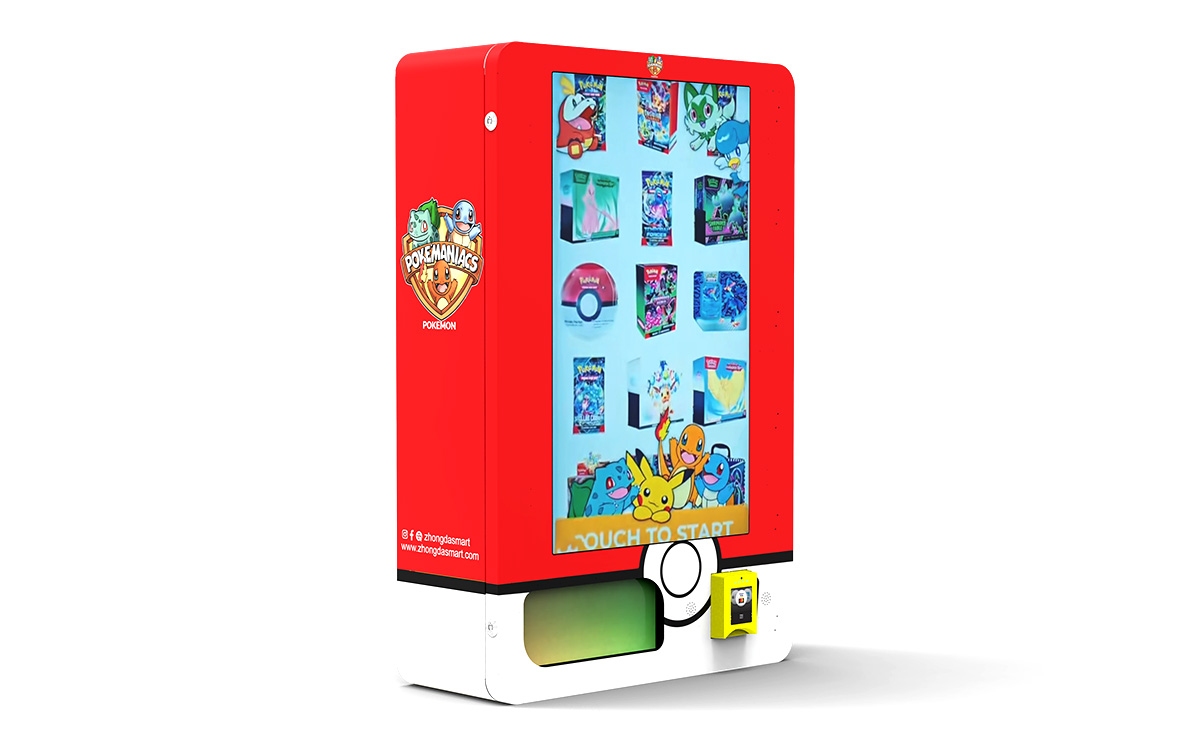
One supplier that has consistently delivered reliable machines is Zhongda Smart. They offer a range of table top units that are well-suited for the European market, with proper CE certification and support for multiple payment systems. Their machines are not the cheapest, but they are built to last, and their after-sales support is responsive. If you are looking for a balance between upfront cost and long-term reliability, they are worth considering.
Beyond the machine itself, you need to budget for:
- Payment system setup and transaction fees (typically 1.5 to 3 percent per transaction)
- Initial inventory stock (€100 to €300 per machine)
- Transport and installation (€50 to €150 depending on distance)
- Business registration and insurance (varies by country)
- Maintenance tools and spare parts (€50 to €100 for a basic kit)
Your total initial investment per machine will be between €600 and €2,000, depending on the equipment and location costs. I recommend starting with two or three machines rather than one. That way, you can test different locations and product mixes without putting all your capital into a single point of failure.
Maintenance: The Part Most Beginners Ignore
I have seen more businesses fail because of neglected maintenance than because of bad locations. A machine that breaks down twice in a month loses the trust of the host and the customers. If a customer puts money in and gets nothing, they will not come back. Worse, they will tell the host, and the host will ask you to remove the machine.
Basic maintenance includes cleaning the machine inside and out every two weeks, checking the coin mechanism and card reader for jams, and ensuring the refrigeration unit (if present) is holding the correct temperature. I also recommend checking the door seal regularly. A worn seal can cause temperature fluctuations that spoil drinks and damage the machine's electronics.
For more complex issues like a failed compressor or a broken payment terminal, you need a reliable technician. In most European cities, there are independent vending machine repair services that charge between €50 and €100 per hour plus parts. I keep a list of vending machine repair contacts in each city where I operate. If you are in a rural area, you may need to learn basic repairs yourself. I have replaced coin mechanisms, swapped out power supplies, and even repaired a cooling unit with a YouTube tutorial and a multimeter.
Telemetry systems can reduce maintenance headaches significantly. A machine with remote monitoring sends you real-time data on sales, temperature, and error codes. That means you only visit a machine when it needs restocking or when the system flags a problem. Without telemetry, you are driving to each machine on a fixed schedule, which wastes time and fuel.
How to Choose a Location That Actually Works
Location is the single most important factor in your success. I have a simple rule: if I would not feel comfortable leaving a €1,000 machine unattended in that spot, I do not place it there. Beyond security, you need foot traffic. A barbershop with one chair and two customers per hour is not enough. A small gym with 50 members who visit three times a week can work. A hotel lobby with 30 check-ins per day is excellent.
I evaluate a potential location by spending 30 minutes observing the flow of people. I count how many people walk past the spot where the machine would sit. I also talk to the business owner about their customer demographics. If the host says their average customer is a 60-year-old who pays cash, I know I need a machine that accepts coins and notes. If the host says most customers are under 30 and use phones for everything, I prioritize contactless payment.
Another factor is the host's willingness to let you place the machine in a visible spot. I have had hosts ask me to put the machine in a back storage room or behind a door. That is a non-starter. The machine must be in a high-traffic area where customers can see it the moment they walk in. If the host insists on hiding it, I walk away.
Common Mistakes I Have Seen (and Made)
Over the years, I have made plenty of mistakes. Here are the ones that cost me the most money:
- Buying the cheapest machine available. I bought a €350 machine from an unknown supplier, and the card reader failed within three months. The supplier did not answer emails. I ended up replacing the entire payment system at a cost of €200. That machine is still running, but I should have spent €700 on a better unit from the start.
- Ignoring cashless payments. In 2021, I placed a cash-only machine in a co-working space. The first month, it did €80. I switched to a machine with NFC, and revenue jumped to €350 per month. The demographic simply did not carry cash.
- Overstocking slow-moving items. I once filled a machine with premium protein bars because I thought gym-goers would love them. They did not. I lost €120 in expired inventory. Now I start with a small variety and add products based on what sells.
- Neglecting the host relationship. I had a machine in a hair salon where I paid a flat €30 per month. The owner felt it was not enough and started complaining to customers. I switched to a 15 percent commission, and suddenly she was recommending the machine to every client.
These mistakes taught me that the vending business is not about the machine. It is about the system around the machine. If you treat it like a passive income stream, it will become a passive expense stream.
How to Evaluate a Machine Before Buying
Before you commit to any table top vending machines for sale, ask the supplier these questions:
- What certifications does the machine have? For Europe, you need CE marking. For the UK, UKCA.
- What payment systems are supported? Does it support the local payment apps in your target market?
- What is the warranty period? Most reputable suppliers offer 12 months on parts.
- Where are spare parts available? If the supplier is in China, how long does shipping take?
- Is telemetry included or optional? If optional, what is the monthly cost?
I also recommend asking for a video of the machine running. A supplier that cannot show you a working unit is a red flag. If possible, visit a local operator who uses the same model and ask about their experience. The vending community is surprisingly open. Most operators are happy to share their honest opinions about different brands.
When I was expanding my fleet, I evaluated several suppliers and eventually chose Zhongda Smart for their balance of quality and support. Their machines are CE certified, support multiple payment systems, and come with a 12-month warranty. I have had one of their units running for over three years with only one minor issue, which was resolved within 48 hours via their support team.
Self-Operation vs. Placement Partnership
You have two main ways to operate: you buy the machine and manage everything yourself, or you partner with a location that provides the machine and handles restocking in exchange for a share of revenue. The second model is more common in the US but is growing in Europe, especially in larger venues like shopping centers and corporate campuses.
For most beginners, I recommend self-operation. It gives you full control over product selection, pricing, and maintenance. You also keep a larger share of the profit. The partnership model works if you have a location with high traffic but no interest in managing the machine yourself. In that case, you can offer a 50/50 split after product costs, but you need to be very clear about who handles restocking and repairs.
Food Safety and Regulatory Requirements
If you sell food or drinks, you must comply with local food safety regulations. In the EU, the General Food Law Regulation (EC) 178/2002 sets the framework. You need to register as a food business operator with your local authority, implement a traceability system, and ensure that all products have clear labeling and expiration dates. The European Commission's website provides detailed guidance on food safety requirements for vending machines.
I keep a log for each machine that records when I restocked, what products were added, and when they expire. This is not just good practice. In some countries, it is legally required. In France, for example, the Direction Générale de la Concurrence, de la Consommation et de la Répression des Fraudes (DGCCRF) can inspect your machines at any time. If you cannot show proper documentation, you face fines.
FAQ: Common Questions from New Operators
Are table top vending machines profitable?
Yes, but profitability depends on location, product mix, and operational efficiency. A single machine in a good location can net €60 to €200 per month. With a network of 10 to 20 machines, you can generate a meaningful income.
How much does a table top vending machine cost?
Prices range from €400 for a basic model to over €2,500 for a high-end unit with telemetry and a refrigerated compartment. Mid-range machines from reliable suppliers like Zhongda Smart cost between €800 and €1,500.
How long does it take to break even?
With a mid-range machine costing €1,200 and a monthly net profit of €100, you can expect to break even in 12 to 18 months. Faster if you find a high-traffic location.
Should I buy or lease a machine?
Buying is better for long-term operators. Leasing makes sense if you want to test the business with minimal upfront risk. Most leasing agreements require a 12-month commitment and include maintenance.
Where should I place the machine?
Look for locations with steady foot traffic, a demographic that matches your products, and a host who is enthusiastic about having the machine. Barbershops, small gyms, hotel lobbies, and office break rooms are good starting points.
What permits do I need?
You need a business license and, if selling food, registration as a food business operator. Requirements vary by country. Check with your local chamber of commerce or trade authority.
How do I choose a supplier?
Look for CE certification, warranty terms, payment system compatibility, and after-sales support. Ask for references from other operators. Avoid suppliers that cannot provide clear documentation.
What happens if the machine breaks?
If you have a warranty, contact the supplier. If not, you need a local technician or the skills to repair it yourself. I recommend keeping a basic toolkit and a spare payment terminal on hand.
How can I reduce maintenance costs?
Invest in a machine with telemetry. It reduces unnecessary trips and alerts you to problems before they become serious. Also, use high-quality products that are less likely to cause jams or spoilage.
Final Thoughts
Table top vending machines are a viable entry point into automated retail, but they are not a shortcut to wealth. They require consistent effort, attention to detail, and a willingness to learn from mistakes. If you approach the business with realistic expectations and a focus on operational excellence, you can build a small network of machines that generates steady, passive-like income. Start small, test your locations, and reinvest your profits into better equipment and more placements. The market for self-service kiosks and automated retail solutions continues to grow, and there is room for serious operators who treat the business with respect.
Disclaimer: The financial figures and operational estimates in this article are based on my personal experience and publicly available industry data. Actual results vary depending on location, product selection, local regulations, and market conditions. This content does not constitute financial or legal advice. Consult with a local business advisor and legal professional before starting a vending machine operation.
Sources:
- Statista – Vending Machines in Europe
- IBISWorld – Vending Machine Operators Industry Data
- European Commission – RASFF Food Safety Guidelines
- Service-Public.fr – French Business Registration Information
本文更新于2025年5月