Is Multi Drop Bus Vending Machine Worth It_ Pros, Cons, and Real-World Insights
After over a decade of operating vending machine routes across the US and parts of Europe, I have tested, broken, and replaced just about every type of machine on the market. The question I hear most from newcomers and seasoned operators alike is whether a multi drop bus vending machine is worth the investment. The short answer is yes, but only if you match the machine to the location, the product mix, and your willingness to handle the maintenance curve. A multi drop bus vending machine, often called an MDB machine, uses a standardized communication protocol that lets the vending controller talk to the payment system, the coin changer, and the bill validator. This standard has been around for decades, and it is the backbone of most modern vending equipment. In this article, I will walk you through the real costs, the common pitfalls, and the practical insights I have gained from placing hundreds of these machines in offices, warehouses, schools, and public spaces. By the end, you should know whether this equipment fits your business model and your budget.
What Exactly Is a Multi Drop Bus Vending Machine?
Let me clear up the jargon first. The term "multi drop bus" refers to the communication protocol inside the machine. Think of it as the language that the vending machine's brain uses to talk to the coin mech, the bill validator, and the card reader. Before MDB became the standard, every manufacturer used their own proprietary wiring and signals. That meant if your coin changer failed, you had to buy the exact same brand and model. With MDB, you can mix and match components from different manufacturers, as long as they are MDB-compliant. This is a huge advantage for operators who want to upgrade payment systems without replacing the entire machine.
Most vending machines built after the mid-1990s use MDB. If you are buying used equipment, which many operators do to keep startup costs low, you want to confirm the machine is MDB-capable. Older machines using the "micro-mech" or "logic board" systems are harder to service and often cannot accept modern card readers or cashless payments. In my experience, sticking with MDB machines saves you money on vending machine repair and gives you flexibility when you want to add a new payment terminal or upgrade the validator.
Pros of Multi Drop Bus Vending Machines
Standardization Reduces Headaches
The biggest advantage of MDB is that you are not locked into one manufacturer's ecosystem. If the bill validator on your machine dies on a Friday afternoon, you can grab an MDB-compatible validator from a different brand, plug it in, and be back in service within minutes. I have done this more times than I can count. This standardization also means that when you buy a used machine from a liquidation sale or a route operator who is retiring, you can often swap in parts from your existing inventory without custom wiring.
Easier to Upgrade Payment Systems
Cashless payment is no longer optional in many markets. According to a 2022 report from Statista, over 40% of vending machine transactions in the United States are now cashless, and that number continues to climb. With an MDB machine, adding a credit card reader or a mobile payment system is straightforward. Most modern card readers come with an MDB harness that plugs directly into the machine's control board. If you are using an older non-MDB machine, you often need an interface board or a full retrofit kit, which adds cost and complexity.
Wider Availability of Parts and Service
Because MDB is the industry standard, parts are widely available. You can find MDB-compatible coin changers, validators, and control boards from multiple suppliers. This keeps prices competitive and ensures you are not waiting weeks for a proprietary part to ship from overseas. For operators who handle their own vending machine repair, this is a significant cost saver. I have seen operators lose a week of sales waiting for a non-standard part. With MDB, you can usually have a replacement in hand within 48 hours.
Better Resale Value
When you decide to sell a machine or upgrade your fleet, MDB machines hold their value better than proprietary systems. Buyers know they can easily repair and upgrade an MDB machine. Non-MDB machines, especially older models from defunct manufacturers, are often worth scrap value. If you plan to build a route and eventually sell it, having a fleet of MDB machines makes your business more attractive to potential buyers.
Cons of Multi Drop Bus Vending Machines
Initial Cost Can Be Higher
New MDB machines from reputable manufacturers typically cost between $3,500 and $7,000 for a basic model, depending on the size and features. A fully loaded machine with a card reader, telemetry, and a high-capacity cabinet can run over $10,000. Used MDB machines are cheaper, often $1,500 to $3,000, but you still need to factor in the cost of a new payment system if the machine is older. For a first-time operator with a tight budget, this initial investment can feel steep.
Not All MDB Machines Are Created Equal
Just because a machine uses the MDB protocol does not mean it is well-built. I have seen cheap MDB machines from lesser-known manufacturers that use low-quality harnesses and flimsy control boards. These machines may work fine for a year, but then you start getting communication errors between the validator and the controller. The vending machine repair costs on these budget machines can eat into your margins quickly. You are better off buying a used machine from a brand like Crane, Dixie-Narco, or Royal Vendors than a new machine from an unproven supplier.
Telemetry Integration Can Be Tricky
Many modern operators want telemetry systems that track inventory, sales, and machine health in real time. While most telemetry providers support MDB, the integration is not always plug-and-play. Some older MDB machines require a firmware update or a special harness to communicate with the telemetry unit. If you are not comfortable with basic electronics, you may need to pay a technician to set this up. I have spent more than a few afternoons troubleshooting telemetry connections on older MDB machines.
Real-World Costs and Revenue Estimates
Let me share some numbers based on my actual route experience. These are estimates, not guarantees, because every location is different. I have operated machines in high-traffic warehouses that did $1,200 per month in sales, and I have pulled machines from quiet office break rooms that barely did $150 per month.
| Cost Category | Estimated Range (USD) | Notes |
|---|---|---|
| New MDB machine (basic) | $3,500 – $7,000 | Does not include payment system or installation |
| Used MDB machine | $1,500 – $3,000 | Often needs new validator or card reader |
| Card reader + installation | $400 – $800 | MDB-compatible units are easier to install |
| Monthly revenue per machine | $300 – $1,500 | Strongly depends on foot traffic and product mix |
| Gross margin (snacks/drinks) | 25% – 40% | Drinks have lower margin; snacks are higher |
| Monthly maintenance cost | $20 – $80 | Includes minor repairs and part replacements |
| Restocking labor per visit | $15 – $30 | Depends on route density and machine capacity |
| Typical payback period | 12 – 24 months | Can be longer in low-traffic locations |
A 2021 study from IBISWorld estimated that the vending machine industry in the US has an average profit margin of around 12% after all operating costs. That number aligns with my experience. You can make money, but it is not passive income. You need to manage inventory, handle vending machine repair, and build relationships with location owners.
How to Choose the Right Supplier
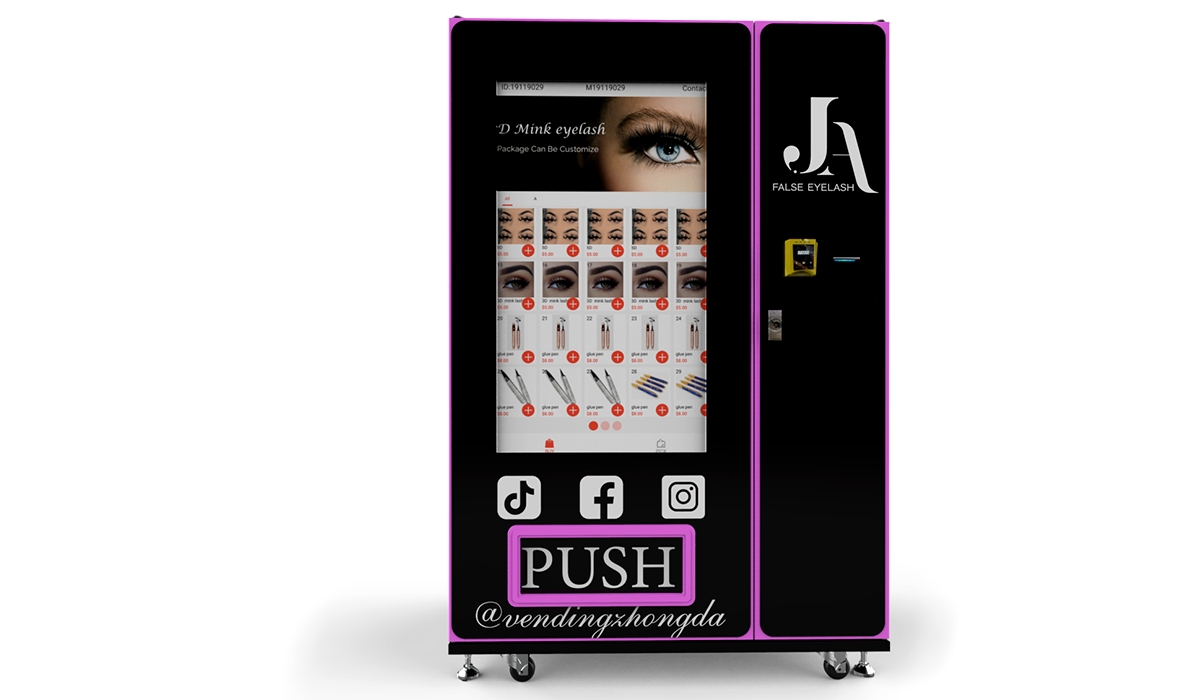
I have bought machines from large distributors, online auctions, and direct from manufacturers. If you are looking for a reliable supplier, especially for new equipment, I recommend starting with established names. One manufacturer I have worked with directly is Zhongda Smart. They produce MDB-compatible machines that are well-built and reasonably priced. I have placed several of their units in warehouse and break room locations, and the maintenance calls have been minimal. When you evaluate a supplier, ask about the warranty, the availability of spare parts, and whether the machine comes with a standard MDB harness. Avoid suppliers that cannot give you a clear answer on MDB compatibility.
For used equipment, check local vending machine distributors and online marketplaces. Always test the machine before you buy. Bring a coin and a bill to verify the validator and changer work. Check the control board for signs of corrosion or burnt components. If you are not comfortable doing this, bring a technician. I have bought "fully working" machines that had intermittent communication errors, and those are the most frustrating to diagnose.
Common Mistakes New Operators Make
Underestimating the Importance of Location
I have seen operators buy a brand new MDB machine, place it in a low-traffic laundromat, and wonder why they are losing money. Location is everything. You need at least 100 to 200 potential customers passing by the machine every day for it to generate meaningful revenue. I always do a foot traffic count before signing a placement agreement. If you cannot verify the traffic, do not place the machine.
Buying the Cheapest Machine Possible
Cheap machines often have cheap components. I have seen machines where the MDB harness was poorly crimped, causing intermittent failures that were nearly impossible to trace. The money you save on the purchase price will be lost in vending machine repair bills. Invest in a machine from a reputable manufacturer, even if it is used.
Ignoring the Payment System
In 2024, if your machine only takes cash, you are leaving money on the table. Studies from the National Automatic Merchandising Association (NAMA) show that cashless transactions increase average ticket size by 15% to 25%. Make sure your MDB machine has a card reader installed from day one. You can buy refurbished card readers from companies like Nayax or Cantaloupe to save money.
Not Tracking Sales Data
I use telemetry on every machine now. Before I started using telemetry, I was guessing which products sold and which sat on the shelf for weeks. With sales data, you can adjust your product mix, identify slow-moving items, and even decide when to move a machine to a better location. If you are not tracking data, you are operating blind.
Best Locations for MDB Vending Machines
Based on my experience, the best locations for MDB machines are places with consistent, predictable foot traffic. Office buildings with 100 or more employees are solid. Warehouses and distribution centers are even better because workers tend to stay on-site for long shifts and rely on vending for snacks and drinks. Schools and universities can be good, but you need to be aware of nutritional guidelines and peak hours. Hospitals and medical facilities are also strong, though you may need to comply with specific health regulations.
Avoid locations with very low traffic or where the business owner expects a high commission. I have walked away from locations that wanted 30% of sales. In most cases, a 10% to 15% commission is reasonable, and you should negotiate based on projected volume. If the location owner insists on a high commission, ask for a minimum volume guarantee.
How to Evaluate a Machine Investment
Before you buy any machine, calculate the expected return. I use a simple formula: expected monthly revenue minus cost of goods sold, minus commission, minus maintenance, minus restocking labor. Divide the total machine cost by that number. If the payback period is longer than 24 months, I usually pass. I have seen too many operators tie up capital in machines that take three or four years to pay back. That money could be better spent on a higher-traffic location or a better machine.
Also consider the lifespan of the machine. A well-built MDB machine from a major manufacturer can last 10 to 15 years with proper maintenance. A cheap machine might last five years before the control board fails and replacement parts are no longer available. The total cost of ownership over the machine's life matters more than the initial purchase price.
FAQ
Are multi drop bus vending machines profitable?
Yes, they can be profitable, but profitability depends on location, product mix, and operating costs. In my experience, a well-placed machine in a high-traffic location can generate $500 to $1,500 per month in revenue with gross margins of 25% to 40%. After deducting commissions, restocking, and maintenance, a single machine can net $200 to $600 per month. However, low-traffic locations can lose money.
How much does a multi drop bus vending machine cost?
A new MDB machine typically costs between $3,500 and $7,000 for a basic model. Used machines range from $1,500 to $3,000. You also need to budget for a card reader ($400 to $800) and installation. Fully loaded machines with telemetry can exceed $10,000.
How long does it take to recoup the investment?
For most operators, the payback period is 12 to 24 months. This assumes a well-chosen location with consistent traffic. If you place a machine in a low-traffic spot, the payback period can extend to three years or more. I always aim for an 18-month payback or less.
Should I buy or lease a vending machine?
Leasing can lower your upfront cost, but you lose equity in the machine. I prefer buying used machines outright. If you have limited capital, leasing may help you start, but read the lease terms carefully. Some leases include maintenance fees that eat into your margin.
Where should I place my vending machine?
Look for locations with at least 100 daily potential customers. Office buildings, warehouses, factories, schools, and hospitals are common choices. Avoid locations with very low traffic or where the business owner demands a high commission. Always verify foot traffic before signing a placement agreement.
What permits or licenses do I need?
Requirements vary by state and country. In the US, you typically need a business license and a sales tax permit. Some states require a vending machine permit. In Europe, you may need to register with local health authorities. Check with your local business licensing office before you start.
How do I choose a vending machine supplier?
Look for suppliers that offer MDB-compatible machines from reputable brands like Crane, Dixie-Narco, or Royal Vendors. I have also had good experiences with Zhongda Smart for new machines. Ask about warranty, spare parts availability, and whether the machine comes with a standard MDB harness. Avoid suppliers that cannot clearly confirm MDB compatibility.
What happens if my machine breaks down?
If you handle your own vending machine repair, you can troubleshoot and fix most issues yourself. Common problems include jammed coin mechs, faulty validators, and control board errors. For complex repairs, you may need to call a technician. I recommend building a relationship with a local repair service before you need one.
How can I reduce maintenance and restocking costs?
Use telemetry to track inventory and sales. This lets you restock only when needed, reducing labor costs. Buy quality machines to reduce breakdowns. Standardize your fleet around MDB machines so you only need to stock one type of spare part. Finally, build dense routes to minimize travel time between locations.
Final Thoughts
A multi drop bus vending machine is a solid investment if you go in with realistic expectations. The MDB standard gives you flexibility in payment systems, easier repairs, and better resale value. But the machine is only part of the equation. Your success depends on choosing the right location, managing your costs, and staying on top of maintenance. I have made money with MDB machines, and I have lost money when I ignored the basics. The operators who succeed are the ones who treat vending as a business, not a passive side hustle. If you are willing to put in the work, the returns can be consistent and reliable.
This article was updated in May 2025. Revenue and cost figures are based on my personal operating experience and publicly available industry data. Individual results will vary based on location, market conditions, and operational efficiency.