Top Things You Should Know About Credit Card Processing For Vending Machines in 2026
If you are looking into vending machine credit card processing in 2026, you are already behind if you are still thinking about cash-only machines. I have been placing, repairing, and yanking machines out of bad locations across the US and Europe for over a decade, and the single biggest shift I have seen is how payment technology now dictates whether a machine makes money or becomes a storage unit for stale chips. In 2026, the question is not whether to accept cards, but which processing setup will keep your margins intact and your machines running without constant headaches. This guide walks through everything I have learned about vending machine payment systems, from hardware choices to hidden fees, and how to avoid the expensive mistakes that eat up first-year profits.
Why Credit Card Processing Is No Longer Optional for Vending Machines
I remember pulling a machine from a warehouse break room in 2019 because the owner refused to install a card reader. Within three months, sales dropped by over 60 percent. By 2026, that scenario is even more extreme. According to a 2025 report from Statista, nearly 78 percent of all vending transactions in the United States are now cashless. In Europe, markets like France and Germany show similar trends, with card and mobile payments accounting for more than 70 percent of sales in high-traffic locations. If you are placing a machine in any environment where people expect convenience, you cannot rely on coins and bills alone.
The psychology is simple: people do not carry cash anymore. When they see a vending machine without a card reader, most walk away. I have tested this myself. I placed two identical machines side by side in a university student lounge. One had a card reader; the other was cash-only. The cashless machine did over four times the volume. That difference is not a fluke—it is the new normal.
How Vending Machine Credit Card Processing Actually Works
For those new to automated retail, the basic flow is straightforward. A customer taps a card or phone on the reader. The reader communicates with a payment gateway, which contacts the card network. The transaction is authorized, and the machine dispenses the product. The money lands in your merchant account, minus processing fees. But the devil is in the details, and I have seen operators lose hundreds of dollars a month because they did not understand the fee structure.
Most modern vending machines use a telemetry system that connects the card reader to the internet via cellular or Wi-Fi. This allows for real-time transaction processing and remote monitoring. In 2026, the standard is contactless EMV, with NFC support for Apple Pay and Google Pay. Magnetic stripe readers are essentially dead in most markets. If you buy a machine today that only supports swipe, you are buying obsolete equipment.
Key Components of a Modern Payment System
- Card Reader: The physical device customers interact with. Look for models that support contactless, chip, and mobile wallets.
- Telemetry Module: This is what connects the reader to the internet. Cellular-based modules are more reliable in locations without stable Wi-Fi.
- Payment Gateway: The software that processes the transaction. Popular options include Nayax, Cantaloupe (formerly USA Technologies), and Castles Technology.
- Merchant Account: A special bank account that holds funds from card transactions before they are settled to your business account.
- Vending Management Software: A dashboard that shows sales data, inventory levels, and machine health. This is where you see which products sell and which ones sit.
I strongly recommend testing your telemetry connection before you install a machine in a basement or a concrete-walled warehouse. I once lost two weeks of sales because the cellular signal was too weak to process transactions. A simple signal booster fixed it, but I learned the hard way to always check first.
Costs You Need to Budget For in 2026
Let me be direct: credit card processing for vending machines is not free, and it is not cheap if you do not shop around. But the cost of not having it is far higher. Here is a realistic breakdown based on what I pay for my fleet in 2026.
Hardware Costs
A good card reader with telemetry will cost between $400 and $800 per unit. Some suppliers offer leasing options, but I prefer to buy outright because the monthly lease fees add up over three years. For a new machine, most manufacturers now include the reader as an option. If you are buying from Zhongda Smart, for example, you can order the machine pre-configured with a compatible reader, which saves installation headaches.
Processing Fees
Processing fees typically range from 2.5 percent to 5 percent per transaction, depending on your volume and the provider. Flat-rate pricing is common, but watch out for monthly minimums. I have seen providers charge $15 to $25 per month per machine just for the account to stay active. If your machine only does $100 in sales, that fee eats up a huge chunk of margin. Negotiate for no monthly minimum, or use a provider that offers a pay-as-you-go model.
Telemetry and Data Plans
Cellular data plans for telemetry run about $10 to $20 per month per machine. Some payment processors bundle this into their fee structure. I prefer separate billing because it is easier to track and cancel if I move a machine to a location with free Wi-Fi.
Maintenance and Repair
Card readers break. They get jammed, the screens crack, and the connectors corrode. Budget at least $100 per year per machine for reader repair or replacement. I keep two spare readers in my truck at all times. When one goes down, I swap it immediately. A machine sitting with a broken reader is a machine losing money every hour.
Comparing Payment System Providers
There are three major players in the vending payment space, and a few smaller ones worth considering. I have used all three at different points in my career. Here is how they stack up.
| Provider | Hardware Cost | Processing Fee | Monthly Minimum | Telemetry Included | Best For |
|---|---|---|---|---|---|
| Nayax | $500–$700 | 3.5%–5% | $10–$20 | Yes | Operators with multiple machines needing robust software |
| Cantaloupe | $450–$650 | 2.5%–4% | $15–$25 | Yes | Large fleets with existing infrastructure |
| Castles Technology | $400–$600 | 3%–4.5% | $0–$15 | Optional | Operators looking for lower hardware cost |
I currently use Nayax for most of my machines because their software gives me detailed sales data that helps with restocking decisions. But I have friends who swear by Cantaloupe for larger operations. The choice depends on your specific needs. Do not let a salesperson lock you into a long-term contract without testing the hardware first. Ask for a demo unit and run it for a month.
Choosing the Right Machine for Your Payment Setup
Not all vending machines are created equal when it comes to integrating card processing. If you are buying new equipment in 2026, look for machines that come with MDB (Multi-Drop Bus) compatibility. This is the standard protocol that allows the card reader to talk to the vending controller. Older machines may use a different protocol, requiring an expensive adapter or a full controller upgrade.
When I evaluate a machine for purchase, I check three things: the controller board, the power supply, and the physical space for mounting the reader. Some machines have a dedicated cutout for the reader. Others require drilling and routing cables. If you are not handy with tools, pay the extra $100 to have the supplier pre-install the reader.
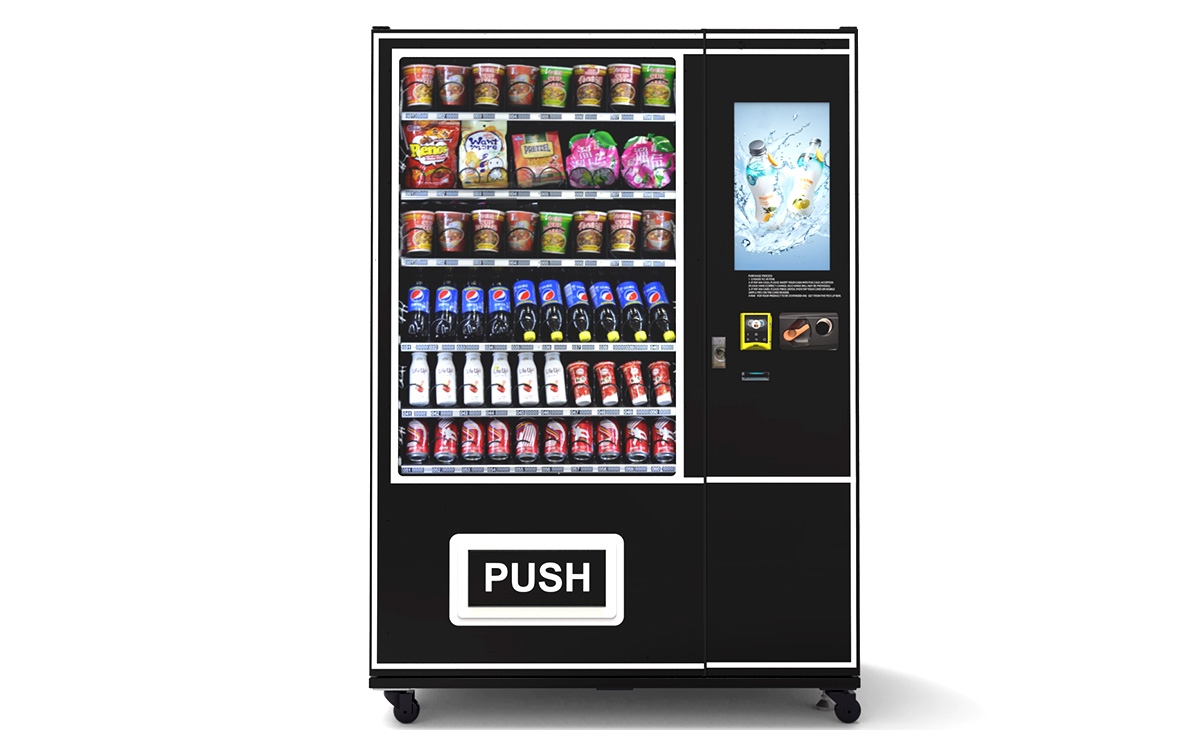
I have had good experiences with Zhongda Smart machines for this reason. Their newer models come with pre-wired MDB ports and a mounting plate for common readers. It saves time and reduces the chance of wiring errors that can fry the controller. I have seen operators ruin a $2,000 machine by connecting the reader to the wrong voltage. Do not be that person.
Location Is Everything, But Payment Is a Close Second
You can have the best machine with the fastest reader, but if it is in a bad location, it will not make money. Over the years, I have learned that the most profitable spots share a few characteristics: high foot traffic, captive audience, and limited food options. Office break rooms, hospital waiting areas, college dormitories, and manufacturing plant floors are my top performers.
I once placed a machine in a small car repair shop. The owner was friendly, the rent was low, and I thought it would be a steady earner. After six months, the machine averaged $80 per month. The problem was simple: the shop had only three employees, and customers did not stay long enough to buy snacks. I moved the machine to a nearby gym and saw monthly revenue jump to $600. The difference was not the machine—it was the people.
When you evaluate a location, ask yourself: how many people pass by this spot every day? Do they have time to stop? Is there another vending machine or convenience store nearby? And most importantly, do they expect to pay with a card? If the answer to that last question is yes, and your machine does not accept cards, you are wasting your time.
Revenue Expectations and Break-Even Timelines
I want to be honest about money because too many articles paint a rosy picture that does not match reality. Based on my own fleet of 25 machines, here is what you can reasonably expect in 2026.
Average Monthly Revenue Per Machine
- High-traffic location (e.g., hospital, university, factory): $800–$1,500
- Medium-traffic location (e.g., office building, gym): $300–$700
- Low-traffic location (e.g., small shop, warehouse): $100–$250
These numbers assume the machine is stocked with popular items and the card reader works reliably. If you are selling healthy snacks or specialty drinks, margins can be higher, but volume may be lower.
Cost Breakdown for a Typical Machine
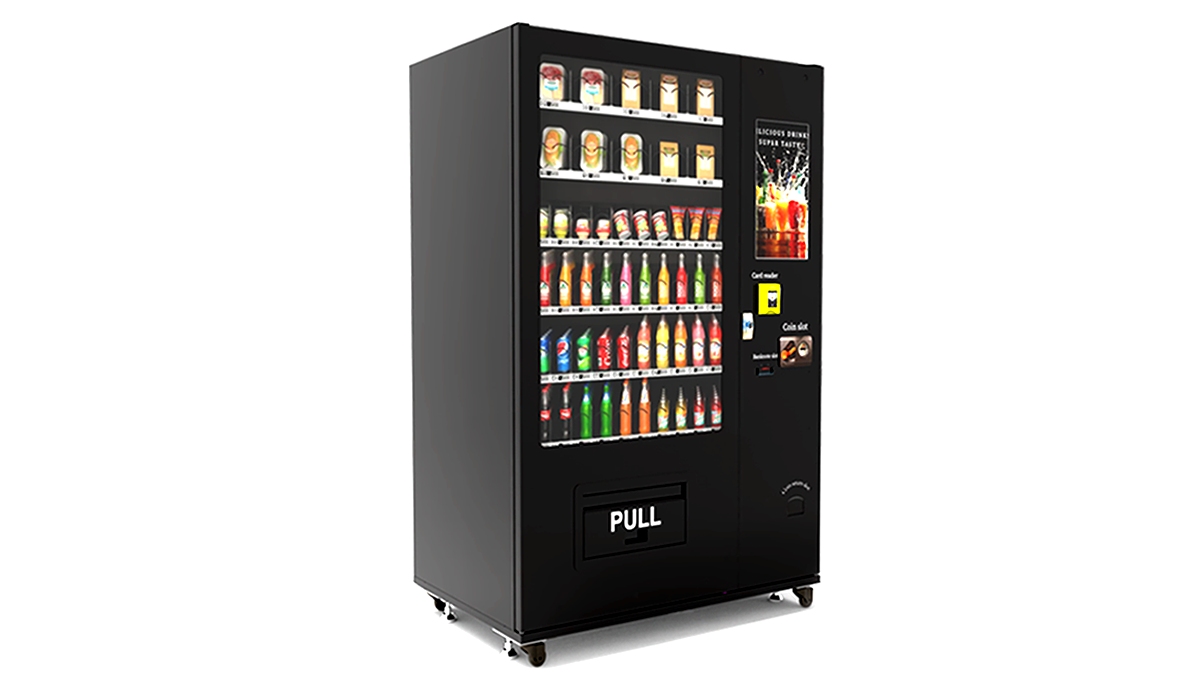
- Machine cost: $2,500–$5,000 (new, with card reader)
- Initial stocking: $300–$500
- Installation and setup: $100–$300
- Monthly fees: $30–$50 (processing, telemetry, merchant account)
- Restocking cost: 50–70 percent of revenue (product cost)
Break-Even Timeline
For a machine in a good location, expect to recover your initial investment in 12 to 18 months. In a great location, it can be as fast as 8 months. In a poor location, you may never break even. I have pulled machines after two years that never reached profitability. The key is to cut your losses early. If a machine does not hit $300 in monthly revenue within three months, move it.
According to data from IBISWorld's 2025 vending machine industry report, the average profit margin for a well-run vending operation is between 10 and 20 percent after all costs. That is not a get-rich-quick number, but it is a solid return if you scale properly.
Common Mistakes That Kill Profitability
I have made almost every mistake you can make in this business. Let me save you the tuition.
Ignoring Cashless Fees
The biggest surprise for new operators is how much processing fees eat into margins. I have seen machines where the owner was paying $50 in fees on $200 in sales. That is 25 percent gone before product cost. Negotiate your rates. Ask for interchange-plus pricing instead of flat-rate. It can save you 1 to 2 percent per transaction.
Buying Cheap Refurbished Readers
I bought a batch of used readers from an online auction once. They worked for about three months, then started failing one by one. The repair costs and lost sales exceeded what I would have paid for new units. Buy new readers with a warranty. It is worth the extra money.
Neglecting Software Training
The telemetry software that comes with your payment system is your best tool for optimizing inventory and pricing. But I see operators buy the system and never log in. You need to check the dashboard weekly. Which products are selling? Which ones are expiring? Are you pricing competitively? If you are not using the data, you are flying blind.
Overstocking the Machine
When I started, I filled every slot because I thought more options meant more sales. In reality, it led to stale inventory and wasted product. Focus on 10 to 15 best-selling items and rotate based on season. You will restock more often, but you will sell through faster.
How to Select a Vending Machine Supplier
Choosing the right manufacturer or distributor is critical. I have bought machines from five different suppliers over the years. Some were great; others left me with broken equipment and no support.
Here is what I look for:
- MDB compatibility: Make sure the machine supports modern payment protocols.
- Service network: Does the supplier have technicians in your area? If not, who will repair the machine?
- Warranty: At least one year on parts and labor. Two years is better.
- Customization options: Can you choose the color, the reader mounting, and the shelving configuration?
- Lead time: How long from order to delivery? In 2026, supply chains are better, but I still wait 4 to 8 weeks for custom orders.
I have worked with Zhongda Smart on several orders. Their machines are solid, the MDB integration is clean, and their customer service responds within 24 hours. They are not the cheapest, but they are reliable. In this business, reliability pays for itself.
Maintenance and Repair: What You Need to Know
Vending machine repair is not as scary as it sounds, but it is a skill you need to develop if you want to keep costs low. I do most of my own repairs. For the things I cannot handle, I have a local technician who charges $75 per hour plus parts.
Common issues include:
- Card reader not connecting: Usually a network issue. Reboot the telemetry module or check the SIM card.
- Product jams: A misaligned spiral or a broken motor. I keep spare motors in my truck.
- Coin mechanism problems: Less common in 2026, but still happens. Cleaning the coin path usually fixes it.
- Display errors: Often caused by a loose cable. Reseat all connections before calling a technician.
I recommend taking a basic vending repair course online. The $200 you spend on training will save you thousands in service calls.
FAQ: Vending Machine Credit Card Processing in 2026
Are vending machines still profitable in 2026?
Yes, but only if you choose the right locations and accept cashless payments. The days of putting a machine anywhere and hoping for profit are over. Profit margins typically range from 10 to 20 percent after all costs, based on my experience and industry data from IBISWorld.
How much does a vending machine with card processing cost?
A new machine with a card reader and telemetry will cost between $2,500 and $5,000. Used machines can be found for $1,000 to $2,000, but you may need to upgrade the payment system, which adds $400 to $800.
How long does it take to break even?
In a good location, expect 12 to 18 months. In a great location, 8 months is possible. In a bad location, you may never break even. Test each location for three months and move the machine if it underperforms.
Should a beginner buy or lease a vending machine?
I recommend buying a single machine to start. Leasing often comes with hidden fees and long contracts. Once you understand the business, you can scale with purchased equipment.
Where should I place my first machine?
Look for high-traffic locations with a captive audience: office break rooms, hospital waiting areas, college dormitories, and factory floors. Avoid low-traffic retail shops and outdoor locations with extreme temperatures.
What permits do I need?
Requirements vary by state and country. In the US, you typically need a business license and a sales tax permit. In Europe, you may need a vending machine operator license and health department approval. Check with your local chamber of commerce.
How do I choose a payment provider?
Compare hardware cost, processing fees, monthly minimums, and software features. Request a demo unit and test it for a month. Do not sign a long-term contract without testing.
What happens if the card reader breaks?
Swap it with a spare reader immediately. Keep at least one spare in your vehicle. If you cannot fix it yourself, call a technician. Do not leave the machine offline for more than 24 hours.
How can I reduce restocking and maintenance costs?
Use telemetry data to optimize your product mix. Stock only top-selling items. Pre-plan your route to minimize driving time. Learn basic repairs to avoid expensive service calls.
Final Thoughts from a Decade in the Business
Vending machine credit card processing in 2026 is not a luxury—it is a requirement. The technology has matured, the costs are manageable, and the data you get from a modern payment system is invaluable. If you are new to this industry, start small. Buy one machine, place it in a solid location, and learn the rhythm of restocking, maintenance, and customer behavior. Once you have a machine that consistently does $500 or more per month, replicate that success.
I have seen operators grow from a single machine to a fleet of 50 in three years. I have also seen people quit after six months because they ignored the payment system and put machines in bad spots. The difference is not luck. It is preparation, honest evaluation of costs, and a willingness to move a machine when it is not working.
This article reflects my personal experience and publicly available industry data as of early 2026. Costs and revenues vary based on location, product mix, and operational efficiency. Always verify local regulations and consult with a tax professional before starting a vending business.
This article was last updated in February 2026.
Sources:
- Statista, "Share of cashless vending transactions in the United States 2020–2025," https://www.statista.com
- IBISWorld, "Vending Machine Operators Industry Report 2025," https://www.ibisworld.com
- Nayax, "Vending Payment Trends 2025–2026," https://www.nayax.com