The Complete Guide to Florida Vending Machine License Opportunities and Risks
If you're considering entering the vending machine business in Florida, the first question you likely have is whether it’s actually profitable. After a decade of operating machines across the Southeast, I can tell you that the Florida vending machine license is not just a formality—it’s the legal gateway to a market that can generate strong returns if you pick the right locations and equipment. The reality is that a single, well-placed machine can gross between $300 and $1,200 per month, but the difference between profit and loss often comes down to understanding local regulations, product margins, and operational discipline. This guide walks through the real opportunities, the hidden risks, and the practical steps I’ve learned from years of hands-on experience.
What Is a Vending Machine Business in Florida?
A vending machine business involves placing self-service kiosks in high-traffic locations to sell snacks, drinks, or specialty items without direct staff. In Florida, this ranges from traditional soda and snack machines to more modern automated retail units that sell electronics, personal care items, or even fresh food. The core model is simple: you buy or lease the machine, stock it with products, collect cash or digital payments, and restock as needed. But the simplicity ends there. Florida’s unique mix of tourism, seasonal population shifts, and strict food safety regulations creates both opportunities and pitfalls that differ from other states.
Over the years, I’ve seen operators succeed by focusing on niche products—like healthy snacks near gyms or cold drinks at beach access points—while others struggled because they ignored the cost of machine repair or underestimated the time required for routine maintenance. The key is understanding that a vending machine is not a passive income device; it’s a small retail business that requires consistent attention.
Is a Vending Machine Business Profitable in Florida?
Profitability depends on three variables: location, product mix, and operational efficiency. From my experience, a typical snack and drink machine in a good location—like a busy office building or a hotel lobby—can generate $400 to $800 per month in revenue. After subtracting product costs (roughly 40–50% of revenue), location rent (often 10–20% of gross sales), and maintenance expenses, net profit per machine usually falls between $150 and $350 per month. That means a single machine can pay for itself within 12 to 18 months if you keep costs under control.
However, I’ve also seen machines in poor locations that barely break $100 per month, which makes them a net loss once you factor in time and fuel for restocking. According to a 2023 report from IBISWorld, the vending machine industry in the U.S. has an average profit margin of about 12–15%, but that number can double in high-traffic tourist areas like Orlando or Miami. The real money often comes from scaling to 10 or more machines, where route efficiency starts to reduce per-unit costs.
Key Factors to Consider Before Buying a Vending Machine
Location Is Everything
I cannot stress this enough: the location determines 80% of your success. A high-traffic area with consistent footfall—like a hospital, university, warehouse, or apartment complex—can make even an average machine profitable. Conversely, a low-traffic spot will kill your returns regardless of how modern your equipment is. When evaluating a location, I look for at least 100–200 people passing by daily, with a captive audience that has limited alternatives. For example, a break room in a factory with 50 employees and no cafeteria is often better than a busy street corner with multiple convenience stores nearby.
One mistake I see new operators make is accepting any location offered by a property manager without verifying foot traffic. Always ask to see the site for a few days at different times. If possible, install a simple people counter or check with existing tenants about daily activity. A bad location is the fastest way to lose money in this business.
Equipment Costs and Types
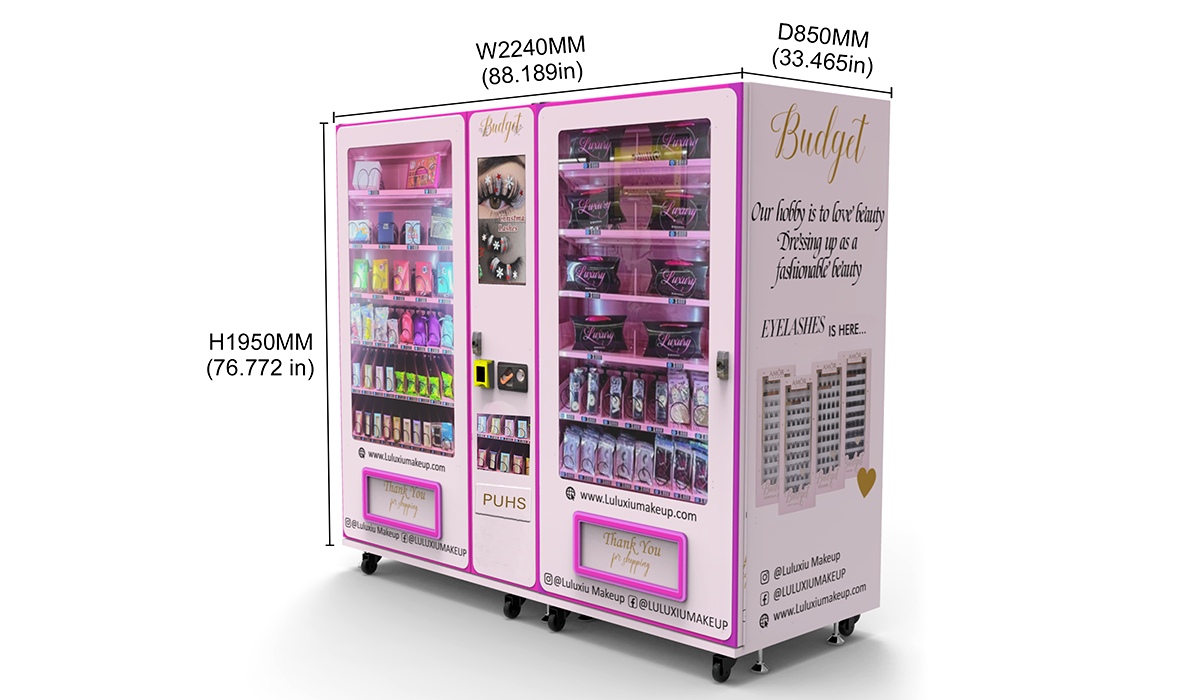
New machines range from $3,000 for a basic drink vendor to over $12,000 for a high-end combo machine with a touchscreen and cashless payment system. Used machines can be found for $1,500 to $4,000, but be cautious—older models often require frequent machine repair and may lack modern payment features that customers expect. In my experience, a reliable mid-range machine from a reputable manufacturer like Zhongda Smart offers a good balance of cost, durability, and features. Their models typically include MDB (Multi-Drop Bus) protocol, which makes upgrading payment systems easier down the line.
Below is a simple comparison table based on my operational data:
| Machine Type | New Cost Range | Monthly Revenue (Typical) | Maintenance Cost/Year | Payback Period |
|---|---|---|---|---|
| Basic Soda Machine | $2,500 – $4,000 | $200 – $500 | $150 – $300 | 12–18 months |
| Snack & Drink Combo | $5,000 – $8,000 | $400 – $800 | $250 – $500 | 14–20 months |
| High-End Touchscreen Kiosk | $9,000 – $14,000 | $600 – $1,200 | $400 – $700 | 16–24 months |
| Used/Refurbished Machine | $1,500 – $4,000 | $150 – $400 | $300 – $600 | 10–18 months |
These figures are based on my own routes and should be adjusted for your specific location costs and product pricing. Note that used machines often have higher maintenance costs, which can erase the initial savings.
Payment Systems and Technology
Today, cash-only machines are a liability. According to a 2022 study by Statista, over 60% of vending machine transactions in the U.S. are now cashless. In Florida, with its high tourist population, that number is even higher. I recommend investing in machines that support credit cards, mobile wallets, and contactless payments from day one. Retrofitting an older machine with a cashless reader costs around $400–$700, but it’s worth it—you’ll see a 15–30% increase in sales almost immediately.
Telemetry systems are another smart investment. These allow you to monitor inventory and sales remotely, reducing the number of unnecessary trips to empty machines. While they add $30–$50 per month per machine, they can cut your labor costs by 20–30% and help you spot problems before they become costly repairs.
How to Choose a Vending Machine Supplier or Manufacturer
Selecting the right supplier is one of the most critical decisions you’ll make. I’ve worked with several manufacturers over the years, and the difference between a reliable partner and a poor one becomes obvious after the first breakdown. Here are the criteria I use:
- Parts Availability: Ensure the manufacturer stocks common spare parts like compressors, selection buttons, and payment readers. Waiting weeks for a part kills your revenue.
- Warranty and Support: Look for at least a one-year warranty on new machines. Check if they have U.S.-based technical support or a local distributor who can help with machine repair.
- Customization Options: Some manufacturers allow you to configure the machine’s tray layout, color, and branding. This is useful if you want to match a specific location’s aesthetic.
- Reputation: Ask for references from other operators. Online reviews can be misleading; a direct conversation with a current user is worth more.
One manufacturer I’ve had good experiences with is Zhongda Smart. They offer a range of machines suitable for the U.S. market, with solid build quality and responsive support. I’m not saying they’re the only option, but if you’re evaluating suppliers, they’re worth a look, especially for their combo and touchscreen models.
Common Mistakes New Operators Make
Over the years, I’ve seen the same errors repeat themselves. Here are the most costly ones:
Ignoring Location Quality
New operators often accept the first location offered, thinking any foot traffic is good traffic. I’ve seen machines placed in empty lobbies or low-traffic laundromats that never broke even. Always verify traffic before signing a placement agreement.
Buying Cheap, Low-Quality Machines
I once bought a $1,200 used machine that looked like a bargain. Within three months, the compressor failed, and the payment system stopped working. Total repair costs exceeded $800, and the machine was down for weeks. A reliable machine from a known brand like Zhongda Smart or Crane might cost more upfront, but you’ll save in the long run.
Underestimating Restocking Time
Many beginners think restocking a machine takes 15 minutes. In reality, between driving, unloading, rotating stock, and cleaning, you’re looking at 30–45 minutes per machine. If you have a route with 10 machines spread across a city, that’s a full day’s work. Plan your schedule accordingly.
Neglecting Maintenance
A dirty machine with a sticky selection button or a broken card reader will lose customers fast. I schedule a basic cleaning and inspection every two weeks. Preventive maintenance on vending machine repair items—like checking the cooling system and cleaning the coin mechanism—can extend the life of your equipment by years.
Poor Product Selection
Stocking the same items in every location is a mistake. A machine near a college campus should have energy drinks and protein bars, while one in a business park should offer coffee, bottled water, and healthy snacks. I track sales data per machine and adjust inventory monthly. Products that don’t sell within two weeks get replaced.
Best Locations for Vending Machines in Florida
Florida offers several high-potential location types, but each comes with its own considerations:
- Hotels and Resorts: Tourists often need late-night snacks or drinks. Look for hotels without 24-hour front desk stores. Revenue can be high, but placement fees may be steep.
- Office Buildings and Business Parks: Consistent weekday traffic with captive customers. Ideal for snack and coffee machines. Expect to pay 10–20% commission.
- Hospitals and Medical Centers: High foot traffic and long hours. Staff and visitors need quick food options. Healthier products sell well here.
- Apartment Complexes and Condos: Residents appreciate convenience. Machines near mailrooms or laundry rooms perform well. Low competition is common.
- Schools and Universities: High volume but strict product restrictions in some districts. Check local policies before placing.
- Warehouses and Factories: Large employee bases with limited break options. Ideal for high-margin snacks and drinks.
One tip I’ve learned: always negotiate a trial period of 3–6 months with the property owner. If the machine doesn’t hit a certain revenue threshold, you can relocate without penalty. This reduces your risk significantly.
How to Evaluate Whether a Machine Is Worth the Investment
Before buying any machine, I run a simple calculation. Estimate the monthly revenue based on the location’s traffic and average transaction size (typically $1.50–$2.50 for snacks, $2.00–$3.00 for drinks). Multiply by your expected profit margin (usually 40–50% after product cost). Deduct location commission (10–20%) and estimated maintenance costs ($20–$50 per month). The resulting number should be at least $150 per month for a single machine to be worth your time. If the machine costs $6,000, that’s a 40-month payback—too long in my opinion. I aim for 18 months or less.
Also consider the opportunity cost. A machine that requires frequent machine repair or is in a low-traffic spot might be better replaced or moved. I once kept a machine in a poor location for two years because I was emotionally attached to the initial investment. That was a mistake. Cut your losses early if the numbers don’t work.
Operational Costs You Should Expect
Beyond the machine purchase price, here are the recurring costs I budget for:
- Product Cost: 40–50% of revenue. This varies by product category. Candy bars have higher margins than bottled water.
- Location Rent/Commission: Typically 10–20% of gross sales, though some prime spots charge a flat monthly fee.
- Restocking Labor: If you do it yourself, factor in your time at $20–$30 per hour. If you hire help, budget $15–$20 per hour plus travel time.
- Maintenance and Repairs: $200–$600 per machine per year, depending on age and usage. I set aside $50 per machine per month for unexpected vending machine repair costs.
- Payment Processing Fees: 2–4% of cashless transactions. This adds up, so negotiate rates with your payment provider.
- Insurance: Liability insurance costs around $300–$600 per year for a small operator. It’s not always required, but I recommend it.
- Sales Tax: Florida requires you to collect and remit sales tax on vending sales. Register with the Florida Department of Revenue and file returns monthly or quarterly.
Legal Requirements for Operating in Florida
The Florida vending machine license is not a single document but a set of permits. You’ll need a general business license from your city or county. If you sell food or beverages, you must register with the Florida Department of Agriculture and Consumer Services (FDACS) and follow their food safety guidelines. According to the FDACS website, vending machines that sell potentially hazardous foods—like sandwiches or dairy products—require a food permit and regular inspections. For non-perishable snacks and sealed drinks, the requirements are less strict, but you still need to comply with labeling and sanitation rules.
Additionally, if your machine is on public property or in certain regulated spaces like schools or government buildings, you may need a specific permit. I recommend checking with the local city clerk’s office before signing any placement agreement. Ignoring these requirements can lead to fines or machine seizure.
FAQ: Common Questions About Vending Machines in Florida
Do vending machines make money?
Yes, but it depends on location and execution. A well-placed machine can net $150–$350 per month after all costs. Poor placement leads to losses. Based on my experience and industry data from IBISWorld, the average profit margin is around 12–15% for the industry, but top operators achieve 20–30%.
How much does a vending machine cost?
New machines range from $2,500 to $14,000 depending on features. Used machines can be found for $1,500–$4,000, but expect higher maintenance costs. I recommend budgeting $5,000–$8,000 for a reliable combo machine that handles both snacks and drinks.
How long does it take to break even?
Typically 12 to 24 months for a new machine in a good location. Used machines may pay back faster but carry more repair risk. I aim for 18 months or less on every investment.
Should a beginner buy or lease a machine?
Buying is better for long-term control and profit. Leasing often comes with higher monthly costs and restrictions. However, if you’re testing the market, a short-term lease with a buy option can reduce initial risk.
Where should I place my first machine?
Start with a location you can visit easily—an office building where you know the manager, a hotel you frequent, or a warehouse where you have a contact. Easy access for restocking and machine repair makes a big difference when you’re learning.
What permits do I need in Florida?
You need a local business license and, if selling food, a permit from FDACS. Check with your city and county for specific requirements. The Florida vending machine license process varies by municipality, so don’t assume one permit covers everything.
How do I choose a good supplier?
Look for manufacturers with U.S. support, readily available spare parts, and positive references from other operators. Zhongda Smart is one example of a manufacturer that offers solid machines and responsive service, but always compare multiple options.
What if my machine breaks down?
Have a backup plan. Keep a list of local vending machine repair technicians. For common issues like jammed coin mechanisms or faulty cooling, learn basic troubleshooting. I carry a spare selection button board and a few common fuses in my vehicle.
How can I reduce restocking and maintenance costs?
Use telemetry to monitor inventory remotely. Plan efficient routes to minimize driving. Buy machines with reliable components to reduce breakdown frequency. Regular cleaning and preventive maintenance also help avoid costly emergency repairs.
Final Thoughts
The vending machine business in Florida offers real opportunities, but it’s not a shortcut to wealth. Success comes from treating it like any other retail operation—focus on location, control your costs, and stay on top of maintenance. I’ve seen operators thrive by starting small, learning the basics of machine repair and route management, and scaling only after they’ve proven their model. The Florida vending machine license process is manageable if you do your homework, and the market rewards those who pay attention to detail. If you’re willing to put in the work, this can be a solid addition to your income stream.
Disclaimer: The information in this guide is based on my personal experience and publicly available data. Actual results vary based on location, competition, and operational efficiency. Always verify current regulations with local authorities and consult a business advisor before making investment decisions.
本文更新于2025年4月