Vending Machine Interactive_ Prices, Profit Potential, and Setup Guide for Beginners
After more than a decade running vending machine routes across the US and parts of Europe, I can tell you the single question I hear most often from beginners is whether this business actually makes money. The short answer is yes, but only if you understand that a vending machine interactive business is not a passive income machine—it is a location-dependent, margin-sensitive operation that rewards discipline and punishes shortcuts. I have seen operators lose thousands by placing the wrong machine in the wrong spot, and I have seen others turn a single self-service kiosk into a steady monthly income stream that outpaces their day job. This guide walks you through real prices, realistic profit potential, and the setup steps that matter, based on what I have learned the hard way.
What a Vending Machine Business Actually Looks Like in 2025
When people imagine vending machines, they usually picture a snack machine in an office break room or a soda machine near a school gym. Those are still common, but the landscape has shifted. Today, a vending machine interactive setup can include touchscreen menus, cashless payment systems, telemetry for remote monitoring, and even machines that dispense fresh food or electronics. The core principle remains the same: you stock a machine with products people want, place it where they can easily buy, and collect the difference between your cost and the selling price.
What surprises most newcomers is how much work happens before the first sale. You need to secure a location, negotiate a commission or rental agreement, choose the right equipment, arrange delivery and installation, set up payment processing, and establish a restocking routine. None of this is complicated, but each step has pitfalls that can kill your margins if you rush through it.
Is a Vending Machine Interactive Business Profitable?
Profitability depends on three variables: location, product mix, and operating cost. I have machines that gross over $1,200 per month and machines that barely clear $200. The difference is almost always the location. A well-placed machine in a high-traffic area with the right products can generate a gross profit margin of 40% to 60% after product cost. According to a 2023 report from IBISWorld, the vending machine operating industry in the US generates approximately $7.5 billion in annual revenue, with average profit margins around 15% to 25% for established operators. Those figures match what I have seen across my own routes.
But here is the reality check: a single machine generating $300 in monthly sales will not make you rich. To build meaningful income, you typically need multiple machines in multiple locations. I started with two machines and grew to fifteen over three years. The first year was mostly break-even because I was learning which locations worked and which did not.
Revenue Expectations by Location Type
Based on my experience and conversations with other operators, here is a rough breakdown of what you can expect from different location types:
- Office buildings (50–150 employees): $300–$700 per month per machine. Consistent but seasonal dips during holidays.
- Schools and universities: $500–$1,200 per month. High volume but requires compliance with nutritional guidelines.
- Hospital waiting areas: $400–$900 per month. Steady traffic but limited product variety due to health concerns.
- Manufacturing facilities and warehouses: $600–$1,500 per month. High repeat usage, especially for drinks and snacks.
- Public transit hubs: $800–$2,000 per month. High foot traffic but also higher theft risk and maintenance needs.
- Gyms and fitness centers: $300–$600 per month. Niche demand for protein bars, water, and sports drinks.
These numbers are estimates based on my personal records and industry benchmarks. Your actual results will vary based on local demographics, competition, and how well you manage your operation.
How Much Does a Vending Machine Cost?
Equipment cost is one of the first things beginners ask about, and the range is wider than most expect. A basic used machine can cost as little as $1,500, but you will likely spend between $3,000 and $8,000 for a reliable new unit. High-end machines with touchscreens, telemetry, and cashless payment systems can run $10,000 or more.
Here is a comparison table based on what I have paid and seen in the market:
| Machine Type | New Price Range | Used Price Range | Typical Lifespan | Best For |
|---|---|---|---|---|
| Basic snack machine | $2,500–$4,500 | $1,200–$2,500 | 10–15 years | Low-traffic offices, small break rooms |
| Combo snack and drink | $4,000–$7,000 | $2,000–$4,000 | 8–12 years | Medium-traffic locations, schools |
| Glass-front merchandiser | $5,000–$8,000 | $2,500–$5,000 | 10–15 years | High-traffic areas, product visibility matters |
| Fresh food machine (refrigerated) | $6,000–$12,000 | $3,000–$6,000 | 7–10 years | Hospitals, universities, manufacturing plants |
| Touchscreen smart machine | $8,000–$15,000 | $4,000–$8,000 | 8–12 years | Modern retail, self-service kiosk environments |
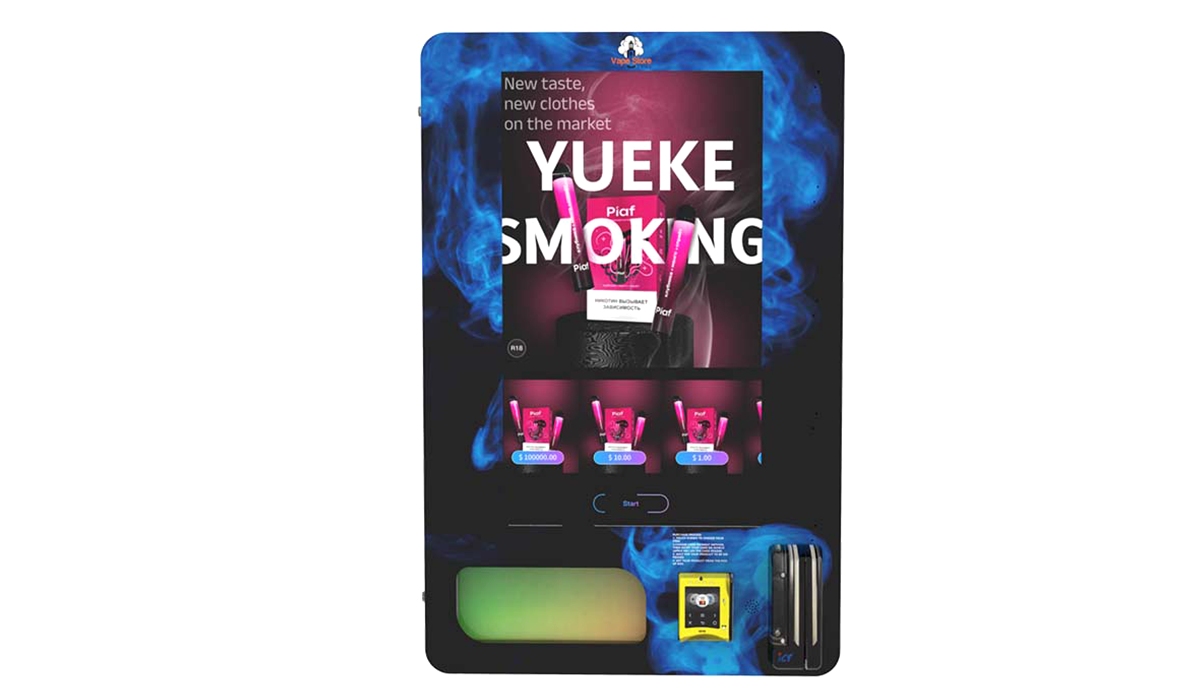
When evaluating suppliers, I recommend looking for manufacturers that offer reliable hardware and good after-sales support. One company I have worked with and seen recommended by other operators is Zhongda Smart. They produce a range of vending machines suitable for different markets, including models with cashless payment integration and remote monitoring capabilities. Their equipment is solid for the price point, and they have been responsive when I needed technical support.
Hidden Costs Beginners Overlook
The machine itself is only part of the investment. Here are costs that caught me off guard when I started:
- Payment system setup: Card readers and telemetry modules add $300–$800 per machine. Monthly processing fees run 2%–5% of sales.
- Delivery and installation: Expect $200–$500 depending on distance and whether the location has a loading dock or elevator.
- Initial inventory: Stocking a machine for the first time costs $300–$800 depending on machine size and product type.
- Insurance: General liability insurance for a small route runs about $300–$600 per year.
- Permits and licenses: Varies by city and state. Some require a business license, sales tax permit, or health department approval for food machines.
- Maintenance and repairs: Budget $200–$500 per machine per year for routine maintenance. Major repairs can cost $500–$1,500.
How to Choose a Vending Machine Supplier
I have bought machines from five different suppliers over the years, and the experience has ranged from excellent to frustrating. Here is what I look for now:
- Reliability of the equipment: Cheap machines break more often. I have learned that spending an extra $1,000 upfront saves $2,000 in repairs over five years.
- Availability of parts: If the supplier cannot ship a replacement board or compressor quickly, your machine sits idle and loses money.
- Cashless payment compatibility: In 2025, a machine without a card reader is a machine that loses sales. Make sure the supplier offers or integrates with major payment platforms.
- Warranty and support: A one-year warranty is standard. Some manufacturers offer extended warranties or service contracts. I prefer suppliers who answer the phone when I call.
- Customization options: Some locations require specific machine sizes, colors, or branding. A supplier that offers flexibility is worth considering.
Zhongda Smart is one supplier that checks most of these boxes. They have been in the automated retail space for years and offer machines that work well in both US and European markets. I have used their combo machines in several locations and found them reliable. That said, always do your own due diligence—ask for references, read recent reviews, and if possible, see the machine in operation before buying.
Setting Up Your First Machine: Step by Step
Step 1: Find the Right Location
Location is everything. I have placed machines in spots that looked great on paper but failed because foot traffic was not the right kind. A busy laundromat sounds promising, but if customers are there for 30 minutes and do not carry cash or cards, sales will be low. I look for locations where people have a clear need for a quick purchase and the time to make it. Office break rooms, warehouse floors, hospital waiting areas, and school common areas are my go-to choices.
When approaching a location owner, I always offer a commission of 10% to 20% of gross sales. Some locations prefer a flat monthly rent instead. I have found that a commission model works better for both parties because the location owner shares the risk and reward. Negotiate clearly in writing, including who handles electricity, cleaning, and any damage to the machine.
Step 2: Choose the Right Machine for the Location
Match the machine to the location. A large combo machine in a small office with 20 employees will look impressive but will not generate enough sales to justify the investment. Conversely, a small snack-only machine in a busy warehouse will run out of stock too quickly. I typically use a 40-selection snack machine paired with a 10-selection drink machine for medium-traffic locations. For high-traffic spots, a glass-front merchandiser with 50 or more selections works better.
Step 3: Set Up Payment and Monitoring
Cashless payment is no longer optional. According to a 2024 report from Statista, over 60% of vending machine transactions in the US are now cashless. I use card readers that accept credit cards, debit cards, and mobile payments like Apple Pay and Google Pay. Telemetry systems that monitor inventory and sales remotely have saved me countless hours. I can see which products are selling and which are not without driving to the location.
Step 4: Stock Smart, Not Just Full
Stocking a machine is not about filling every slot. It is about putting the right products in the right quantities. I track sales data from the telemetry system and adjust my product mix every two weeks. In a warehouse, I sell more energy drinks and protein bars. In a hospital, I sell more water, granola bars, and healthy snacks. In a school, I have to comply with nutritional guidelines, so I focus on baked chips, whole-grain snacks, and low-sugar options.
Step 5: Maintain and Restock on a Schedule
I restock each machine once a week for high-traffic locations and every two weeks for lower-traffic ones. Consistency matters. If a machine runs out of popular items and stays empty for days, customers stop coming back. I also clean the machine during each visit—a dirty machine signals neglect and reduces sales.
Common Beginner Mistakes and How to Avoid Them
I have made most of these mistakes myself, and I have watched others make them too. Here are the ones that hurt the most:
- Buying the cheapest machine possible: A $2,000 used machine from an unknown brand might seem like a bargain until the compressor fails three months in and the supplier is unreachable. Spend more upfront for reliability.
- Ignoring location quality: Placing a machine in a low-traffic spot because it was easy to get permission is a waste of money. I have done it. It did not work.
- Overstocking slow-moving products: It is tempting to fill every slot, but unsold inventory ties up cash and expires. Start with a smaller selection and expand based on sales data.
- Neglecting maintenance: A machine that breaks down and stays broken for weeks loses customer trust. Have a repair plan in place before you need it.
- Not tracking sales data: Guessing what products to stock is a losing strategy. Use telemetry or at least a simple spreadsheet to track what sells and what does not.
How to Evaluate Whether a Machine Is Worth the Investment
Before I buy a machine or agree to place one in a location, I run a simple calculation. I estimate monthly sales based on foot traffic, average transaction value, and my product margin. Then I subtract operating costs: product cost, commission or rent, payment processing fees, and an allocation for maintenance. The result is my monthly net profit. I divide the total investment (machine, delivery, setup) by that monthly net profit to get the payback period in months.
For example, if a machine costs $5,000 and I estimate $300 in monthly net profit, the payback period is about 17 months. I look for payback periods of 18 months or less. Anything longer than 24 months is risky because the machine could break down or the location could close before I recover my investment.
According to data from the National Automatic Merchandising Association (NAMA), the average payback period for a new vending machine in the US is between 12 and 24 months, depending on location and product mix. That aligns with my experience.
Different Business Models: Self-Operate, Lease, or Revenue Share
Not everyone wants to buy machines and run the operation themselves. Here are the most common models I have seen:
| Model | Pros | Cons | Best For |
|---|---|---|---|
| Self-operate (buy your own machines) | Full control, higher profit potential | Higher upfront cost, all responsibility | Operators who want to build a route |
| Lease machines from a supplier | Lower upfront cost, predictable payments | Less profit, limited customization | Beginners testing the market |
| Revenue share with a location owner | No machine investment, shared risk | Lower profit share, less control | Location owners who want vending without buying |
I started with self-operate because I wanted to learn the business from the ground up. If I were starting today with limited capital, I would consider leasing a machine for the first year to validate the location before committing to a purchase.
Legal and Regulatory Considerations
Requirements vary by country, state, and even city. In the US, you typically need a business license and a sales tax permit. If you sell food, you may need a food service license or health department approval, especially if you sell perishable items. In the European Union, regulations are stricter for food vending machines, and you must comply with food safety standards such as HACCP. According to Service-Public.fr, vending machine operators in France must register with the relevant authorities and ensure machines meet hygiene requirements. Always check local regulations before placing your first machine.
When to Walk Away from a Location
Not every opportunity is worth taking. I have walked away from locations that seemed promising because the numbers did not work. If a location owner wants a 30% commission, the foot traffic is low, or the space has no electrical outlet nearby, I pass. I have also turned down locations where the machine would be exposed to extreme temperatures without climate control. A machine that overheats or freezes will break down and cost more in repairs than it earns.
FAQ: Vending Machine Interactive Business for Beginners
Do vending machines actually make money?
Yes, but the amount depends on location, product mix, and operating efficiency. A well-placed machine can generate $300 to $1,500 per month in sales, with gross margins of 40% to 60% after product cost. Net profit after all expenses typically ranges from $100 to $500 per machine per month.
How much does a vending machine cost?
A new machine costs between $2,500 and $15,000 depending on features and size. Used machines range from $1,200 to $6,000. Budget an additional $1,000 to $2,000 for delivery, installation, payment system setup, and initial inventory.
How long does it take to recoup the investment?
Payback periods typically range from 12 to 24 months for well-placed machines. Machines in poor locations may never pay back. I aim for 18 months or less.
Should I buy a new machine or a used one?
Used machines are cheaper but come with higher risk of breakdowns. If you are handy with repairs, a used machine can be a good starting point. If you want reliability and a warranty, buy new. I recommend new for beginners who do not have technical experience.
Where should I place my first machine?
Look for locations with consistent foot traffic, a captive audience, and a clear need for snacks or drinks. Office buildings, warehouses, hospitals, schools, and gyms are good starting points. Avoid locations with low traffic or where customers have easy access to other food options.
Do I need a permit or license?
Yes, in most places you need a business license and a sales tax permit. If you sell food, additional permits may be required. Check with your local city or county government for specific requirements.
How do I choose a vending machine supplier?
Look for suppliers with a track record of reliability, good customer support, and availability of spare parts. Ask for references and read recent reviews. I have used Zhongda Smart for several machines and found them reliable, but always compare multiple suppliers before deciding.
What happens if the machine breaks down?
Have a plan before it happens. Keep contact information for a local repair technician or the supplier's support team. Some suppliers offer service contracts. I recommend budgeting $200 to $500 per machine per year for maintenance and repairs.
How can I reduce restocking and maintenance costs?
Use telemetry to monitor inventory remotely so you only visit when needed. Consolidate your route so machines are geographically close. Stock products with long shelf lives to reduce spoilage. Clean and inspect machines during every visit to catch small problems before they become big ones.
Is it better to operate independently or partner with a location owner?
Operating independently gives you full control and higher profit potential. Partnering with a location owner through a revenue share model reduces your financial risk but also reduces your profit. I recommend starting independently if you have the capital, and considering partnerships once you have experience.
Final Thoughts from the Road
Running a vending machine interactive business is not a get-rich-quick scheme, but it is a solid way to build recurring income if you approach it with patience and attention to detail. The operators who succeed are the ones who treat it like a real business—tracking numbers, maintaining equipment, and constantly evaluating whether each machine earns its place. I have seen too many beginners buy a machine, place it in a mediocre spot, and then wonder why they are not making money. The difference between a profitable route and a money pit is usually a few smart decisions made before the first product is stocked.
If you are just starting, focus on one machine in one good location. Learn the rhythm of restocking, the quirks of the equipment, and the preferences of your customers. Once you have that machine running smoothly, expand one location at a time. That approach has worked for me, and it will work for you too.
This article was updated in April 2025. All figures are based on my personal experience and publicly available industry data. Your results may vary. Always consult local regulations and perform your own financial analysis before investing.