What Are The Best Locations For Vending Machines_ Prices, Profit Potential, and Setup Guide for Begi
If you are serious about getting into automated retail, the single most important decision you will make is where to place your machine. After a decade running vending operations across the US and Europe, I can tell you that the difference between a machine that earns $1,200 a month and one that barely covers its restocking cost is almost always location. This guide covers the best locations for vending machines, what you can expect in terms of prices and profit potential, and a realistic setup guide for beginners who want to avoid the mistakes I made in my first year.
Why Location Is Everything in This Business
I have seen beginners spend $6,000 on a brand new machine only to park it in a low-traffic break room that sees twenty people a day. That machine will never pay for itself. On the other hand, I have placed a used combo machine in a 24-hour laundromat in a suburban area near a highway exit, and that single unit grossed over $1,800 per month for three years straight. The machine itself was identical. The difference was the foot traffic and the existing demand.
When I evaluate a potential spot, I look at three things: foot traffic volume, dwell time, and the existing food or drink options within a five-minute walk. If people are in a hurry but have no way to buy a snack or a cold drink, that is a green light. If the location already has a cafeteria or a convenience store next door, I walk away unless I can offer something they do not, like healthy fresh food or specialty coffee.
What Are the Best Locations for Vending Machines?
Over the years, I have tested machines in over sixty different types of locations. Some were home runs. Others were expensive lessons. Here are the categories that consistently perform well in both the US and European markets.
High-Traffic Commercial Buildings
Office buildings with 200 or more employees are the bread and butter of the vending industry. If the building does not have a subsidized cafeteria, you have a strong opportunity. The key is to target buildings where employees work long shifts or irregular hours. Tech offices, call centers, and medical office buildings are particularly good because people rarely want to leave the building for a snack. I have one machine in a medical office park that does $900 a month with only two restocks per week.
Manufacturing and Warehouse Facilities
Industrial settings are often overlooked by new operators because they are not glamorous. But the numbers do not lie. Workers in warehouses and factories have limited break times and often no access to outside food. A well-stocked machine with protein snacks, energy drinks, and sandwiches can easily generate $1,200 to $2,000 per month. The downside is that you may need a more durable machine that can handle dust and temperature fluctuations. I learned this the hard way after a standard machine failed in a non-climate-controlled warehouse within eight months.
Laundromats and Car Washes
These are classic vending locations for a reason. Customers have 20 to 40 minutes of idle time with nothing to do. A machine that sells cold drinks, chips, and candy bars does very well here. I have also seen success with combination machines that offer coffee and hot chocolate in colder months. In my experience, a laundromat with ten or more machines and steady customer flow will yield consistent monthly revenue between $600 and $1,000 per machine.
Schools and Universities
This is a high-volume, high-margin segment if you can get the contract. Students and faculty buy constantly throughout the day. However, there are important considerations. Many schools in the US and Europe have moved toward healthier vending options, so you may need to stock items that meet nutritional guidelines. The volume makes up for the slightly lower margins. I have a university contract where two machines in a student union building gross over $3,000 combined per month. The catch is that school contracts are often competitive and require a longer commitment.
Hospitals and Medical Facilities
Hospitals are open 24 hours a day, 365 days a year. Staff, patients, and visitors all need access to food and drinks at odd hours. The best spots are near emergency rooms, waiting areas, and staff break rooms. One thing to consider is that hospital vending machines often require higher cleaning standards and more frequent restocking because of the volume. I have seen machines in hospitals generate $1,500 to $2,500 per month, but the maintenance demands are higher. You need a reliable vending machine repair service on call because downtime in a hospital means lost revenue and unhappy customers.
Profit Potential: What You Can Realistically Expect
Let me be direct. If someone tells you that vending machines are passive income that will make you rich overnight, they are selling something. The reality is that a well-placed machine can generate a solid side income or even a full-time living if you scale to ten or more machines. But it takes work.
Based on my own operations and data from industry sources, a single vending machine in a good location will typically gross between $400 and $1,500 per month. The average across the industry is around $600 to $800 per month per machine, according to a 2023 report by IBISWorld. Your gross profit margin is usually between 40% and 60%, depending on what you sell. Snacks and candy have higher margins. Cold drinks have lower margins but higher volume. Fresh food has the highest margins but also the highest spoilage risk.
Your net profit after product cost, location commission, credit card fees, and restocking labor will be somewhere between 20% and 40% of gross revenue. That means a machine grossing $800 per month might net you $200 to $320 per month. If you own ten such machines, that is $2,000 to $3,200 per month in profit. Not bad for a side business, but not the millions some online courses promise.
Setup Guide for Beginners: What You Need to Know
Choosing the Right Machine
You will find a wide range of vending machines for sale, from cheap used units on Facebook Marketplace to brand new smart machines from established manufacturers. My advice is to avoid the cheapest option. A $1,500 used machine that looks beat up will not attract customers in a premium location. On the other hand, you do not need a $10,000 machine with a touch screen and a robotic arm to start. A reliable mid-range machine with a card reader and a basic telemetry system is the sweet spot.
When evaluating suppliers, I recommend looking at manufacturers that offer good after-sales support and spare parts availability. Zhongda Smart is one supplier I have worked with on several projects. Their machines offer solid build quality, modern payment systems, and reasonable pricing for the European and US markets. I would put them in the same category as other reliable mid-tier manufacturers. Always ask about warranty terms, spare parts lead times, and whether the machine supports cashless payments out of the box.
Cost Breakdown for a Single Machine
| Item | Estimated Cost (USD) | Notes |
|---|---|---|
| New vending machine (basic) | $3,000 – $5,000 | Combo snack and drink machine |
| Used vending machine | $1,500 – $3,000 | Condition varies significantly |
| Card reader / payment system | $400 – $800 | Required for modern locations |
| Installation and delivery | $200 – $500 | Depends on distance and access |
| Initial inventory | $500 – $1,000 | First stock of products |
| Location commission (monthly) | 10% – 25% of gross | Negotiated with property owner |
| Monthly credit card fees | 2% – 4% of card sales | Most sales are now cashless |
Understanding Your Operating Costs
Beyond the upfront investment, you need to budget for ongoing costs. Restocking labor is the biggest variable. If you do it yourself, your time has a cost. If you hire someone, expect to pay $15 to $25 per hour in the US or the equivalent in Europe. A typical machine needs restocking once or twice per week, taking about 30 to 60 minutes per visit.
Vending machine repair costs will hit you at some point. I budget roughly $200 to $400 per machine per year for repairs and maintenance. This covers things like jammed coils, faulty refrigeration units, and payment system issues. If you buy a cheap machine, this number can double. That is why I recommend investing in quality equipment from the start.
How to Evaluate a Location Before Signing a Contract
I never sign a location agreement without first doing a manual traffic count. I stand at the proposed spot for two hours during peak times and count how many people walk past. I also look at what they are carrying. If everyone walks in with a coffee cup from a nearby shop, that tells me there is demand but also competition.
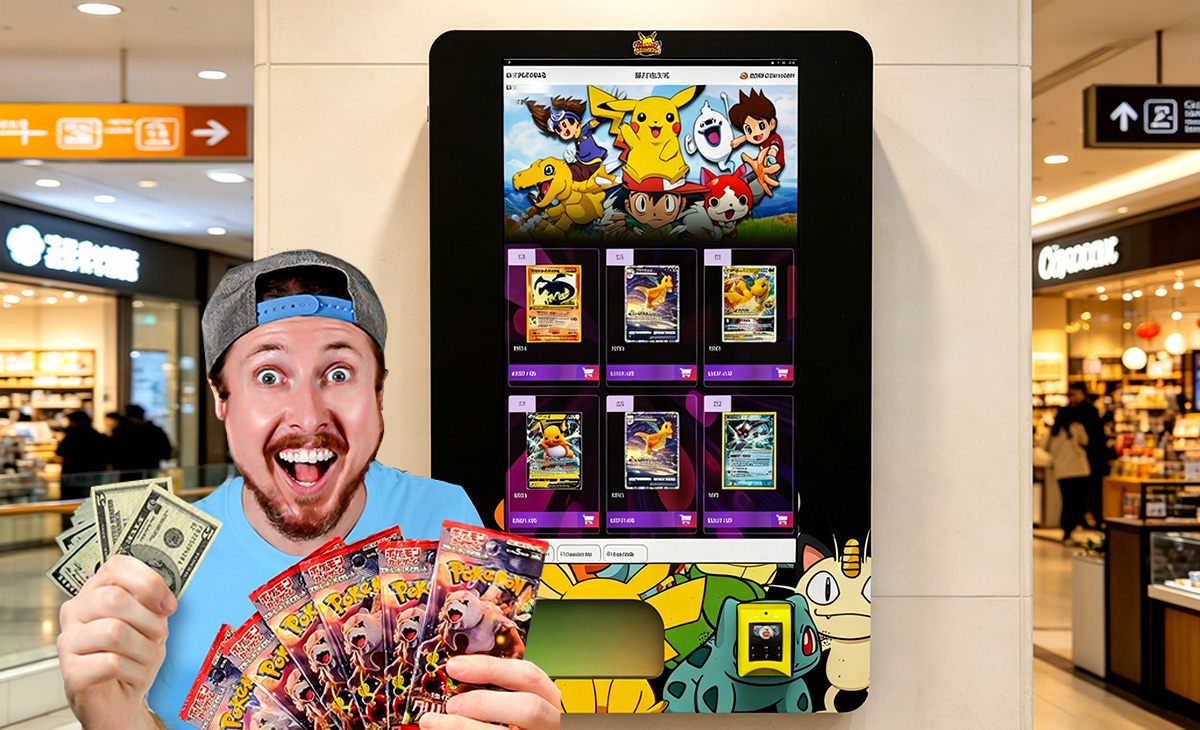
Another trick I use is to ask the property manager for utility bills or employee count data. If they hesitate or give vague answers, that is a red flag. I also check whether the location has a self-service kiosk or another automated retail solution already in place. If there is a competitor machine nearby, I evaluate whether I can offer better products or lower prices. In most cases, I avoid direct competition unless the foot traffic is high enough to support two machines.
Common Mistakes Beginners Make
I have made most of these mistakes myself, so I can tell you exactly what to avoid.
Buying the wrong machine for the location. A snack-only machine in a location where people want cold drinks will fail. A drink machine in a cold climate without a heated cabinet will freeze in winter. Match the machine to the environment and the customer need.
Ignoring cashless payments. In 2024, over 80% of vending transactions in the US are cashless, according to a report by the National Automatic Merchandising Association. If your machine only takes coins, you are losing at least half your potential sales.
Overstocking or understocking. I see beginners either fill the machine with too much variety, leading to spoilage, or too little, leading to empty slots and lost sales. Track your sales data for the first month and adjust. Use telemetry if your machine supports it.
Neglecting machine cleanliness. A dirty machine repels customers. If you walk up to a machine with sticky buttons and a dirty glass, you will not buy. Clean your machine every time you restock. It takes five minutes and directly impacts sales.
Should You Buy, Lease, or Use a Profit-Sharing Model?
There are three common ways to get into vending. Buying a machine outright gives you full control and the highest profit potential, but it also carries the most risk. Leasing a machine reduces your upfront cost but eats into your margins. Profit-sharing with a location owner, where they provide the space and you provide the machine, is common in high-demand locations like hospitals and universities.
| Model | Upfront Cost | Monthly Profit Share | Risk Level | Best For |
|---|---|---|---|---|
| Buy outright | $3,000 – $6,000 | 100% (minus commission) | Medium | Operators with capital |
| Lease machine | $100 – $300/month | 70% – 80% | Low | Beginners testing the market |
| Profit-sharing with location | Minimal | 40% – 60% | Very low | Operators without capital |
For a beginner, I recommend buying one good used machine and placing it in a low-risk location like a laundromat or a small office building. Learn the ropes before scaling. Once you have a proven model, you can expand with confidence.
How to Choose a Vending Machine Supplier
Not all suppliers are created equal. I have dealt with manufacturers who promise the world and then disappear when a compressor fails. Here is what I look for.
First, check whether the supplier has a local service network or a reliable shipping partner for spare parts. If you are in Europe, a supplier based in China might offer good prices, but shipping a replacement part can take weeks. Zhongda Smart has a reasonable distribution network in both the US and Europe, which makes them a practical choice for operators who want a balance between cost and support.
Second, ask about the payment system compatibility. Your machine must support local payment methods. In the US, that means NFC tap-to-pay, Apple Pay, Google Pay, and major credit cards. In Europe, you also need to support local debit networks like Bancontact or Giropay depending on the country.
Third, read the warranty carefully. A one-year parts and labor warranty is standard. Anything less is a red flag. Also ask about the availability of vending machine repair services in your area. If the supplier cannot give you a list of certified technicians, that is a problem.
FAQ: Common Questions About Vending Machine Business
Are vending machines profitable?
Yes, if placed correctly. A single machine in a good location can net $200 to $400 per month after all costs. Profitability depends on location, product mix, and how efficiently you manage restocking and maintenance.
How much does a vending machine cost?
A new basic machine costs between $3,000 and $5,000. A used machine can be found for $1,500 to $3,000, but you may need to invest in repairs or upgrades like a card reader. Prices vary significantly based on features and brand.
How long does it take to break even?
For a machine that costs $4,000 and nets $300 per month, you are looking at 13 to 14 months to break even. In a high-traffic location, you might break even in 8 to 10 months. In a poor location, you may never break even.
Should a beginner buy or lease a machine?
I recommend buying a single used machine first. Leasing reduces risk but also reduces profit. Once you understand the business, you can decide whether to scale with owned or leased equipment.
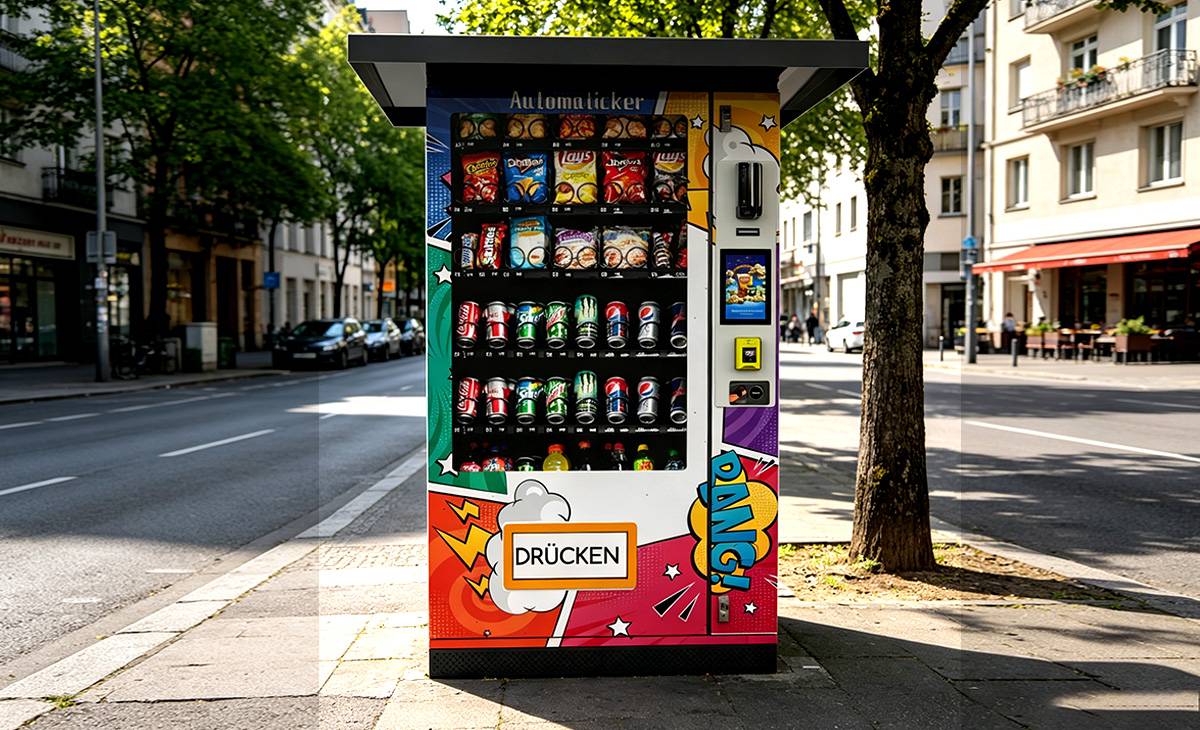
Where should I place my first vending machine?
Start with a location that has guaranteed foot traffic and minimal competition. Laundromats, auto repair shops, and small office buildings are good starting points. Avoid schools and hospitals until you have more experience with contracts and regulations.
What permits do I need?
In the US, you typically need a business license and a sales tax permit. Some states require a vending machine permit. In Europe, requirements vary by country. In France, for example, you need to register with the Chamber of Commerce and comply with food safety regulations. Check with your local business authority before placing a machine.
How do I choose a supplier?
Look for a supplier with a proven track record, good warranty terms, and local spare parts availability. Ask for references and check online reviews. Avoid suppliers that pressure you into buying multiple machines before you have tested a location.
What if my machine breaks down?
Have a backup plan. Keep a list of local vending machine repair technicians. If you have a telemetry system, you can often diagnose the issue remotely. Some problems, like a jammed coil, you can fix yourself with basic tools. For refrigeration or payment system issues, call a professional.
How can I reduce restocking costs?
Use a machine with telemetry that tells you exactly what is selling and what is not. That way you only bring what you need. Batch your restocking routes by geographic area. If you have five machines within a five-mile radius, you can restock them all in one trip.
Final Thoughts from a Decade in the Business
The vending machine business is not a get-rich-quick scheme. It is a logistics and customer service business that happens to sell through a machine. The operators who succeed are the ones who treat it like a real business. They track their numbers, maintain their equipment, and build good relationships with location owners. They also know when to walk away from a bad location.
If you are just starting out, keep your overhead low. Buy one machine, place it well, and learn the rhythm of restocking, repairing, and negotiating. Once you have a machine that consistently earns $800 or more per month, you have a model you can replicate. That is how you build a real automated retail operation, not by buying ten machines at once and hoping for the best.
This article was updated in May 2025. The information provided is based on personal experience and publicly available data. Results vary based on location, product selection, and operational efficiency. Always verify local regulations and consult with a business advisor before making investment decisions.