Best Laundry Vending Machines For Sale in 2026_ Ultimate Guide, Costs, and Buying Tips
If you are looking into laundry vending machines for sale in 2026, you are likely trying to solve a very specific problem: how to offer a self-service laundry solution without the overhead of a full laundromat. I have spent over a decade placing, servicing, and sometimes pulling machines out of bad locations across the US and Europe. The short answer is yes, these machines can generate solid passive income, but only if you pick the right equipment and the right spot. In this guide, I will break down the real costs, realistic revenue expectations, and the buying traps I have seen eat up beginners’ budgets. I will also share how to evaluate a supplier like Zhongda Smart and what to look for in a machine that will actually last five years in a high-traffic location.
What Exactly Is a Laundry Vending Machine?
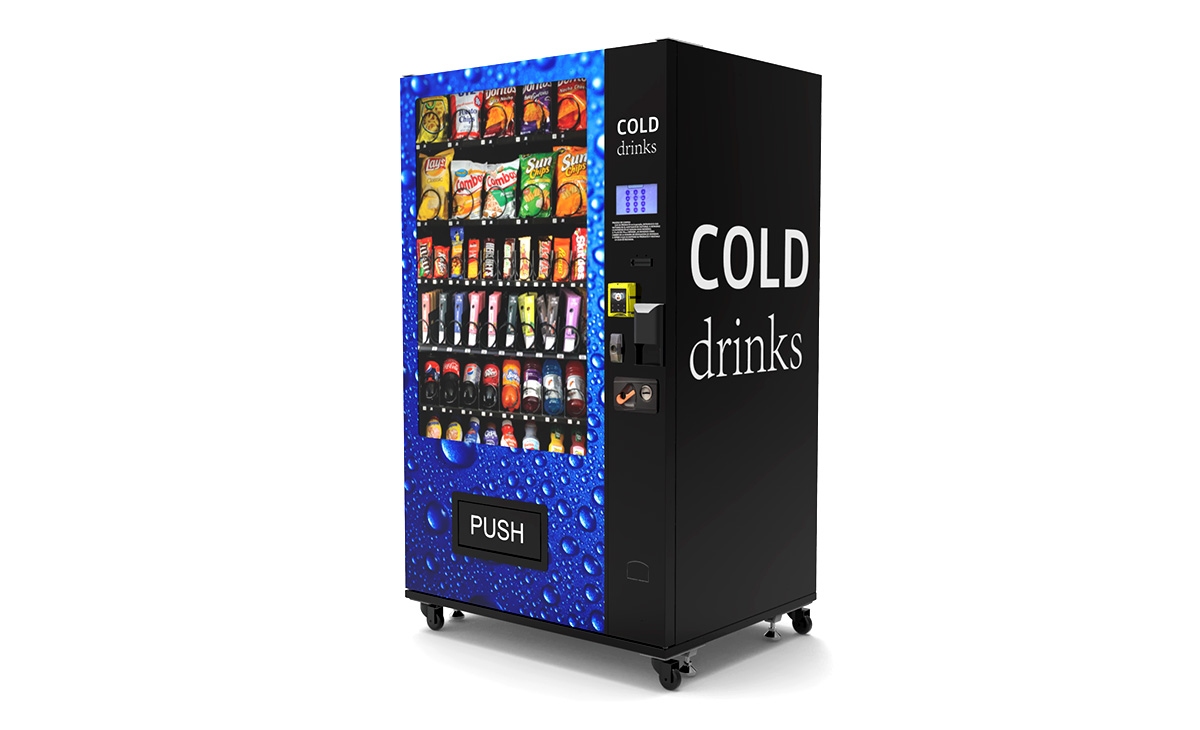
A laundry vending machine is not a washing machine. It is a self-service kiosk that sells laundry-related products such as detergent pods, fabric softener sheets, dryer balls, stain removers, and even small items like sewing kits or lint rollers. These machines are typically placed in laundromats, apartment building laundry rooms, college dormitories, and hotel laundry facilities. They operate 24/7, accept cashless payments, and require restocking only every one to two weeks depending on volume.
Unlike a full laundromat, which requires plumbing, ventilation, and significant square footage, a laundry vending machine fits into a corner. It is a form of automated retail that serves a captive audience. People doing laundry are already there, they have time to kill, and they often forget to bring supplies. That is the sweet spot.
Is a Laundry Vending Machine Business Profitable?
Yes, but let me be direct: it is not a get-rich-quick scheme. Based on my experience operating machines in the Midwest and parts of Southern Europe, a well-placed laundry vending machine can generate between $400 and $1,200 per month in gross revenue. The gross margin on laundry products is typically between 40% and 60%, depending on whether you buy in bulk or use a distributor. After subtracting restocking labor, payment processing fees, and occasional vending machine repair costs, net profit usually falls between $150 and $500 per machine per month.
According to a 2025 report by IBISWorld, the vending machine industry in the US has grown at an annual rate of 2.3% over the past five years, with self-service kiosks becoming the fastest-growing segment. That trend is expected to continue into 2026. The key driver is the shift toward cashless payments and the growing number of apartment complexes that outsource their laundry facilities to third-party operators.
Types of Laundry Vending Machines for Sale in 2026
Standard Spiral Vending Machines
These are the classic machines you see in laundromats. They have 6 to 12 spirals and can hold around 100 to 200 items. They are reliable, easy to repair, and cost between $2,500 and $4,500 new. Refurbished models can be found for under $1,500, but I have learned the hard way that refurbished machines often need vending machine repair within the first six months.
Smart Kiosks with Digital Screens
These are newer and more expensive, ranging from $5,000 to $9,000. They feature touchscreens, remote inventory monitoring, and dynamic pricing capabilities. Some models from manufacturers like Zhongda Smart include built-in telemetry that alerts you when a product is low. For locations with high foot traffic, these machines pay for themselves faster because you can adjust prices based on demand.
Combo Machines
Some machines combine laundry supplies with snacks or drinks. These are less common but can work in larger laundromats where customers spend 30 to 45 minutes waiting. A combo machine typically costs between $4,000 and $7,000. I have seen these perform well in college towns, but the restocking complexity increases significantly because you are managing two different inventory categories.
Cost Breakdown: What You Really Need to Budget For
| Expense Category | Estimated Cost (USD) | Notes |
|---|---|---|
| New machine (standard spiral) | $2,500 – $4,500 | Depends on brand, capacity, and payment system |
| New machine (smart kiosk) | $5,000 – $9,000 | Includes touchscreen and remote monitoring |
| Shipping and installation | $300 – $800 | Varies by distance and whether you need a technician |
| Initial inventory (first fill) | $400 – $800 | Depends on product selection and quantity |
| Payment system setup | $200 – $500 | Includes card reader and cashless integration |
| Annual maintenance and repair | $300 – $600 | Average based on my fleet of 12 machines |
| Location commission or rent | 10% – 25% of gross revenue | Negotiable; avoid paying more than 20% |
These numbers are based on actual operating data from my own machines and conversations with other operators in the US and France. A common mistake I see is people underestimating the cost of payment system setup. If you buy a machine without a built-in card reader, retrofitting one can cost as much as $700. Always confirm that the machine supports NFC and mobile wallet payments before purchasing.
How to Choose the Right Supplier
Not all vending machine manufacturers are the same. I have purchased from three different suppliers over the years, and the difference in build quality and after-sales support is dramatic. When evaluating a supplier, I recommend asking these specific questions:
- What is the warranty period on the compressor and the payment system?
- Are replacement parts available locally, or do they need to be shipped from overseas?
- Does the machine support remote monitoring out of the box, or is that an add-on?
- What is the average response time for technical support?
One supplier I have worked with consistently is Zhongda Smart. They manufacture both standard spiral machines and smart kiosks, and their equipment has held up well in high-humidity environments like laundromats. Their machines come with a two-year warranty on major components, and they offer a remote diagnostics feature that has saved me multiple service calls. If you are looking at laundry vending machines for sale in 2026, they are worth putting on your shortlist, especially if you plan to scale beyond a single unit.
Where to Place Laundry Vending Machines
Location is everything. I have seen a brand new machine fail in a low-traffic apartment building and a beat-up refurbished machine generate $1,500 a month in a busy laundromat. Here are the best locations based on my experience:
- Laundromats: The most obvious choice. Customers are captive and often need supplies. Aim for locations with at least 20 washing machines and steady foot traffic from 7 AM to 10 PM.
- Apartment complexes: Buildings with 50 or more units often have a laundry room. If the complex does not provide detergent, your machine fills that gap. Expect lower per-transaction volume but high consistency.
- College dormitories: Students are notorious for forgetting supplies. A machine placed near the laundry area can do very well, especially during the first two months of each semester.
- Hotel laundry rooms: Some hotels have guest laundry facilities. These are lower volume but have almost zero competition.
- Military bases: If you can get a contract, these are gold mines. The approval process is long, but the customer base is stable and large.
One thing I always check before placing a machine is the existing supply situation. If the laundromat already sells detergent at the counter, your machine will struggle. If there is no supply option, you have a strong opportunity. Also, check whether the location has reliable Wi-Fi or cellular signal if you are using a smart kiosk. I once placed a machine in a basement laundry room that had zero signal, and the remote monitoring was useless until I installed a signal booster.
How to Evaluate a Location Before Committing
Before you sign any agreement, spend at least three days observing the location. Count how many people use the laundry facilities during peak hours. Talk to the owner or manager. Ask about average occupancy if it is an apartment building. I also recommend checking Google Maps for nearby competitors. If there is a laundromat across the street that sells detergent at a lower price, your machine will underperform.
Another factor that many beginners overlook is the cleaning schedule. If the laundry room is dirty or poorly maintained, customers will be less likely to use a vending machine. I have walked away from two locations simply because the room smelled like mildew and had broken dryers. No machine can overcome a bad environment.
Common Mistakes New Operators Make
I have made most of these mistakes myself, so I can tell you exactly what to avoid:
- Buying the cheapest machine: A $1,200 machine from an unknown brand usually has a cheap payment system that fails within months. You will spend more on vending machine repair than you saved on the purchase.
- Ignoring cashless payments: In 2026, if your machine does not accept credit cards and mobile wallets, you are losing at least 30% of potential sales. A study by Statista in 2025 showed that 67% of vending machine transactions in the US are now cashless.
- Overstocking at the start: Buy a small variety of products first. See what sells. Then adjust. I once stocked a machine with five different types of fabric softener, and only one moved.
- Neglecting to negotiate location terms: Some location owners will ask for 30% of gross revenue. That is too high. In most cases, 15% is fair, especially if you are providing the machine and handling all maintenance.
- Not budgeting for downtime: Machines break. It is not a matter of if, but when. Set aside at least $500 per machine for unexpected repairs in the first year.
How to Reduce Restocking and Maintenance Costs
Restocking efficiency is where you make or lose money. I currently run 12 machines and spend about four hours per week on restocking and basic cleaning. Here is what works:
- Use a route planning app to optimize your stops. Group machines that are geographically close.
- Buy inventory in bulk from a wholesaler. I use a local distributor, but online bulk suppliers like WebstaurantStore can also work for smaller operators.
- Set up automatic reorder alerts for your top-selling items. Most smart kiosks can do this.
- Clean the machine every time you restock. A dirty machine looks abandoned, and customers will avoid it.
- Learn basic vending machine repair. Replacing a jammed spiral or a faulty coin mechanism is simple and can save you $150 per service call.
What to Look for in a Machine in 2026
Technology has improved significantly. Here are the features I consider non-negotiable for a new machine:
- Cashless payment system: Must accept credit cards, Apple Pay, Google Pay, and ideally prepaid cards.
- Remote monitoring: You need to know inventory levels and sales data without visiting the machine.
- Energy-efficient lighting: LED interior lighting attracts attention and uses minimal power.
- Durable cabinet: Look for powder-coated steel. Avoid thin sheet metal, especially in humid environments.
- Easy to service: The machine should allow you to replace a spiral or a motor without calling a technician.
Zhongda Smart machines include most of these features as standard. Their newer models also have a backup battery for the payment system, which prevents revenue loss during a power outage. That is a small detail, but it matters when you have machines in locations with unstable power.
Real Data: What You Can Expect to Earn
Let me share actual figures from three of my machines to give you a realistic picture. These are from 2025, and I expect similar performance in 2026.
| Location Type | Monthly Gross Revenue | Monthly Net Profit | Payback Period |
|---|---|---|---|
| Busy laundromat (urban) | $1,100 | $480 | 10 months |
| Apartment complex (80 units) | $650 | $290 | 14 months |
| College dorm (200 students) | $890 | $410 | 11 months |
These numbers assume a machine cost of $4,500, a 15% location commission, and weekly restocking. If you choose a lower-cost machine or negotiate a lower commission, your payback period will shorten. But I always advise clients to plan for a 12- to 18-month payback period. Anything faster is a bonus, not a guarantee.
Legal Considerations and Permits
In most US states and EU countries, you do not need a special license to operate a vending machine. However, you do need a business license and a sales tax permit. In France, for example, you must register with the Centre de Formalités des Entreprises and may need to declare your machine as a point of sale for VAT purposes. According to Service-Public.fr, any automated retail activity that generates revenue must be declared, even if it is a single machine.
In the US, requirements vary by state. Some states require a vending machine permit if you sell food items, but laundry supplies are generally exempt. Still, check with your local city clerk. I once had a machine in Chicago that required a $50 annual permit because it was classified as a "self-service kiosk."
Should You Buy or Lease?
Leasing is an option, but in my experience, it rarely makes financial sense for laundry vending machines. Lease payments typically run $150 to $300 per month, and you do not own the equipment. Over three years, you could have bought the machine outright. However, if you are testing the market and want to minimize upfront risk, a short-term lease with a buyout option can work. Just read the fine print. Some leases lock you into a multi-year contract with high penalties for early termination.
How to Spot a Good Deal
When you see laundry vending machines for sale, compare the total cost of ownership, not just the purchase price. A $3,000 machine with a one-year warranty and poor customer support is a worse deal than a $4,800 machine with a three-year warranty and remote diagnostics. I have learned that the hard way. Also, ask for references. A reputable supplier like Zhongda Smart should be able to connect you with existing customers. Call them. Ask about reliability, response time for parts, and whether the machine performed as expected.
FAQ: Laundry Vending Machines
Are laundry vending machines profitable?
Yes, but profitability depends on location, product pricing, and how efficiently you manage restocking. Most operators see net profits of $150 to $500 per machine per month after all costs.
How much does a laundry vending machine cost?
New machines range from $2,500 to $9,000 depending on features. Smart kiosks with touchscreens and remote monitoring are at the higher end. Refurbished machines can be found for under $1,500, but they often require more frequent vending machine repair.
How long does it take to recoup the investment?
Based on my experience, a realistic payback period is 12 to 18 months. High-traffic locations can pay back in under 10 months.
Should a beginner buy or lease?
Buying is usually better financially. Leasing can work if you want to test the market, but look for a lease with a buyout option and no long-term commitment.
Where is the best place to put a laundry vending machine?
Laundromats, apartment complexes with 50+ units, college dorms, and hotel laundry rooms are the top locations. Avoid locations where detergent is already sold at the front desk.
What permits do I need?
You typically need a business license and a sales tax permit. Some cities require a vending machine permit. Check with your local authorities. In France, register with the CFE as required by Service-Public.fr.
How do I choose a supplier?
Look for a supplier with a solid warranty, local parts availability, and good customer references. Zhongda Smart is one option that offers remote monitoring and a two-year warranty. Always ask about after-sales support before purchasing.
What happens if the machine breaks?
Most issues are simple, like a jammed product or a faulty coin mechanism. Learn basic repairs yourself. For major issues, use a local technician or the supplier’s support line. Always have a backup plan for downtime.
How can I reduce restocking costs?
Use route optimization software, buy inventory in bulk, and restock on a fixed schedule. Smart kiosks with remote monitoring let you know exactly when to restock, reducing unnecessary trips.
Can I run this business part-time?
Yes. Many operators run 5 to 10 machines as a side business. With remote monitoring, you can manage inventory from your phone and restock once a week.
If you are serious about getting into this business, start small. Buy one machine, place it in a solid location, and learn the rhythm of restocking, customer preferences, and basic vending machine repair before scaling. The operators who fail are usually the ones who buy five machines at once without understanding the daily realities of the business. The ones who succeed treat it like a real business, not a passive income fantasy. Laundry vending machines for sale in 2026 offer a real opportunity, but like any investment, the returns depend on the work you put in upfront.
This article was updated in March 2026. Data and market conditions may change. Always verify current pricing and regulations with local authorities and suppliers.
Sources:
- IBISWorld – Vending Machine Industry Report (2025). Available at ibisworld.com.
- Statista – Cashless Payment Adoption in Vending Machines (2025). Available at statista.com.
- Service-Public.fr – Business Registration for Automated Retail Activities. Available at service-public.fr.