Baseball Card Vending Machine For Sale_ Prices, Profit Potential, and Setup Guide for Beginners
If you have been looking into the vending machine business, you have probably come across the idea of a baseball card vending machine for sale. I have been operating automated retail equipment across the US and parts of Europe for over a decade, and I can tell you this: the niche of trading card vending is real, but it is not a shortcut to riches. The concept is simple—sell packs of sports cards through a self-service kiosk—but the execution requires the same discipline as any other vending operation. In this article, I will walk you through the real costs, realistic profit potential, and the exact setup steps I have learned from placing machines in malls, hobby shops, and entertainment venues. If you are a beginner, you need to understand that a baseball card vending machine for sale is just a tool; the business depends on location, inventory selection, and maintenance habits.
What Is a Baseball Card Vending Machine, and Where Does It Fit?
A baseball card vending machine is essentially a specialized automated retail unit designed to dispense sealed packs of trading cards. Unlike a snack machine that holds chips and sodas, this type of machine typically uses a spiral or coil system to vend boxes, blaster packs, or single packs. Some operators also use flat-panel or glass-front machines for higher-value items like hobby boxes or graded cards. The key difference is the product: trading cards are small, lightweight, and have a high perceived value per unit. That makes them attractive for vending, but it also creates unique challenges around theft, inventory rotation, and payment security.
In my experience, the best locations for these machines are hobby shops that want to extend their selling hours, sports card shows, family entertainment centers, and even some high-traffic convenience stores with a collector customer base. I have also seen successful installations in bowling alleys and arcades. The common thread is a location where people already spend money on entertainment or collectibles. If the foot traffic does not include people who understand the value of a 2024 Topps Chrome pack, the machine will sit idle.
Is a Baseball Card Vending Machine Profitable? Let's Talk Numbers
Profitability is the first question every beginner asks, and the honest answer is: it depends entirely on your location and your buying power. Based on my own operations and data from industry sources, a well-placed machine in a mid-traffic location can generate between $800 and $2,500 in monthly revenue. The gross margin on trading cards is typically between 30% and 50%, depending on whether you buy wholesale direct from distributors or from secondary markets. According to a 2023 report from IBISWorld, the vending machine industry in the US has an average profit margin of about 25% after all expenses, but specialty vending like trading cards can push that higher if you manage costs carefully.
Let me give you a real example from one of my locations. I placed a machine in a hobby shop in a mid-sized US city. The machine cost me $3,200 new, and I stocked it with a mix of $4.99 packs and $19.99 blaster boxes. Monthly rent to the store owner was $150. My average monthly sales were $1,400. After cost of goods (about $700), rent, and credit card processing fees (2.5%), my net profit was around $550 per month. That machine paid for itself in about six months. But I have also placed machines in low-traffic strip malls that barely broke $300 a month. The range is wide, and you need to be realistic about your expectations.
Key Profit Variables You Cannot Ignore
Three factors will make or break your profit: product cost, location rent, and machine reliability. If you buy cards at retail price, your margins will be too thin to cover machine payments and repairs. You need access to wholesale pricing, either through a distributor or by buying in bulk from authorized sellers. Location rent is another critical factor. Some locations will ask for a percentage of sales, while others charge a flat monthly fee. I always prefer a flat fee because it makes my financial projections simpler. Finally, machine reliability is often overlooked by beginners. A machine that jams frequently will lose sales and frustrate customers. I have seen operators lose an entire month of profit because they bought a cheap machine that required constant vending machine repair.
How Much Does a Baseball Card Vending Machine Cost?
The price range for a new baseball card vending machine for sale varies widely depending on the type, size, and payment system. Based on my experience and current market data, here is a realistic breakdown:
| Machine Type | Price Range (New) | Typical Capacity | Best For |
|---|---|---|---|
| Spiral/Coil Machine | $2,500 – $4,500 | 100–200 packs | Standard packs and blasters |
| Glass-Front Machine | $4,000 – $7,000 | 40–80 items | High-value graded cards or boxes |
| Combo Machine (Snacks + Cards) | $5,000 – $8,000 | Variable | Mixed inventory locations |
| Used/Refurbished Machine | $1,200 – $3,000 | Varies | Budget-conscious beginners |
These prices include basic card payment systems but may not include installation, shipping, or tax. I have also seen operators spend as little as $800 on a used machine that needed significant repairs, but that route often leads to higher long-term costs. When you look at a baseball card vending machine for sale, always factor in the cost of a reliable payment system, because cash-only machines are becoming less viable in the US and Europe. According to a 2022 study by Statista, 41% of vending machine transactions in the US are now cashless, and that number is higher in younger demographics.
Hidden Costs That Catch Beginners Off Guard
Beyond the machine price, you need to budget for shipping (often $200–$500 for a full-size unit), installation, and initial inventory. I usually recommend starting with at least $1,000 in inventory to have a decent selection. You also need a credit card processing account, which may have monthly fees of $10–$30 plus transaction fees. Insurance is another cost many new operators forget. A basic liability policy for a single machine can cost $200–$400 per year. And if you are leasing space, the landlord may require you to carry insurance. Finally, set aside at least $300 for unexpected repairs. In my first year, I had to replace a payment reader twice due to vandalism. That is not unusual.
How to Choose a Supplier for Your Baseball Card Vending Machine
Selecting the right manufacturer or supplier is one of the most important decisions you will make. I have worked with several suppliers over the years, and I have learned that price is never the only factor. You want a supplier who offers reliable hardware, good customer support, and availability of spare parts. One supplier I have consistently recommended to colleagues is Zhongda Smart. They manufacture a range of vending machines that work well for trading cards, and their units have held up well in my experience. Their machines come with modern payment systems and remote monitoring options, which is critical for managing inventory without visiting the machine every day.
When evaluating a supplier, ask about warranty terms, lead time, and whether they have a local service network in your area. If you are in Europe, you may also need CE certification. Do not buy from a supplier who cannot provide clear documentation. I once bought a machine from a no-name online seller, and it took three months to get a replacement part. That machine sat idle, losing me money every week. Stick with established manufacturers who have a track record. Zhongda Smart is one of those companies that balances cost and quality well, but always do your own due diligence. Read reviews, ask for references, and if possible, visit a factory or see a machine in operation before you buy.
New vs. Used: Which Is Better for a Beginner?
I get this question all the time. A used machine can save you money upfront, but it comes with risks. Older machines may have outdated payment systems, higher failure rates, and no warranty. If you are handy with electronics and can do your own vending machine repair, a used unit might work. But for most beginners, I recommend buying new or refurbished with a warranty. The extra cost is worth it because you will spend less time fixing problems and more time growing your business. I started with a used machine and spent more on repairs in six months than I would have on a new machine. Learn from my mistake.
Step-by-Step Setup Guide for Beginners
Setting up a baseball card vending machine is not complicated, but it requires attention to detail. Here is the process I follow for every new installation.
Step 1: Choose Your Location Carefully
Do not buy the machine first and look for a location later. That is a common beginner error. Find the location first, or at least have a strong lead. Look for places with consistent foot traffic of collectors or people with disposable income. Hobby shops, comic stores, and sports memorabilia shops are obvious choices, but also consider laundromats, family entertainment centers, and even some gyms. I once placed a machine in a trampoline park, and it did surprisingly well because parents were looking for something to entertain their kids. Always talk to the business owner and explain how the machine benefits them: no work for them, a percentage of sales or a flat fee, and a new attraction for their customers.
Step 2: Secure a Written Agreement
Never rely on a handshake. Get a simple contract that outlines the rent or commission, the duration of the agreement, who handles electricity, and who is responsible if the machine is damaged. I have seen operators get kicked out of a location with no notice because they had no contract. A one-page agreement is enough, but make sure it is signed.
Step 3: Set Up Your Payment Systems
You need a credit card reader and preferably a mobile payment option like Apple Pay or Google Pay. Many modern machines come with built-in readers, but if yours does not, you can retrofit one. You will also need a merchant account. I use a provider that specializes in vending because they offer lower transaction fees and better integration. Cashless payments are not optional anymore; they are expected.
Step 4: Stock Your Machine Intelligently
Do not just fill the machine with random packs. Study what is popular in your area. In my experience, newer releases like Topps Series 1 and 2, Bowman Chrome, and Panini Prizm sell well, but you also need some lower-priced packs for casual buyers. I usually stock 60% mid-range packs ($4–$10), 20% premium products ($15–$30), and 20% entry-level packs ($2–$4). Rotate inventory every few weeks based on sales data. If a product does not sell in two weeks, replace it.
Step 5: Monitor and Maintain
Check your machine at least once a week. Clean the glass, test the payment system, and restock as needed. Use remote monitoring if your machine supports it. I can check sales and inventory from my phone, which saves me a lot of trips. Keep a log of sales and expenses so you can calculate your real profit. If a machine consistently underperforms, move it. I have relocated machines three times before finding the right spot. Do not be afraid to cut your losses.
Common Beginner Mistakes and How to Avoid Them
I have made almost every mistake in the book, and I have watched other operators make the same ones. Here are the most common errors I see.
Buying the wrong machine. Some beginners buy a machine that is too small or too large for their location. A machine that holds only 50 packs will run out quickly in a busy location, while a massive machine in a low-traffic spot will look empty and unappealing. Match the machine size to the expected sales volume.
Ignoring maintenance. A jammed machine is a dead machine. If a customer has a bad experience, they will not come back. Test your machine after every restock. I carry a small toolkit in my car for quick fixes. Learning basic vending machine repair will save you hundreds of dollars in service calls.
Overpaying for inventory. Buying cards at retail prices kills your margin. Join wholesale groups, buy from distributors, or purchase in bulk during release weeks. Some distributors offer discounted pricing for vending operators if you buy a minimum quantity. Ask around. The difference between a 30% margin and a 50% margin is often just knowing where to buy.
Choosing a bad location. I once placed a machine in a laundromat that had great foot traffic but almost no sales. The problem was that the customers were there to do laundry, not to buy sports cards. The location had traffic, but the traffic was not the right kind. Always observe the location for a few hours before signing an agreement. Talk to the business owner about their customer demographics. If the average customer is a parent with young kids, trading cards might work. If it is mostly elderly people, probably not.
Comparing Business Models: Buy, Lease, or Revenue Share
There are three common ways to get into the vending business, and each has pros and cons.
| Model | Initial Cost | Monthly Cost | Profit Potential | Risk Level |
|---|---|---|---|---|
| Buy Machine Outright | $2,500 – $8,000 | Low (rent + inventory) | High (you keep all profit) | Medium (capital at risk) |
| Lease Machine | $0–$500 down | $150–$400/month | Medium (lease eats into margin) | Low (less upfront capital) |
| Revenue Share with Location | Low (inventory only) | 10–30% of sales to location | Low to Medium | Low (shared risk) |
For beginners, I usually recommend buying a machine outright if you have the capital. Leasing can work, but the monthly payments reduce your profit significantly. Revenue sharing is a good way to test a location without committing to a machine purchase, but you will need to find a location owner who already has a machine or is willing to split the investment. In my experience, the outright purchase model gives you the most control and the highest long-term profit, assuming you choose a good location.
How to Evaluate Whether a Machine Is Worth the Investment
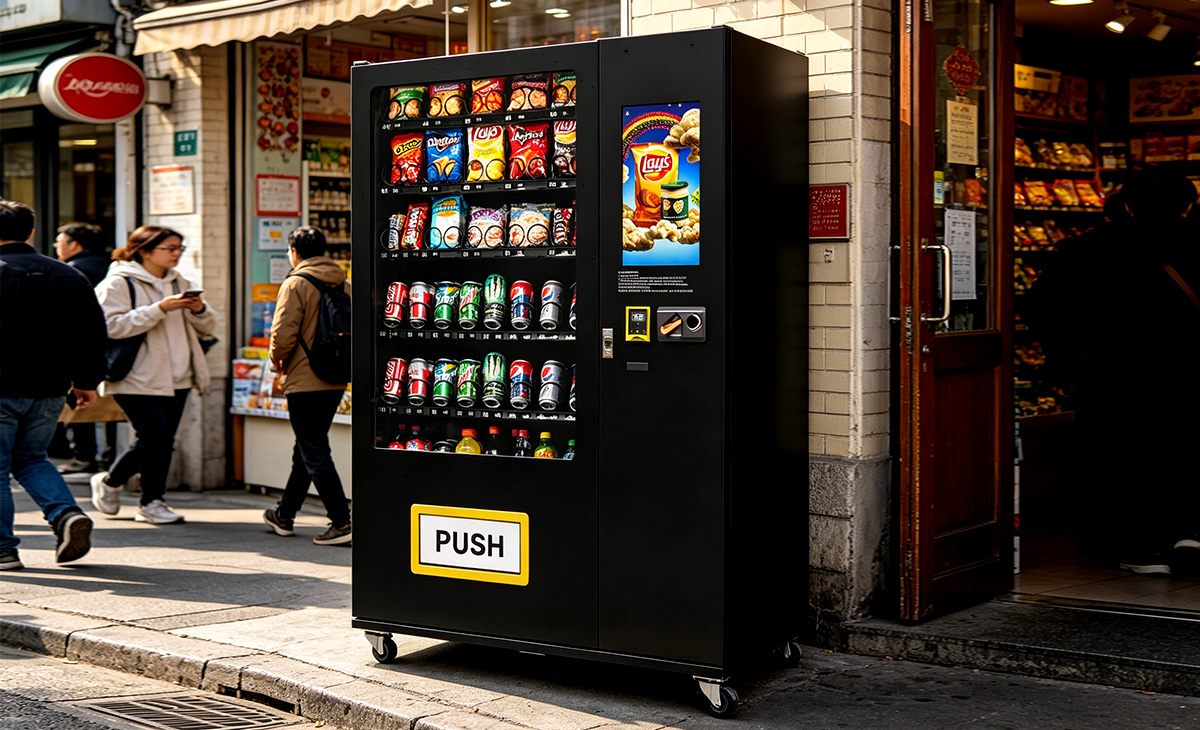
Before you buy any baseball card vending machine for sale, run a simple calculation. Estimate your monthly sales based on the location's foot traffic and your product pricing. For example, if the location has 500 visitors per day and 1% buy a pack, that is 5 sales per day. At an average of $6 per sale, that is $900 per month. Subtract cost of goods (40%), location rent ($150), payment fees ($25), and maintenance ($50). That leaves you with about $315 per month. Divide the machine cost by that number to get your payback period. If the payback period is longer than 12 months, I would reconsider the location or the machine price.
I also look at the machine's build quality. A machine with a metal cabinet, a reliable compressor (if refrigerated), and a modern payment system is worth more than a cheap plastic unit. Check the warranty and the availability of spare parts. If the manufacturer is hard to reach, move on. Your time is money, and downtime is your enemy.
FAQ: Baseball Card Vending Machine for Sale
Are baseball card vending machines profitable?
Yes, but only if you choose the right location and manage your costs. In my experience, a well-placed machine can generate $500 to $1,500 in monthly profit after expenses. Profitability varies widely based on foot traffic, product pricing, and machine reliability.
How much does a baseball card vending machine cost?
A new machine costs between $2,500 and $8,000 depending on size and features. Used machines can be found for $1,200 to $3,000, but may require repairs. Always factor in shipping, installation, and initial inventory costs.
How long does it take to recoup the investment?
Based on my operations, a typical payback period is 6 to 14 months. Higher-traffic locations with good margins can pay back faster. Lower-traffic locations may take 18 months or more. I recommend aiming for a 12-month payback as a benchmark.
Should a beginner buy or lease a machine?
If you have the capital, buying is better in the long run. Leasing reduces upfront costs but eats into monthly profit. For someone with limited funds, leasing or a revenue share model can be a way to start, but you will need to negotiate carefully.
Where is the best place to put a baseball card vending machine?
Hobby shops, comic stores, sports memorabilia shops, family entertainment centers, and some laundromats or arcades with the right customer base. Always observe the location before committing. The traffic must include collectors or people with disposable income.
What permits or licenses do I need?
Requirements vary by city and state. In the US, you typically need a business license and a seller's permit. Some cities require a vending machine permit. In Europe, you may need to register with local authorities and comply with CE standards. Check with your local business office before purchasing a machine.
How do I choose a supplier for a baseball card vending machine?
Look for a supplier with a good warranty, available spare parts, and positive reviews from other operators. I have had good experiences with Zhongda Smart, but always do your own research. Ask about lead times, shipping costs, and after-sales support.
What happens if the machine breaks down?
If you have a warranty, contact the manufacturer. If not, you will need to find a local vending machine repair technician or learn to fix it yourself. I recommend keeping a stock of common spare parts like coils, payment readers, and power supplies. Downtime is lost revenue.
How can I reduce maintenance and restocking costs?
Use a machine with remote monitoring so you only visit when necessary. Stock products that have a long shelf life and consistent demand. Buy inventory in bulk to reduce per-unit cost. And maintain a regular cleaning schedule to prevent jams and payment issues.
Final Thoughts from a Decade in the Business
I have seen the vending machine industry change a lot over the last ten years. Cashless payments, remote monitoring, and better machine designs have made it easier for beginners to get started. But the fundamentals have not changed: location, product selection, and maintenance are still the three pillars of a profitable operation. A baseball card vending machine for sale is not a magic box that prints money. It is a tool that requires work, attention, and patience. If you are willing to learn from your mistakes and adapt, you can build a solid side income or even a full-time business. Start small, test your locations, and reinvest your profits into better equipment and more inventory. That is the path I took, and it has served me well.
This article was updated in October 2024. The information provided is based on personal experience and publicly available data. Results may vary. Always consult local regulations and conduct your own due diligence before making any business investment.