Top Things You Should Know About Automatic Products Snack Vending Machine in 2026
If you are looking into the automatic products snack vending machine market for 2026, let me save you the guesswork. After over a decade of placing, servicing, and pulling machines across Europe and North America, I can tell you that the biggest shift is no longer about the machine itself—it is about the ecosystem around it. The hardware has matured, but the real profit now comes from smart placement, data-driven restocking, and understanding local compliance. A modern automatic products snack vending machine in 2026 is not just a box that takes cash; it is a remote-managed retail node that can generate healthy margins if you treat it like a small business, not a side hobby. This article covers what I have learned the hard way, so you can skip the expensive mistakes.
The Real State of Vending in 2026
The vending industry has quietly transformed. Gone are the days when a machine simply sat in a break room and collected coins. According to a 2025 IBISWorld report on the vending machine industry, the market in the United States alone has grown to over $9.5 billion, with a steady annual growth rate of around 2.8% (IBISWorld, 2025). In Europe, the market is similarly robust, driven by cashless adoption and higher snack consumption in workplace and transit settings.
What I see on the ground is that the machines themselves have become more reliable, but the competition for good locations has intensified. The operators who survive are the ones who understand that a vending machine is only as good as its location, its product mix, and its uptime.
What Has Changed in Equipment and Payments
Hardware Reliability
The automatic products snack vending machine you buy today is far more robust than what was available five years ago. Most modern units come with LED lighting, energy-efficient cooling systems, and touchscreens as standard. The days of mechanical jam-prone spirals are fading. Many machines now use tray-based or robotic arm systems that handle a wider variety of package shapes. This matters more than you might think. A machine that can sell both a bag of chips and a protein bar without jamming saves you a service call every week.
Payment Systems
Cashless is no longer optional. In 2026, if your machine does not accept contactless cards, Apple Pay, Google Pay, and local mobile wallets, you are leaving 30 to 40 percent of potential revenue on the table. A study from Statista in 2024 indicated that over 70% of in-store transactions in the UK and Germany were cashless (Statista, 2024). I have personally seen locations where cash-only machines did less than half the volume of a nearby cashless unit. Do not skimp on the payment terminal. It is the single highest-ROI upgrade you can make.
Location: The Make-or-Break Factor
I cannot overstate this: location is everything. A high-end machine in a low-traffic spot will bleed money. A basic machine in a high-traffic spot can print cash. Over the years, I have developed a simple rule of thumb: a viable location needs at least 150 to 200 unique potential customers passing by per day, with at least a few seconds of dwell time. Think break rooms, hospital waiting areas, university corridors, and manufacturing plant floors.
Best Locations I Have Seen Work
- Industrial warehouses and factories: High footfall, predictable shift times, and workers who want quick snacks. These are my personal favorite. A machine in a 500-person factory can easily do €2,000 to €3,500 per month in revenue.
- Hospital staff areas: Not visitor areas, but staff-only break rooms. Nurses and doctors work long shifts and have limited time. They buy frequently, and they buy higher-margin items like coffee, protein bars, and bottled water.
- University dormitories and student lounges: Students are heavy snack consumers, especially late at night. Theft can be an issue, but with modern camera-equipped machines and cashless payment, it is manageable.
- Car dealerships and auto repair shops: Waiting customers are a captive audience. They are often bored, thirsty, and willing to pay a premium for convenience.
Locations I Avoid
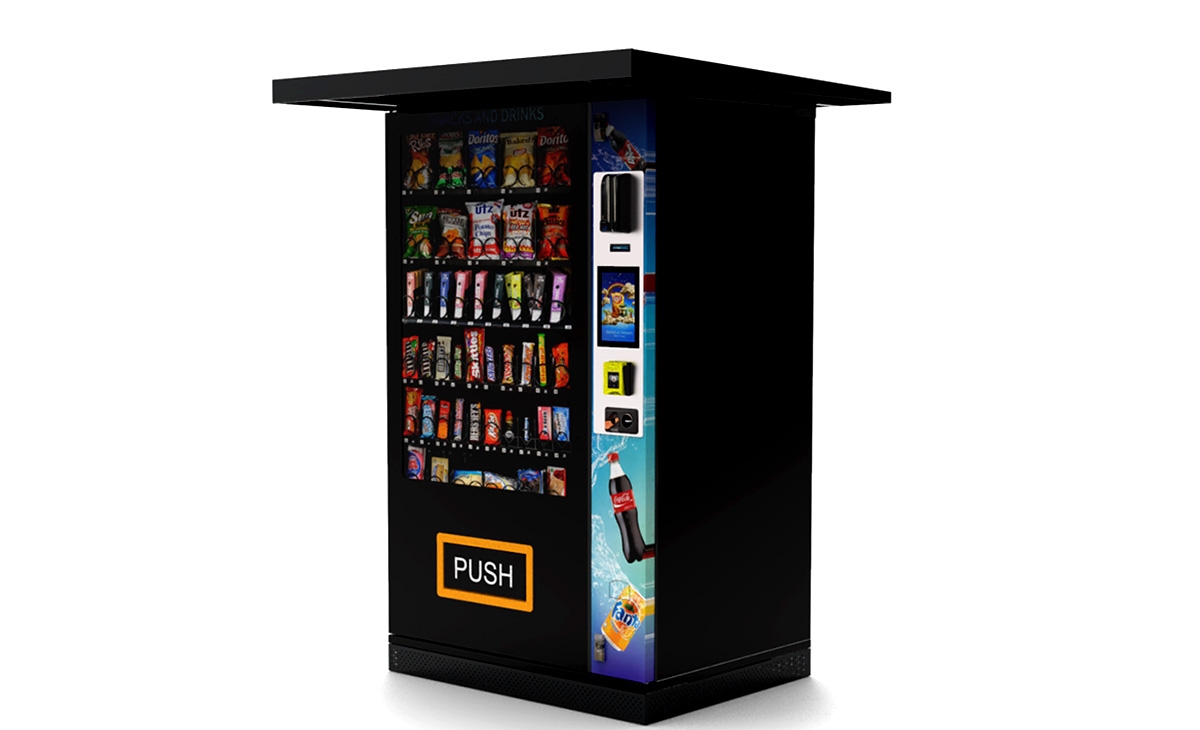
- Public streets with no shelter: Vandalism risk is high, and weather can damage the machine. Unless you have a secure, covered spot, skip it.
- Retail stores that sell similar products: You will compete with their margins, and they will eventually ask you to leave.
- Low-traffic office buildings: A 50-person office with a stocked kitchen is not a vending location. You will be restocking for pennies.
Costs: What You Actually Need to Budget
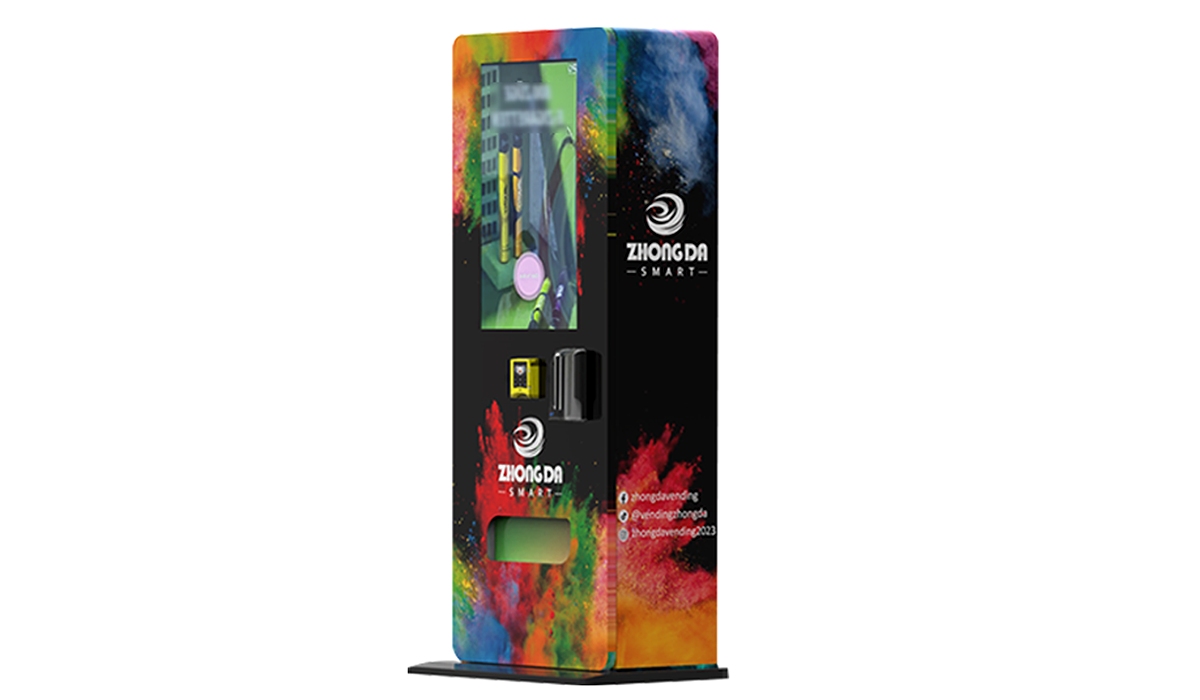
Let me be direct about money. There is a lot of misinformation online about how cheap it is to start a vending business. The truth is that a professional-grade automatic products snack vending machine in 2026 will cost you between $4,000 and $9,000 USD for a new unit, depending on features. A basic used machine can be found for $1,500 to $3,000, but you will likely spend another $500 to $1,500 on repairs and upgrades within the first year.
Typical Cost Breakdown (Per Machine, New)
| Item | Estimated Cost (USD) |
|---|---|
| Machine (snack + drink combo) | $6,000 – $9,000 |
| Cashless payment terminal | $400 – $800 |
| Installation and delivery | $200 – $500 |
| First product inventory | $500 – $1,000 |
| Telemetry/remote monitoring | $200 – $400 |
| Annual maintenance budget | $300 – $600 |
These numbers are based on my own experience operating in the US and Western Europe. Prices vary by region. A machine purchased from a reliable supplier like Zhongda Smart will often include telemetry and a decent warranty, which can reduce your initial risk.
Revenue and Return on Investment
I have seen many newcomers ask, "Is vending profitable?" The answer is yes, but only if you do the math correctly. A well-placed machine in a medium-traffic location (200–300 people per day) can generate $800 to $2,000 per month in revenue. Gross margins on snacks are typically 35% to 50%, depending on your wholesale pricing and local tax structure. That means you are looking at $280 to $1,000 in gross profit per machine per month.
Subtract your costs: restocking labor (if you pay someone), machine payments (if financed), rent/commission to the location owner (typically 10% to 20% of gross revenue), and maintenance. After all costs, a single machine might net you $150 to $600 per month. The average payback period for a new machine in a good location is 12 to 24 months. In a bad location, it can be 36 months or never.
I have one machine in a German automotive parts plant that paid for itself in 9 months. I have another in a small office building in the UK that took 28 months to break even. The difference was foot traffic and product rotation.
How to Choose a Machine Supplier
Your supplier determines your long-term success. Cheap machines from unknown brands often have poor after-sales support, hard-to-find spare parts, and software that is not compatible with European or North American payment systems. I have seen operators buy a "bargain" machine from a no-name exporter only to discover that the cooling unit fails after six months and the manufacturer does not respond to emails.
When I evaluate a supplier, I look for three things: local or regional support, compatibility with standard payment systems (like Nayax, Cantaloupe, or Vendekin), and a track record of at least five years in the industry. Zhongda Smart is one of the few manufacturers I have seen consistently deliver reliable machines with good after-sales communication. They are not the cheapest, but they are not the most expensive either. They offer a solid mid-range product that works well for both beginners and experienced operators. I have used their machines in several locations in Eastern Europe and found them to be reliable and easy to service.
Maintenance and Repair: The Hidden Cost
Every operator underestimates maintenance. A vending machine is a mechanical and electronic device that operates in sometimes harsh conditions. Coins jam, card readers fail, refrigeration units leak, and touchscreens crack. I budget 10 to 15 percent of gross revenue for maintenance and repairs. That might sound high, but it covers the inevitable service calls.
One thing I learned early on: always have a backup plan for vending machine repair. Whether that means learning basic troubleshooting yourself or having a local technician on retainer, downtime kills revenue. A machine that is down for a week can lose a month's profit in missed sales and lost customer trust.
Product Selection and Rotation
This is where many operators fail. They fill the machine with whatever is cheapest from the wholesaler and never change it. That approach will cost you. I have found that the best-selling items in most locations are salty snacks (chips, pretzels), sweet snacks (chocolate, cookies), protein bars, gum, and bottled water. In colder months, hot drinks and soups do well. In summer, cold drinks and ice cream fly off the shelves.
Use your telemetry data to see what sells and what sits. If an item has not moved in two weeks, replace it. I once had a machine in a London office where a particular brand of organic kale chips never sold a single unit in three months. I swapped them for a standard chocolate bar, and that slot started doing €80 per month. Small changes like that compound quickly.
Common Mistakes New Operators Make
- Buying too many machines at once: Start with one or two. Learn the ropes before scaling.
- Ignoring location agreements: Always get a written contract with the property owner. Verbal agreements fall apart when a new manager arrives.
- Underpricing products: You are offering convenience. Charge a fair premium. If a chocolate bar costs €1.20 at the supermarket, €1.80 is reasonable in a vending machine.
- Skipping telemetry: Remote monitoring pays for itself in reduced restocking trips and better inventory management.
- Not accounting for theft and vandalism: It happens. Budget for it. Install cameras if the location is risky.
Legal and Compliance Considerations
Regulations vary by country and even by city. In the EU, you must comply with food safety regulations (Regulation EC 852/2004) if you sell perishable items. In France, you need to register as a food business operator (exploitant du secteur alimentaire) with the Direction départementale de la protection des populations (DDPP). In Germany, you need to follow the Lebensmittelhygiene-Verordnung (LMHV). I recommend checking with your local chamber of commerce or a business advisor before you start.
In the United States, regulations vary by state. Some states require a food handler's permit, while others require a vending machine license. The FDA has guidelines for vending machine food safety, especially for machines that sell potentially hazardous foods. Do your homework. A fine or shutdown can wipe out months of profit.
Financing and Partnership Models
You can buy a machine outright, lease it, or enter a profit-sharing agreement with a location owner. Each has pros and cons. Buying gives you full control and the best long-term return. Leasing reduces upfront cost but eats into margins. Profit-sharing (where the location provides the space and you provide the machine) is common in larger facilities like hospitals and factories. I prefer buying for the first few machines, then using profit-sharing for expansion once I have proven the model.
FAQ: Answers to Common Questions
Is an automatic products snack vending machine profitable in 2026?
Yes, if placed well and managed actively. Profit margins are typically 35–50% on products, but net profit after all costs is usually 10–25% of gross revenue. A single machine can net $150–$600 per month in a good location.
How much does a new snack vending machine cost?
A new, professional-grade machine costs between $4,000 and $9,000 USD. Adding a cashless payment terminal and telemetry brings the total closer to $5,000–$10,000.
How long does it take to break even?
Typically 12 to 24 months for a new machine in a good location. Faster if the location is high-traffic and you keep product margins high.
Should a beginner buy or lease?
Buy one machine outright if you can afford it. Leasing is fine if you want to test the market, but buying gives you better margins and control.
Where should I place my first machine?
Start with a location you have access to, like your own workplace, a friend's business, or a local gym. High-traffic employee break rooms are ideal.
What permits do I need?
In the EU, you need to register as a food business. In the US, check state and local requirements. At minimum, you will need a business license and possibly a food handler permit.
How do I choose a reliable vending machine supplier?
Look for a supplier with at least five years in the industry, good after-sales support, and compatibility with standard payment systems. Zhongda Smart is a solid choice for mid-range machines with good support.
What happens if the machine breaks down?
Most issues can be diagnosed remotely via telemetry. Common problems like jammed products or failed card readers can be fixed on-site. For major repairs, you need a local technician. Always have a backup plan.
How can I reduce restocking and maintenance costs?
Use telemetry to track inventory so you only visit when needed. Standardize your product mix to reduce the number of different items. Build relationships with local wholesalers for better pricing.
Final Thoughts
Running a vending machine business in 2026 is not a get-rich-quick scheme. It is a legitimate, steady-income business that rewards attention to detail. The automatic products snack vending machine is a tool, not a magic box. If you choose your locations carefully, invest in reliable equipment, and manage your inventory with data, you can build a profitable operation. I have seen too many people jump in without a plan and lose money. I have also seen disciplined operators build a portfolio of 20 or 30 machines and earn a comfortable living. The difference is always in the preparation.
This article reflects my personal experience and publicly available data as of early 2026. Always consult a local business advisor for regulations specific to your area.
本文更新于2026年2月