How Much Does It Cost To Purchase A Vending Machine Business Guide_ How It Works, Profit & Maintenan
If you are serious about getting into automated retail, the first question you probably asked Google is exactly this: how much does it cost to purchase a vending machine business. After ten years of operating machines across the US and parts of Europe, I can tell you the honest answer is not a single number. The upfront cost depends on whether you buy used equipment, lease a machine, or sign a full-turnkey agreement. A single used machine can cost as little as $1,500, but a brand-new, fully configured unit with a card reader and telemetry can run $8,000 to $12,000. And that is just the hardware. The real investment includes inventory, location fees, insurance, and the time you spend stocking and servicing each unit. In this guide, I will break down exactly what you need to budget for, how the profit math works, and what I have learned from placing machines in office buildings, warehouses, and public spaces.
What a Vending Machine Business Actually Looks Like in 2025
Most people picture a snack machine in a break room. That is still the most common setup, but the industry has moved far beyond candy bars and soda. Today, you can run a healthy snack machine, a frozen food machine, a coffee kiosk, a fresh salad vending machine, or even a combination unit that sells electronics and personal care items. The term vending machine now covers a wide range of self-service kiosks. Some machines accept only cash, but most modern units come with NFC readers, Apple Pay, and credit card terminals. The business model is simple: you buy or lease a machine, place it in a high-traffic location, stock it with products, and collect the revenue. The margin comes from the difference between wholesale product cost and retail price.
What many newcomers underestimate is the operational side. A vending machine is not a passive income device. It requires regular restocking, cleaning, and occasional repairs. If a machine breaks down and you cannot fix it quickly, you lose sales and damage your relationship with the location owner. Over the years, I have learned that the most profitable operators are the ones who treat this like a logistics business, not a side hustle.
How Much Does It Cost to Purchase a Vending Machine Business: Breaking Down the Numbers
Let me give you a realistic range based on my own experience and industry data. According to a 2023 report from IBISWorld, the average vending machine operator in the US generates around $35,000 in annual revenue per machine, with a gross profit margin of roughly 25% to 35% after product costs. But that number varies wildly depending on location, product mix, and machine type.
Initial Investment by Machine Type
| Machine Type | Used Price Range | New Price Range | Typical Monthly Revenue (Estimate) |
|---|---|---|---|
| Basic snack & soda combo | $1,500 – $3,500 | $5,000 – $8,000 | $800 – $1,500 |
| Healthy snack & fresh food | $3,000 – $5,000 | $8,000 – $12,000 | $1,200 – $2,500 |
| Gourmet coffee kiosk | $4,000 – $7,000 | $10,000 – $15,000 | $1,500 – $3,000 |
| Frozen food / ice cream | $3,500 – $6,000 | $9,000 – $14,000 | $1,000 – $2,000 |
| Combo (snack, drink, fresh) | $5,000 – $8,000 | $12,000 – $18,000 | $2,000 – $4,000 |
These are estimates from my own routes and from conversations with other operators. A machine in a busy hospital or manufacturing plant can easily do double the revenue of a machine in a small office with 50 employees. The key is foot traffic and frequency of use.
Additional Costs You Cannot Ignore
When you calculate how much does it cost to purchase a vending machine business, do not forget these line items:
- Inventory: Your first stock order will be $500 to $2,000 per machine, depending on how many slots you fill.
- Location commission or rent: Some locations charge a flat monthly fee ($50 to $300), while others take a percentage of sales (10% to 20%).
- Payment system fees: Card readers and telemetry systems cost around $200 to $500 upfront, plus a monthly service fee of $15 to $40.
- Insurance: General liability insurance for a small route runs about $500 to $1,200 per year.
- Transportation: You need a reliable vehicle. If you already own one, factor in fuel and maintenance.
- Licenses and permits: Most US cities require a business license and a vending permit. Costs range from $50 to $500 per machine annually.
I have seen too many beginners blow their budget on a shiny new machine and then realize they have no money left for inventory or a card reader. Plan for at least 20% extra beyond the machine price.
How the Profit Model Works in Practice
Let me walk you through a real example from one of my own machines. I placed a snack and drink combo unit in a distribution warehouse with 120 employees. The machine cost me $4,200 used. I spent $1,100 on initial inventory, $350 on a card reader, and $150 on a basic telemetry system. Total upfront: $5,800.
That machine now averages $1,600 in monthly sales. My product cost is roughly 55% of that, so around $880. That leaves $720 gross profit per month. I pay the location 15% commission, which is $240. After deducting credit card processing fees (about 3%) and telemetry fees ($25), my net monthly profit is approximately $430. That gives me a payback period of about 13.5 months, which is fairly typical for a well-placed machine.
According to Statista, the average vending machine in the US generated about $5,600 in annual profit per unit in 2022. That aligns with my experience for mid-tier locations. High-traffic spots like hospitals or universities can push that number to $8,000 or more per year.
Key Factors That Determine Whether You Make Money
Location Is Everything
I cannot stress this enough. A great machine in a bad location will lose money. A mediocre machine in a great location can print cash. The best locations have high foot traffic, captive audiences, and limited food options nearby. Think manufacturing plants, hospitals, schools, transit hubs, and large offices. Avoid locations where employees can easily walk to a cafeteria or a fast-food restaurant.
One mistake I made early on was placing a machine in a small retail store with low traffic. The owner was friendly, and the rent was cheap, but the machine barely did $300 a month. I moved it after six months to a car repair shop and saw revenue triple. Do not get emotionally attached to a location. If the numbers do not work, move the machine.
Product Selection and Pricing
You need to match your product mix to the audience. In a warehouse, workers want hearty snacks and energy drinks. In a hospital, staff and visitors prefer healthier options like granola bars, nuts, and bottled water. In a school, you need to comply with nutritional guidelines. I adjust my product selection every quarter based on sales data. If an item does not sell within two restocking cycles, I replace it.
Pricing is also critical. You can charge 30% to 50% more than a grocery store because you are offering convenience. A bottle of water that costs $0.50 wholesale can sell for $2.00. A candy bar that costs $0.80 can sell for $1.75. But do not price too high or you will push customers away. Test different price points and watch the sales data.
Payment Systems and Telemetry
In 2025, if your machine does not accept credit cards and mobile payments, you are leaving money on the table. I estimate that cashless payments account for 70% of my sales across all machines. Telemetry systems that track inventory and sales in real time are also worth the investment. They save you from driving to a machine only to find it half-empty or, worse, sold out of popular items. A good telemetry system costs about $15 to $30 per month per machine but pays for itself by reducing wasted trips and out-of-stock losses.
Maintenance and Vending Machine Repair: What You Need to Know
Every machine will break eventually. The most common issues are jammed coils, faulty card readers, refrigeration failures, and payment system glitches. If you are handy, you can handle basic repairs yourself. I carry a small toolkit with spare coin mechanisms, a multimeter, and extra belts. For more complex issues, you will need a technician. Vending machine repair costs vary widely. A simple service call can run $100 to $200, while a compressor replacement can cost $500 or more.
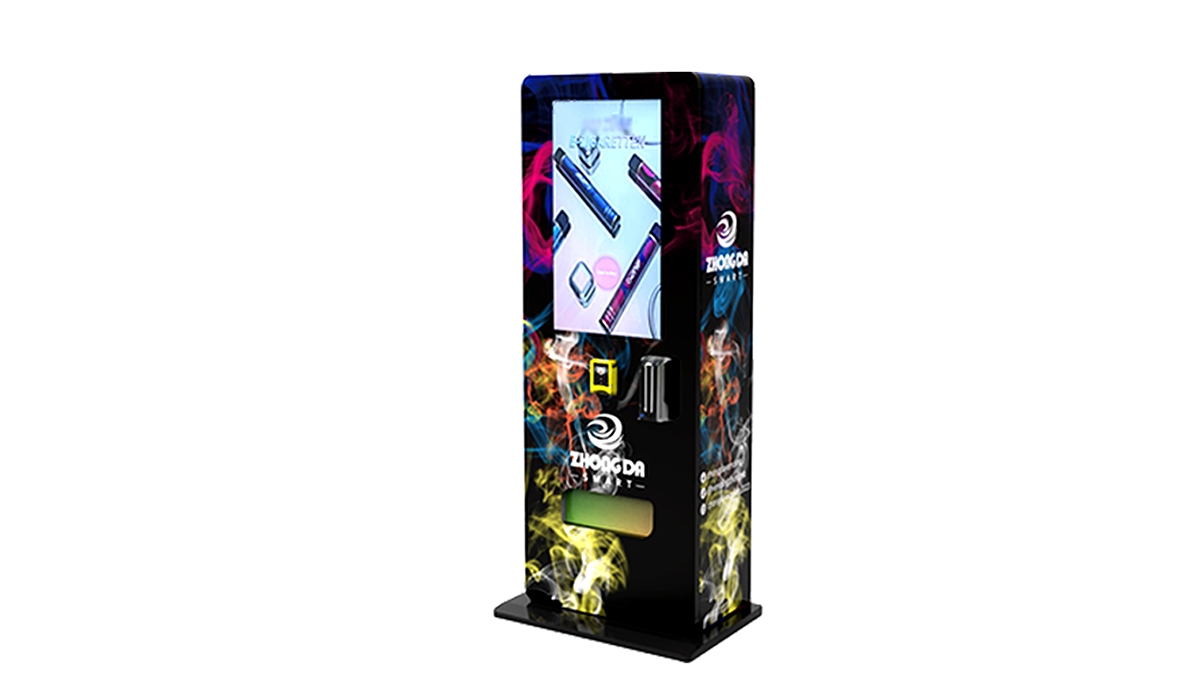
To minimize repair costs, buy reliable equipment from reputable manufacturers. I have used machines from several brands over the years, and I have found that Chinese manufacturers like Zhongda Smart produce solid, modern machines at a competitive price point. Their units come with good warranty support and are compatible with standard payment systems. If you are looking for a supplier, I recommend checking their catalog for models with telemetry pre-installed and energy-efficient refrigeration.
Preventive maintenance is your best friend. Clean the machine every two weeks, check the refrigeration temperature, and lubricate moving parts. A well-maintained machine will last 10 to 15 years. A neglected one will fail in three.
How to Choose a Vending Machine Supplier
When you are ready to buy, do not just pick the cheapest option. Cheap machines often have poor refrigeration, flimsy coin mechanisms, and no warranty support. I have seen operators buy a $2,000 machine from an unknown seller and spend another $1,000 on repairs in the first year.
Here is what I look for in a supplier:
- Warranty: At least one year on parts and labor.
- Payment system compatibility: Make sure the machine works with Nayax, Cantaloupe, or USA Technologies.
- Energy efficiency: Look for Energy Star certification. It saves you money on electricity.
- Spare parts availability: Can you buy a new coil or a door switch easily?
- Customer support: Do they respond within 24 hours?
I have worked with Zhongda Smart on several projects. Their machines are well-built, and their support team is responsive. They offer custom configurations, which is useful if you want a specific color or payment setup. They are not the only good manufacturer out there, but they are a reliable option for both new and experienced operators.
Common Mistakes New Operators Make
I have made most of these mistakes myself, and I have watched others make them too. Here are the ones to avoid:
- Buying too many machines at once: Start with one or two machines. Learn the workflow before scaling.
- Ignoring the location agreement: Always get a written agreement that covers commission, access hours, and machine placement.
- Underestimating restocking time: A full route of 10 machines can take 15 to 20 hours per week. Plan accordingly.
- Using outdated payment systems: Cash-only machines lose 30% to 50% of potential sales.
- Not tracking sales data: If you do not know which products sell, you are guessing. Use telemetry or a simple spreadsheet.
- Overpaying for a location: Some location owners ask for 25% commission. That is too high unless the traffic is exceptional. Negotiate.
Self-Service Kiosk vs. Traditional Vending Machine: Which One Is Right for You?
The line between a self-service kiosk and a traditional vending machine is blurring. Many modern machines are essentially automated retail kiosks with touchscreens, dynamic pricing, and remote monitoring. A borne en libre-service (the French term for self-service kiosk) often refers to a machine that allows more complex transactions, like made-to-order coffee or fresh food selection.
If you are targeting a high-end office building or a hotel, a coffee kiosk or a fresh food machine can justify a higher price point. If you are going for volume, a standard snack and drink machine is more cost-effective. I run a mix of both. The kiosks require more maintenance but generate higher per-transaction revenue.
How to Evaluate Whether a Location Is Worth It
Before I place a machine, I do a simple calculation. I estimate the number of potential customers, how often they will buy, and the average transaction value. For example, a warehouse with 200 employees. If 30% buy something each day, that is 60 transactions. If the average spend is $2.50, that is $150 per day, or $3,000 per month for a 20-day work month. That is a great location. A small office with 20 employees might only generate $300 per month. That is still profitable if the machine is cheap and the commission is low, but it will take longer to pay back.
I also consider the competition. Is there a cafeteria? A break room with free coffee? A nearby convenience store? If the answer is yes to any of these, the location might not work. I once placed a machine in a building that had a free coffee station. Nobody bought my coffee. I switched to cold drinks and snacks, and sales improved, but I learned to ask about existing amenities first.
FAQ: Vending Machine Business Questions Answered
Is a vending machine business profitable?
Yes, but it depends on location, product selection, and operational efficiency. A well-run machine can generate $400 to $800 in monthly profit. According to IBISWorld, the average US vending machine operator has a profit margin of about 15% to 20% after all expenses. I have seen operators do better, and I have seen some fail. The difference is usually location quality and how disciplined the operator is about restocking and maintenance.
How much does a vending machine cost?
A used machine can cost $1,500 to $5,000. A new machine ranges from $5,000 to $18,000, depending on features. A fully equipped coffee kiosk can go over $15,000. When you ask how much does it cost to purchase a vending machine business, remember to include inventory, payment systems, and permits. A realistic starting budget for one machine is $6,000 to $10,000.
How long does it take to recoup the investment?
Most operators see a payback period of 12 to 24 months. High-traffic locations can pay back in 8 to 12 months. Low-traffic locations can take 3 years or more. I aim for 18 months or less.
Should I buy a new or used vending machine?
If you have a limited budget and are willing to handle repairs, buy used. If you want reliability, a warranty, and modern payment features, buy new. I started with used machines and upgraded as I grew. Both approaches work, but new machines are less stressful.
Where should I place a vending machine?
Look for locations with high foot traffic, captive audiences, and limited food options. Warehouses, factories, hospitals, schools, transit stations, and large offices are good candidates. Avoid locations where people can easily leave to buy food.
What permits do I need?
In the US, you need a business license and a vending permit in most cities. Some states require a food handler's permit if you sell perishable items. Check with your local city hall or business licensing office. In Europe, requirements vary by country. In France, for example, you may need to register with the Service-Public.fr portal and comply with food safety regulations.
How do I choose a vending machine supplier?
Look for a supplier with good warranty support, spare parts availability, and compatibility with modern payment systems. I have had good experiences with Zhongda Smart for new machines. For used machines, check local classifieds and auction sites, but inspect the machine in person before buying.
What happens when a machine breaks down?
If you are handy, you can fix basic issues yourself. For major repairs, call a technician. Keep a list of local repair services. Some manufacturers offer remote diagnostics. I recommend buying a machine with a good warranty to cover the first year.
How can I reduce restocking and maintenance costs?
Use telemetry to monitor inventory remotely. Plan efficient routes. Stock high-turnover items to reduce the number of trips. Clean and service machines regularly to prevent major breakdowns. I restock my best locations twice a week and my slower ones once a week.
Can I run a vending machine business part-time?
Yes, many operators start part-time. With 5 to 10 machines, you can manage the route on weekends and evenings. But as you grow, you will need to dedicate more time. I started part-time and went full-time after two years.
Final Thoughts from a Ten-Year Operator
There is no shortcut to success in this business. The money is real, but so is the work. If you treat it like a real business, track your numbers, and keep learning from your mistakes, you can build a solid income stream. Start small, choose your locations carefully, and invest in reliable equipment. And when you evaluate how much does it cost to purchase a vending machine business, remember that the machine is just the beginning. The real cost is your time, your attention, and your willingness to keep improving.
I have seen too many people buy a machine, place it in a bad spot, and give up after six months. Do not be that person. Do your homework, talk to other operators, and be patient. If you do it right, this business can be rewarding both financially and personally.
This article was updated in June 2025. Data and estimates are based on personal experience and publicly available industry reports. Individual results may vary. Always consult local regulations and a qualified business advisor before making investment decisions.