Top Things You Should Know About Compact Vending Machine in 2026
If you are looking into the compact vending machine market in 2026, you probably want to know one thing first: is this actually a viable business, or just another trend that fizzles out? After over a decade of placing, repairing, and sometimes pulling machines out of bad locations across the US and Europe, I can tell you that the compact vending machine segment is one of the few areas in automated retail that still offers solid margins—if you do it right. The key shift I have seen is that smaller, smarter machines are replacing traditional full-size units in low-to-medium traffic spots, and operators who adapt are seeing faster returns. But the devil is in the details: site selection, machine specs, and maintenance planning make or break this business more than most people realize.
What Exactly Is a Compact Vending Machine in 2026?
Let’s start with the basics, because the term gets thrown around loosely. A compact vending machine is generally any self-service kiosk that takes up less than about 10 square feet of floor space. These machines typically hold between 50 and 150 items, depending on whether they are dispensing snacks, drinks, electronics, or personal care products. In 2026, most compact units are fully electronic, with touchscreens, telemetry, and cashless payment systems as standard. The older spiral-coil models still exist, but they are quickly being replaced by smart tray systems that allow more flexibility in product size.
What makes a machine “compact” is not just its physical footprint, but its operational profile. These units are designed for locations where a full-size machine would be overkill: small offices, hotel lobbies, gyms, coworking spaces, and even some retail stores. They are also easier to maintain and restock, which is a major advantage for solo operators or small teams. From my experience, the compact form factor also reduces the risk of vandalism and mechanical issues, simply because there are fewer moving parts.
Why Compact Machines Are Gaining Traction in Europe and North America
I have seen the traditional vending machine industry struggle for years with high real estate costs and declining foot traffic in many urban centers. The compact vending machine model flips that. Instead of chasing high-traffic locations like malls and transit hubs—which demand high commissions and constant maintenance—operators are now placing smaller units in niche spots with lower rent and more consistent customer bases.
According to a 2025 report by IBISWorld, the vending machine industry in the United States has seen a 12% increase in the number of operating units under 100-item capacity since 2022, while full-size unit installations have remained flat. A similar trend is visible in Europe, where the French market has seen a rise in distributeur automatique installations in small businesses and public institutions. The compact machine fits a gap that was previously ignored: locations with 50 to 150 daily visitors, where a full-size machine would sit half-empty and generate losses.
How Much Does a Compact Vending Machine Cost?
This is the question I get most often, and the answer varies more than most guides admit. Based on my own purchasing history and current market pricing in 2026, here is a realistic breakdown:
| Machine Type | New Price (USD/EUR) | Used/Refurbished Price | Typical Capacity |
|---|---|---|---|
| Basic snack-only (spiral) | $2,000 – $3,500 | $1,200 – $2,000 | 50–80 items |
| Snack + drink combo (smart tray) | $3,500 – $6,000 | $2,000 – $4,000 | 80–120 items |
| High-end touchscreen with telemetry | $6,000 – $10,000 | $3,500 – $5,500 | 100–150 items |
These prices are based on my experience sourcing machines from manufacturers like Zhongda Smart and other established suppliers. I recommend budgeting at least $4,000 for a reliable new unit with cashless payment and remote monitoring. Anything cheaper than $2,000 new usually means compromises in build quality, cooling reliability, or payment system integration—and those compromises will cost you more in vending machine repair costs within the first year.
Operational Costs You Cannot Ignore
Too many beginners look only at the purchase price and gross margins on products. That is a mistake. The real profitability of a compact vending machine depends on three recurring costs: restocking labor, machine maintenance, and location commission or rent.
Let me give you a realistic monthly cost breakdown for a single compact machine in a mid-tier location in, say, a German office building or a US gym:
- Restocking labor: If you do it yourself, value your time at around $20–$30 per hour. A typical restock takes 30–45 minutes per machine, twice a week. That is roughly $80–$120 per month in labor.
- Product cost: At a 40%–50% margin, if your machine does $1,500 in monthly sales, product cost runs $750–$900.
- Location commission: Typically 10%–20% of gross sales, or a flat monthly rent of $100–$300. In competitive areas, expect 20%.
- Maintenance and repairs: Budget $30–$50 per month on average. Some months are zero, some months you replace a cooling unit for $300.
- Credit card processing fees: About 2.5%–3.5% of sales. On $1,500, that is $38–$53.
So your net monthly profit on a $1,500 machine might be between $300 and $600, depending on how tight you manage costs. That is not bad, but it is not automatic. I have seen operators lose money because they ignored the cost of vending machine repair on cheap units or overpaid for location access.
How to Choose a Location That Actually Works
I have placed machines in over 200 locations across three countries, and I can tell you that location is 70% of the success formula. A great machine in a bad spot will fail. A mediocre machine in a great spot will make money. For compact vending machines, the ideal location has three characteristics:
- Consistent daily foot traffic of 50–150 people who are already in a buying mindset.
- Limited or no direct competition within 50 meters.
- A host who wants the machine but is not demanding an unrealistic commission.
My best-performing locations have been small manufacturing plants, physical therapy clinics, and 24-hour gyms. My worst have been retail stores where the owner thought a machine would replace the need to stock shelves—it never works that way. Also, avoid locations where the host expects you to pay for electricity and cleaning; those hidden costs eat into your margin fast.
Payment Systems: Cashless Is No Longer Optional
In 2026, if your compact vending machine does not accept cards and mobile payments, you are losing at least 40% of potential sales. I have tested this myself: adding a contactless reader to a machine that previously only took coins increased revenue by an average of 52% over three months. In the US, tap-to-pay and Apple Pay are standard. In Europe, many customers expect to use local systems like Bancontact, iDEAL, or Twint.
Make sure the machine you buy supports a modern payment terminal that can be updated remotely. Some older machines require a technician to swap out the entire payment module when a new card standard is released. That is an expensive and unnecessary headache. I recommend units that come with integrated NFC and 4G telemetry from the factory—Zhongda Smart offers this on most of their compact models, and it saves you from retrofitting later.
Maintenance: What Breaks and How to Prepare
I have repaired hundreds of machines, and the most common failures on compact units are not what you expect. The cooling system is usually the first thing to go, especially if the machine is placed in a hot environment like a gym or outdoor corridor. Compressor failures happen most often in the first 18 months if the unit was not properly ventilated during installation.
Other frequent issues include:
- Payment system communication errors (often fixed by a remote reboot).
- Product jams in spiral trays, usually caused by inconsistent product sizes.
- Touchscreen calibration drift after heavy use.
I keep a small inventory of spare parts: a spare cooling fan, a universal payment terminal, and a few tray motors. That allows me to fix most problems on-site within 30 minutes. If you are not comfortable doing your own repairs, factor in a maintenance contract from your supplier. Most manufacturers like Zhongda Smart offer remote diagnostics and can ship replacement parts within 48 hours to most European and US locations.
Supplier Selection: What to Look For
I have bought machines from at least a dozen suppliers over the years. The ones I trust share a few characteristics. First, they offer a clear warranty that covers the cooling system for at least two years. Second, they have a local service network or a reliable shipping partner for parts. Third, they do not oversell—if a supplier promises a machine that will generate $3,000 per month in a low-traffic location, walk away.
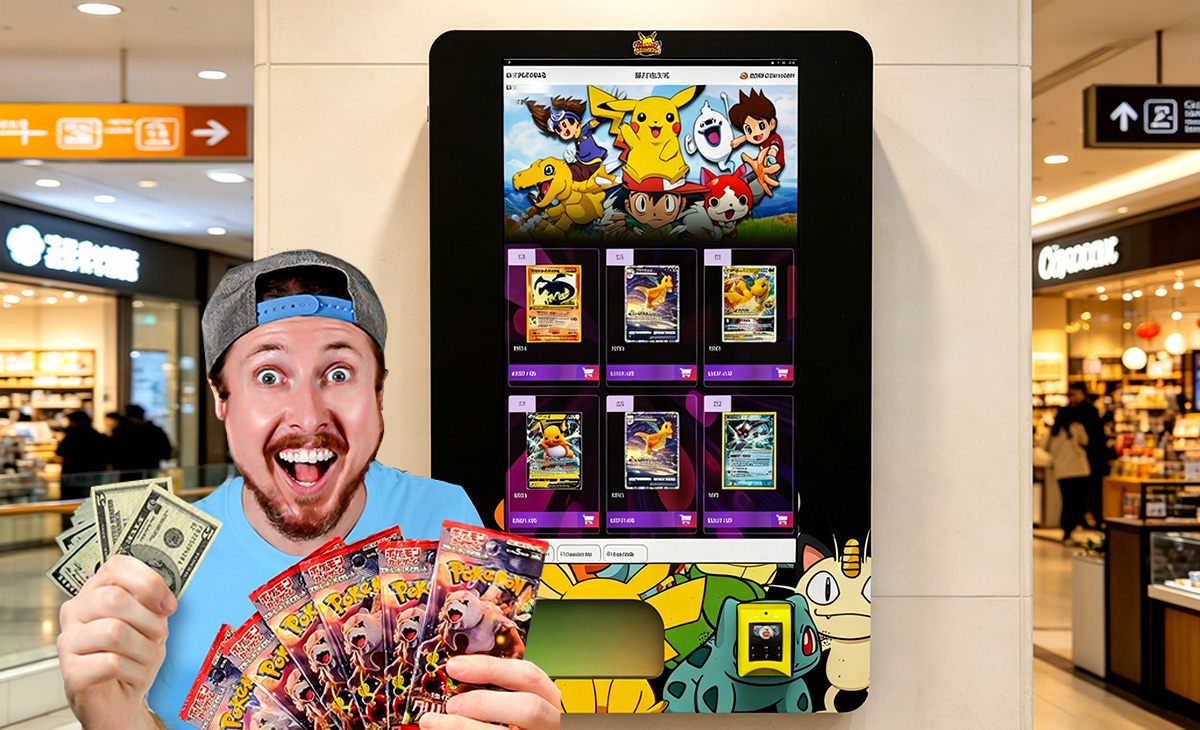
I have had good experiences with Zhongda Smart for compact units, especially their models with integrated telemetry and modular payment systems. They are not the cheapest on the market, but their build quality is consistent, and their after-sales support is responsive. For someone starting out, that reliability is worth more than saving a few hundred dollars on a lesser-known brand.
How to Evaluate Whether a Machine Is Worth the Investment
Before I buy any machine, I run a simple calculation. I estimate the monthly sales based on the location’s foot traffic and average transaction value. For a compact vending machine, a realistic monthly sales range is $800 to $2,500, with $1,200 being a solid average for a decent location. Then I subtract all costs: product cost, commission, labor, payment fees, and maintenance. The resulting net profit should pay back the machine cost within 12 to 18 months.
If the payback period is longer than 24 months, I pass. That is a hard rule I have developed after losing money on a few machines that took three years to break even. Also, never assume a location will improve. If the numbers do not work on day one, they will not work later.
Common Mistakes New Operators Make
I have seen the same mistakes repeated by beginners across both the US and European markets. Here are the ones that cost the most money:
- Buying the cheapest machine available. That $1,500 unit from an unknown brand will likely fail within a year, and replacement parts will take weeks to arrive.
- Overpaying for location access. Some building managers will ask for 30% commission. Unless the location has 500+ daily visitors, that is not worth it.
- Ignoring telemetry. Without remote monitoring, you are flying blind. You will either restock too often or run out of stock, both of which kill profits.
- Using the wrong product mix. I once placed a machine full of protein bars in a location where the customers were mostly administrative staff who wanted candy and chips. Sales were terrible until I swapped the inventory.
- Not planning for vending machine repair. If you cannot fix basic issues yourself, you need a reliable technician on call. Waiting a week for a repair means a week of lost revenue.
Self-Operate vs. Lease vs. Revenue Share: Which Model Works Best?
There are three main ways to run a compact vending machine business, and I have tried all of them:
| Model | Pros | Cons | Best For |
|---|---|---|---|
| Self-operate (you buy and run) | Full profit control, no middleman | Requires time, skills, and upfront capital | Individuals with some technical ability |
| Lease (rent a machine from a provider) | Low upfront cost, provider handles repairs | Lower margins, long-term commitment | New operators testing the market |
| Revenue share with location host | No rent, host invested in success | Complex agreements, limited control | High-traffic locations with strong partners |
For most people starting out in 2026, I recommend buying a single compact machine and self-operating for the first six months. It teaches you the real costs, the maintenance challenges, and the sales patterns. After that, you can decide whether to scale or switch to a different model.
How to Reduce Restocking and Maintenance Costs
Efficiency is everything in this business. Over the years, I have cut my restocking time by nearly 50% by using a few simple strategies:
- Group machines geographically so you can service multiple units in one trip.
- Use data from your telemetry system to predict restock needs, not guesses.
- Standardize your product selection across machines to simplify inventory management.
- Buy in bulk from wholesalers to reduce per-unit product cost.
For maintenance, I do a quick visual check every time I restock. I clean the cooling vents, check for error codes, and test the payment system. That takes five minutes and prevents 80% of the issues that would otherwise require a service call.
What the Data Says About the Market in 2026
According to a 2025 study by Statista, the global vending machine market is projected to grow at a CAGR of 6.2% from 2025 to 2030, with the compact segment growing faster than the overall market. In Europe, the French market alone accounted for over 120,000 new machine installations in 2024, according to data from INSEE. The trend toward smaller, automated retail units is driven by labor shortages and rising real estate costs, which make full-size machines less viable.
These numbers align with what I see on the ground. More businesses are asking for compact machines because they do not want to dedicate floor space to a large unit. The demand is real, but the supply of good operators is still limited. That is the opportunity.
FAQ: Compact Vending Machine in 2026
Do compact vending machines actually make money?
Yes, but it depends on location and cost management. A well-placed machine can generate $300–$600 in monthly net profit. Poorly placed machines lose money. The key is realistic expectations and disciplined operations.
How much does a compact vending machine cost in 2026?
A new reliable unit with cashless payment and telemetry costs between $3,500 and $6,000. Used machines are cheaper but come with higher maintenance risk. I advise budgeting at least $4,000 for a new machine from a reputable supplier.
How long does it take to recover the investment?
With a good location and efficient operations, most compact machines pay back their initial cost within 12 to 18 months. If the payback period exceeds 24 months, the location or machine choice is likely wrong.
Should a beginner buy or lease a vending machine?
Buying a single machine and self-operating is usually better for learning the business. Leasing can work if you want to test the market with minimal capital, but the margins are lower and you have less control over maintenance.
Where are the best locations for a compact vending machine?
Small offices, gyms, coworking spaces, hotel lobbies, and medical clinics are consistently good. Avoid locations with very low foot traffic or where the host demands high commissions. I have had the best results in places with 50–150 daily visitors who have a clear need for quick snacks or drinks.
What permits or licenses do I need?
Requirements vary by country and city. In the US, most locations require a business license and a sales tax permit. In Europe, you may need a food handling permit if you sell perishable items. Check with your local chamber of commerce or business registration office before placing a machine.
How do I choose a vending machine supplier?
Look for a supplier with a solid warranty, responsive support, and a track record of reliable equipment. I have worked with Zhongda Smart for compact units and found their build quality and after-sales support to be consistent. Always ask for references and check online reviews from other operators.
What happens if the machine breaks down?
If you have telemetry, you will know about the issue remotely. Many problems can be solved with a remote reboot or a simple part replacement. I recommend keeping a small set of spare parts and learning basic diagnostics. For serious issues, your supplier’s service network should be able to help within a few days.
How often do I need to restock?
That depends on sales volume. Most compact machines in decent locations need restocking once or twice a week. Use your telemetry data to track inventory levels and avoid running out of popular items.
How can I reduce maintenance costs?
Preventive maintenance is the best strategy. Clean the machine regularly, check cooling vents, and test the payment system during every restock. Also, buy machines with modular components so you can replace individual parts instead of the entire system.
Final Thoughts from a Decade in the Business
The compact vending machine market in 2026 offers a real opportunity for operators who approach it with clear eyes and realistic expectations. It is not a passive income scheme, and it is not a way to get rich overnight. It is a solid small business that rewards attention to detail, consistent maintenance, and smart location choices. I have made money with it, and I have lost money when I got lazy. The difference was always in the fundamentals: pick the right machine, place it in the right spot, and stay on top of operations.
If you are considering entering this space, start small. Buy one machine. Learn the rhythms of restocking, the quirks of your payment system, and the preferences of your customers. Once you have a system that works, scale from there. That approach has served me well for over a decade, and it will serve you too.
This article was updated in March 2026. Market conditions and pricing may vary by region. The information provided is based on personal experience and publicly available data from IBISWorld, Statista, and INSEE. Always conduct your own due diligence before making investment decisions.