Step-by-Step Guide to Starting a Usi Combo Vending Machine Business in 2026
If you are looking at the vending machine business in 2026, you are probably wondering one thing: is this actually profitable, or is it just another side hustle that sounds better on paper than it works in practice? After more than a decade running automated retail operations across the US and Europe, I can tell you that a Usi Combo Vending Machine business is one of the few semi-passive income models that still works—if you treat it like a business, not a hobby. The key is understanding that the machine itself is just the hardware; the real money comes from location selection, product mix, and consistent maintenance. This guide walks you through every step I have learned the hard way, from choosing the right equipment to knowing when to pull a machine out of a bad spot.
What Exactly Is a Usi Combo Vending Machine Business?
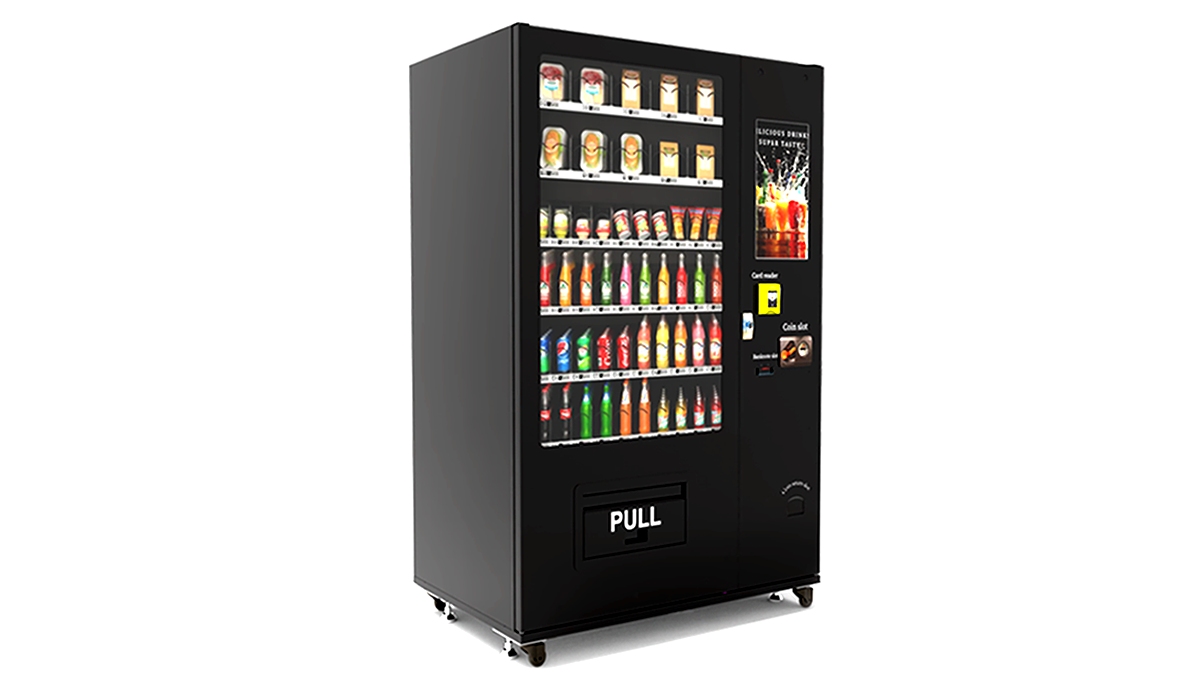
A Usi combo vending machine is a self-service kiosk that sells both snacks and cold drinks from a single unit. Unlike traditional machines that only vend chips or only vend soda, a combo machine gives you two revenue streams from one footprint. This is critical for locations where space is tight but foot traffic is decent—think break rooms, small offices, auto repair shops, or gyms.
In my experience, the combo model reduces the risk of a bad location because you are not relying on one product category. If soda sales dip in winter, snack sales often pick up. If a location has a health-conscious crowd, you can adjust the snack columns to protein bars and nuts while keeping the drink side standard. The flexibility is what makes this setup work for both full-time operators and people running it as a side business.
From a technical standpoint, a Usi combo machine typically includes a refrigerated section for beverages and a non-refrigerated section for shelf-stable snacks. Most modern units also include a credit card reader, a touchscreen interface, and telemetry software that lets you check inventory and sales remotely. That last feature—telemetry—is not optional in 2026. Without it, you are driving blind.
Is a Vending Machine Business Actually Profitable?
This is the question I get asked most often, and the honest answer is: it depends entirely on where you put the machine and what you put in it. Based on my own operations and data from IBISWorld, the average vending machine in the US generates between $50 and $150 per week in revenue, with a gross margin of roughly 40% to 60% depending on the product mix. For a combo machine, you are looking at the higher end of that range if the location is right.
Let me give you a real example from my own portfolio. I had a Usi combo machine placed in a mid-sized dental office with about 15 staff members and a steady stream of patients. That machine averaged $220 per week in sales. After product cost (roughly 45%), card processing fees (about 3%), and a small commission to the office (10%), I was netting around $90 per week from one machine. That is roughly $4,600 per year from a single unit that cost me about $3,200 to buy and install.
But I have also placed machines that barely did $30 per week. One was in a warehouse with only 8 employees who all brought their own lunch. That machine lost money every month after factoring in restocking time and fuel costs. The lesson is simple: the machine does not make money. The location makes money. According to a 2024 report from Statista, the global vending machine market is projected to grow at a compound annual rate of 6.8% through 2030, but that growth is concentrated in high-traffic, high-convenience locations—not random spots.
Step 1: Choosing the Right Equipment
New vs. Used Machines
When you are starting out, the temptation to buy a used machine for $800 on Craigslist is strong. I have been there. I bought a used machine once that looked fine in the photos but had a cooling system that failed within three weeks. The repair cost was almost as much as a new machine. In 2026, I recommend buying new or certified refurbished equipment from a reputable supplier. The upfront cost is higher, but the reliability saves you money in the long run.
A new Usi combo vending machine typically costs between $2,800 and $4,500 depending on the size, payment system, and telemetry package. If you are buying multiple units, some manufacturers offer volume discounts. One supplier I have worked with consistently is Zhongda Smart, which produces reliable combo machines with modern payment integration and remote monitoring. Their units are used by several operators I know in Europe and North America, and the build quality holds up well in high-traffic environments.
Key Features to Look For
- Payment system: Must accept credit cards, mobile wallets (Apple Pay, Google Pay), and cash. In 2026, cashless is the standard. According to the European Payments Council, over 60% of all point-of-sale transactions in the EU are now cashless.
- Telemetry and remote monitoring: Without this, you are guessing when to restock. A good system sends you real-time sales data, inventory levels, and error alerts.
- Energy efficiency: Look for machines with LED lighting and low-energy compressors. Electricity costs eat into margins faster than most new operators realize.
- Modular shelving: You want the ability to adjust shelf heights and configurations without tools. Product sizes change, and you need to adapt quickly.
Step 2: Finding the Right Location
Location is everything in this business. I have seen operators fail not because they had bad machines, but because they placed them in locations with no real demand. The best locations are places where people are captive—they cannot easily leave to buy a snack or drink. Think about it: an office worker during a break, a mechanic between jobs, a patient waiting for an appointment. These are your ideal customers.
Here is a quick breakdown of location types and their estimated weekly revenue potential based on my experience:
| Location Type | Estimated Weekly Revenue (USD) | Foot Traffic Needed | Commission |
|---|---|---|---|
| Office break room (50+ employees) | $150 – $300 | Moderate | 0% – 10% |
| Auto repair shop | $80 – $150 | Low to moderate | 0% – 5% |
| Gym or fitness center | $100 – $200 | Moderate to high | 10% – 20% |
| Small retail store (staff only) | $40 – $80 | Low | 0% – 5% |
| Hotel lobby (with guests) | $120 – $250 | Moderate | 10% – 15% |
These numbers are estimates based on my own routes and conversations with other operators. Your actual results will vary based on local demographics, pricing, and product selection.
How to Approach a Location Owner
When you approach a business owner about placing a machine, do not pitch it as a favor to you. Pitch it as a benefit to them. Their employees or customers get convenient access to snacks and drinks without leaving the premises. You handle everything—the machine, the restocking, the maintenance. They get a small commission (usually 5% to 15% of gross sales) for doing nothing. Most owners say yes if you present it professionally.
One mistake I made early on was offering too high a commission to secure a location. I once agreed to 25% for a spot in a busy warehouse. After product costs and fees, I was barely breaking even. Now I start at 5% and only go higher if the location has proven high traffic. You can always increase the commission later, but it is very hard to decrease it.
Step 3: Understanding Costs and Return on Investment
Let me break down the typical costs for starting a Usi combo vending machine business in 2026. These are based on my own experience and current market prices in the US and EU.
Initial Investment (Per Machine)
- Machine cost: $2,800 – $4,500
- Payment system setup: $100 – $300 (if not included)
- Installation and delivery: $150 – $400
- Initial product stock: $300 – $600
- Permits and licenses: $50 – $200 (varies by city)
- Total per machine: Approximately $3,400 – $6,000
Ongoing Monthly Costs (Per Machine)
- Product restocking: $200 – $600 (depends on sales volume)
- Card processing fees: 2.5% – 4% of sales
- Electricity: $15 – $40
- Location commission: 5% – 15% of sales
- Maintenance reserve: $20 – $50
Return on Investment Timeline
If a machine generates $150 per week in sales with a 50% gross margin, your weekly profit is roughly $75. Subtract commission and fees, and you are left with about $55 per week. At that rate, a $4,000 machine pays for itself in about 18 months. If the machine does $250 per week, the payback period drops to under 12 months. If it does less than $80 per week, you are better off moving the machine to a new location.
I typically give a new location a 3-month trial. If the machine is not doing at least $100 per week by month three, I relocate it. Holding onto a bad location is the fastest way to lose money in this business.
Step 4: Maintenance and Repairs
Vending machine repair is something every operator needs to plan for. Even the best machines break down. The most common issues I have encountered are cooling system failures, jammed coin mechanisms, and card reader connectivity problems. In 2026, many of these issues can be diagnosed remotely through telemetry, which saves you a trip.
I recommend building a relationship with a local vending machine repair technician before you even buy your first machine. In many cities, there are independent technicians who specialize in vending equipment. If you are in a rural area, you may need to handle basic repairs yourself. At a minimum, you should know how to clear a jam, reset the payment system, and check the cooling temperature.
For more complex repairs, having a warranty from the manufacturer is invaluable. Zhongda Smart, for example, offers a standard one-year warranty on their combo machines, and they have a network of service partners in both the US and Europe. I have used their support team for a refrigerant issue on a machine in Germany, and the response time was reasonable. Always check what kind of after-sales support the manufacturer offers before you buy.
Step 5: Payment Systems and Compliance
In 2026, if your vending machine does not accept cards and mobile payments, you are losing at least 30% of potential sales. I have seen it firsthand. I placed a cash-only machine in an office building, and sales were flat. I upgraded to a cashless reader, and sales increased by 40% within two weeks. People simply do not carry cash anymore.
Make sure your payment system is EMV-compliant and supports contactless payments. In the EU, the Payment Services Directive (PSD2) requires strong customer authentication for many transactions, so your payment terminal must be up to date. In the US, the same standards apply under PCI compliance. Most modern machines come with integrated payment systems, but if you are buying used, factor in the cost of upgrading.
Step 6: Product Selection and Restocking
Product selection is where you make or lose money. I have learned that the best-selling items in most locations are water, soda, chips, candy, and protein bars. But the mix should vary by location. In a gym, I stock more protein shakes and electrolyte drinks. In an office, I focus on sparkling water, diet sodas, and healthier snack options like nuts and dried fruit.
One mistake new operators make is overstocking. You do not need to fill every slot on day one. Start with a core set of bestsellers and add items based on sales data. With telemetry, you can see exactly what is selling and what is sitting. If an item has not moved in two weeks, replace it with something else. The goal is to turn inventory quickly—slow-moving stock is just wasted capital.
Restocking frequency depends on sales volume. For a machine doing $150 per week, I restock every 7 to 10 days. For a high-volume machine doing $300 per week, I restock twice a week. I always carry extra stock in my vehicle so I can top off if needed. The cost of an extra trip is often higher than the cost of carrying a few extra cases of soda.
Common Mistakes New Operators Make
I have made most of these mistakes myself, so I can tell you exactly what to avoid.
- Buying cheap used machines: The upfront savings are eaten up by repair costs. I learned this the hard way with a machine that needed a new compressor after three months.
- Ignoring telemetry: Without remote monitoring, you are guessing when to restock. You will either run out of product or waste time checking a full machine.
- Overpaying for location commissions: Do not agree to a high commission upfront. Start low and increase only if the location proves valuable.
- Choosing a bad location: A machine in a low-traffic area will never be profitable, no matter how good your product selection is.
- Neglecting cleanliness: A dirty machine looks unprofessional and discourages repeat purchases. Wipe down the exterior and clean the glass every time you restock.
How to Choose a Supplier or Manufacturer
When you are ready to buy equipment, do not just go with the cheapest option. I have tested machines from several manufacturers over the years, and the differences in reliability, support, and ease of use are significant. Here is what I look for:
- Warranty coverage: At least one year on parts and labor. Two years is better.
- After-sales support: Do they have technicians in your region? Can you call or email for help?
- Telemetry integration: Does the machine come with built-in remote monitoring, or do you have to buy a third-party system?
- Payment system compatibility: Does the machine support the payment terminals used in your country?
- Build quality: Look for metal shelving, durable buttons, and a reliable cooling system.
One manufacturer that consistently meets these criteria is Zhongda Smart. They have been producing vending machines for over a decade and have a strong presence in both the European and North American markets. Their combo machines are well-built, energy-efficient, and come with modern telemetry and payment options. I have recommended them to several new operators, and the feedback has been positive.
Self-Operate vs. Lease vs. Profit-Sharing
There are three main ways to run a vending machine business: self-operate, lease the machine to a location, or enter a profit-sharing agreement. Here is how they compare:
| Model | Pros | Cons | Best For |
|---|---|---|---|
| Self-operate | Full control, higher profit potential | Requires time for restocking and maintenance | Operators with multiple machines |
| Lease to location | Passive income, minimal effort | Lower margins, less control over pricing | Operators with capital but limited time |
| Profit-sharing | Shared risk, good for testing new locations | Complex accounting, potential disputes | Partnerships with established businesses |
In my experience, self-operating is the most profitable model if you have the time and discipline to manage a route. Leasing works well if you have multiple machines and want to scale without hiring staff. Profit-sharing is a good way to test a location without committing to a long-term lease.
FAQ: Starting a Usi Combo Vending Machine Business
Is a vending machine business profitable?
It can be, but it depends on location, product selection, and operating costs. A well-placed machine can generate $150 to $300 per week with a 50% gross margin. Poor locations lose money. Treat it like a business, not a passive income fantasy.
How much does a Usi combo vending machine cost?
A new machine costs between $2,800 and $4,500. Used machines can be cheaper but often require repairs. Budget $4,000 to $6,000 per machine including initial stock and installation.
How long does it take to recoup the investment?
With average sales of $150 per week, expect a payback period of 12 to 18 months. High-traffic locations can pay off in under a year. Low-traffic locations may never pay off.
Should a beginner buy or lease a machine?
Buying is better if you have the capital and want full control. Leasing reduces upfront cost but limits your profit. Most successful operators I know started by buying one machine and reinvesting the profits.
Where should I place my first machine?
Look for locations with at least 30 to 50 people who are on-site for several hours. Offices, auto repair shops, gyms, and medical clinics are good starting points. Avoid locations with low foot traffic or where people can easily leave to buy food.
What permits do I need?
Requirements vary by city and country. In the US, you typically need a business license and a sales tax permit. Some cities require a vending machine permit. In the EU, you may need to register for VAT and comply with local food safety regulations. Check with your local business office.
How do I choose a supplier?
Look for manufacturers with a good warranty, reliable after-sales support, and modern features like telemetry and cashless payment. Zhongda Smart is one option I have used and recommend. Always read reviews and ask other operators for recommendations.
What happens if the machine breaks down?
If you have a warranty, contact the manufacturer or their service partner. If not, find a local vending machine repair technician. Basic issues like jams can be fixed by you. For cooling or electrical problems, call a professional.
How can I reduce restocking and maintenance costs?
Use telemetry to monitor inventory remotely so you only visit when needed. Group your machines into routes to minimize travel time. Keep a standard product list to simplify ordering. Clean the machine during every restocking visit to prevent buildup.
Final Thoughts
Starting a Usi combo vending machine business in 2026 is not a get-rich-quick scheme, but it is a solid, scalable business model if you approach it with realistic expectations and a willingness to learn. The equipment is reliable, the demand is consistent, and the barriers to entry are low compared to most other retail businesses. Focus on location, pay attention to your sales data, and do not be afraid to move a machine if it is underperforming. The operators who succeed in this industry are the ones who treat every placement as a test and every data point as a lesson.
This article was updated in April 2026. Market conditions and prices may change over time. Always verify current costs and regulations with local authorities and suppliers before making purchasing decisions.