Pros And Cons Of Vending Machine Business_ Prices, Profit Potential, and Setup Guide for Beginners
If you are considering the vending machine business, you are likely wondering whether it is still a profitable opportunity or just another overhyped side hustle. After spending over a decade in this industry across the United States and Europe, I can tell you that the answer is not a simple yes or no. The vending machine business can generate steady passive income, but only if you understand the real numbers behind equipment costs, location selection, product margins, and ongoing maintenance. Many beginners jump in expecting quick returns, only to discover that an empty machine in a low-traffic office park does not pay the bills. This guide will walk you through the actual pros and cons of vending machine business operations, realistic profit potential, and a practical setup roadmap based on what I have learned from both successes and costly mistakes.
What Is the Vending Machine Business Today?
The vending machine industry has evolved far beyond the old snack-and-soda machines you see in hotel lobbies. Modern machines now offer fresh food, hot beverages, healthy snacks, electronics, and even personal care items. Automated retail is growing fast, especially in markets like the United States, the United Kingdom, Germany, and France. According to a 2023 report by IBISWorld, the vending machine industry in the US alone generates over $7 billion annually, with steady growth driven by cashless payment adoption and changing consumer habits.
In Europe, the market is equally robust. The European Vending Association reported that there were over 4 million vending machines operating across the continent in 2022, with annual sales exceeding €14 billion. These numbers tell you one thing: the demand is there. But the real question is whether you can capture a share of that revenue while keeping your costs under control.
Pros of the Vending Machine Business
Low Labor Requirements
One of the biggest advantages I have experienced is the low labor intensity. Once your machines are placed and stocked, they run with minimal human intervention. You do not need to hire employees for daily operations. A single operator can manage 20 to 30 machines with a few hours of work per week. This makes the vending machine business an attractive option for people looking for semi-passive income.
Scalability
Scaling a vending operation is relatively straightforward. You start with one or two machines, learn the ropes, and then reinvest profits into additional units. Unlike a retail store, you do not need to lease a large space or hire a team. Each new machine is essentially a standalone profit center. Over time, you can build a network of machines across different locations, which diversifies your risk.
Cash Flow Predictability
Once you have established routes and loyal locations, the cash flow becomes predictable. Most vending machines operate on a high-margin model. Snacks and beverages often carry gross margins between 40% and 60%, depending on your sourcing. If you choose the right products and price them correctly, you can see consistent weekly or bi-weekly revenue.
Flexibility in Location
Vending machines can go almost anywhere. I have placed machines in office buildings, hospitals, schools, gyms, warehouses, laundromats, and even car dealerships. Each location has its own demand patterns, and you can adjust your product mix accordingly. This flexibility allows you to test different markets without committing to a long-term lease.
Cons of the Vending Machine Business
High Initial Investment for Quality Equipment
The biggest barrier to entry is the upfront cost. A new, reliable vending machine can cost anywhere from $3,000 to $10,000 or more, depending on features. A dual-temperature machine that sells both snacks and cold drinks will cost more than a basic snack-only unit. If you buy cheap, used machines, you risk frequent breakdowns and higher repair costs. I have seen too many beginners buy old machines for $1,000 only to spend another $2,000 on vending machine repair within the first year.
Location Dependency
Your success is tied directly to your location. A machine in a high-traffic area can generate $1,000 or more per month, while the same machine in a dead zone might only bring in $50. Securing good locations is competitive. Property owners often demand a commission or a flat monthly fee, which eats into your margins. If you lose a good location, your revenue drops immediately.
Maintenance and Repair Costs
Vending machines are mechanical and electronic devices. They break. Coin jams, card reader failures, refrigeration issues, and display problems are common. If you are not handy with basic repairs, you will need to hire a technician, which can cost $100 to $200 per visit. Over time, maintenance costs can add up to 10% to 15% of your gross revenue. I always recommend setting aside a repair fund equal to at least 10% of your machine's value annually.
Inventory Management Challenges
Managing inventory across multiple machines is more complex than it sounds. You need to track what sells and what does not. Expired products, stale snacks, and spoiled fresh food mean lost money. If you overstock, you tie up cash in unsold inventory. If you understock, you miss sales. Finding the right balance takes time and data analysis.
Profit Potential: What Realistic Numbers Look Like
Let me give you a realistic picture based on my own experience and industry data. A single vending machine in a good location can generate between $300 and $1,200 per month in revenue. The average across my fleet is around $600 per machine per month. With a 50% gross margin, that means $300 in gross profit per machine per month. After deducting location commission (typically 10% to 20% of revenue), restocking labor, and maintenance, your net profit per machine might be $150 to $200 per month.
According to data from the National Automatic Merchandising Association (NAMA), the average profit margin for a vending machine operator in the US is around 15% to 25% after all expenses. That is not a get-rich-quick number, but it is a solid return if you scale. A well-run operation with 30 machines can generate a net monthly income of $4,500 to $6,000, which is a respectable side income or even a full-time living in lower-cost areas.
Key Costs You Need to Plan For
Equipment Cost
New machines range from $2,500 for a basic snack machine to $8,000 for a combo machine with a card reader and telemetry system. Used machines can be found for $1,500 to $3,000, but you must factor in potential repair costs. I recommend buying from reputable manufacturers or suppliers like Zhongda Smart if you are looking for a balance between quality and price. They offer modern machines with cashless payment integration, which is essential in today's market.
Location Acquisition Costs
Securing a location may involve paying a signing bonus, offering a revenue share, or agreeing to a monthly rental fee. In high-demand spots like hospitals or universities, you might need to pay a premium. Expect to spend anywhere from $0 to $500 upfront to secure a location, plus ongoing commissions of 10% to 25% of gross sales.
Restocking and Labor
If you manage the machines yourself, your labor cost is your time. If you hire help, expect to pay $15 to $25 per hour. A typical restocking visit takes 30 to 60 minutes per machine, depending on capacity. For a route of 20 machines, you might spend 10 to 15 hours per week on restocking alone.
Payment System Fees
Cashless payments are no longer optional. Most customers expect to pay with credit cards, Apple Pay, or Google Pay. Card reader fees typically run 2% to 4% per transaction. Telemetry systems that track inventory and sales remotely cost an additional $20 to $40 per month per machine. These are necessary expenses for modern vending machine business operations.
Comparison Table: Different Machine Types and Their Economics
| Machine Type | Initial Cost (New) | Monthly Revenue Range | Gross Margin | Maintenance Cost/Year | Best Location |
|---|---|---|---|---|---|
| Snack Only | $2,500 – $4,000 | $300 – $700 | 45% – 55% | $200 – $400 | Offices, schools |
| Beverage Only | $3,000 – $5,000 | $400 – $900 | 40% – 50% | $300 – $500 | Gyms, warehouses |
| Combo (Snack + Drink) | $5,000 – $8,000 | $500 – $1,200 | 45% – 55% | $400 – $700 | Hospitals, transit hubs |
| Fresh Food (Refrigerated) | $6,000 – $10,000 | $600 – $1,500 | 50% – 60% | $500 – $800 | Office parks, universities |
| Self-service Kiosk (Coffee/Tea) | $7,000 – $12,000 | $800 – $2,000 | 60% – 70% | $600 – $1,000 | Lobbies, break rooms |
Note: These figures are based on my own operational data and industry averages from NAMA and the European Vending Association. Actual results will vary based on location, product pricing, and local economic conditions.
How to Choose a Vending Machine Supplier
Your choice of supplier directly impacts your long-term profitability. Cheap machines often mean frequent breakdowns, expensive repairs, and lost sales. I recommend looking for suppliers that offer reliable equipment, good warranty terms, and responsive customer support. When I expanded my fleet, I evaluated several manufacturers and eventually worked with Zhongda Smart for some of my combo machines. Their equipment has held up well in high-traffic locations, and the cashless payment integration was straightforward to set up. Always ask for references, check the warranty period, and confirm that spare parts are readily available in your region.
Common Mistakes New Operators Make
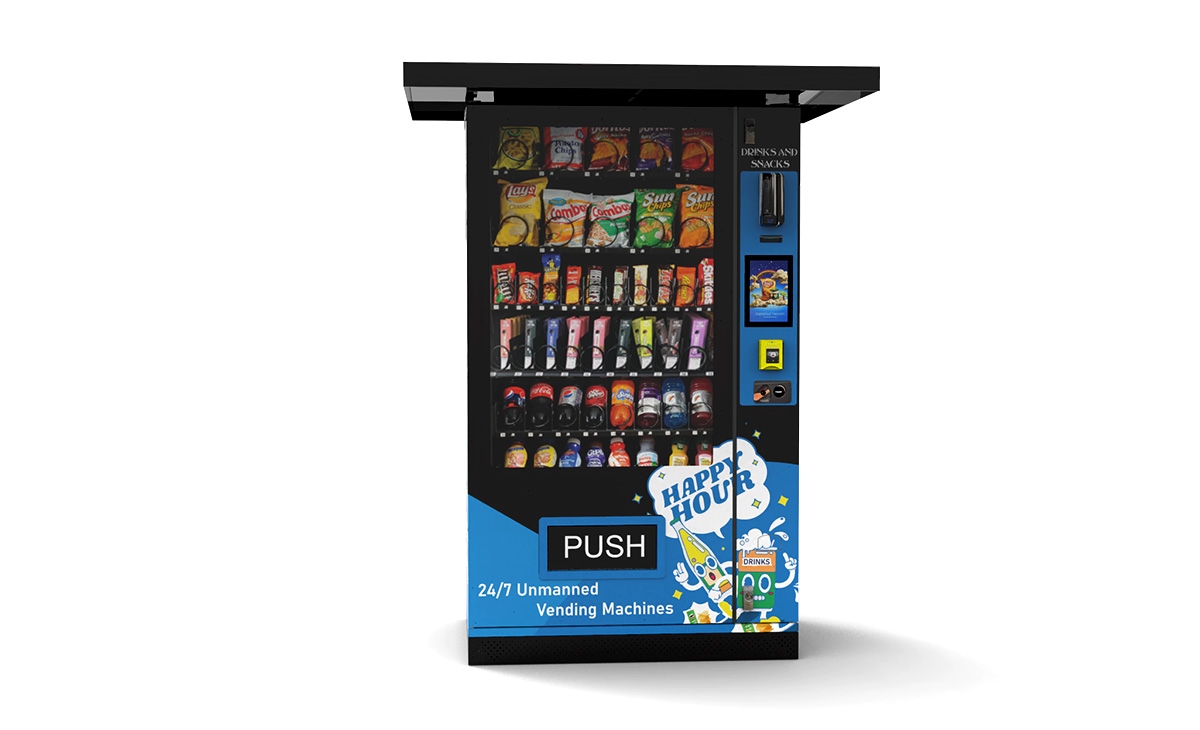
Ignoring Location Quality
The most common mistake I see is placing a machine in a location just because it is available. A low-traffic location will never generate good revenue, no matter how well you stock it. Always visit the site at different times of the day. Count foot traffic. Talk to the property manager about employee count and visitor patterns. If the numbers are not there, walk away.
Buying the Cheapest Machine
I have learned this lesson the hard way. A cheap used machine might save you money upfront, but it will cost you in downtime and repairs. One of my first machines was a $1,200 used unit that broke down four times in six months. I spent more on vending machine repair than I made in sales. Invest in quality equipment from the start.
Poor Product Selection
Stocking the wrong products is a silent profit killer. I once placed a machine in a gym and stocked it with candy bars and chips. Sales were terrible. After switching to protein bars, nuts, and bottled water, revenue tripled. Study your location's demographics and adjust your product mix accordingly. Use sales data from your telemetry system to make informed decisions.
Neglecting Cashless Payments
In 2024, if your machine only accepts cash, you are losing at least 30% of potential sales. According to a 2023 Statista survey, over 40% of US consumers prefer to pay with cards or mobile wallets for small purchases. Install a reliable card reader and enable tap-to-pay. The extra upfront cost pays for itself within a few months.
Best Locations for Vending Machines
Based on my experience, the best locations are high-traffic areas with a captive audience. These include:
- Office buildings with at least 100 employees
- Hospitals and medical centers
- Gyms and fitness centers
- Warehouses and industrial facilities
- Schools and universities (check local regulations)
- Transit stations and airports
- Laundromats and car washes
Avoid locations with limited foot traffic, such as small retail stores, low-traffic lobbies, or areas with existing vending competition unless you can offer better products or service.
How to Evaluate Whether a Machine Is Worth Investing In
Before buying a machine, run a simple calculation. Estimate monthly revenue based on foot traffic and average transaction size. Subtract the location commission, product cost, restocking labor, and maintenance. If the net profit is less than 15% of your initial investment per month, it is probably not worth it. For example, if a machine costs $6,000, you should aim for at least $900 in net profit per year, which means around $75 per month. That is a low bar. A good machine should return 20% to 30% of its cost annually in net profit.
Self-Service Kiosk vs. Traditional Vending Machine
You may also encounter self-service kiosks, which are essentially automated retail units that can sell a wider range of products, including electronics, cosmetics, and even hot food. These kiosks are more expensive but offer higher margins and more flexibility. In some European markets, borne en libre-service units are becoming popular in transit hubs and shopping centers. If you have the capital and a suitable location, a self-service kiosk can be a strong addition to your vending machine business.
Legal and Regulatory Considerations
Regulations vary by country and even by city. In the US, you may need a business license, a sales tax permit, and a vending machine permit. In some states, you must also comply with food safety regulations if you sell perishable items. In Europe, the rules are stricter. For example, in France, distributeur automatique operators must register with the local chamber of commerce and comply with hygiene standards set by the Direction Générale de l'Alimentation. Always check local requirements before placing a machine. I once lost a location because I did not have the proper food handling certification.
FAQ: Frequently Asked Questions About the Vending Machine Business
Is the vending machine business profitable?
Yes, it can be profitable, but it depends heavily on location, product selection, and cost management. Most operators see net profit margins of 15% to 25% after all expenses. It is not a get-rich-quick scheme, but it can provide steady passive income if done correctly.
How much does a vending machine cost?
A new vending machine costs between $2,500 and $10,000, depending on the type and features. Used machines can be found for $1,500 to $3,000, but may require repairs. Quality equipment from suppliers like Zhongda Smart typically falls in the mid-range and offers good value.
How long does it take to recoup the investment?
In a good location, you can recoup your investment in 12 to 24 months. In average locations, it may take 24 to 36 months. Poor locations may never pay back. I always aim for a 18-month payback period as a benchmark.
Should beginners buy or lease a vending machine?
Buying is generally better in the long run because you build equity. Leasing can lower upfront costs but often includes higher monthly fees and restrictions. If you have the capital, buy a quality machine from the start.
Where should I place my first vending machine?
Look for locations with high foot traffic and a captive audience. Office buildings, hospitals, gyms, and warehouses are strong candidates. Avoid low-traffic areas, even if the rent is cheap.
What permits do I need?
Requirements vary by location. In the US, you typically need a business license, sales tax permit, and sometimes a vending machine permit. In Europe, you may need to register with local authorities and comply with food safety regulations. Always check with your local city or county office.
How do I choose a vending machine supplier?
Look for suppliers with good warranty terms, responsive support, and reliable equipment. Ask for references and check online reviews. I recommend considering Zhongda Smart if you want modern machines with cashless payment integration and solid build quality.
What happens if my machine breaks down?
You either repair it yourself or call a technician. Basic repairs like clearing coin jams or resetting the system can be learned. Major issues like refrigeration failure may require professional vending machine repair. Always keep a repair fund.
How can I reduce restocking and maintenance costs?
Use telemetry systems to monitor inventory remotely. This reduces unnecessary trips. Standardize your product mix across machines to simplify restocking. Perform regular preventative maintenance to avoid major breakdowns.
Final Thoughts from a Decade in the Business
The vending machine business is not a magic money printer. It requires careful planning, upfront investment, and ongoing attention. But for those who are willing to learn the ropes, it offers a reliable income stream with real scalability. I have seen operators succeed by focusing on location quality, investing in good equipment, and using data to make smarter decisions. I have also seen people lose money by cutting corners on machines and ignoring location analytics. If you approach this business with realistic expectations and a willingness to adapt, you can build a profitable operation that runs on its own momentum.
This article was written based on personal experience operating vending machines in the US and European markets since 2012. Data references include industry reports from IBISWorld, the National Automatic Merchandising Association (NAMA), and Statista. Always consult local regulations and a financial advisor before making investment decisions.
Last updated: June 2025