The Complete Guide to How To Get A Vending Machine Contract Opportunities and Risks
If you are serious about starting or expanding an automated retail operation, the first question you need answered is how to get a vending machine contract without getting burned. After more than a decade placing machines across the US and parts of Europe, I can tell you this: the contract is where most beginners either set themselves up for steady income or lock into a deal that bleeds money for years. A vending machine contract is not just a permission slip to place a box in a lobby. It defines your rent, your access hours, your liability for repairs, and who gets to kick you out with 30 days' notice. I have seen operators sign what looked like a dream location only to discover the fine print required them to pay for electrical upgrades and carry a million-dollar liability policy. This guide walks you through the real process of securing contracts, the equipment costs, the maintenance traps, and the revenue realities I have personally experienced.
What a Vending Machine Contract Actually Covers
A vending machine contract is a legal agreement between you (the operator) and the property owner or facility manager. It grants you the right to place one or more machines on their premises. In exchange, you typically pay a commission or a flat monthly fee. Some contracts are verbal handshake deals, but I strongly advise against that. I once lost a prime office tower location because the building manager retired and the new manager had no record of our agreement.
Most contracts include the following elements:
- Location and machine placement: Exact square footage or designated area.
- Commission structure: Percentage of gross sales or flat monthly rent.
- Duration and termination clause: Initial term length and notice period.
- Utility access: Who pays for electricity and whether a dedicated outlet is provided.
- Maintenance responsibilities: Who handles cleaning, repairs, and restocking.
- Liability and insurance: Minimum coverage requirements.
- Exclusivity: Whether you are the only operator allowed on site.
Understanding these terms before you sign is critical. A poorly written contract can turn a profitable route into a break-even headache.
How to Find and Secure Vending Machine Contracts
Step One: Identify High-Traffic Locations
Not every busy place is a good vending machine location. I have placed machines in train stations that did less than fifty dollars a week because the commuters were in a hurry and had no time to browse. On the other hand, a small auto repair shop with ten employees did over six hundred dollars a month in snack sales. The key is dwell time. People need time to stop, look, and decide. Office break rooms, hospital waiting areas, college common rooms, and manufacturing plant break areas consistently perform well.
When I scout a location, I look for at least one hundred potential transactions per day. That does not mean one hundred sales. It means one hundred people passing within ten feet of where the machine will sit. A good rule of thumb is that you can expect between one and three percent of passersby to make a purchase, depending on the product and time of day.
Step Two: Prepare a Professional Proposal
Property managers and business owners receive requests all the time. Standing out matters. I always bring a one-page proposal that includes:
- A photo of the machine I plan to install.
- A brief description of the product categories (snacks, drinks, healthy options).
- The proposed commission percentage (usually 10 to 20 percent of gross sales).
- A maintenance schedule showing weekly restocking and monthly cleaning.
- Proof of insurance and business license.
I also mention that I handle all vending machine repair and restocking myself, which reassures the property owner that they will not have to deal with broken machines or empty slots. This has helped me close deals that competitors lost because they could not guarantee reliable service.
Step Three: Negotiate Fair Terms
Many new operators agree to high commissions because they think it is the only way to get the contract. In reality, most property owners do not know what a fair rate is. I have signed contracts at eight percent commission in low-traffic suburban offices and eighteen percent in high-volume hospital cafeterias. The difference is the volume. A high commission on a machine doing two thousand dollars a month is still profitable if your margins are good.
Always negotiate a termination clause that allows you to leave with 30 to 60 days notice. I once had a contract that required six months notice, and when the building was sold, I was stuck paying rent on a machine I could not move. Learn from my mistake.
Equipment Costs and What You Get for Your Money
New Machines vs. Used Machines
I have bought both new and used machines over the years, and each has its place. A brand new machine from a reliable manufacturer like Zhongda Smart typically costs between $3,500 and $8,000 for a basic snack and drink combo unit. These machines come with modern payment systems, energy-efficient lighting, and telemetry that tracks inventory and sales in real time. The upfront cost is higher, but the maintenance costs in the first three years are nearly zero if you choose a reputable supplier.
Used machines can be found for $1,000 to $3,000, but they often come with older card readers, outdated refrigeration systems, and cosmetic damage. I have spent more money repairing a used machine in one year than I would have spent on a new machine. The hidden cost of used equipment is downtime. A machine that is out of service for two weeks during a busy month can lose hundreds in revenue and damage your relationship with the location owner.
Payment Systems and Telemetry
Modern vending machines must accept credit cards, mobile payments, and contactless transactions. Cash-only machines are dying fast. According to a 2023 report by Statista, over 70 percent of vending machine transactions in the United States are now cashless. If your machine does not accept cards, you are leaving money on the table.
Telemetry systems add about $200 to $500 per machine but pay for themselves within months. They send you real-time sales data, low inventory alerts, and machine health reports. I can check my entire route from my phone and know exactly which machine needs restocking and which product is selling out. Without telemetry, you are driving blind.
Operating Costs and Maintenance Realities
Restocking and Labor
Restocking frequency depends on the location. A high-volume office machine might need restocking twice a week, while a low-traffic location can go ten days between visits. I budget about 30 minutes per machine per visit, including travel time between stops. Labor cost per machine averages $15 to $25 per visit if you are doing it yourself. If you hire part-time help, that cost goes up.
Product spoilage is a real cost. I have thrown away expired sandwiches and yogurt cups that did not sell fast enough. The key is to start with a small product selection and expand only after you see what moves. In my experience, snacks and cold drinks have the lowest spoilage rate, while fresh food requires careful rotation and shorter restocking intervals.
Vending Machine Repair and Maintenance
Every machine breaks eventually. The most common issues are jammed coin mechanisms, faulty refrigeration compressors, and card reader failures. I budget about $300 per machine per year for vending machine repair and preventive maintenance. That covers things like cleaning the condenser coils, replacing gaskets, and updating payment software.
Some repairs are simple and can be done with basic tools. I have fixed jammed motors and replaced keypads myself. But refrigeration repairs often require a licensed technician, and that can cost $150 to $300 per visit. That is why I always recommend buying machines with reliable cooling systems and avoiding cheap imports that use non-standard parts.
Commission Payments and Rent
Commission is usually paid monthly. I write a check or send a digital payment to the property owner based on the agreed percentage of gross sales. Some contracts require a minimum monthly guarantee, meaning you pay a fixed amount even if sales are low. I avoid these contracts unless the location has proven traffic. A minimum guarantee of $100 per month on a machine that only does $300 in sales eats into your margin significantly.
Revenue Expectations and Return on Investment
Typical Monthly Revenue by Location Type
Based on my own route data and conversations with other operators, here is a realistic breakdown of monthly revenue expectations:
| Location Type | Average Monthly Revenue | Gross Margin | Typical Commission |
|---|---|---|---|
| Office break room | $400 – $1,200 | 40% – 50% | 10% – 15% |
| Hospital waiting area | $600 – $1,800 | 45% – 55% | 15% – 20% |
| College dormitory | $800 – $2,500 | 35% – 45% | 10% – 15% |
| Manufacturing plant | $1,000 – $3,000 | 40% – 50% | 10% – 20% |
| Retail store entrance | $300 – $700 | 40% – 50% | 5% – 10% |
These numbers are estimates based on my experience and should not be taken as guaranteed returns. Revenue varies significantly based on product pricing, local competition, and seasonal fluctuations.
Payback Period
A well-placed machine with a new unit costing $5,000 can pay for itself in 12 to 18 months if it generates $600 per month in gross sales with a 45 percent margin. That assumes you are not paying high commissions or dealing with frequent repairs. I have seen machines pay back in nine months in a busy hospital, and I have seen machines take over two years in a slow office building.
The biggest factor in payback speed is product selection. I once switched a machine from standard chips and soda to healthier options and saw revenue drop by 30 percent. I switched back and revenue recovered. Know your audience before you stock the machine.
Common Mistakes New Operators Make
Mistake One: Signing a Long-Term Contract Without an Exit Clause
I mentioned this earlier, but it is worth repeating. A three-year contract with no early termination clause can trap you in a bad location. Always negotiate a 30-day or 60-day exit on both sides.
Mistake Two: Buying Cheap Machines to Save Money
I bought a used machine from an online auction for $800 once. It looked fine in the photos, but the refrigeration unit failed within three months. The replacement part cost $400 and took two weeks to arrive. The machine was down for almost a month. I lost the location because the property manager got tired of complaints. That machine cost me more than a new one would have.
Mistake Three: Ignoring Local Regulations
Some cities require a vending machine permit, a business license, or a health department inspection if you sell perishable food. In France, for example, any machine selling food must comply with hygiene regulations outlined by the Direction Générale de la Concurrence, de la Consommation et de la Répression des Fraudes (DGCCRF). I have seen operators fined for not displaying proper allergen information. Check local laws before you place your first machine.
Mistake Four: Overstocking at the Start
It is tempting to fill a machine with every product you think might sell. But that ties up cash in inventory that may expire. Start with 20 to 30 percent fewer slots than the machine can hold. Add products based on what actually sells. I learned this the hard way when I stocked a machine with gourmet popcorn that nobody bought.
How to Choose a Vending Machine Supplier
Choosing the right supplier is as important as choosing the right location. I have worked with several manufacturers over the years, and I have learned to look for three things:
- Parts availability: Can you get replacement parts within 48 hours? Some Chinese manufacturers have excellent machines but no local parts distribution. If a part fails, you wait weeks.
- Payment system compatibility: Does the machine support the major card readers and telemetry platforms used in your market? Many European machines use different protocols than US machines.
- Warranty and support: A one-year warranty on parts and labor is standard. Some suppliers like Zhongda Smart offer extended warranties and remote diagnostics, which can save you time and money.
I recommend requesting a sample machine or visiting a showroom before committing to a bulk order. A machine that looks good in a catalog may have flimsy door hinges or poorly placed buttons that frustrate customers.
Self-Operate vs. Lease vs. Revenue Share
There are three main ways to run a vending machine business. Each has its pros and cons.
| Model | Upfront Cost | Monthly Cost | Control | Profit Potential |
|---|---|---|---|---|
| Self-operate | High (machine + inventory) | Low (restocking + repairs) | Full | High |
| Lease machine from provider | Low (monthly fee) | Medium (lease + restocking) | Limited | Medium |
| Revenue share with location | Low (no machine cost) | High (commission) | Shared | Low to medium |
Self-operating gives you the most control and the highest profit margin, but it requires capital and time. Leasing is good for testing a market without a big investment, but you give up control over equipment selection. Revenue sharing with a location owner is rare but can work if the owner already has a machine and wants someone else to manage it.
Real Data and Industry Benchmarks
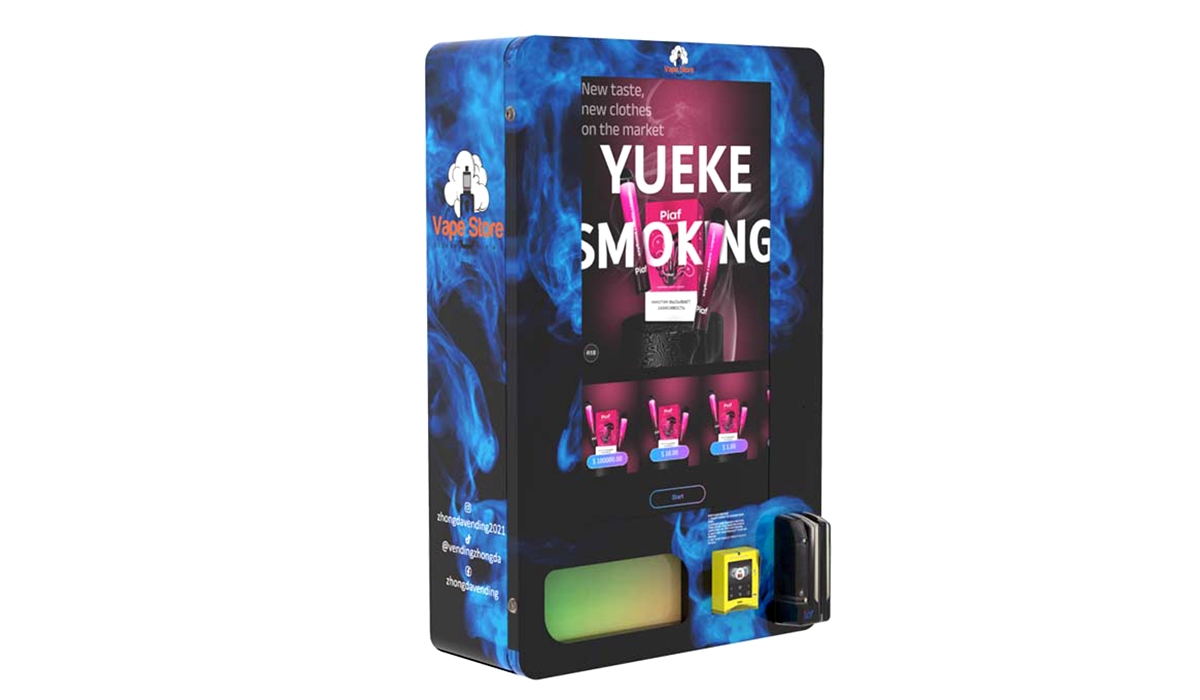
According to IBISWorld, the vending machine industry in the United States generated approximately $7.5 billion in revenue in 2023, with an average profit margin of 6.5 percent. That number surprises most beginners, who assume margins are much higher. The reality is that product costs, commissions, and machine maintenance eat into profits faster than most people expect.
A study by the National Automatic Merchandising Association (NAMA) found that the average vending machine in the US generates about $75 per week in sales. That is roughly $3,900 per year. After product costs, commissions, and maintenance, the net profit per machine is often between $1,000 and $1,500 per year. That is not a fortune, but with multiple machines on a route, the numbers add up.
In Europe, the market is slightly different. According to the European Vending & Coffee Service Association (EVA), the average vending machine in Western Europe generates about €4,500 per year in revenue, with higher margins on hot drinks. Coffee machines in particular have strong margins because the cost of ingredients is low relative to the selling price.
FAQ About Vending Machine Contracts and Operations
Are vending machines profitable?
Yes, but the profit margin is thinner than most people think. A well-run machine with good placement and low commission can net $100 to $200 per month after all costs. The real profit comes from scaling to multiple machines on a route.
How much does a vending machine cost?
A new machine from a reputable supplier like Zhongda Smart costs between $3,500 and $8,000. Used machines range from $1,000 to $3,000 but often require repairs. Payment systems and telemetry add $200 to $500.
How long does it take to break even?
Most operators see a payback period of 12 to 18 months for a new machine in a decent location. High-traffic locations can pay back in 9 months. Slow locations can take over two years.
Should a beginner buy or lease a machine?
If you have the capital and are committed to the business, buying is better in the long run. Leasing is useful for testing a location without a large upfront investment, but you will have lower profit margins.
Where should I place a vending machine?
Look for locations with at least 100 people passing by daily and with some dwell time. Offices, hospitals, schools, and manufacturing plants are consistently good. Gyms and laundromats can work but often have lower sales volume.
What permits do I need?
Requirements vary by city and country. In the US, you typically need a business license and a sales tax permit. In Europe, you may need a health inspection if you sell food. Check with your local chamber of commerce or trade association.
How do I choose a vending machine supplier?
Look for suppliers with local parts distribution, good warranty terms, and compatibility with major payment systems. I recommend visiting a showroom or ordering a sample machine before committing to a large order.
What happens if the machine breaks?
Most common issues can be fixed with basic tools and a service manual. For refrigeration or electrical problems, you will need a licensed technician. Budget about $300 per machine per year for repairs and maintenance.
How can I reduce restocking and maintenance costs?
Use telemetry to track inventory and sales remotely. This reduces unnecessary trips and helps you stock only what sells. Also, choose machines with reliable components to minimize breakdowns.
Final Thoughts from a Decade in the Business
Getting a vending machine contract is not difficult if you approach it professionally. The hard part is keeping the machine profitable month after month. That requires good equipment, smart product selection, and a willingness to move machines that underperform. I have moved machines from bad locations to good ones and seen revenue triple. I have also pulled machines entirely when the numbers did not work.
If you are just starting, focus on one or two machines and learn the operational rhythm before scaling. Track every cost, from product spoilage to card reader fees. And never sign a contract without reading every line. The vending machine business is not a passive income scheme. It is a real business that rewards attention to detail and honest relationships with location owners.
This article was updated in February 2025. Market conditions, equipment costs, and regulations change over time. Always verify current data with local authorities and industry associations before making investment decisions.