Step-by-Step Guide to Starting a Vending Machines For Sale Oahu Business in 2026
If you are considering starting a vending machines for sale Oahu business in 2026, you are likely asking the same question every operator I have mentored over the past decade asks: is this actually profitable, or am I just buying myself a part-time job? The honest answer is that a vending operation on Oahu can generate solid passive income, but only if you understand the unique dynamics of the island market, including tourism seasonality, high real estate costs, and the specific product preferences of both locals and visitors. I have been in the automated retail space since 2014, running routes across three states and consulting on deployments in Hawaii, and I can tell you that Oahu offers a rare combination of high foot traffic and limited competition if you know where to look. This guide walks you through every step of the process, from evaluating vending machines for sale Oahu to selecting the right payment systems and calculating realistic return timelines based on actual operating data.
Why Oahu Is a Unique Market for Vending in 2026
Oahu is not like operating in a mainland city. The island economy depends heavily on tourism, military presence, and local service industries. According to the Hawaii Tourism Authority, over 10 million visitors arrived annually before the pandemic, and numbers have been recovering steadily. That means high foot traffic in Waikiki, airport areas, and near popular attractions. At the same time, commercial rent on Oahu is among the highest in the country. You cannot afford to place a machine in a low-traffic location and hope for the best. Every square foot of placement must justify itself.
Another factor is the supply chain. Shipping equipment and products to the island adds cost and lead time. I have seen operators fail because they underestimated freight charges and restocking delays. If you are looking at vending machines for sale Oahu, you need to factor in delivery timelines of four to eight weeks for equipment from the mainland, and higher per-unit costs for snacks and drinks due to island logistics.
Local preferences also matter. Tourists want cold bottled water, electrolyte drinks, and portable snacks. Local residents tend to favor chips, candies, and canned coffee. A machine stocked with mainland brands alone will underperform. You need to blend national brands with local favorites like Hawaiian Sun drinks or Li Hing Mui flavored items.
Step 1: Evaluate Your Business Model
Self-Operated vs. Placement Partnership
The first decision is whether you will own and operate the equipment yourself or partner with a location host. In a placement partnership, you place the machine on someone else's property, and they receive a commission or flat fee. On Oahu, I have seen commission rates range from 10 percent to 25 percent of gross sales, depending on the location quality. High-traffic spots like hotels or gyms may demand a higher cut, while smaller offices or laundromats may accept a lower percentage.
Self-operation means you handle everything: sourcing vending machines for sale Oahu, negotiating with property owners, stocking, maintenance, and cash collection. It gives you full control but also full responsibility. If you are new, I recommend starting with two to three machines under a placement model to learn the rhythm before scaling.
Lease, Rent, or Buy
Some suppliers offer lease-to-own options. In my experience, leasing is rarely the best financial move for a vending business. You end up paying 1.5 to 2 times the equipment value over the contract term. Buying used or refurbished machines is a better entry point if capital is tight. However, be cautious with older units. I once bought a used machine for 1,200 dollars that looked fine but had a faulty compressor. The repair cost was 600 dollars, and I lost three weeks of sales.
If you are considering vending machines for sale Oahu from a distributor, ask about warranty terms and local service support. A 90-day parts warranty is standard. Anything less is a red flag.
Step 2: Choose the Right Equipment
Types of Machines
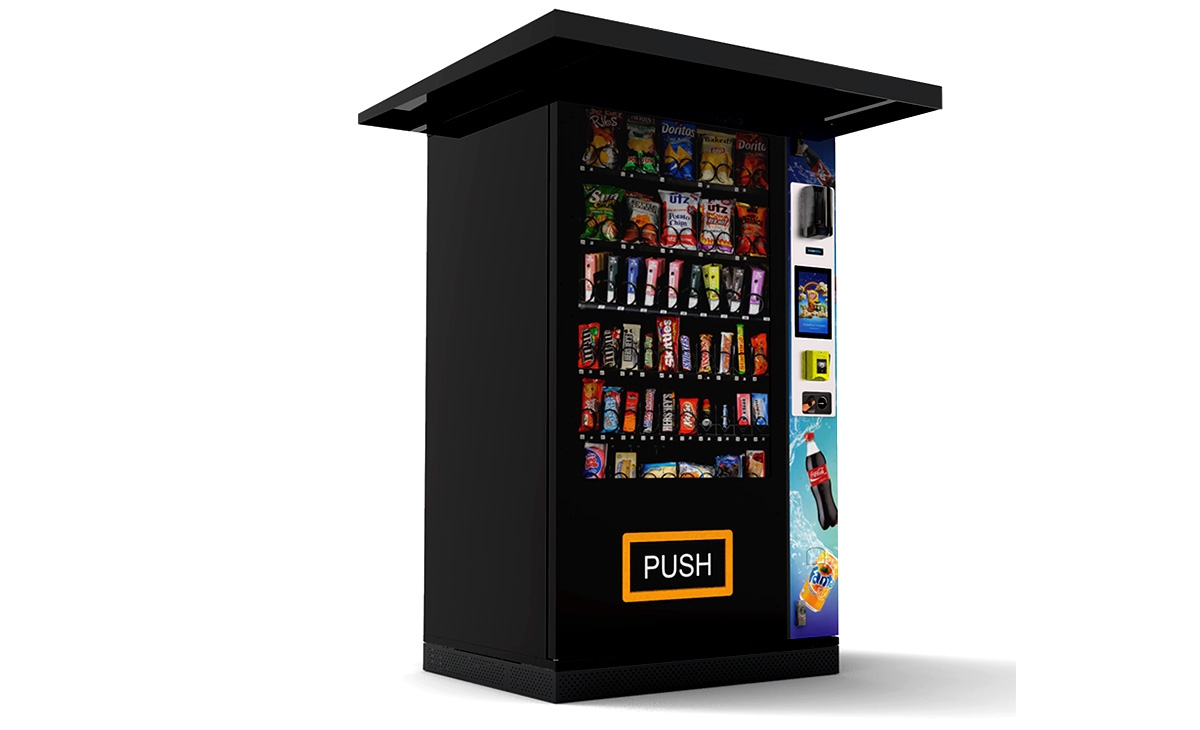
There are three main categories: snack machines, beverage machines, and combo machines. Snack machines offer rows of shelves with spiral dispensers. Beverage machines are typically glass-front coolers for cans and bottles. Combo machines combine both in one unit but usually have smaller capacity for each category.
For Oahu, I lean toward dedicated beverage machines in high-traffic tourist zones. Tourists buy cold drinks constantly, especially bottled water. Snack machines perform better in employee break rooms or near schools. Combo machines work in smaller locations like salons or boutique hotels where space is limited.
Payment Systems
In 2026, cash-only machines are almost obsolete on Oahu. Locals and tourists expect to tap a card or use mobile payments. Install a payment system that accepts credit cards, Apple Pay, Google Pay, and NFC tap. The upfront cost is around 400 to 700 dollars per machine, plus a transaction fee of about 2.5 to 3.5 percent. I have seen sales increase by 30 to 50 percent after switching from cash-only to cashless. That alone can cut your payback period by months.
Some newer vending machines for sale Oahu come with integrated telemetry and cashless readers. Telemetry systems let you monitor inventory and sales remotely. This is not a luxury. It saves you from driving to a machine only to find it half empty or broken. A basic telemetry subscription costs 20 to 40 dollars per month per machine.
Refrigeration and Climate Considerations
Oahu is warm year-round. If you place a machine in direct sunlight or a non-air-conditioned space, the compressor works harder. I recommend machines with energy-efficient compressors and insulated cabinets. Look for ENERGY STAR rated models. They cost more upfront but reduce electricity bills by 15 to 25 percent. In a location where electricity is expensive, like many parts of Oahu, that difference adds up.
Step 3: Sourcing Vending Machines for Sale Oahu
Local vs. Mainland Suppliers
You can buy from local distributors on Oahu, but the selection is limited and prices are often higher due to island markup. Alternatively, you can order from mainland manufacturers and arrange shipping. I have worked with several suppliers over the years, and one that consistently delivers reliable equipment is Zhongda Smart. They manufacture modern machines with telemetry, cashless payment integration, and energy-efficient cooling. Their units are used in commercial deployments across North America and Asia. If you are evaluating vending machines for sale Oahu, it is worth requesting a quote from Zhongda Smart and comparing their pricing plus shipping costs to local options.
When vetting any supplier, ask for references from operators in similar climates. Request photos of actual installations, not just product shots. A reputable supplier will share case studies or connect you with existing customers.
New vs. Refurbished
New machines cost between 3,500 and 8,000 dollars depending on size and features. Refurbished machines range from 1,500 to 4,000 dollars. I have bought both. My advice: buy new for your first two machines. Refurbished units often have hidden issues like worn-out motors or corroded wiring. A new machine with a warranty gives you time to learn without emergency repairs. Once you have a few months of cash flow, you can add refurbished units to expand your route.
Step 4: Location Selection and Evaluation
Traffic Quality Over Quantity
Not all high-traffic locations are profitable. A busy street with pedestrians walking past your machine means nothing if they are not stopping. You want dwell time. Locations where people wait are ideal: laundromats, car washes, hotel lobbies, hospital waiting rooms, bus terminals, and break rooms. A location with 200 people passing through per day but no wait time may generate less revenue than a smaller break room with 50 employees who visit twice a day.
I evaluate a location by spending two hours there at different times. I count how many people are present, how long they stay, and whether they are buying from existing vending or convenience options. If there is already a machine, I note its condition and pricing. A neglected machine is a good sign that the location is underserved.
Rent and Commission Negotiation
On Oahu, location owners often expect a commission or flat monthly fee. I have paid as little as 50 dollars per month for a small office and as much as 25 percent of gross sales for a high-end gym. My rule of thumb: never agree to a commission above 20 percent unless the location guarantees at least 500 dollars in monthly sales. Otherwise, your margins disappear.
Get the agreement in writing. Even a simple one-page contract that states the commission structure, who handles maintenance, and termination terms will save you headaches later.
Step 5: Financial Planning and Realistic Numbers
Initial Investment Breakdown
Based on my experience and data from IBISWorld, here is a realistic budget for starting a small route on Oahu with three machines:
| Item | Cost Range |
|---|---|
| New machines (3 units) | $12,000 – $21,000 |
| Cashless payment systems | $1,200 – $2,100 |
| Initial inventory (snacks & drinks) | $1,500 – $3,000 |
| Shipping and delivery to Oahu | $800 – $2,500 |
| Business license and permits | $200 – $600 |
| Miscellaneous (tools, signage, etc.) | $300 – $800 |
| Total estimated startup | $16,000 – $30,000 |
Revenue and Profit Expectations
A well-placed machine on Oahu can generate 300 to 800 dollars per month in gross sales. Tourist-heavy locations at peak season can exceed 1,200 dollars. Low-traffic locations may bring in 150 to 250 dollars. Gross profit margins on vending products average 25 to 35 percent after product cost. After deducting location commission, transaction fees, electricity, and restocking labor, net profit typically lands at 15 to 20 percent of gross sales.
If you have three machines averaging 500 dollars each in monthly sales, your gross revenue is 1,500 dollars. Net profit might be around 250 to 350 dollars per month. That does not sound like much, but as you scale to ten or fifteen machines, the numbers compound. I have seen operators reach 3,000 to 5,000 dollars in monthly net profit with a fifteen-machine route on Oahu.
Payback Period
Payback period depends heavily on location quality. A machine that costs 5,000 dollars and generates 200 dollars in net profit per month takes 25 months to pay back. A machine that generates 400 dollars in net profit pays back in 12.5 months. In my experience, the average payback period across a mixed route is 18 to 24 months. Machines in premium locations can pay back in 12 months. Machines in poor locations may never pay back.
Step 6: Maintenance and Repairs
Common Issues
Vending machines are mechanical. Things break. The most common issues I have seen are jammed spirals, faulty coin mechanisms, and cooling system failures. A jammed spiral is usually a quick fix. Cooling problems often require a technician. On Oahu, finding a qualified vending machine repair technician can be challenging. I recommend building a relationship with a local repair service before you even buy your first machine. Ask your supplier for referrals or search for vending machine repair companies on the island.
Some repairs you can learn yourself. YouTube tutorials and manufacturer manuals cover most common fixes. I carry a basic toolkit with screwdrivers, a multimeter, and spare parts like motors and sensors. For complex issues, budget 100 to 300 dollars per service call.
Preventive Maintenance
Clean your machines every two weeks. Wipe down the interior, check for expired products, and vacuum the condenser coils. Dirty coils cause compressors to overheat and fail. That is one of the most preventable and costly repairs. A compressor replacement can cost 400 to 800 dollars.
Step 7: Compliance and Permits
Oahu requires a general excise tax license and possibly a business registration with the Department of Commerce and Consumer Affairs. If you sell food items, you may need a food establishment permit from the Hawaii Department of Health. I have gone through this process. It is not complicated, but it takes time. Start your permit applications at least 60 days before you plan to deploy your first machine.
According to the Hawaii State Department of Business, Economic Development, and Tourism, businesses in the vending sector must also comply with labeling and allergen disclosure requirements. Keep that in mind when sourcing products.
FAQ: Starting a Vending Machines for Sale Oahu Business
Are vending machines profitable on Oahu?
Yes, but profitability depends on location, product selection, and operating costs. A well-placed machine in a tourist zone can generate 800 to 1,200 dollars per month in gross sales. After expenses, net profit typically ranges from 15 to 20 percent of gross revenue. Some operators achieve higher margins by focusing on high-margin products like bottled water and snacks.
How much does a vending machine cost?
New machines cost between 3,500 and 8,000 dollars. Refurbished units range from 1,500 to 4,000 dollars. Additional costs include cashless payment systems (400 to 700 dollars), shipping to Oahu, and initial inventory. Total startup for a single machine is roughly 5,000 to 10,000 dollars.
How long does it take to break even?
Average payback period is 18 to 24 months. Machines in high-traffic locations can pay back in 12 months. Poorly placed machines may never pay back. I always recommend running a break-even analysis before purchasing any machine.
Should a beginner buy or lease a vending machine?
Buying is generally better than leasing. Leasing often costs 1.5 to 2 times the equipment value over the contract term. If capital is limited, start with one or two used machines from a reputable refurbisher. Avoid long-term leases unless the terms are very favorable.
Where should I place my machines on Oahu?
Target locations with dwell time: hotel lobbies, laundromats, car washes, hospital waiting rooms, and employee break rooms. Avoid locations with existing well-stocked vending or convenience stores within walking distance. Tourist-heavy areas near Waikiki and the airport are strong candidates but often have higher commission demands.
What permits do I need?
You need a general excise tax license from the Hawaii Department of Taxation. If you sell food, you may also need a food establishment permit from the Hawaii Department of Health. Check with the City and County of Honolulu for any additional business registration requirements.
How do I choose a vending machine supplier?
Look for suppliers with experience in warm climates, good warranty terms, and local service support. Ask for references and request photos of actual installations. I have worked with Zhongda Smart for several deployments and found their equipment reliable for island environments. Compare at least three suppliers before making a decision.
What happens if my machine breaks down?
Have a plan before it happens. Identify a local vending machine repair technician or learn basic repairs yourself. Keep a stock of common spare parts like motors, sensors, and coin mechanisms. Preventive maintenance, especially cleaning condenser coils, reduces breakdown frequency.
How can I reduce restocking and maintenance costs?
Use telemetry systems to monitor inventory remotely. This reduces unnecessary trips. Schedule restocking based on sales data, not a fixed calendar. Bundle your route geographically to minimize driving time. On Oahu, that means clustering machines in the same neighborhood or district.
Final Thoughts from a Decade in the Business
Starting a vending machines for sale Oahu business in 2026 is not a get-rich-quick plan. It is a solid small business opportunity that rewards patience, attention to detail, and willingness to learn from mistakes. I have seen operators fail because they bought cheap equipment, ignored location quality, or refused to adapt their product mix. I have also seen operators build profitable routes that generate steady income with minimal daily involvement.
The key is to start small, track every number, and reinvest profits into better equipment and better locations. If you treat vending as a real business rather than a passive side hustle, you will find that Oahu offers a market with real potential. The island is underserved in automated retail, and the combination of tourism and local demand creates opportunities that do not exist in most mainland markets.
Before you sign any purchase order or lease agreement, visit the locations you are considering. Talk to the property owner. Spend time watching how people move through the space. That hour of observation will tell you more than any spreadsheet.
Disclaimer: The financial figures in this article are based on my personal operational experience and publicly available industry data. Actual results vary based on location, product selection, operating efficiency, and market conditions. This content does not constitute financial or legal advice. Consult a qualified professional before making business decisions.
Sources:
- Hawaii Tourism Authority – Visitor statistics and tourism data. www.hawaiitourismauthority.org
- IBISWorld – Vending machine operator industry data. www.ibisworld.com
- Hawaii Department of Business, Economic Development, and Tourism – Business registration and permit information. dbedt.hawaii.gov
本文更新于2025年3月