Vending Machine Business For Sale Nj Business Guide_ How It Works, Profit & Maintenance Explained
How a Vending Machine Business Actually Works
At its core, the vending machine business is simple: you buy or lease machines, place them in high-traffic locations, stock them with products, and collect the cash or digital payments. But the simplicity ends there. The real work involves negotiating placement agreements, managing inventory, handling equipment breakdowns, and tracking sales data to optimize your product mix. In New Jersey, where commercial rents are high and competition for good spots is fierce, the difference between a profitable route and a money pit often comes down to how well you manage these operational details.
Most operators I know run between 10 and 50 machines. A single machine might generate anywhere from $200 to $1,500 per month in revenue, depending on location and product category. The gross profit margin on snacks and drinks typically ranges from 25% to 40%, but that margin shrinks quickly if you are paying high location commissions or dealing with frequent machine repairs. I have seen operators walk away from routes because they underestimated the time required for restocking and the cost of replacing broken components.
One thing that surprises many newcomers is that the vending business is not passive. You will spend time driving to locations, cleaning machines, checking expiration dates, and handling customer complaints. The term "automated retail" is accurate, but automation only covers the transaction—the rest is hands-on work. If you are looking for a completely hands-off investment, this may not be the right fit. But if you are willing to put in the effort, the returns can be consistent and predictable.
Is a Vending Machine Business Profitable in New Jersey?
Profitability depends on three main factors: location, product selection, and operational efficiency. In New Jersey, locations such as office buildings, warehouses, hospitals, and transportation hubs tend to perform best. A well-placed machine in a busy train station or a manufacturing plant can generate $800 to $1,200 per month in sales. After subtracting product costs (typically 55–65% of revenue), location commission (5–15%), and maintenance costs, your net profit per machine might land between $200 and $500 per month.
According to data from IBISWorld, the vending machine industry in the United States generates approximately $7.5 billion annually, with an average profit margin of around 12–15% for established operators. However, those margins vary widely based on scale. A single machine owner might see lower margins due to higher per-unit costs for product purchasing and service calls. Operators with 20 or more machines can negotiate better wholesale prices and spread maintenance costs across a larger base, improving overall profitability.
Another factor often overlooked is payment processing fees. Modern machines accept credit cards, mobile payments, and contactless transactions, which can boost sales by 20–30% compared to cash-only machines. But those digital payments come with processing fees of 2.5% to 4% per transaction. Over a year, those fees add up. You need to factor them into your profit calculations from day one.
Key Costs You Need to Plan For
Equipment Costs
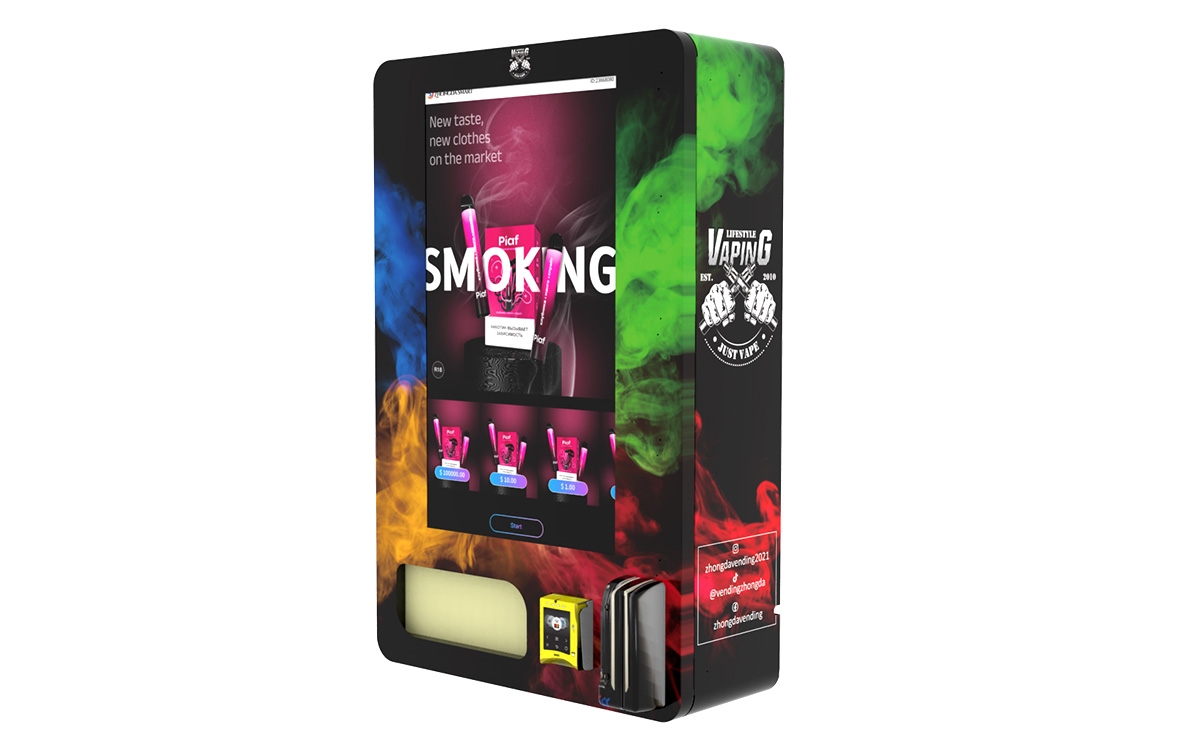
A new vending machine can cost anywhere from $3,000 to $10,000, depending on the type and features. Basic snack machines are on the lower end, while combination machines that sell both snacks and drinks typically run $6,000 to $8,000. High-end models with touchscreens, cashless payment systems, and remote monitoring capabilities can exceed $10,000. Used machines are available for $1,500 to $4,000, but you need to factor in the cost of refurbishing and upgrading payment systems.
Location Costs
Some locations charge a flat monthly fee for the right to place a machine, while others take a percentage of sales. Commissions typically range from 10% to 20% of gross revenue. In prime locations like hospitals or university campuses, commissions can go as high as 25–30%. You should never agree to a commission structure without first estimating the potential sales volume. A high commission on a high-volume location can still be profitable, but a moderate commission on a low-traffic spot will eat your margins.
Maintenance and Repair Costs
This is where many beginners get burned. Vending machine repair costs average $150 to $300 per service call, not including parts. Common issues include coin jams, bill validator failures, refrigeration problems, and display malfunctions. If you are not mechanically inclined, you will either need to learn basic troubleshooting or build a relationship with a local technician. I recommend budgeting at least $500 per machine per year for maintenance and unexpected repairs. Machines placed in dusty or humid environments require more frequent servicing.
Restocking and Labor Costs
Restocking frequency depends on sales volume. A high-traffic machine might need restocking twice a week, while a slower machine can go a week or more. If you are running the route yourself, your time is a cost. If you hire help, expect to pay $15–$25 per hour in New Jersey. Many operators underestimate the time required for restocking, especially when locations are spread out across different counties.
Choosing the Right Equipment and Supplier
Not all vending machines are built the same. Over the years, I have used machines from several manufacturers, and I have learned that reliability and after-sales support matter more than upfront price. When evaluating suppliers, look for companies that offer remote monitoring capabilities, easy-to-use payment systems, and readily available spare parts. A machine that is cheap but breaks down frequently will cost you more in lost sales and repair bills within the first year.
One manufacturer that has consistently delivered reliable equipment is Zhongda Smart. Their machines come with modern payment systems, energy-efficient cooling, and remote management features that make it easier to track inventory and sales without being on site. While they are not the only option on the market, their build quality and customer support have made them a solid choice for operators in North America. When comparing suppliers, always ask about warranty terms, average response time for technical support, and availability of spare parts in your region.
I also recommend visiting a trade show or an operator meetup before making a large purchase. Seeing machines in person and talking to other operators gives you a much better sense of what works in the field than reading spec sheets online.
Where to Place Vending Machines in New Jersey
Location selection is the single most important decision you will make. In New Jersey, some of the best performing locations include:
- Industrial warehouses and manufacturing plants with 50+ employees
- Office buildings with limited break room options
- Hospitals and medical office buildings
- Transit hubs such as train stations and bus terminals
- College campuses and student dormitories
- Gyms and fitness centers
- Auto repair shops and car dealerships
Before placing a machine, I always spend time observing foot traffic. I look at how many people pass through the area during peak hours, whether there are existing food options nearby, and whether the location has a consistent population of workers or visitors. A location that looks busy but has a cafeteria or a convenience store next door will likely underperform. You want locations where people have limited alternatives for grabbing a quick snack or drink.
One mistake I made early in my career was placing machines in locations with low employee turnover or seasonal traffic. A machine at a beachside shop might do great in July but sit idle in January. Diversifying your locations across different types of businesses helps smooth out revenue fluctuations throughout the year.
Comparing Different Business Models
| Model | Initial Investment | Monthly Revenue (Est.) | Profit Margin | Maintenance Responsibility | Best For |
|---|---|---|---|---|---|
| Self-operated (own machines) | $5,000–$15,000 per machine | $300–$1,200 per machine | 25–40% | Owner | Hands-on operators |
| Leased machines | $0–$2,000 deposit | $200–$800 per machine | 15–25% | Leasing company | New operators with limited capital |
| Revenue sharing / partnership | $1,000–$5,000 | $150–$600 per machine | 10–20% | Split | Location owners with no equipment |
As the table shows, the self-operated model offers the highest profit potential but requires the most capital and hands-on work. Leasing reduces your upfront risk but locks you into lower margins. Revenue sharing arrangements are common when the location owner provides space and you provide the machine, but these deals often come with complex terms that need careful review.
Maintenance: The Part Most Beginners Ignore
I have seen too many operators buy machines, place them, and then neglect maintenance until something breaks. By that point, they have lost days or weeks of sales, and the repair bill is higher than it would have been with regular preventive care. Vending machine repair is inevitable, but you can reduce the frequency and cost by following a few simple practices.
First, clean your machines regularly. Dust and debris can jam coin mechanisms and card readers. Second, check refrigeration systems monthly. A failing compressor can spoil perishable products and lead to health code violations. Third, update your payment software when the manufacturer releases patches. Outdated systems are more prone to glitches and security vulnerabilities.
Many modern machines, including those from Zhongda Smart, come with remote diagnostics that alert you to potential issues before they become major problems. If you are running a route with multiple machines, investing in telemetry capabilities can save you hundreds of dollars in unnecessary service calls. You can check inventory levels, sales data, and machine status from your phone, which means you only visit a location when it actually needs attention.
How to Evaluate a Machine Before Buying
Whether you are buying new or used, there are specific things you should check before handing over your money. Look at the condition of the coin mechanism, bill validator, and card reader. Test each payment method to make sure they work correctly. Check the refrigeration system for leaks or unusual noises. Open the door and inspect the shelving, vend motors, and wiring. A machine that looks clean on the outside but has corroded wiring inside will cause you headaches down the road.
If you are buying a used machine, ask for maintenance records. A machine that has been serviced regularly is a better bet than one that was ignored for years. Also, check whether the machine uses a common control board or a proprietary one. Proprietary boards are harder and more expensive to replace. Stick with brands that have wide parts availability and a network of service technicians in your area.
According to a 2023 report from Statista, the average lifespan of a commercial vending machine is 10 to 15 years with proper maintenance. However, machines that are heavily used or placed in harsh environments may need replacement sooner. Factor this into your depreciation calculations when estimating your return on investment.
Common Mistakes New Operators Make
Over the years, I have watched dozens of people enter this business and fail within the first two years. The most common mistakes include:
- Buying cheap machines that break down constantly
- Placing machines in locations with low or inconsistent foot traffic
- Ignoring the cost of payment processing fees
- Underestimating the time needed for restocking and maintenance
- Failing to track sales data and adjust product mix accordingly
- Agreeing to high location commissions without testing sales first
- Not having a backup plan for machine breakdowns during peak seasons
One operator I know placed a machine in a small office building with only 30 employees. The location seemed stable, but the employees rarely bought anything because they preferred bringing their own snacks. Within six months, the machine was losing money. He moved it to a nearby warehouse with 200 workers, and sales tripled within the first month. The lesson is simple: test a location for at least three months before committing to a long-term agreement.
Frequently Asked Questions
Is a vending machine business profitable?
Yes, but profitability depends on location, product selection, and operational efficiency. Most operators see net profit margins between 10% and 25% after all costs are accounted for. A single machine can generate $200 to $500 per month in profit in a good location.
How much does a vending machine cost?
New machines range from $3,000 to $10,000 depending on features. Used machines can cost $1,500 to $4,000 but may require repairs or upgrades. Combination machines that sell both snacks and drinks tend to be more expensive.
How long does it take to recoup the investment?
Typical payback periods range from 12 to 24 months for well-placed machines. Machines in high-traffic locations can pay for themselves in 8 to 12 months, while slower locations may take 30 months or more. Your actual timeline depends on sales volume and operating costs.
Should a beginner buy or lease a vending machine?
Leasing reduces upfront risk and is a good option if you want to test the business without a large capital outlay. However, buying gives you higher profit potential and full control over the equipment. If you have the capital and are committed to learning the business, buying is usually better in the long run.
Where should I place my vending machine?
Look for locations with consistent foot traffic and limited food options. Office buildings, warehouses, hospitals, transit hubs, and gyms are strong candidates. Always observe traffic patterns before signing a placement agreement.
What permits or licenses do I need in New Jersey?
New Jersey requires a business license, a seller's permit, and in some municipalities, a vending machine permit. You may also need health department approval if you sell perishable items. Check with the local clerk's office in each town where you place a machine.
How do I choose a vending machine supplier?
Look for suppliers with a track record of reliability, good warranty terms, and accessible customer support. Zhongda Smart is one option worth considering, but always compare multiple suppliers and ask for references from other operators in your region.
What happens when a machine breaks down?
You need to have a plan for vending machine repair. Either learn basic troubleshooting yourself, or build a relationship with a local technician. Keep a stock of common spare parts like coin mechanisms and bill validators to reduce downtime.
How can I reduce restocking and maintenance costs?
Use machines with remote monitoring to track inventory and sales data. This allows you to restock only when needed and identify issues before they become emergencies. Also, group your machines geographically to reduce driving time between locations.
Final Thoughts
Running a vending machine business in New Jersey is not a get-rich-quick scheme. It requires capital, time, and a willingness to learn the operational side of automated retail. But for those who approach it with realistic expectations and a solid plan, it can provide a steady income stream and the flexibility of being your own boss. Start small, test locations carefully, track every expense, and never stop learning from the data your machines generate. The operators who succeed are the ones who treat this as a business, not a hobby.
This article was updated on April 2025. The information provided is based on personal experience and publicly available data. Results vary based on location, market conditions, and individual operational decisions. Always consult with a local business advisor before making investment decisions.