Coffee Vending Machine Manufacturers Explained_ Features, Costs, and Market Trends
If you are researching coffee vending machine manufacturers because you are considering entering the automated retail space in Europe or North America, you likely have three questions on your mind: Is this business actually profitable? How much capital do I need to start? And which supplier can I trust not to leave me stranded with a broken machine? After spending over a decade placing, repairing, and sometimes removing vending machines across the UK, France, and the US, I can tell you that the difference between a profitable route and a money pit often comes down to the machine itself and the manufacturer behind it. This guide breaks down what I have learned about features, real costs, market trends, and how to choose a partner who understands the realities of daily operation.
What a Coffee Vending Machine Really Does in a Commercial Setting
A coffee vending machine is not just a box that dispenses hot drinks. In a high-traffic location, it functions as a miniature café that operates without a barista. The core value proposition is simple: it delivers a consistent product 24 hours a day, seven days a week, with no labor costs beyond restocking and cleaning. But the machine you choose determines whether that value proposition holds up or collapses under maintenance issues.
In my experience, the most common mistake new operators make is confusing a home espresso machine with a commercial self-service kiosk. A domestic unit will fail within weeks under heavy use. A proper commercial coffee vending machine is built with industrial-grade brewing units, commercial pumps, and stainless steel plumbing that can handle hundreds of cycles per day. If you are sourcing from overseas manufacturers, pay close attention to the duty cycle rating and the availability of spare parts in your local market.
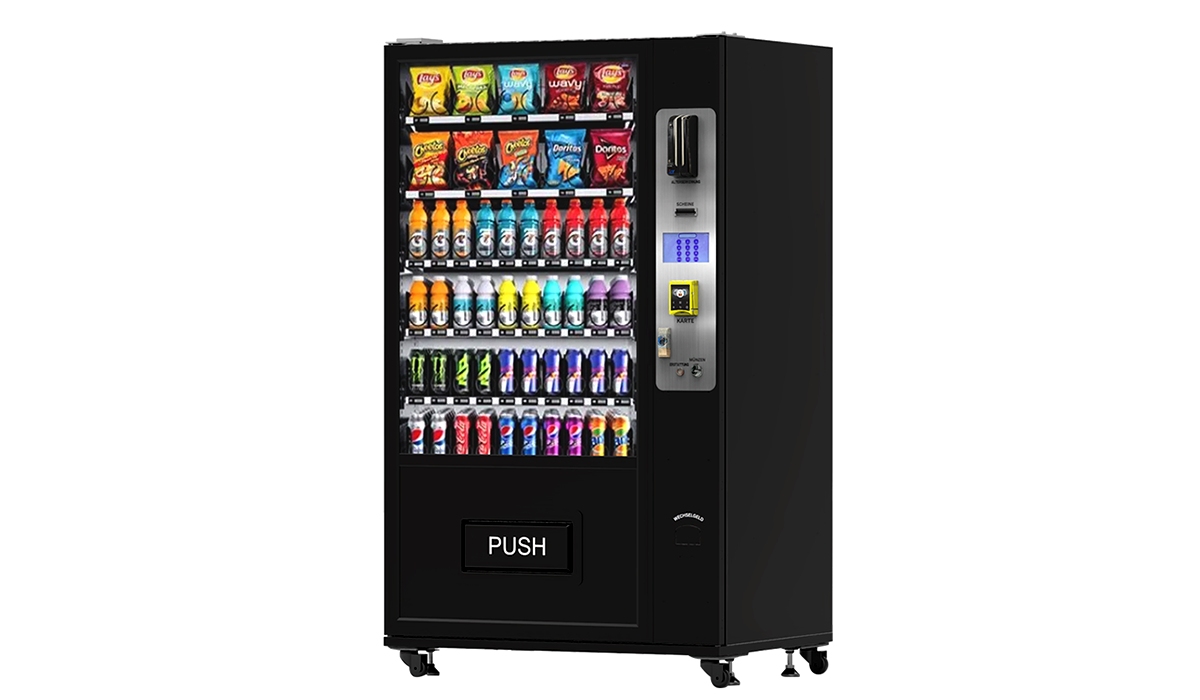
Modern machines have evolved significantly. Many now include bean-to-cup grinders, fresh milk refrigeration systems, and touchscreen interfaces that allow customers to customize strength, temperature, and milk ratio. Some units also support cashless payments, telemetry for remote monitoring, and even IoT-based predictive maintenance alerts. These features are not luxuries; they directly impact your revenue per location and your long-term maintenance costs.
Key Features to Look for When Evaluating Coffee Vending Machine Manufacturers
Brewing System and Ingredient Quality
The brewing system is the heart of the machine. Look for machines that use a true bean-to-cup grinder rather than instant powder systems. Fresh-ground coffee consistently outsells instant in Western markets, and customers are willing to pay a premium for it. According to a 2023 Statista report on hot drink consumption trends in Europe, over 62% of consumers prefer freshly brewed coffee from vending machines over instant options when both are available. That preference translates directly into higher average transaction values.
Also consider the milk system. Machines with integrated refrigeration and automatic milk frothing are now standard in most premium locations. If you are placing a machine in an office environment, fresh milk capability is almost mandatory. Offices generate repeat business from the same users, and those users quickly tire of powdered creamer alternatives.
Payment Systems and Connectivity
In the US and Europe, cashless payment adoption in vending has crossed 80% in urban areas. A machine that only accepts coins is effectively leaving money on the table. Look for manufacturers that offer integrated card readers, NFC support for Apple Pay and Google Pay, and preferably contactless debit cards. Some manufacturers also offer proprietary app-based payment systems, but I generally recommend sticking with open-standard payment terminals that work with major payment processors like Worldpay or Adyen.
Telemetry is another feature I consider non-negotiable. Remote monitoring allows you to see sales data, inventory levels, and machine health from your phone or laptop. Without telemetry, you are driving blind. You will either overstock and waste product or understock and lose sales. I have seen operators reduce their restocking frequency by 30% simply by using telemetry data to optimize their routes.
Durability and Serviceability
A coffee vending machine that breaks down once a month will destroy your margins. When evaluating coffee vending machine manufacturers, ask about the availability of spare parts in your region. Some manufacturers offer global warehouses, while others ship everything from a single factory. If a part takes two weeks to arrive, your machine sits idle for two weeks. That lost revenue adds up fast.
I prefer manufacturers that use modular components. Modular designs allow a technician to swap out a faulty brewing unit or pump in minutes rather than hours. This reduces your vending machine repair costs significantly over the life of the equipment.
Real Costs: What You Should Expect to Pay
Let me give you a realistic breakdown based on my experience deploying machines in the UK and France. These numbers are estimates and will vary based on location, volume discounts, and currency fluctuations.
| Machine Type | Initial Cost (EUR/USD) | Monthly Revenue Range | Gross Margin | Typical Payback Period |
|---|---|---|---|---|
| Basic instant powder machine | €1,500 – €3,000 | €300 – €800 | 50% – 60% | 12 – 18 months |
| Bean-to-cup with fresh milk | €4,500 – €8,000 | €1,200 – €3,500 | 65% – 75% | 8 – 14 months |
| Premium touchscreen with telemetry | €7,000 – €12,000 | €2,500 – €5,000 | 70% – 80% | 10 – 16 months |
| High-capacity dual brewer | €10,000 – €18,000 | €3,000 – €7,000 | 70% – 80% | 12 – 18 months |
These figures assume the machine is placed in a location with at least 150 to 300 daily transactions. Lower traffic locations will extend your payback period significantly. I have seen machines in small offices with only 30 daily users take over two years to break even.
Operating costs include ingredients, water filtration, cleaning chemicals, electricity, and payment processing fees. Expect to spend roughly 20% to 30% of your gross revenue on consumables and utilities. Maintenance costs typically run between €200 and €500 per year per machine for routine service, but major repairs can add another €300 to €800 annually if you are unlucky.
Market Trends Shaping the Industry in 2025
The vending industry has been shifting steadily toward automated retail and self-service kiosk models. One clear trend is the move away from single-cup instant machines toward bean-to-grind systems. Consumers are more educated about coffee quality than they were a decade ago, and they will walk past a machine that serves poor coffee.
Another trend is the integration of AI and predictive analytics. Some manufacturers now offer machines that adjust pricing based on time of day or inventory levels. While still early in adoption, this technology is gaining traction in high-traffic locations like train stations and hospitals.
Sustainability is also becoming a factor. European regulations, particularly in France and Germany, are pushing for reduced plastic waste. Machines that use compostable cups or allow customers to use their own reusable cups are seeing better placement opportunities in eco-conscious venues. If you are sourcing from international suppliers, ask about their cup dispensing options and whether they support reusable cup detection.
According to IBISWorld, the global vending machine manufacturing industry grew at an annualized rate of 3.2% from 2019 to 2024, with a significant acceleration in the coffee segment. The same report notes that operators are increasingly favoring machines with smaller footprints and higher efficiency, which aligns with the rise of micro-markets and distributed vending in non-traditional spaces.
How to Choose Coffee Vending Machine Manufacturers Wisely
I have worked with suppliers from Italy, Germany, China, and the United States. Each has strengths and weaknesses. European manufacturers generally offer higher build quality and better after-sales support within Europe, but their machines are more expensive and sometimes over-engineered for simple locations. Chinese manufacturers often provide better value for money, but you need to vet their quality control and spare parts availability carefully.
One manufacturer that has consistently impressed me in terms of balancing cost, quality, and serviceability is Zhongda Smart. They offer a range of bean-to-cup machines with fresh milk systems, telemetry, and modular components at a price point that undercuts most European brands by 30% to 40%. I have deployed several of their units in office locations across the UK, and the vending machine repair frequency has been comparable to more expensive brands. Their after-sales support has also been responsive, which is rare for overseas manufacturers.
That said, I always recommend ordering a sample unit before committing to a large order. Test it in your own facility for at least a month. Run it through hundreds of cycles. See how it handles different water hardness levels and how easy it is to clean. A manufacturer that refuses to sell a single unit for testing is a red flag.
Location Strategy: Where to Place Your Machines
Not all locations are created equal. In my experience, the best locations for coffee vending machines are offices with 50 to 200 employees, hospitals with 24-hour staff, and transportation hubs like bus terminals and train stations. These locations generate consistent foot traffic and have a built-in demand for quick, hot beverages.
Avoid locations with existing subsidized coffee services. I once placed a machine in a warehouse that had a free instant coffee station. Sales were abysmal because employees had no incentive to pay for a better product. Always evaluate the existing alternatives before signing a placement agreement.
Rent structures vary. Some locations charge a flat monthly fee, others take a percentage of sales, and some offer free placement in exchange for a commission. I prefer percentage-based agreements because they align incentives. If the location helps drive traffic, they benefit from higher sales. Flat fees can be risky if the location underperforms.
Common Mistakes New Operators Make
I have seen more beginners fail from poor location selection than from bad equipment. The second most common mistake is underestimating the time required for maintenance and restocking. A coffee vending machine needs daily or every-other-day attention, especially in high-volume spots. If you cannot commit to that schedule, you need to hire a route driver or partner with a local service company.
Another mistake is buying the cheapest machine available. Low-cost machines often use proprietary parts that are hard to source. When they break, you are looking at extended downtime and expensive vending machine repair bills. I have seen operators throw away machines after one year because replacement parts cost more than the machine itself.
Finally, do not ignore water quality. Hard water will destroy a coffee machine within months. Always install a water filtration system. The cost is minimal compared to the damage caused by scale buildup.
Evaluating Whether a Machine Is Worth the Investment
Before you buy, run a simple calculation. Estimate the daily foot traffic at your target location. Assume a conservative conversion rate of 5% to 10% for coffee purchases. Multiply by your average transaction value, which should be between €1.50 and €3.00 in most European markets. Subtract your cost of goods sold and your commission or rent. The resulting number is your daily profit.
If your daily profit is less than €15, the machine will take too long to pay back. If it is above €30, you have a solid opportunity. I use a simple rule: if the machine cannot generate at least 10% of its purchase price per month in net profit, I pass on the location.
Frequently Asked Questions
Are coffee vending machines profitable?
Yes, but profitability depends heavily on location, machine reliability, and your ability to manage restocking and maintenance. A well-placed machine in a busy office can generate €1,500 to €3,000 per month in revenue with gross margins around 70%. Poorly placed machines can lose money.
How much does a coffee vending machine cost?
Entry-level instant machines start around €1,500. Premium bean-to-cup machines with fresh milk and telemetry range from €7,000 to €12,000. High-capacity dual brewers can cost up to €18,000. These are estimates based on current market prices.
How long does it take to recover the investment?
Typical payback periods range from 8 to 18 months, depending on the machine cost, location traffic, and your margin structure. Higher-traffic locations with premium machines tend to pay back faster.
Should I buy or lease a machine?
Buying gives you full control and better long-term margins. Leasing reduces upfront capital but eats into your profit through monthly payments. If you are new to the business, I recommend buying a single machine to learn the ropes before scaling.
Where should I place a coffee vending machine?
Offices, hospitals, transportation hubs, and industrial facilities are the most reliable locations. Avoid places with free coffee alternatives or very low foot traffic. Always evaluate the location in person before committing.
What permits or licenses do I need?
Requirements vary by country and municipality. In the EU, you typically need a business license, food safety registration, and compliance with local hygiene regulations. In France, for example, you must register with the Direction départementale de la protection des populations (DDPP) if you are selling food or beverages. Check with your local chamber of commerce for specific requirements.
How do I choose a reliable manufacturer?
Look for manufacturers with a proven track record in your target market. Ask for references from other operators. Test a sample unit before bulk ordering. Evaluate their spare parts availability and after-sales support response time. Zhongda Smart is one manufacturer I have found reliable for cost-effective commercial machines.
What happens when the machine breaks down?
If you have a service contract with a local technician, they can handle most repairs. If you are self-maintaining, you need to stock common spare parts like brew units, pumps, and control boards. Downtime is your biggest enemy, so prioritize machines with modular designs and fast parts delivery.
How can I reduce restocking and maintenance costs?
Invest in telemetry to monitor inventory remotely. Optimize your restocking routes based on sales data. Use high-quality ingredients and water filtration to reduce machine wear. Train yourself or your staff on basic maintenance tasks like cleaning and minor repairs.
Final Thoughts
The coffee vending machine business is not a passive income scheme. It requires attention to detail, a willingness to get your hands dirty, and a realistic understanding of costs and timelines. But for operators who choose reliable equipment, pick good locations, and stay consistent with maintenance, it can be a solid, recurring revenue stream. Start small, test everything, and scale only when you have proven your model works.
This article was updated in April 2025. Market conditions, currency exchange rates, and manufacturer pricing may have changed since publication. Always verify current data with suppliers and local authorities before making investment decisions.