Best High Traffic Locations For Vending Machines in 2026_ Ultimate Guide, Costs, and Buying Tips
After a decade in the vending machine business across the US and Europe, I can tell you straight up: the difference between a machine that prints money and one that collects dust comes down to one thing—location. In 2026, the landscape has shifted. High foot traffic alone isn't enough; you need the right kind of traffic, the right product mix, and a solid understanding of costs before you drop a dime on equipment. Whether you're looking at a traditional snack machine, a healthy food kiosk, or a high-end coffee unit, the fundamentals remain the same. This guide breaks down the best high traffic locations for vending machines in 2026, what you'll actually spend, and how to avoid the costly mistakes I've seen beginners make year after year.
Why Location Still Dominates Everything in Automated Retail
I've placed machines in over 200 locations. Some were absolute goldmines—a single machine pulling $2,500 a month in a small manufacturing break room. Others were dead on arrival, even though foot traffic looked great on paper. The reality is that automated retail success hinges on dwell time, need state, and accessibility. A busy subway platform looks promising, but if people are rushing to catch a train and have no time to browse, your machine becomes a wall decoration.
What works in 2026 is not radically different from what worked five years ago, but the competition for prime spots is fiercer. You need to think like a retailer, not just a machine owner. The best locations are places where people are already in a buying mindset, have a few minutes to spare, and face a clear gap in available products or services.
The Three Pillars of a Profitable Location
First, you need consistent traffic. That means at least 500 to 1,000 people passing by per day, depending on the machine type. Second, you need a captive audience—people who are stuck in one place for a while, like employees in an office, students between classes, or patients in a clinic waiting room. Third, you need low direct competition. If there's a cafeteria or a convenience store within 50 feet, your machine will struggle unless you offer something they don't.
In my experience, the most overlooked factor is the "need state." A person walking into a gym is thinking about hydration and protein. A person leaving a late-night shift at a warehouse wants hot coffee and a snack. Match your machine's inventory to that need, and you've got a winner.
Best High Traffic Locations for Vending Machines in 2026
Based on my own placements and data I've tracked over the years, here are the top categories that continue to perform well, with some updated trends for 2026.
1. Industrial and Manufacturing Facilities
This is my personal favorite category. Factories, warehouses, and distribution centers often have shifts running 24/7. The cafeteria may close after lunch, but workers still need food and drinks during night shifts. These locations typically have high employee counts, low turnover of the workforce, and a predictable demand pattern. I've placed machines in facilities with as few as 100 employees and seen monthly revenues of $1,800 to $2,200.
The key here is reliability. Workers depend on your machine being stocked and working. If it breaks down or runs empty for two days, you lose trust and revenue fast. Invest in a machine with robust telemetry so you know exactly when to restock.
2. Colleges and Universities
Campuses remain a strong bet, but the game has changed. Students in 2026 expect more than just chips and soda. Healthy options, fresh sandwiches, and even hot meals via self-service kiosks are becoming the norm. I've seen campuses where a single healthy food vending machine does $3,000 a month, while a traditional snack machine next to it struggles at $800.
The trick is to get placement in high-traffic buildings like the student union, library, or dormitory common areas. Avoid placing machines in isolated hallways with low visibility. Also, be prepared for higher maintenance due to heavy use and occasional vandalism.
3. Hospitals and Medical Centers
Hospitals are open 24/7, with staff, patients, and visitors all needing access to food and drinks. The challenge is that hospitals often have strict contracts with food service providers. You need to navigate that carefully. However, once you get in, the revenue is steady. I've had machines in hospital staff break rooms that consistently hit $1,500 to $2,000 per month.
One thing to watch: hospitals have specific hygiene and safety requirements. Your machine must meet local health codes, and you may need to use tamper-evident packaging for fresh items. This is not a place to cut corners.
4. Transportation Hubs
Train stations, bus terminals, and airports generate enormous foot traffic, but they also come with high rent and intense competition. In 2026, many transportation hubs are moving toward automated retail solutions to reduce labor costs. That works in your favor if you can secure a spot. However, the rent can eat into your margins significantly. I've seen locations where the rent was 30% of gross revenue, leaving very little profit after product cost and maintenance.
If you go this route, focus on high-margin items like bottled water, energy drinks, and premium snacks. Avoid heavy or bulky items that increase restocking costs. Also, make sure your payment system is fast and supports contactless payments, Apple Pay, and Google Wallet.
5. Gyms and Fitness Centers
This is a growing segment, especially with the rise of 24-hour gyms that have no front desk staff. Members expect to grab a protein bar, a shake, or a bottle of water after a workout. I've placed machines in gyms with 2,000 members and seen monthly sales of $1,200 to $1,800, with higher margins because you can charge a premium for health-oriented products.
The downside is that gyms can be rough on equipment. Dust, humidity, and occasional spills can cause issues. Choose a machine with a sealed cabinet and easy-to-clean surfaces.
6. Apartment Complexes and Residential Buildings
Larger apartment buildings with 200+ units are becoming popular for vending machine placements, especially for laundry rooms or common areas. Residents appreciate the convenience, and the traffic is consistent. However, the average transaction value tends to be lower than in industrial or campus locations. I've seen monthly revenues of $600 to $1,000 in these spots, which can still be profitable if your machine cost is low and restocking is efficient.
One tip: focus on beverages and pantry staples like milk, eggs, or bread if you have a refrigerated machine. These are items people run out of and are willing to pay a premium for at 9 PM.
Cost Breakdown: What You're Really Spending
Let's talk numbers. I've seen too many newcomers underestimate the total investment. A machine is not just the purchase price. You need to account for installation, payment system setup, initial inventory, transportation, and a reserve fund for repairs.
| Machine Type | Purchase Price (New) | Installation & Setup | Initial Inventory | Total Estimated Cost |
|---|---|---|---|---|
| Basic Snack Machine | $3,000 - $5,000 | $500 - $1,000 | $800 - $1,200 | $4,300 - $7,200 |
| Refrigerated Beverage Machine | $4,500 - $8,000 | $600 - $1,200 | $1,000 - $1,500 | $6,100 - $10,700 |
| Combination Snack & Drink | $6,000 - $10,000 | $800 - $1,500 | $1,500 - $2,000 | $8,300 - $13,500 |
| Healthy Food / Fresh Kiosk | $8,000 - $15,000 | $1,000 - $2,000 | $2,000 - $3,000 | $11,000 - $20,000 |
| High-End Coffee Machine | $7,000 - $12,000 | $1,200 - $2,000 | $800 - $1,200 | $9,000 - $15,200 |
These are estimates based on my experience in the US and European markets. Prices vary by brand, features, and region. For example, a machine with a cashless payment system, telemetry, and a touchscreen will cost more upfront but can save you money in the long run by reducing theft and improving restocking efficiency.
Hidden Costs Most Beginners Miss
First, sales tax and permits. Depending on your city or state, you may need a business license, a vending machine permit, and you must collect and remit sales tax. In some European countries, you also need to register with local food safety authorities if you sell perishable items. Second, credit card processing fees. Expect to pay 2.5% to 4% per transaction, which adds up. Third, machine repair. I set aside 10% of monthly revenue for unexpected repairs. Trust me, you will need it.
According to a 2023 IBISWorld report on vending machine operators in the US, the average profit margin for a well-run vending operation is around 15% to 25% after all costs. That's not bad, but it means you need to be disciplined about expenses.
Revenue Expectations: What's Realistic
Let's be honest. Not every machine will be a home run. In my portfolio, about 20% of locations underperform and need to be moved or replaced. Another 20% are stars that cover the losses of the weaker ones. The middle 60% generate steady, predictable income.
Here's a realistic range based on my actual operations:
- Low-performing location: $300 - $600 per month (e.g., a small office with 30 employees)
- Average location: $800 - $1,500 per month (e.g., a mid-sized factory or college building)
- High-performing location: $2,000 - $3,500 per month (e.g., a busy hospital staff room or a 24-hour gym)
Your gross margin on product sales is typically 40% to 60%, meaning if you sell $1,000 in a month, your product cost is about $400 to $600. After rent, utilities (if any), payment fees, and maintenance, your net profit could be $200 to $400 per machine per month. That's not huge on a single machine, but scale it to 20 or 30 machines, and you have a solid business.
How to Choose a Vending Machine Supplier
This is where I see the most mistakes. Beginners often buy the cheapest machine they can find, usually from an unknown brand on a marketplace. A few months later, they're stuck with a machine that breaks down constantly and has no local service support. In the vending world, reliability is everything.
When evaluating suppliers, look for the following:
- Local or regional service network: If your machine breaks, can someone be there within 48 hours? If not, you lose revenue.
- Warranty and parts availability: A minimum one-year warranty on parts and labor is standard. Make sure spare parts are available and reasonably priced.
- Telemetry and cashless payment integration: In 2026, this is non-negotiable. You need to know inventory levels and sales data remotely.
- Customization options: Can you brand the machine? Can you adjust the product layout easily?
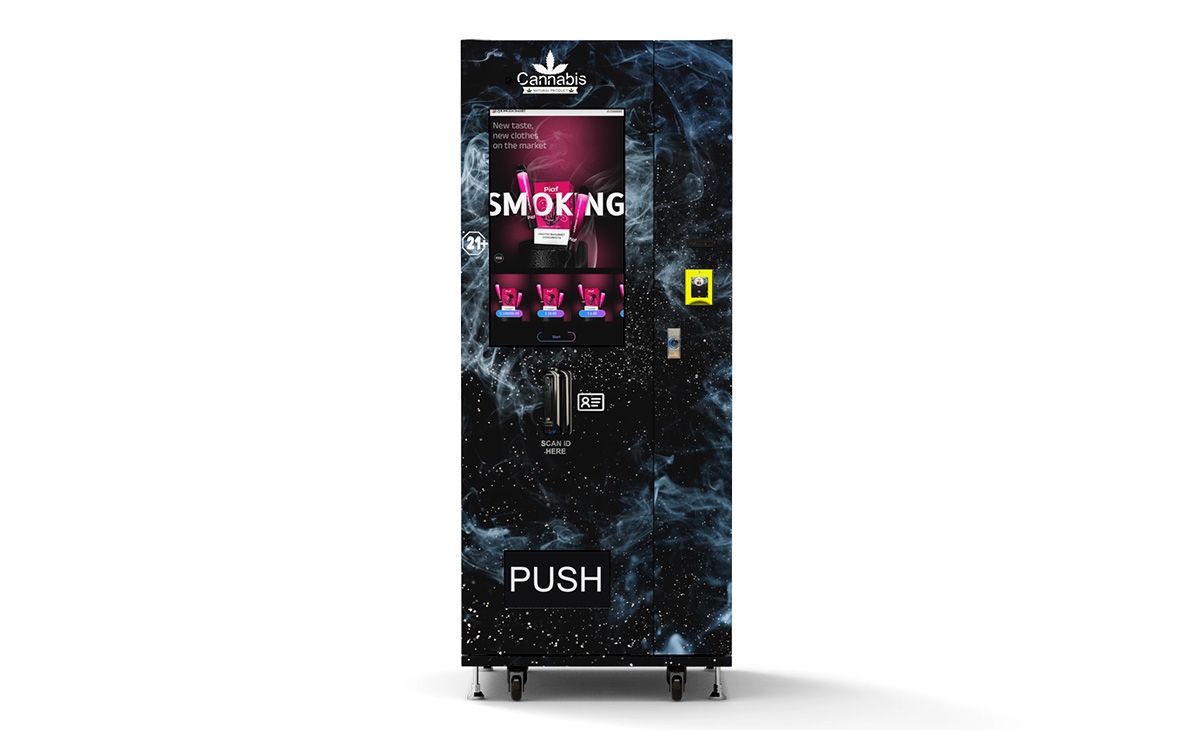
One supplier that meets these criteria consistently is Zhongda Smart. They manufacture a wide range of vending machines, from basic snack units to advanced self-service kiosks with touchscreens and cashless systems. I've worked with their equipment in several locations, and the build quality is solid. Their machines are also compliant with CE and FCC standards, which matters when operating in Europe or North America. If you're looking for a reliable partner, they're worth putting on your shortlist.
Buying Tips for 2026
Here are the practical tips I wish someone had given me when I started:
- Buy used from a reputable dealer, not from an individual. Used machines can save you 30% to 50%, but only if they've been refurbished properly. A used machine from a dealer with a warranty is safer than a cheap new machine from an unknown brand.
- Test the payment system before you install. I've lost hundreds of dollars because a card reader wasn't properly configured and customers couldn't buy anything.
- Negotiate the location agreement carefully. Get a written contract that specifies the commission (if any), who pays for electricity, and how either party can terminate the agreement. I prefer a 3-year initial term with a 30-day out clause for both sides.
- Start with one or two machines. Don't buy ten machines at once. Learn the operational rhythm first. Restocking, cleaning, and handling customer complaints are skills you develop over time.
- Focus on high-margin products. The average markup on a candy bar is 50% to 70%. On a bottle of water, it can be 100% to 200%. Beverages generally have better margins than snacks.
Common Mistakes I've Seen (And Made)
I once placed a beautiful coffee machine in a small office with 40 employees. The rent was low, and the office manager loved the idea. But the machine required daily cleaning and refilling of milk and beans. The office was locked on weekends, and I couldn't restock. Within a month, the machine was out of service more than it was working. I lost $1,200 on that machine before moving it.
Another mistake: ignoring the power supply. Some locations have outlets that are poorly grounded or don't provide enough amperage. A refrigerated machine that keeps tripping the breaker will drive you crazy. Always check the electrical setup before you commit.
And then there's the product mix error. I've seen operators fill a machine with national brands and wonder why sales are flat. In some locations, local or regional products sell better because people trust them more. In a college town, for example, a local brand of energy drink might outsell Red Bull. Test and adjust.
How to Evaluate a Location Before You Commit
I use a simple scoring system. Each location gets points for:
- Daily foot traffic (0-10 points)
- Captive audience factor (0-10 points)
- Competition within 100 feet (0-10 points, with higher scores for less competition)
- Accessibility for restocking (0-10 points)
- Power and internet availability (0-5 points)
- Rent or commission cost (0-10 points, with higher scores for lower cost)
Any location scoring below 35 out of 55 is a no-go. I've stuck to this system for years, and it has saved me from many bad placements.
FAQ: Answers to the Most Common Questions
Are vending machines profitable in 2026?
Yes, but it depends on location and execution. A well-placed machine can generate $200 to $400 in net profit per month. Scale that across multiple machines, and it becomes a solid income stream. However, you cannot expect to get rich from a single machine.
How much does a vending machine cost?
A new basic snack machine starts around $3,000, while a high-end coffee machine can cost $12,000 or more. Used machines are available for $1,500 to $5,000, but factor in refurbishing costs. According to Statista, the average vending machine price in the US in 2023 was around $4,500 for a standard unit.
How long does it take to break even?
For a well-performing location, expect 12 to 18 months to recover your initial investment. Poor locations can take 24 months or longer. I always plan for an 18-month payback period as a baseline.
Should a beginner buy or lease a machine?
Buying is better in the long run if you have the capital. Leasing often comes with high monthly payments and restrictions. However, if you want to test the waters with minimal risk, a short-term lease on a single machine can work.
Where should I place my first vending machine?
Start with a location you already have access to—your workplace, a friend's business, or a local gym you frequent. This reduces the risk of a bad location agreement and gives you time to learn the ropes.
What permits do I need?
Requirements vary by city and country. In the US, you typically need a business license and a sales tax permit. Some cities require a vending machine permit. In Europe, you may need to register with local food safety authorities, especially if you sell fresh food. Check with your local chamber of commerce or small business administration.
How do I choose a vending machine supplier?
Look for a supplier with a strong reputation, good warranty, and local service options. Ask for references from other operators. Avoid buying from unknown brands with no track record. Zhongda Smart is one supplier I've found reliable, but always do your own due diligence.
What happens when the machine breaks down?
If you have a warranty, contact the supplier or their service partner. If not, you'll need to find a local technician who can repair vending machines. I recommend building a relationship with a repair service before you need them. Also, keep a stock of common spare parts like motors, sensors, and card readers.
How can I reduce restocking and maintenance costs?
Use telemetry to track inventory and sales data. This lets you restock only when needed, reducing trips. Also, choose machines with reliable components. A machine that breaks down often will eat into your profits quickly. Finally, negotiate better product pricing by buying in bulk from wholesalers.
Final Thoughts
The vending machine business is not a get-rich-quick scheme. It's a solid, steady business that rewards attention to detail, good location selection, and consistent service. If you're willing to put in the work, learn from your mistakes, and treat each location as a mini-retail store, you can build a profitable operation. Start small, choose your locations carefully, and never stop optimizing your product mix. The opportunities in 2026 are real, but they belong to those who take the time to do it right.
This article was updated in January 2026. Market conditions, costs, and regulations may vary by region. Always consult local authorities and industry professionals before making investment decisions. The information provided here is based on personal experience and publicly available data from sources such as IBISWorld, Statista, and the National Automatic Merchandising Association (NAMA).