Product Vending Machine Explained_ Features, Costs, and Market Trends
If you are considering getting into the vending machine business in the US or Europe, the first question you probably have is whether it actually makes money. After spending over a decade placing, servicing, and sometimes pulling machines out of bad locations, I can tell you this: a product vending machine can be a solid source of passive income, but only if you pick the right location, the right equipment, and the right product mix. I have seen operators lose thousands on cheap machines placed in low-traffic spots, and I have seen others hit 40% net margins with a single cold drink machine in a busy warehouse. This article breaks down the real costs, the hidden maintenance traps, and the market trends that actually matter for someone looking to buy their first machine or expand an existing route.
What Exactly Is a Product Vending Machine Today?
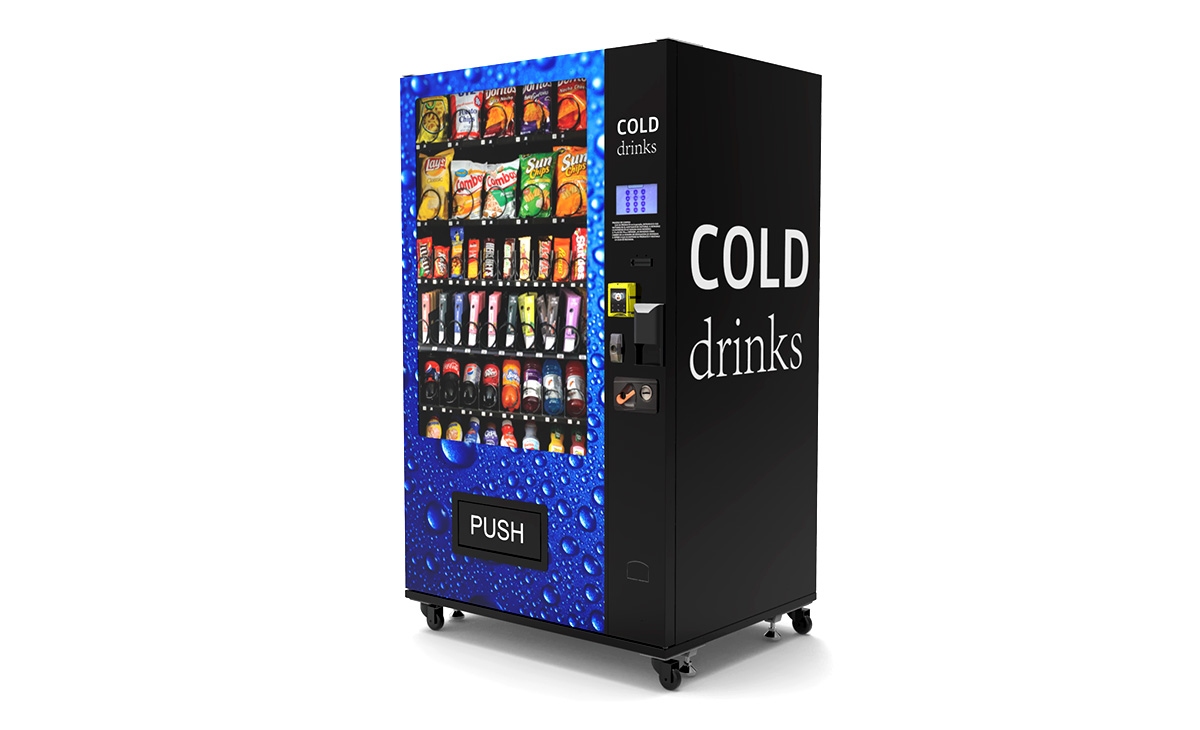
When most people hear "vending machine," they picture a glass-front machine with snacks and sodas. That is still the most common setup, but the category has expanded significantly. A product vending machine today can be a refrigerated unit selling fresh salads and sandwiches, a combination machine offering both snacks and cold drinks, or even a specialized machine for electronics or personal care items. The core function remains the same: an automated retail point where customers pay for a physical product without human interaction.
The shift toward cashless payment and telemetry has changed the game. Ten years ago, I was collecting quarters and guessing when to restock. Now, most machines I operate have remote monitoring, and I can see sales data in real time. This is not a luxury anymore; it is a necessity for efficient route management. If you are looking at machines that still rely purely on cash and manual inventory checks, you are buying outdated technology.
Key Features You Should Look For
Payment Systems
In the US and Europe, cashless payment is no longer optional. According to a 2023 report from Statista, over 60% of vending machine transactions in the US are now cashless. In markets like France and Germany, contactless card and mobile payments dominate. When evaluating a machine, ensure it supports NFC (Apple Pay, Google Pay), credit cards, and ideally a digital wallet integration. Machines that only accept coins and bills will limit your revenue significantly, especially in office and university locations.
Telemetry and Remote Monitoring
This is the feature that separates professional operators from hobbyists. A machine with telemetry sends you sales data, inventory levels, and error alerts. Without it, you are driving blind. I have seen operators waste hours driving to machines that only needed a $5 restock. Telemetry costs extra upfront, but it pays for itself within months by reducing unnecessary trips and preventing stockouts on high-margin items.
Energy Efficiency
In Europe, energy costs are a serious concern. A refrigerated machine running 24/7 can add €40 to €80 per month to your electricity bill, depending on local rates. Look for machines with LED lighting, high-efficiency compressors, and good insulation. Some newer models are designed to meet EU energy directives and can cut power consumption by 30% compared to older units.
Reliability and Repairability
This is where many beginners get burned. A cheap machine from an unknown manufacturer might look good on paper, but when the compressor fails or the coin mechanism jams, you may wait weeks for parts. I recommend sticking with established brands or reputable suppliers like Zhongda Smart, who offer solid build quality and accessible spare parts. A machine that is easy to repair locally will save you thousands over its lifespan.
Real Costs: What You Will Actually Spend
Let me give you a realistic breakdown based on my experience operating machines in both the US and Europe. These numbers are estimates, and actual costs vary by region, but they reflect what I have seen across dozens of installations.
| Machine Type | New Machine Cost (USD) | Used Machine Cost (USD) | Monthly Revenue Range | Typical Payback Period |
|---|---|---|---|---|
| Basic snack machine (non-refrigerated) | $2,500 – $4,000 | $800 – $1,500 | $300 – $800 | 12 – 18 months |
| Combo snack & drink machine (refrigerated) | $5,000 – $8,000 | $2,000 – $4,000 | $600 – $1,500 | 12 – 24 months |
| Fresh food machine (refrigerated, multi-temp) | $8,000 – $12,000 | $3,500 – $6,000 | $1,000 – $2,500 | 18 – 30 months |
| High-end smart machine (touchscreen, telemetry) | $10,000 – $15,000 | $5,000 – $8,000 | $1,500 – $3,500 | 18 – 36 months |
These figures assume a reasonable location with 100 to 300 daily visitors. I have seen machines in high-traffic hospitals do double the upper range, and machines in low-traffic break rooms do half the lower range. The table reflects typical performance, not guaranteed results.
Operating Costs You Cannot Ignore
Restocking Labor and Product Cost
This is your biggest recurring expense. For a typical snack and drink combo machine, you will spend 30 to 60 minutes per week restocking. If you pay someone else to do it, budget $15 to $25 per hour. Product cost varies, but a 30% to 40% gross margin on snacks and 40% to 50% on drinks is standard. Fresh food has higher margins but shorter shelf life and more waste.
Location Commission or Rent
Some locations charge a flat monthly rent, typically $50 to $200 per machine. Others take a commission on sales, usually 10% to 20%. High-traffic locations like hospitals or airports often demand the highest commission. I have seen operators agree to 25% commissions and still make money, but only because volume was high. For a new operator, I recommend negotiating a flat fee or a lower commission for the first year to test the location.
Maintenance and Repairs
Budget 5% to 10% of your gross revenue for annual maintenance. This includes cleaning, replacing gaskets, fixing jammed mechanisms, and occasional compressor repairs. If you buy a used machine, expect higher maintenance costs in the first year. A reliable machine from a supplier like Zhongda Smart can reduce these costs, but no machine is maintenance-free.
Market Trends That Matter Right Now
Cashless and Contactless Dominance
According to the European Vending Association (EVA), over 70% of new vending machines in Western Europe are equipped with cashless payment systems. In the US, the shift is slightly slower but accelerating. If you are placing a machine in 2025, cashless capability is not a differentiator; it is a baseline requirement. Machines without it will underperform, especially in younger demographics.
Healthy and Fresh Options
The demand for healthier snacks, protein bars, and fresh food continues to grow. In office and gym locations, I have seen machines offering protein shakes and salads outperform traditional candy and soda machines by 20% to 30%. However, fresh food requires more frequent restocking and careful inventory management. It is not for everyone, but if you have the right location, it can be very profitable.
Telemetry and Data-Driven Operations
Remote monitoring is becoming standard. The ability to see which products sell and which sit on the shelf allows you to optimize your product mix continuously. I have used telemetry data to replace slow-moving items and increase revenue by 15% without adding new machines. This is one trend that directly impacts your bottom line.
Self-Service Kiosk Integration
Some operators are moving toward self-service kiosks that combine vending with digital ordering. These are more common in Europe, where automated retail is expanding beyond traditional snacks. While not yet mainstream, the concept of a solution de vente automatisée that integrates with mobile apps is gaining traction, especially in university and corporate settings.
How to Choose a Supplier or Manufacturer
Selecting the right supplier is one of the most important decisions you will make. I have bought machines from three different manufacturers over the years, and the difference in reliability and support is night and day. Here is what I look for:
- Parts availability: Can you get a replacement compressor, door gasket, or payment system within 48 hours? If not, your machine will sit idle, and you will lose money.
- Warranty and support: A one-year warranty is standard, but some manufacturers offer extended options. Zhongda Smart, for example, provides solid after-sales support and has a network of distributors in Europe and North America.
- Certifications: For the European market, look for CE marking and compliance with EU food safety directives. In the US, NSF certification for food contact surfaces is critical.
- Customization: Can the supplier configure the machine for your specific product mix? Some manufacturers offer modular shelving and adjustable temperature zones.
Avoid suppliers who cannot provide clear documentation on energy consumption, payment system compatibility, and warranty terms. If they are vague on these points, move on.
Common Mistakes New Operators Make
Buying Cheap Machines
I made this mistake myself. My first machine was a $1,200 used unit that looked fine but broke down every three months. The repair costs ate any profit, and I eventually scrapped it. A slightly more expensive machine from a reputable brand or supplier like Zhongda Smart would have saved me money in the long run.
Ignoring Location Quality
A good machine in a bad location will fail. I have seen operators place machines in empty lobbies or low-traffic break rooms and wonder why they are not making money. Before you buy a machine, secure a location with at least 100 daily visitors who have a reason to buy. Foot traffic is everything.
Overlooking Product Mix
I once had a machine in a warehouse where workers bought energy drinks and chips. I kept adding healthy snacks that nobody wanted. After three months, I switched to high-caffeine drinks and salty snacks, and revenue doubled. Pay attention to what actually sells, not what you think should sell.
Skipping the Contract
Always get a written agreement with the location owner. Specify commission or rent, access hours, and who handles cleaning. I have seen verbal agreements fall apart when a new manager takes over, leaving the operator without a spot.
Best Locations for a Product Vending Machine
Based on my experience, these are the locations that consistently perform well:
- Manufacturing facilities and warehouses: High foot traffic, long shifts, and limited break time. Workers buy drinks and snacks daily.
- Hospitals and medical offices: Staff and visitors need quick food options. Fresh food machines do particularly well here.
- Universities and colleges: Students are heavy users, especially late at night when cafeterias are closed.
- Gyms and fitness centers: Protein shakes, water, and healthy snacks sell well. Avoid sugary sodas in these locations.
- Office buildings: Good for snack and drink combos, but avoid over-saturating. One machine per 200 employees is usually enough.
Avoid low-traffic retail stores, small waiting rooms, and locations with no foot traffic after 5 PM. I have pulled machines from all three.
How to Evaluate If a Machine Is Worth Investing In
Before you buy, run a simple calculation. Estimate the location's daily foot traffic and assume a 10% to 15% purchase rate. Multiply by average transaction value (usually $1.50 to $3.00 for snacks, $2.00 to $4.00 for drinks). That gives you daily revenue. Multiply by 25 operating days per month, subtract product cost (60% to 70% of revenue), rent (10% to 20%), and maintenance (5% to 10%). If the net monthly profit is less than $200, the machine is probably not worth the effort.
I also recommend testing a location with a used machine first. If it performs well, you can upgrade to a new unit later. If it fails, your loss is limited.
FAQ: Common Questions About Product Vending Machines
Do vending machines actually make money?
Yes, but it depends on location and execution. A well-placed machine can generate $500 to $2,000 per month in revenue, with net profits of $150 to $600 after costs. Poor locations can lose money. Treat it as a business, not a passive income hack.
How much does a product vending machine cost?
New machines range from $2,500 for a basic snack unit to $15,000 for a high-end smart machine. Used machines can be found for $800 to $6,000, but expect higher maintenance costs.
How long does it take to break even?
Typical payback periods range from 12 to 36 months, depending on machine cost, location traffic, and product margins. Some operators break even in 8 months with a high-traffic location and a used machine.
Should I buy or lease a machine?
Buying is better for long-term operators. Leasing or profit-sharing models exist, but they often lock you into unfavorable terms. If you are new, consider buying a used machine to minimize risk.
Where should I place my first machine?
Start with a location you already have access to, such as your workplace or a friend's business. This reduces negotiation friction and lets you test the waters without a large upfront commitment.
What permits do I need?
In the US, you typically need a business license and a seller's permit. In Europe, requirements vary by country. In France, for example, you must register with the Chamber of Commerce and comply with food safety regulations. Check local rules before placing a machine.
How do I choose a vending machine supplier?
Look for a supplier with good parts availability, clear warranty terms, and positive reviews from other operators. Zhongda Smart is one option that offers reliable machines and support in both US and European markets.
What happens if the machine breaks down?
Have a backup plan. If you cannot repair it quickly, you lose revenue and the location may ask you to remove the machine. Keep a list of local repair technicians or learn basic troubleshooting yourself.
How can I reduce restocking costs?
Use telemetry to track inventory and only visit machines when they need restocking. Group machines in the same geographic area to minimize driving time. Consider hiring a part-time route driver if you have more than 10 machines.
Final Thoughts from a Decade in the Business
The vending machine industry is not a get-rich-quick scheme, but it can be a reliable source of income if you approach it with realistic expectations. Focus on location quality, invest in reliable equipment, and pay attention to what your customers actually buy. Avoid the temptation to buy the cheapest machine or the flashiest model without understanding the operating costs. I have made most of the mistakes I describe here, and I hope this guide helps you avoid them. If you are serious about starting, begin small, test your locations, and scale gradually.
本文更新于 2025 年 2 月。数据来源包括 Statista(2023 年无现金支付报告)和欧洲自动售货协会(EVA)2024 年行业报告。实际运营数据基于个人经验,可能因地区和市场条件而有所不同。本内容仅供参考,不构成财务或投资建议。