2Nd Hand Vending Machine_ Prices, Profit Potential, and Setup Guide for Beginners
If you are serious about getting into automated retail without spending a fortune on brand-new equipment, a 2Nd Hand Vending Machine is often the smartest entry point. Over the past decade, I have placed hundreds of units across the US and Europe, and I can tell you that the difference between a profitable route and a money pit usually comes down to how you buy your hardware. A used machine, bought for $1,500 to $3,000, can generate the same monthly revenue as a $6,000 new unit if it is placed correctly. The real question is not whether you should buy used, but whether you know how to evaluate the machine, the location, and the operational costs before you commit. This guide covers exactly that—pricing, profit expectations, and a practical setup process for beginners.
Why Start with a Used Vending Machine?
Most beginners overestimate the importance of a shiny exterior. In my experience, customers care about product selection, temperature, and reliable payment systems. They do not care if the machine has a scratch on the side. A 2Nd Hand Vending Machine allows you to test locations, learn the logistics of restocking, and build a cash flow history without a massive upfront investment. I have seen operators burn through their entire budget on new machines, only to realize that a low-traffic location cannot support the payments. Starting used gives you breathing room.
Another practical reason is depreciation. A new machine loses value the moment you install it. A used machine, if bought at the right price, holds its value much better. If you decide to exit the business or upgrade, you can often resell it for close to what you paid. This is especially true for well-known brands like Crane, Dixie Narco, or AMS. These units have a strong resale market because parts are widely available.
What Does a 2Nd Hand Vending Machine Cost?
Pricing varies significantly based on age, brand, condition, and payment system. Based on my own purchases and sales over the years, here is a realistic breakdown:
| Machine Type | Typical Used Price (USD) | Common Age | Notes |
|---|---|---|---|
| Soda/Can Machine (Dixie Narco 501E) | $1,200 – $2,000 | 8–15 years | Very reliable, easy to repair |
| Snack Machine (Crane 168) | $1,500 – $2,500 | 6–12 years | Good for high-volume snack locations |
| Combo Machine (Snack + Soda) | $2,000 – $3,500 | 5–10 years | Space-saving, ideal for small break rooms |
| Dual Temperature Food Machine | $3,000 – $5,000 | 5–10 years | Used for fresh food, higher maintenance |
| Frozen or Ice Cream Machine | $3,500 – $6,000 | 4–8 years | Higher energy cost, specialized parts |
These prices are based on the US market in 2024. In Europe, you might see similar ranges in euros, though brands like Azkoyen or Jofemar are more common. Always factor in shipping and installation, which can add $200 to $500 depending on distance.
Profit Potential: What Can You Really Earn?
Let me be direct: vending is not a get-rich-quick business. But it can be a solid income stream if you treat it like a small business. Based on my routes across office buildings, warehouses, and retail locations, a single machine in a decent spot generates between $200 and $600 in monthly sales. Gross margins on product typically run 30% to 40% after cost of goods sold (COGS). That means a machine doing $400 per month might leave you with $120 to $160 in gross profit before expenses.
Expenses include rent or commission (often 10% to 20% of sales), credit card processing fees (2% to 4%), electricity ($10 to $30 per month), and restocking labor. If you do your own restocking, a single machine might net you $80 to $120 per month. The real profit comes from scaling to 10, 20, or 50 machines. I have seen operators with 30 machines generate a net monthly income of $4,000 to $6,000 after all costs.
A 2023 study by IBISWorld noted that the vending machine industry in the US generates approximately $7.6 billion annually, with an average profit margin of around 12% after all operating expenses. That aligns with my experience. IBISWorld Vending Machine Operators Market Size
Key Factors That Drive Profitability
Location is Everything
I cannot stress this enough. A 2Nd Hand Vending Machine in a low-traffic break room will struggle to break even. Look for locations with at least 50 to 100 potential customers per day. Warehouses, distribution centers, hospitals, and manufacturing plants are my top picks. Schools and universities can also work, but they have long breaks. Avoid locations where the staff can easily walk to a convenience store or cafeteria.
Product Mix and Pricing
I have learned that the same machine in the same building can double its revenue just by changing the product mix. For example, in a warehouse, high-caffeine drinks and protein bars sell well. In an office, sparkling water and healthy snacks outperform candy. Test different products for two weeks and track sales. Use the data, not your gut.
Payment Systems
If your used machine still has a coin-only system, upgrade it. I have seen a 40% increase in sales after installing a credit card reader. In 2024, customers expect to tap their phone or card. A machine without card payment is a machine that loses sales. Budget $300 to $600 for a payment system upgrade like Nayax, Cantaloupe, or USA Technologies.
Buying a 2Nd Hand Vending Machine: What to Check
When I evaluate a used machine, I look at three things: the compressor, the payment system, and the overall rust or wear. The compressor is the heart of any cold machine. If it is old or has been sitting unused, it may fail within months. Ask the seller if the machine was in continuous service. A machine that has been stored in a warehouse for a year is risky.
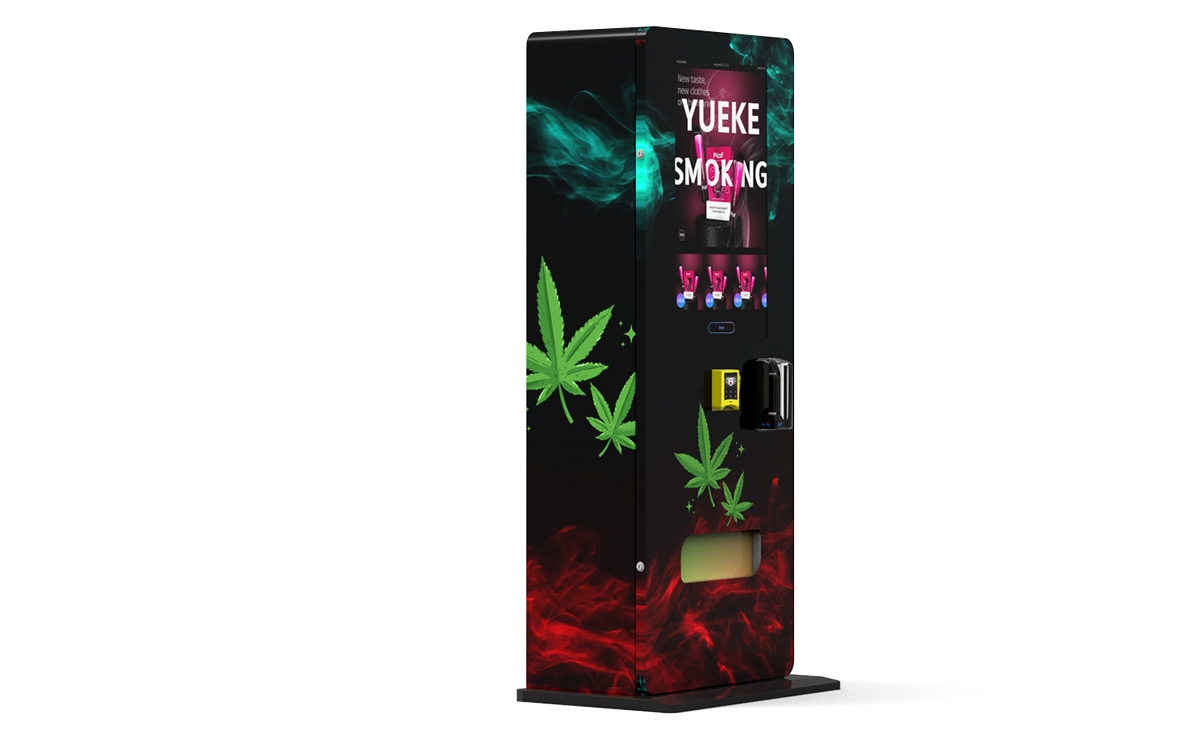
Check the coin changer and bill validator. These are common failure points. If they are older models like a Mars 2000 series, factor in a replacement cost. Also inspect the door gasket. A torn gasket causes the compressor to run constantly, driving up your electric bill.
For European buyers, machines from manufacturers like Zhongda Smart are becoming more common in the used market. They offer solid build quality and modern payment integration at a lower price point than legacy brands. If you find a used Zhongda Smart unit, it is worth considering because parts and support are available through their network.
Setup Guide for Beginners
Step 1: Secure a Location Before You Buy
Do not buy a machine first and then look for a spot. That is the fastest way to lose money. Talk to building managers, factory owners, or office managers. Offer a commission of 10% to 15% of sales. Most will say yes if you are professional and provide a clean machine. Get a written agreement, even if it is a simple one-page contract.
Step 2: Choose the Right Machine for the Location
If the location has fewer than 50 employees, a combo machine is usually best. If it has over 100, you can justify separate snack and drink machines. I have made the mistake of placing a large snack machine in a small office. It looked unprofessional and the product sat too long.
Step 3: Inspect and Refurbish
Before installing, clean the machine thoroughly. Replace the light bulbs, check the shelving, and test every selection. I always replace the door gasket and the power cord on any used machine. It costs under $50 and prevents many headaches.
Step 4: Set Up Payment and Telemetry
Install a modern card reader with telemetry. This allows you to see sales data remotely, know when items are low, and adjust pricing. I recommend Cantaloupe or Nayax for their reliability and customer support. The upfront cost is worth the time saved on manual checks.
Step 5: Stock and Launch
Stock the machine with a balanced mix of top sellers: water, sports drinks, soda, chips, candy, and protein bars. Price items competitively but not too low. A 50-cent markup over retail is standard. Launch with a small sign that says "New Vending Machine – Thanks for your support!" It builds goodwill.
Common Beginner Mistakes
I have made almost every mistake in the book, so let me save you some trouble. First, do not buy a machine without seeing it run. I once bought a "working" machine online that had a dead compressor. The seller disappeared. Always test it in person or send someone you trust.
Second, do not ignore the cost of credit card processing. It eats into your margin. Negotiate a rate below 3% if possible. Third, do not overstock. You want fresh product, not a warehouse of stale chips. Restock every one to two weeks, depending on volume.
Fourth, do not neglect vending machine repair. If you are not handy, find a local technician before you need one. I have seen operators lose a week of sales waiting for a repair. Build a relationship with a repair service or learn basic troubleshooting yourself. Common issues like jammed coils or a faulty validator are easy to fix with a screwdriver and a YouTube video.
Comparing Business Models: Buy, Lease, or Revenue Share
Many beginners ask whether they should buy, lease, or partner with a location. Here is a quick comparison based on what I have seen work:
| Model | Initial Cost | Monthly Cost | Control | Best For |
|---|---|---|---|---|
| Buy Used | $1,500 – $5,000 | None | Full | Operators who want to scale |
| Lease New | $0 down, $100–$300/mo | Monthly lease payment | Limited | Testing the waters |
| Revenue Share with Location | $0 (location buys machine) | None | Shared | Low risk, low reward |
In my opinion, buying a 2Nd Hand Vending Machine offers the best balance of low cost and high control. Leasing can work if you find a flexible contract, but many leases lock you into long terms with expensive buyout clauses. Revenue share models rarely generate enough income to justify the time unless you are placing many machines.
Maintenance and Operational Costs
Owning a used machine means accepting that something will break. Budget $200 to $400 per year per machine for vending machine repair and parts. The most common failures are the compressor start relay, the coin jam, and the display board. I keep a small inventory of spare parts: a relay, a validator, and a few coils. This cuts downtime from days to hours.
Energy costs vary. A refrigerated machine uses about 5 to 10 kWh per day. At $0.12 per kWh, that is $18 to $36 per month. Non-refrigerated snack machines use much less, around $5 to $10 per month. If you place a machine in a hot environment, the compressor works harder, increasing costs.
Restocking labor is often underestimated. Each machine takes 15 to 30 minutes to restock depending on volume. If you pay yourself $20 per hour, that is $5 to $10 per visit. For a machine with $400 in monthly sales, you might visit twice a month, costing $10 to $20 in labor. It adds up, so plan accordingly.
How to Evaluate a Potential Location
I use a simple formula: estimate the number of people who pass the machine daily, multiply by the average transaction (usually $1.50 to $2.50), and then multiply by 22 working days. That gives you a rough monthly revenue. For example, 80 people x $2.00 x 22 = $3,520. That sounds great, but in reality, only 20% to 30% of people buy. So realistic revenue is $700 to $1,050 per month. If the location wants a 15% commission, you keep $595 to $892. After COGS and expenses, your net might be $200 to $400. That is a good machine.
If the formula gives you less than $150 net, look elsewhere. I have walked away from many "free" locations because the numbers did not work.
Supplier Selection: What to Look For
When buying a used machine, the seller matters as much as the machine. Reputable dealers offer a 30-day warranty on the compressor and basic functionality. Avoid sellers who say "as-is, no returns" unless you are an experienced technician. I have bought from local vending operators who were upgrading their fleet. That is often the best source because they maintained the machines themselves.
If you are looking for a new or nearly-new machine at a discount, consider manufacturers that offer refurbished units. Zhongda Smart, for example, has a line of certified pre-owned machines that come with a warranty. This is a good middle ground between a cheap used machine and a full-price new one. Their support team can also help with remote diagnostics, which saves time.
For European buyers, check local vending associations like the European Vending & Coffee Service Association (EVCSA). They maintain lists of reputable dealers and can help you avoid scams. European Vending & Coffee Service Association
Legal and Regulatory Considerations
In the US, you generally do not need a special license to operate vending machines, but you do need a business license and a seller's permit. Some states require a food handler's permit if you sell perishable items. In Europe, regulations vary by country. In France, for example, a distributeur automatique must comply with hygiene standards set by the Direction Générale de la Concurrence. In Germany, you need to register with the local Gewerbeamt.
Always check local health codes. If you sell food that requires refrigeration, the machine must maintain a temperature below 41°F (5°C). Failure to do so can result in fines and loss of business. I recommend installing a temperature monitoring system that alerts you if the unit goes out of range.
According to a report by the European Commission, the automated retail sector is growing at 6% annually, driven by contactless payments and demand for 24/7 access. Eurostat Retail Trade Statistics
FAQ: Common Questions from Beginners
Are vending machines profitable?
Yes, but not instantly. A well-placed machine can net $100 to $300 per month after all costs. Profitability depends on location, product mix, and your ability to control expenses. Scaling to multiple machines is where the real income comes from.
How much does a 2Nd Hand Vending Machine cost?
Expect to pay $1,200 to $5,000 depending on the type and condition. Soda and snack combos are in the lower range. Food and frozen machines cost more. Always factor in shipping and potential repairs.
How long does it take to recoup the investment?
For a used machine costing $2,000, if it nets $150 per month, the payback period is about 13 to 14 months. Faster if the location is strong. Slower if you pay high commission or have frequent repairs.
Should a beginner buy or lease?
Buy used. Leasing sounds low-risk but often comes with hidden fees and long contracts. Buying a 2Nd Hand Vending Machine gives you full control and a faster path to profit.
Where is the best place to put a vending machine?
Warehouses, factories, hospitals, and large offices are my top picks. Avoid schools during summer breaks and retail locations with existing food options. Always test a location for two months before committing long-term.
What permits do I need?
In the US, a business license and seller's permit. In Europe, register with local authorities and comply with food safety regulations. Check with your local chamber of commerce.
How do I choose a supplier?
Look for dealers who offer a warranty, have a physical location, and allow you to inspect the machine. Avoid online-only sellers with no track record. Zhongda Smart and other established brands often have certified used programs.
What if the machine breaks down?
Learn basic repairs or have a technician on call. Keep spare parts like a validator and a compressor relay. Most issues are simple and can be fixed in under an hour.
How can I reduce restocking costs?
Use telemetry to monitor inventory remotely. Only visit when needed. Also, group your machines by geographic area to minimize travel time.
Final Thoughts
Starting a vending business with a 2Nd Hand Vending Machine is a practical way to enter automated retail without overcommitting capital. The key is to treat it like a real business: evaluate locations carefully, maintain your equipment, and track your numbers. I have seen too many people buy a machine, place it in a bad spot, and then complain that vending does not work. It works, but only if you do the groundwork. If you are willing to learn the basics of vending machine repair, negotiate good locations, and invest in modern payment systems, you can build a steady income stream. Start small, test everything, and scale when you have proven locations.
Disclaimer: The financial figures in this article are based on my personal experience operating vending machines in the US and Europe. Actual results will vary based on location, product mix, local regulations, and operational efficiency. This content is for informational purposes only and does not constitute financial advice.
本文更新于2025年4月