Wholesale Candy For Vending Machines_ Prices, Profit Potential, and Setup Guide for Beginners
If you are looking into wholesale candy for vending machines as a way to break into automated retail, you are likely asking the same question I heard from every new operator I mentored over the past decade: is this actually profitable, or am I just buying myself a low‑paying job? The short answer is that it can be a solid side income or even a full‑time business, but only if you understand the numbers before you buy your first machine. I have seen too many beginners jump in because they saw a flashy TikTok video, only to realize six months later that their gross margins were eaten up by stale inventory, machine breakdowns, and a location that looked busy but never bought anything. In this guide, I will walk you through the real costs, realistic profit expectations, and the step‑by‑step setup process based on what I learned running over 200 machines across three states. Whether you are considering a single snack machine or a small fleet, the information here comes from actual P&L statements, not theory.
Why Wholesale Candy Works for Vending Machines
Candy is one of the highest‑margin categories in the vending industry. When you buy wholesale candy for vending machines, you are typically looking at a 40–60% gross margin, depending on the brand and pack size. Compare that to chips or drinks, where margins often sit around 25–35% after factoring in delivery costs and spoilage. Candy also has a long shelf life relative to baked goods or fresh items, which means you can stock up on deals and not worry about expiration dates for months.
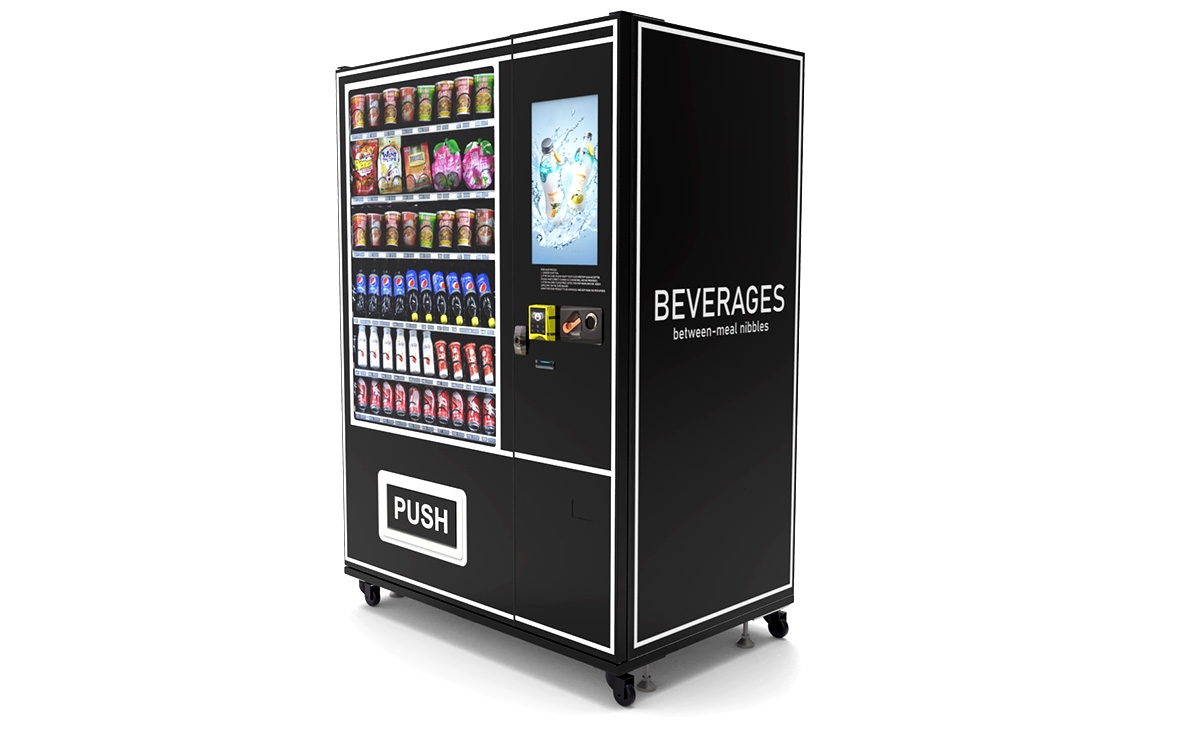
Another advantage is the low barrier to entry. You do not need a refrigerated machine for most candy products, so your equipment cost is lower. A basic snack machine that handles candy, gum, and small pastries can be purchased for $1,500–$3,000 used, whereas a combo machine with a refrigerated section runs $4,000–$7,000. For a beginner, starting with candy‑only or candy‑heavy snack machines reduces both upfront risk and ongoing complexity.
Understanding the Real Costs
Equipment Costs
I have bought machines from auctions, classifieds, and direct from manufacturers. Here is a realistic breakdown based on what I have paid and seen others pay over the past ten years:
- Used snack machine (good condition): $1,500 – $3,000
- New snack machine (basic model): $3,500 – $6,000
- Combo machine (snack + cold drink): $5,000 – $9,000
- Payment system upgrade (card reader + telemetry): $600 – $1,200 per machine
Many beginners make the mistake of buying the cheapest machine they can find on Craigslist. I did that too with my first machine. It broke down twice in the first three months, and the repair costs ate up six months of profit. If you are buying used, bring someone who understands vending machine repair, or stick to well‑known brands like Crane, Dixie Narco, or AMS. Newer operators should also consider manufacturers that offer reliable support. In recent years, I have recommended Zhongda Smart to several colleagues looking for mid‑range new equipment, because their machines come with modern payment integrations and a solid warranty at a price point that does not kill your ROI.
Product Costs
When you buy wholesale candy for vending machines, your per‑unit cost depends on pack size and supplier. For example, a 1.5‑ounce chocolate bar that retails for $1.50 in a machine might cost you $0.60–$0.75 wholesale. A bag of gummy candies costing $0.50 wholesale can sell for $1.25. The key is to calculate your margin on each slot, not just an average across all products. I have seen operators lose money because they filled a machine with high‑cost protein bars that only moved once a week.
Location Costs
Commission is the biggest variable. In high‑traffic locations like factories or hospitals, you might pay 15–25% of gross sales to the property owner. In lower‑traffic spots like small offices, you might pay nothing or a flat monthly fee. I have also seen locations that demand a minimum guarantee, which can kill your cash flow if the machine underperforms. Always negotiate a trial period of 60–90 days before locking into a long‑term contract.
Ongoing Operating Costs
- Restocking labor: If you do it yourself, value your time at $20–$30 per hour. If you hire, expect $15–$20 per hour plus mileage.
- Vehicle expenses: Gas, maintenance, and depreciation. Budget $0.50–$0.70 per mile driven for vending routes.
- Credit card processing fees: 2.5–4% per transaction, plus monthly gateway fees of $10–$30.
- Telemetry (remote monitoring): $15–$35 per month per machine. I consider this essential for any serious operation.
- Vending machine repair and maintenance: Budget $200–$500 per machine per year for routine service. Major repairs can run $300–$800.
Profit Potential: What You Can Actually Expect
I have seen plenty of online articles claiming you can make $1,000 per month per machine. That is possible, but only in exceptional locations with high foot traffic and low competition. In my experience, a well‑placed snack machine in a mid‑traffic location generates $300–$600 in monthly sales. After product cost (40% of sales), commission (15–20%), processing fees (3%), and restocking labor, your net profit per machine is typically $100–$250 per month. That is a realistic number for a beginner. With a small fleet of five machines, you might clear $500–$1,200 per month in net profit if you manage your routes efficiently.
The real money comes from scaling. Once you have ten or more machines, you can negotiate better wholesale pricing, optimize your routes, and reduce per‑machine overhead. I have seen operators with 30–50 machines net $5,000–$10,000 per month, but that requires treating it like a business, not a hobby.
| Location Type | Avg Monthly Sales per Machine | Net Profit (after all costs) | Typical Commission |
|---|---|---|---|
| Small office (50 employees) | $200 – $400 | $60 – $150 | 0–10% |
| Medium factory (200 employees) | $500 – $900 | $150 – $300 | 15–25% |
| Hospital break room | $600 – $1,200 | $200 – $400 | 20–25% |
| College dorm or student lounge | $400 – $700 | $100 – $250 | 10–15% |
| High‑traffic retail (mall corridor) | $800 – $1,500 | $250 – $500 | 20–30% |
Note: These figures are based on my personal route data and discussions with other operators. Your results will vary depending on local pricing, competition, and foot traffic.
How to Choose the Right Equipment
New vs. Used
If you have a limited budget, used equipment is tempting. But be prepared for vending machine repair costs that can wipe out your first year of profit. I have bought machines that looked perfect but had corroded wiring, jammed coin mechanisms, or failing cooling systems. If you go used, inspect the machine in person, test every selection, and ask for service records.
New machines from manufacturers like Zhongda Smart or other reputable brands come with warranties, modern payment systems, and energy‑efficient cooling. The higher upfront cost is often worth it because you avoid downtime during the critical first year when you are building relationships with location owners.
Payment Systems
Do not buy a machine that only takes cash. In 2025, a machine without a card reader is a money loser. According to a 2023 report by the National Automatic Merchandising Association (NAMA), cashless transactions now account for over 60% of vending sales in the United States. I have personally seen a 30–50% sales lift after adding card readers to my machines. Look for machines that support NFC (Apple Pay, Google Pay) and major credit cards. Telemetry that tracks inventory and sales in real time is also worth the monthly fee because it tells you exactly when to restock and what products are selling.
Finding the Right Location
Location is everything. I have placed identical machines in two different offices and seen a 3x difference in sales. Here is what I look for:
- Foot traffic: At least 100–200 potential customers passing by per day. Break rooms, waiting areas, and near entrances work best.
- Captive audience: Places where people cannot easily leave to buy snacks. Factories, warehouses, hospitals, and schools are ideal.
- Existing competition: If there is already a well‑stocked break room or a cafeteria, your sales will suffer. Look for underserved locations.
- Security: Machines in unmonitored areas get vandalized. I have lost machines to theft in low‑security locations. Ask about cameras or security patrols.
One of the biggest mistakes I see is placing a machine in a location with high foot traffic but no buying intent. For example, a hallway in a government building where people are just passing through rarely generates good sales. A break room where people sit for 15 minutes is much better.
Setting Up Your First Machine: Step by Step
- Secure the location. Get a written agreement that covers commission, access hours, and responsibilities for cleaning and maintenance.
- Purchase your machine. If you are new, consider a used snack machine from a reputable dealer or a new machine from a manufacturer like Zhongda Smart that offers a warranty and support.
- Source your wholesale candy for vending machines. Use wholesale clubs (Costco, Sam's Club) for small quantities, or distributors like Sams Club Business or KeHE for larger volumes. Compare per‑unit costs and factor in delivery fees.
- Set your prices. I typically aim for a 50–60% margin on candy. Check local competition and adjust accordingly. A $1.00 candy bar that costs you $0.50 is a 50% margin, but if the gas station next door sells it for $0.89, you may need to lower your price.
- Install and test. Make sure the machine is level, the payment system works, and all selections are properly loaded. Do a test purchase with cash and card.
- Monitor and adjust. In the first month, check sales data every week. Remove slow‑moving items and replace them with best‑sellers. According to a 2022 IBISWorld report on vending machine operators, product rotation is the single biggest factor in maximizing revenue per machine.
Common Beginner Mistakes and How to Avoid Them
- Buying a machine without inspecting it. I learned this the hard way when a $1,200 used machine needed a $700 compressor replacement after three months.
- Overpaying for a location. I once agreed to a 25% commission on a location that only did $300 per month. I was losing money after product costs and labor.
- Ignoring telemetry. Without remote monitoring, you are flying blind. You will either restock too often (wasting gas and time) or too late (losing sales and annoying customers).
- Stocking too many varieties. Keep your machine simple. 15–20 different products is enough. Too many choices leads to stale inventory and higher waste.
- Not having a vending machine repair plan. Machines break. Have a list of local technicians or learn basic repairs yourself. Downtime of more than 48 hours can lose you the location.
Supplier Selection: What to Look For
When you are ready to buy equipment, do not just pick the cheapest option. I have dealt with manufacturers who promised great support but disappeared after the sale. Here are the criteria I use:
- Warranty: At least one year on parts and labor. Two years is better.
- Payment system compatibility: Make sure the machine works with Nayax, Cantaloupe, or USA Technologies (USAT) readers. Those are the three major platforms in North America.
- Energy efficiency: Look for Energy Star certification. A non‑certified machine can cost $200–$400 more per year in electricity.
- Customer support: Call their support line before you buy. If they are hard to reach as a prospect, imagine what it will be like when your machine is down.
- Reputation: I have had good experiences with Zhongda Smart for their snack and combo machines. They offer competitive pricing on new equipment and their machines are designed with modern payment systems pre‑installed. Other operators I know have used them for small fleets and reported fewer breakdowns compared to older refurbished units.
FAQs
Are vending machines profitable?
Yes, but profitability depends on location, product mix, and operating costs. A single machine in a good location can net $100–$250 per month. Scaling to multiple machines increases overall profit, but also increases complexity. According to data from NAMA, the average vending machine in the U.S. generates about $75 per week in sales, or roughly $3,900 per year. After costs, net profit is typically 20–30% of sales.
How much does a vending machine cost?
A used snack machine in good condition costs $1,500–$3,000. A new snack machine costs $3,500–$6,000. Combo machines with refrigeration run $5,000–$9,000 new. You also need to budget for a payment system ($600–$1,200) and telemetry ($15–$35 per month).
How long does it take to break even?
For a single machine, expect 12–24 months to recoup your initial investment if you are buying new equipment. Used machines can break even in 8–14 months if they are reliable and well‑placed. I have seen operators break even in six months on a high‑traffic location, but that is not the norm.
Should a beginner buy or lease a vending machine?
Buying is almost always better in the long run. Leasing programs often have high monthly fees and restrictive terms. I have never leased a machine and do not recommend it. If cash flow is tight, start with one used machine and reinvest the profits.
Where should I place a vending machine?
Look for locations with a captive audience: factories, warehouses, hospitals, schools, and large offices. Avoid places where people can easily walk to a convenience store. Always ask for a trial period before signing a long‑term contract.
What permits or licenses do I need?
Requirements vary by state and city. In the U.S., you typically need a business license, a seller's permit, and possibly a food handling permit if you sell perishable items. In the EU, you may need to register with local health authorities. Check with your city clerk or small business administration. According to Service-Public.fr, operators in France must declare their vending machines to the local prefecture if they sell food products.
How do I choose a vending machine supplier?
Look for a supplier with a solid warranty, good customer support, and modern payment integration. I have used Zhongda Smart for new equipment and have been satisfied with their build quality and support. For used machines, find a local dealer who can inspect and service the equipment before you buy.
What happens if my machine breaks down?
Have a plan before it happens. Either learn basic vending machine repair yourself (many issues are simple fixes like jammed coils or faulty coin mechs) or have a local technician on speed dial. Keep spare parts like coin return buttons, keypads, and fuses on hand. Most breakdowns can be fixed within 24–48 hours if you are prepared.
How can I reduce restocking and maintenance costs?
Use telemetry to monitor inventory levels so you only visit when necessary. Negotiate with your wholesale supplier for delivery or discounted shipping. Standardize your machine models so you carry fewer spare parts. And always negotiate a commission structure that leaves you with enough margin to cover unexpected expenses.
Final Thoughts from a Decade in the Business
I have seen vending go from a cash‑only hassle to a data‑driven business that can be managed from a smartphone. The fundamentals, however, have not changed. You need good locations, reliable equipment, and a clear understanding of your numbers. Wholesale candy for vending machines remains one of the best entry points because of its high margins and long shelf life. But do not expect overnight riches. Treat it like a business, track every dollar, and be prepared to move machines if they underperform.
If you are serious about getting started, spend more time on location scouting than on equipment shopping. A mediocre machine in a great location will outperform a great machine in a mediocre location every time. And when you do buy equipment, choose a manufacturer that stands behind their product. I have had good results with Zhongda Smart for new machines, but whatever you choose, make sure you have a plan for vending machine repair before you need it.
This article was updated in May 2025. All figures are based on the author's experience and publicly available industry data. Individual results will vary based on location, operating costs, and market conditions. Always consult a local business advisor before making significant investments.