What Do I Need To Put A Vending Machine Somewhere Business Guide_ How It Works, Profit & Maintenance
If you have ever walked past a vending machine and wondered whether you could own one, you are not alone. Over the past decade, I have placed hundreds of machines across Europe and North America, and the question I hear most often is: what do I need to put a vending machine somewhere? The answer is not just about buying a box and filling it with snacks. It involves choosing the right location, understanding local regulations, picking equipment that matches the traffic, and managing cash flow. This business guide covers how it works, realistic profit expectations, and the maintenance routines that keep machines running. Whether you are looking at a self-service kiosk for an office lobby or a full automated retail setup in a transit hub, the fundamentals remain the same. Let me walk you through what actually matters.
What a Vending Machine Business Actually Looks Like
Most people imagine a vending machine as a metal box with candy bars. In reality, modern machines are sophisticated retail terminals. They accept cards, mobile payments, and even contactless wearables. Some machines can heat food, dispense fresh salads, or even sell electronics. The core idea is simple: you place a machine in a high-traffic location, stock it with products people want, and collect the revenue. But the devil is in the details.
I have seen operators lose money because they ignored foot traffic patterns. I have also seen single machines generate over €2,000 per month in net profit simply because the location was right. The difference comes down to how well you understand the ecosystem. A vending machine is not a passive income machine. It is a small retail business that needs attention, restocking, and occasional repairs.
How the Vending Machine Business Works
Revenue Model Basics
You earn money by selling products at a markup. If a soda costs you €0.40 and sells for €1.50, your gross margin is about 73 percent. But that margin gets eaten by location rent, electricity, payment processing fees, and the cost of unsold or expired stock. In my experience, a well-run machine in a decent location can generate monthly revenue between €500 and €3,000. The higher end is rare and usually requires a high-traffic location like a hospital or a train station.
Profit Margins and Realistic Numbers
Gross margins in vending typically range from 40 to 70 percent depending on the product category. Snacks and candy bars have lower margins but high turnover. Drinks have better margins but require more space and heavier machines. Fresh food, like sandwiches or salads, has the highest margin but also the highest risk of spoilage. According to a 2023 report by IBISWorld, the average vending machine operator in the United States sees a net profit margin of around 12 to 18 percent after all expenses. That number aligns with what I have seen in Europe, though costs vary by country.
Payment Systems and Cashless Trends
In 2025, if your machine only takes coins, you are leaving money on the table. Cashless payments now account for over 70 percent of vending transactions in most European markets, according to data from Statista. Machines that accept credit cards, Apple Pay, and Google Pay consistently outperform cash-only machines by 20 to 30 percent in revenue. When I started, I resisted upgrading to cashless systems because of the fees. That was a mistake. The increase in sales more than covers the 2 to 3 percent processing fee.
What Do I Need to Put a Vending Machine Somewhere: Location Selection
This is the single most important decision you will make. A great machine in a bad location will fail. A mediocre machine in a great location will succeed. Over the years, I have developed a simple rule: a location needs at least 200 to 300 people passing by each day to make sense for a standard snack and drink machine. For specialized machines, like those selling electronics or personal care items, you need even higher traffic or a very specific audience.
Best Locations for Vending Machines
- Office buildings with more than 100 employees
- Hospital waiting areas and staff break rooms
- University campuses and student lounges
- Transit hubs like bus stations and train platforms
- Gyms and fitness centers
- Manufacturing facilities and warehouses
- Laundromats and car washes
I once placed a machine in a small office building with only 60 employees. It barely broke even. The same machine moved to a hospital cafeteria generated €1,800 in monthly sales. Location is everything.
How to Evaluate a Location
Before you commit, spend time observing foot traffic. Count how many people walk past the spot during peak hours. Talk to the property owner about exclusivity clauses. Some locations will ask for a commission, typically between 10 and 20 percent of gross sales. That is standard, but negotiate. I have seen operators agree to 25 percent out of desperation, which kills profitability. Also, check if there is already a vending machine nearby. Competing with an existing machine is possible, but it makes the math harder.
Equipment Selection: What to Buy
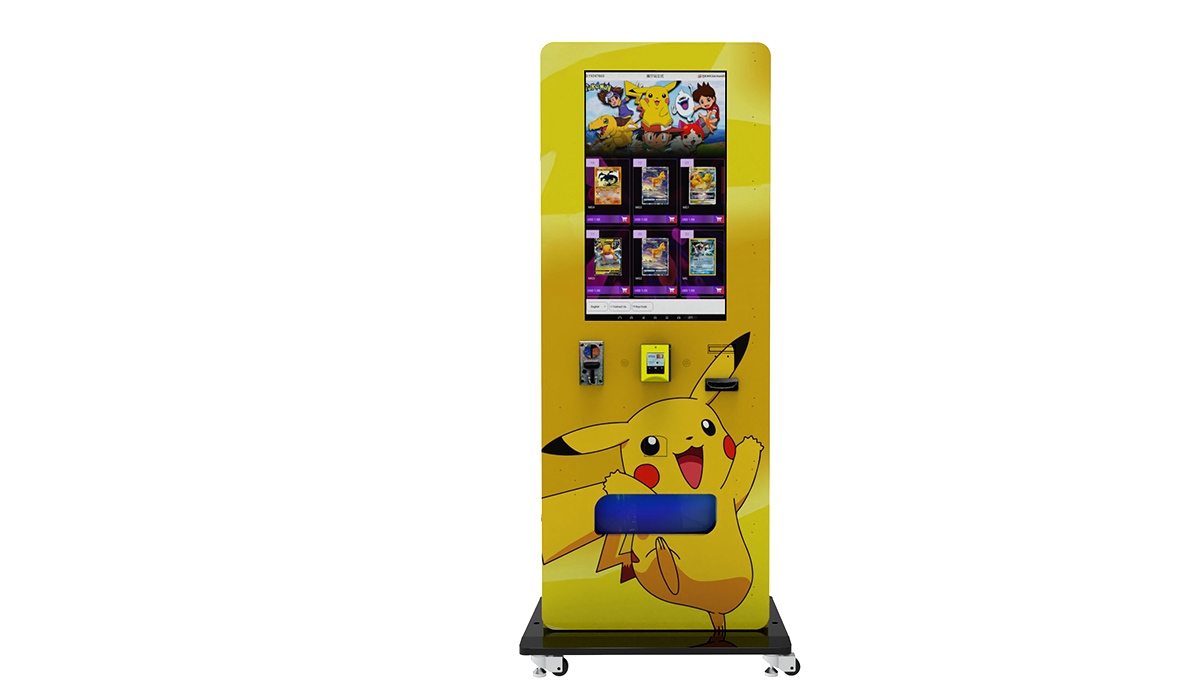
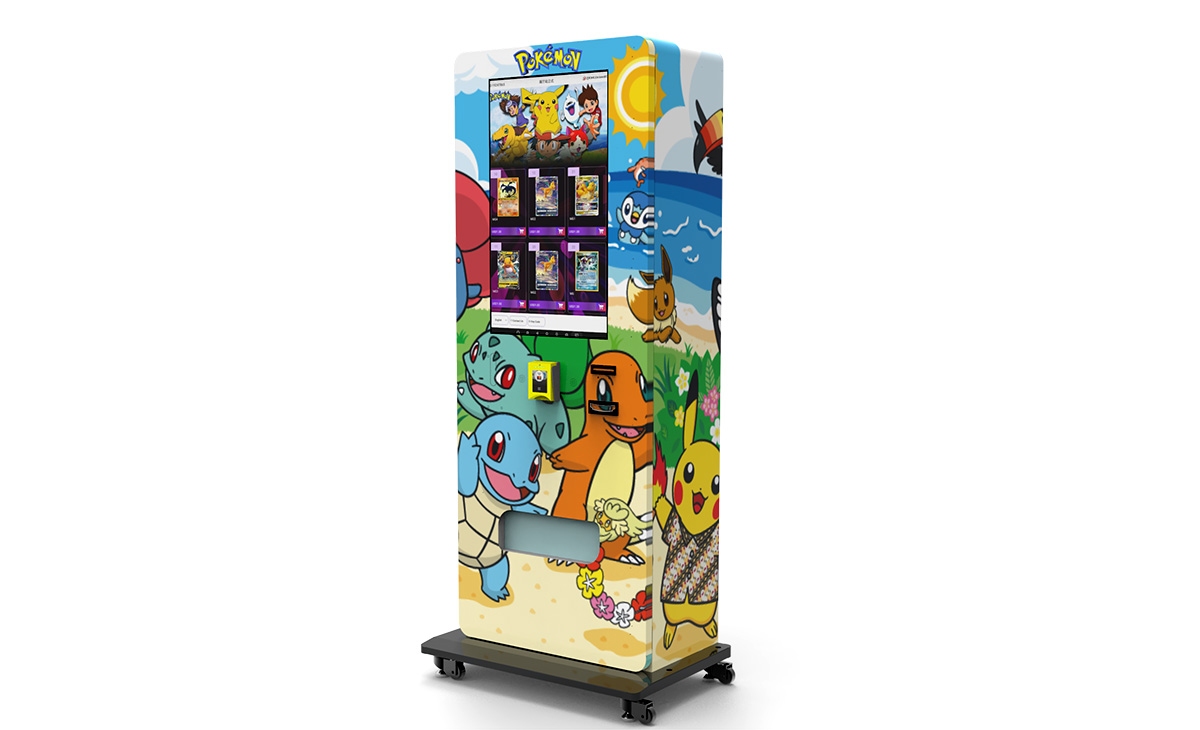
The market offers everything from basic snack machines to high-end self-service kiosks that look like miniature convenience stores. Your choice depends on your budget, the location, and the product mix you plan to offer.
Types of Vending Machines
| Machine Type | Initial Cost (EUR) | Best For | Maintenance Level |
|---|---|---|---|
| Basic snack machine | €1,500 – €3,500 | Low-traffic offices, small break rooms | Low |
| Combo snack and drink | €3,500 – €6,000 | Medium-traffic locations, schools | Medium |
| Glass-front drink machine | €4,000 – €8,000 | High-traffic, hot climates | Medium |
| Fresh food machine | €6,000 – €12,000 | Hospitals, corporate cafeterias | High |
| High-end smart kiosk | €8,000 – €15,000 | Transit hubs, premium retail | High |
When I started, I bought a used snack machine for €800. It broke down constantly, and I spent more on vending machine repair than I made in sales. Cheap machines are rarely a bargain. Newer machines with telemetry systems allow you to monitor inventory and sales remotely. That feature alone can save you hours of driving to check machines that are not empty.
Supplier Selection: What to Look For
I have worked with manufacturers across Europe and China. The key is finding a supplier that offers reliable hardware, good after-sales support, and machines that comply with local electrical and safety standards. One manufacturer I have consistently recommended to colleagues is Zhongda Smart. They produce solid machines with modern payment systems and good build quality. Their machines are used in several European markets, and the support team responds quickly when issues arise. Always ask for a list of references and check if spare parts are available locally. A machine that requires a three-week wait for a replacement part is a machine that loses you money.
Cost Breakdown: What You Need to Invest
Let me give you a realistic picture based on what I have seen across dozens of installations. These numbers are estimates and will vary based on your specific situation.
Initial Investment
- Machine purchase: €2,000 – €12,000
- Installation and delivery: €200 – €500
- Initial stock: €500 – €1,500
- Payment system setup: €100 – €300
- Permits and licenses: €50 – €500 depending on location
- Miscellaneous (signage, insurance, tools): €200 – €500
Total initial investment for a single machine typically ranges from €3,000 to €15,000. If you are buying multiple machines, you can negotiate discounts on both equipment and delivery.
Ongoing Costs
- Restocking: €0.10 – €0.30 per unit for product cost
- Location commission: 10% – 20% of gross sales
- Electricity: €20 – €60 per month
- Payment processing fees: 2% – 3% of sales
- Vending machine repair and maintenance: €200 – €600 per year per machine
- Insurance: €100 – €300 per year
Payback Period
Based on my experience, a well-placed machine with monthly sales of €1,000 to €1,500 can pay for itself in 12 to 18 months. Machines in premium locations with sales above €2,000 per month can recoup the investment in 6 to 9 months. If your machine is in a slow location, the payback period can stretch to 3 years or more. That is why location screening is so critical.
Maintenance: The Part Nobody Talks About
Vending machines break. It is not a question of if, but when. The most common issues are jammed products, faulty coin mechanisms, and cooling system failures. I have dealt with all of them. The key to keeping maintenance costs low is preventive care. Clean the machine regularly, check the cooling system every quarter, and replace worn parts before they fail.
Common Repairs and Costs
- Product jam clear: €50 – €100 per visit
- Coin mechanism replacement: €150 – €300
- Cooling system repair: €200 – €500
- Payment terminal replacement: €300 – €600
- Full machine refurbishment: €500 – €1,500
I strongly recommend learning basic troubleshooting yourself. Changing a jammed motor or cleaning sensors takes 15 minutes and saves you a service call. For major issues, build a relationship with a local vending machine repair technician before you need one. Waiting for a repair when your machine is down for a week can cost you hundreds in lost sales.
How to Avoid Common Newbie Mistakes
I have seen more operators fail from avoidable errors than from bad luck. Here are the most common ones.
Buying the Cheapest Machine
That €1,000 used machine might look like a deal, but if it breaks down twice a month, you will spend more on repairs than you saved. Invest in a reliable machine with a warranty.
Ignoring Cashless Payments
As I mentioned earlier, cashless is not optional anymore. If your machine only takes coins, you are losing a significant portion of potential sales. Upgrade early.
Overstocking Expired Products
Fresh food has a short shelf life. If you do not track expiration dates, you will throw away money. Use a system to rotate stock and monitor sell-by dates weekly.
Choosing a Bad Location
I once placed a machine in a small retail store because the owner offered free electricity. Foot traffic was less than 50 people per day. The machine lost money every month. Do not let free perks blind you to low traffic.
Not Tracking Data
Modern machines with telemetry give you sales data in real time. Use it. If a product does not sell for two weeks, replace it. If a machine consistently underperforms, move it. Data is your best tool for improving profitability.
Different Business Models: Self-Owned, Leased, or Revenue Share
You do not have to buy a machine outright. There are several ways to enter the business.
| Model | Pros | Cons | Best For |
|---|---|---|---|
| Self-owned | Full profit control, no monthly fees | High upfront cost, full responsibility for repairs | Operators with capital and time |
| Leased machine | Lower upfront cost, often includes maintenance | Monthly lease fee, less profit per sale | New operators testing the waters |
| Revenue share | No equipment cost, split profit with location | Lower margin, less control over placement | Operators with good locations but limited capital |
I started with self-owned machines because I wanted full control. But I have seen successful operators who lease machines and focus on building a large network. There is no single right answer. Choose the model that fits your risk tolerance and available capital.
Regulations and Permits
In Europe, vending machines are subject to food safety regulations. If you sell perishable items, you may need a food handling license. Machines must comply with CE marking standards for electrical safety. Some countries require registration with local health authorities. In France, for example, you need to declare your machine to the Direction Départementale de la Protection des Populations (DDPP). In Germany, the Lebensmittelhygieneverordnung applies. Always check local requirements before placing a machine. Fines for non-compliance can be steep.
According to a 2024 report from Service-Public.fr, food vending operators in France must maintain a traceability log for all products. That means keeping records of where you bought each item and when it was stocked. It sounds bureaucratic, but it protects you if there is a contamination issue.
How to Evaluate Whether a Machine Is Worth It
Before you buy, run the numbers. Estimate monthly foot traffic, average transaction value, and expected conversion rate. A realistic conversion rate is between 5 and 10 percent of passersby. If 300 people walk past daily and 5 percent buy something at €1.50 per transaction, that is 15 sales per day or 450 per month. Monthly revenue would be €675. Subtract commission, electricity, and restocking costs, and you are left with roughly €400 to €500 in net profit. That machine would pay for itself in about 10 to 12 months if it cost €5,000.
If the numbers do not work on paper, they will not work in reality. Be honest with yourself about the location and the costs.
FAQ: Vending Machine Business
Is a vending machine profitable?
Yes, if placed in a good location. Typical net profit per machine ranges from €200 to €1,000 per month after all expenses. Profitability depends heavily on foot traffic, product margins, and operating costs.
How much does a vending machine cost?
A new machine costs between €2,000 and €12,000 depending on features and size. Used machines can be found for under €1,500, but may require frequent vending machine repair.
How long does it take to break even?
Most operators recoup their investment within 12 to 18 months. High-traffic locations can break even in 6 to 9 months.
Should I buy or lease a vending machine?
Buying gives you full profit control. Leasing reduces upfront risk but lowers your margin. If you are new, leasing can be a good way to test the business without a large capital commitment.
Where should I place my first machine?
Office buildings, hospitals, and transit hubs are the most reliable locations. Avoid low-traffic retail stores and residential areas unless you have a specific niche.
What permits do I need?
Requirements vary by country. In most European countries, you need a business license and may need a food handling permit if selling perishable goods. Check with local authorities before installing.
How do I choose a supplier?
Look for manufacturers with a track record of reliability, good after-sales support, and CE certification. Zhongda Smart is one supplier I have seen deliver consistent quality across multiple markets. Always ask for references and verify spare parts availability.
What if my machine breaks down?
Have a local repair technician on standby. Learn basic troubleshooting to handle minor issues. Machines with telemetry can alert you to problems before they cause downtime.
How can I reduce maintenance costs?
Buy reliable machines, clean them regularly, and perform preventive checks. Invest in a machine with remote monitoring so you know exactly when it needs restocking or repair.
Final Thoughts from the Field
Running a vending machine business is not a get-rich-quick scheme. It is a hands-on operation that requires attention to detail, good location scouting, and a willingness to learn from mistakes. I have made plenty of them. But I have also seen operators build profitable networks of 20 or 30 machines that generate steady monthly income. The key is starting small, testing locations, and reinvesting profits into better equipment. If you approach it like a real business rather than a passive income hack, you will find that the vending machine industry offers a solid return for the effort you put in.
This article was updated in April 2025. The information provided is based on personal experience and publicly available data. Results vary by location, market conditions, and operational decisions. Always conduct your own research before investing.