Is Card Reader For Vending Machine Worth It_ Pros, Cons, and Real-World Insights
If you have been in the vending machine business as long as I have—over a decade across the U.S. and Europe—you have heard the same question from operators, location owners, and newcomers alike: is a card reader for vending machine worth the investment? The short answer is yes, but not always in the way you expect. A card reader is no longer a luxury add-on; in many commercial settings, it has become a baseline expectation. However, the decision involves upfront costs, transaction fees, maintenance, and compatibility with your existing equipment. In this article, I will share real-world insights from my own operations, including the pros and cons, cost breakdowns, and practical advice on whether you should retrofit your machines or stick with cash-only for certain locations.
The Shift from Cash to Cashless in Automated Retail
Walk into any office break room, university campus, or transit hub in North America or Western Europe today, and you will notice something: people rarely carry cash. According to a 2023 report by the European Central Bank, the share of cash payments in the euro area fell below 60% for the first time, with digital payments continuing to rise. In the United States, the Federal Reserve’s 2022 Diary of Consumer Payment Choice found that only 18% of in-person payments were made with cash. For vending machine operators, this shift is not a trend—it is a structural change in consumer behavior.
When I started placing machines in the UK and Germany back in 2012, a cash-only setup was standard. Today, if I install a machine without a card reader in a high-traffic corporate location, sales typically drop by 30% to 50% within the first month. The reason is simple: people will not walk to an ATM, withdraw cash, and come back to buy a snack. They will simply walk past your machine and buy from a competitor or a nearby café that accepts contactless payments.
This is not to say cash-only machines are dead. In certain low-traffic or rural locations, cash still works fine. But for any location with steady foot traffic of 200 people or more per day, a card reader is no longer optional—it is a revenue necessity.
What Is a Card Reader for Vending Machine?
At its core, a card reader for vending machine is a payment terminal that allows customers to pay using credit cards, debit cards, mobile wallets (Apple Pay, Google Pay), and sometimes even contactless wearables. These readers connect to the vending machine’s control board via standard protocols like MDB (Multi-Drop Bus) or DEX, and they communicate with a payment processor over cellular or Wi-Fi networks.
There are two main types: retrofit readers that attach to existing machines, and integrated readers built into newer models. Retrofit readers are more common among operators who already own a fleet of cash-only machines. Integrated readers are becoming standard on modern machines from manufacturers like Zhongda Smart, which now offers models with built-in NFC and EMV-compliant readers out of the box.
Key features to look for include:
- EMV compliance (chip and contactless)
- NFC support for Apple Pay and Google Pay
- Remote monitoring and inventory tracking
- Compatibility with your vending management software
- Durability for outdoor or semi-outdoor environments
Pros of Installing a Card Reader
Increased Sales and Revenue
This is the most obvious benefit. In my experience, adding a card reader to a machine in a mid-traffic office location (around 150–250 employees) increases average monthly revenue by 25% to 40%. The increase comes from two sources: more transactions from customers who do not carry cash, and higher average spend per transaction. When people pay by card, they tend to buy more items—a bag of chips becomes chips plus a drink, or a snack plus a coffee. I have seen average ticket size rise from €1.50 to €2.20 after switching to cashless.
Customer Convenience and Retention
Once customers get used to tapping their phone or card, they expect it everywhere. If your machine does not offer that option, they will find one that does. In competitive locations like gyms, hospitals, or co-working spaces, a card reader can be the difference between a loyal customer and a lost sale. I have had location managers specifically request card readers before agreeing to renew a placement contract.
Operational Efficiency
Modern card readers with telemetry capabilities allow you to track sales data, inventory levels, and machine health remotely. This reduces the need for frequent site visits and helps you optimize restocking schedules. You can see which products sell best at which times and adjust your inventory accordingly. Over time, this data-driven approach reduces waste and improves margins.
Reduced Theft and Vandalism
Cash machines are targets for theft. Card readers reduce the amount of cash stored inside the machine, making it less attractive to thieves. In high-crime urban areas, this alone can justify the cost of the reader. I have had machines in Brussels and Paris where cash theft was a recurring problem; after switching to cashless-only or cashless-preferred, theft incidents dropped significantly.
Cons of Installing a Card Reader
Upfront Costs
A quality card reader for vending machine costs between $200 and $600 depending on the brand, features, and whether it includes cellular connectivity. Installation may add another $50 to $150 if you hire a technician. For operators with 50 or 100 machines, this adds up quickly. If you are just starting out, this cost can strain your initial budget.
Transaction Fees
Every card payment comes with a processing fee, typically ranging from 2.5% to 4% per transaction. For low-margin items like candy bars or bottled water, this can eat into your profit significantly. If your average gross margin is 40% and you pay 3% in card fees, you are giving up nearly 8% of your gross profit to payment processing. This is manageable, but it must be factored into your pricing strategy.
Connectivity and Reliability Issues
Card readers rely on cellular networks or Wi-Fi. If your machine is in a basement, a remote area, or a building with poor signal, the reader may fail to connect. I have lost sales in underground train stations because the cellular signal was too weak to process payments. Some readers offer offline mode, which stores transactions and processes them later, but not all models support this. Testing connectivity before installation is critical.
Maintenance and Technical Support
Card readers add another layer of complexity to your vending machine repair routine. They can malfunction, get damaged by weather or vandalism, or become obsolete as payment standards evolve. You need to either learn basic troubleshooting yourself or have a reliable technician on call. In my early years, I underestimated how much time I would spend dealing with reader errors, firmware updates, and connectivity dropouts.
Real-World Cost Breakdown
Based on my own operations across the U.S. and Europe, here is a realistic cost and revenue projection for a single machine with a card reader in a medium-traffic location (approximately 200 people per day, 5 days per week).
| Item | Cost or Revenue | Notes |
|---|---|---|
| New vending machine (with card reader) | $3,500–$6,000 | Integrated reader included; models from Zhongda Smart start around $4,200 |
| Retrofit card reader (installed) | $300–$700 | Depends on brand and installation complexity |
| Monthly cellular data plan | $10–$25 | Required for remote monitoring and payment processing |
| Monthly transaction fees (3% average) | $30–$90 | Based on $1,000–$3,000 monthly sales |
| Average monthly revenue (cashless enabled) | $1,500–$3,500 | Varies by location, product mix, and pricing |
| Average monthly revenue (cash only, same location) | $1,000–$2,500 | Typical 25–40% drop without card reader |
| Restocking cost (per month) | $200–$500 | Includes labor, fuel, and product cost |
| Estimated payback period for card reader | 3–6 months | Based on incremental revenue from cashless |
These numbers are based on my own experience and should not be taken as guaranteed returns. Every location is different. A machine in a low-traffic rural gas station may take 12 months or more to pay back the reader cost, while a high-traffic university location may pay it back in 6 weeks.
How to Choose a Card Reader and Supplier
When selecting a card reader for vending machine, do not just go for the cheapest option. I have made that mistake. Cheap readers often have poor connectivity, limited compatibility, and short lifespans. Look for readers that are EMV Level 1 and Level 2 certified, support NFC, and are compatible with major vending management platforms like Nayax, Cantaloupe, or USA Technologies.
If you are purchasing a new machine, consider buying from a manufacturer that offers integrated payment solutions. Zhongda Smart, for example, provides machines with built-in card readers that are pre-configured for European and North American payment networks. This reduces installation hassle and ensures compatibility. I have used their machines in several locations in France and Germany, and the integrated readers have performed reliably with minimal issues.
When evaluating suppliers, ask about:
- Warranty and support for the card reader
- Compatibility with local payment processors
- Remote monitoring capabilities
- Firmware update policies
- Return and replacement policies for defective units
Common Mistakes New Operators Make
Installing a Card Reader in the Wrong Location
Not every location needs a card reader. If your machine is in a factory where workers carry cash, or in a rural area with poor cellular coverage, you may be better off sticking with cash. I once installed a reader in a remote campsite in Scotland. The cellular signal was so weak that the reader failed 40% of the time. I ended up removing it and refunding the customer. Assess the location first.
Ignoring Transaction Fees
Many new operators focus only on the upfront cost of the reader and forget about ongoing fees. If your margins are thin, a 3% fee can make a significant difference. Price your products accordingly. I recommend adding a small markup (€0.10–€0.20) on card transactions to offset the fee, but check local regulations first—some countries prohibit surcharging on card payments.
Skipping Remote Monitoring
A card reader without telemetry is a missed opportunity. Without remote data, you are flying blind. You will not know which products sell, when to restock, or whether the reader is working properly. Spend the extra $10–$15 per month on a data plan. It pays for itself in saved labor and optimized inventory.
Neglecting Vending Machine Repair Training
Card readers fail. Wires come loose. Firmware needs updating. If you cannot troubleshoot basic issues yourself, you will lose money every time you call a technician. I learned to fix my own readers after paying €120 for a 10-minute repair visit. Watch YouTube tutorials, read manuals, and practice on a spare reader before deploying in the field.
Best Locations for Card Reader-Equipped Machines
Based on my experience, the following locations yield the best return on investment for a card reader for vending machine:
- Corporate offices and co-working spaces: High foot traffic, professionals who rarely carry cash, and high average spend.
- Hospitals and healthcare facilities: Staff and visitors need quick, contactless transactions. Cashless is almost mandatory here.
- Universities and colleges: Students are heavy users of mobile payments. Machines with card readers see 2x the sales of cash-only machines in these settings.
- Transit hubs (train stations, bus terminals, airports): High volume, fast transactions, and customers who are often carrying bags and cannot easily handle cash.
- Gyms and fitness centers: People rarely carry cash to the gym. Contactless payments are the norm.
- Hotels and hostels: Guests appreciate the convenience, especially late at night when reception is closed.
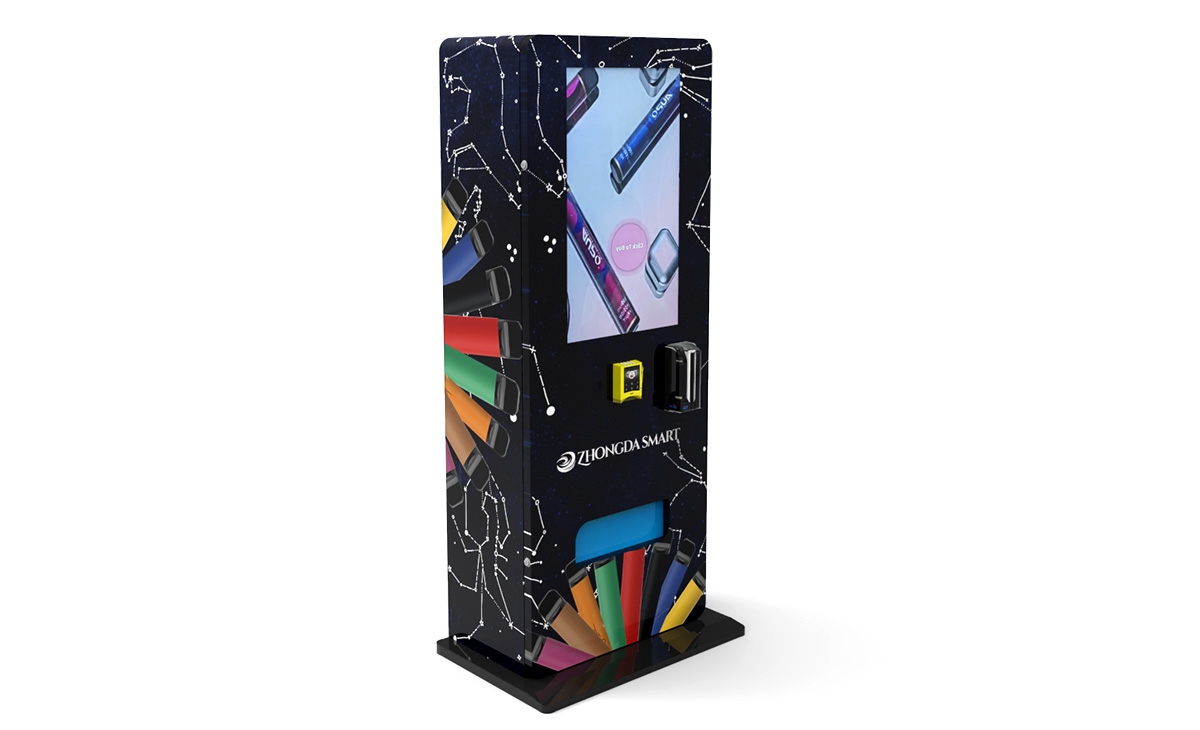
Locations that typically do not justify a card reader include very low-traffic rural sites, cash-only factories, and seasonal locations with less than 50 daily visitors.
How to Evaluate if a Machine Is Worth Investing In
Before you buy any machine, run a simple calculation. Estimate daily foot traffic, average transaction value, and expected conversion rate. For example:
- Location foot traffic: 300 people per day
- Expected conversion rate (cashless): 8% (24 transactions per day)
- Average transaction: $2.00
- Daily revenue: $48
- Monthly revenue (22 days): $1,056
- Gross margin (40%): $422
- Monthly costs (restocking, fees, data): $250
- Net monthly profit: $172
- Machine cost (with reader): $4,500
- Payback period: 26 months
If the payback period exceeds 24 months, I usually pass on the location unless there is clear growth potential. A card reader can shorten the payback period by increasing conversion and average spend, but it will not turn a bad location into a good one.
Data Sources and Industry Context
To ground this discussion in real numbers, consider the following sources. According to the European Central Bank, cash usage in the euro area declined from 79% in 2016 to 59% in 2022. In the United States, the Federal Reserve reported that cash accounted for only 18% of in-person payments in 2022. A 2023 report by Statista estimated that the global vending machine market will grow at a CAGR of 7.5% through 2030, driven largely by cashless payment adoption. These trends align with what I have observed on the ground.
FAQ: Card Reader for Vending Machine
Does a card reader increase vending machine sales?
In most cases, yes. Based on my experience and industry data, adding a card reader typically increases sales by 25% to 40% in locations where customers do not regularly carry cash. The increase comes from both more transactions and higher average spend.
How much does a card reader for vending machine cost?
A retrofit card reader costs between $200 and $600, plus installation. Integrated readers built into new machines add $200 to $500 to the machine price. Monthly data and transaction fees add another $40 to $115 per month.
How long does it take to recoup the cost of a card reader?
In a medium-traffic location, payback is typically 3 to 6 months. In low-traffic locations, it can take 12 months or longer. In high-traffic locations like universities or transit hubs, payback can be as short as 6 weeks.
Can I install a card reader on an old vending machine?
Yes, most modern card readers are designed as retrofit kits that connect to the machine’s MDB or DEX port. However, very old machines (pre-2000) may lack the necessary interface and may require a full control board upgrade.
What payment methods do vending machine card readers accept?
Most readers accept EMV chip cards, contactless cards, Apple Pay, Google Pay, and Samsung Pay. Some also accept NFC wearables and QR code payments depending on the region.
Do I need a special contract with a payment processor?
Yes. You need a merchant account or a payment processing agreement with a provider that supports vending machines. Some popular providers include Nayax, Cantaloupe, and Worldline. The processor will charge a per-transaction fee and may require a monthly minimum.
What happens if the card reader fails during a transaction?
Most readers have an offline mode that stores transaction data and processes it once connectivity is restored. However, not all models support this. If the reader fails completely, the machine may still accept cash if it has a bill acceptor and coin mechanism.
Are card readers worth it for low-traffic locations?
Generally, no. If your location has fewer than 50 daily visitors and most of them carry cash, the upfront and ongoing costs may not be justified. Evaluate each location individually before investing.
How do I choose a reliable card reader supplier?
Look for suppliers with EMV certification, good customer support, and compatibility with your vending management software. Manufacturers like Zhongda Smart offer integrated solutions that reduce compatibility issues. Always check reviews and ask for references from other operators.
Can I use a card reader to track inventory and sales?
Yes, if the reader supports telemetry. Many modern readers include remote monitoring features that let you view sales data, inventory levels, and machine health from a dashboard. This is one of the most valuable features for reducing labor costs and optimizing restocking.
Final Thoughts from the Field
I have seen operators make a lot of money with card readers, and I have seen others lose money because they installed them in the wrong places or chose cheap equipment. The decision is not about whether card readers are good or bad—it is about matching the technology to the location, the customer base, and your own operational capacity. A card reader for vending machine is a tool, not a magic solution. Used correctly, it can increase revenue, reduce theft, and improve customer satisfaction. Used carelessly, it becomes another maintenance headache.
If you are new to this business, start with one or two machines in high-traffic locations, install quality readers, and track your data obsessively. Learn from your mistakes before scaling. The vending industry is forgiving to those who pay attention to details, and unforgiving to those who rush.
本文更新于2025年4月。文章中的数据基于个人运营经验和公开来源,包括欧洲中央银行、美联储和Statista。实际结果可能因地点、产品组合、定价和运营效率而异。本文不构成财务建议。在做出投资决策前,请咨询当地专业人士。