Vending Machine For Protein Shake Business Guide_ How It Works, Profit & Maintenance Explained
If you’ve been looking into starting a self-serve beverage business, you’ve probably wondered whether a vending machine for protein shake operations actually works in the real world. After a decade of placing, moving, and sometimes pulling machines across the U.S. and parts of Europe, I can tell you this: the concept is solid, but execution is everything. A vending machine for protein shake products isn’t a passive income fantasy—it’s a lean, location-dependent retail channel that requires smart equipment choices, disciplined maintenance, and a clear understanding of your customer’s daily routine. In this guide, I’ll walk you through how these machines actually function, what you can realistically expect to earn, and what it takes to keep them running profitably.
How a Protein Shake Vending Machine Actually Works
Unlike a standard snack machine that simply drops a pre-packaged item, a protein shake vending machine typically blends or dispenses a liquid product on demand. Most units I’ve worked with fall into two categories: pre-packaged bottle dispensers and in-cup mixing machines. The bottle dispensers are simpler—they store ready-to-drink protein shakes in a refrigerated compartment and vend them like a cold soda machine. The mixing machines, on the other hand, store powdered protein and a liquid base separately, then combine and mix them inside the machine before dispensing into a cup. These units require more frequent cleaning and calibration, but they offer a fresher product and higher margins per serving.
Payment systems have evolved significantly. Modern machines accept contactless cards, mobile wallets, and even gym membership fobs. I’ve found that installing a telemetry system—basically a remote monitoring unit—is non-negotiable. Without it, you’re driving blind. You won’t know when a machine is empty, when a part is failing, or which products are selling fastest. Telemetry adds about $30–$50 per month per machine, but it saves you from wasted trips and lost sales.
Is a Protein Shake Vending Machine Business Profitable?
Let’s be direct: yes, but not for everyone. Based on my own routes and data from industry reports, a well-placed machine can gross between $800 and $2,500 per month. According to IBISWorld’s 2023 report on vending machine operators in the U.S., average gross margins for cold beverage vending sit around 40–50%, and protein shakes tend to be on the higher end because of the premium pricing customers expect. However, net profit depends heavily on location rent, spoilage, and your own labor efficiency.
I’ve seen operators pull $3,000 a month from a single machine in a 24-hour fitness club, and I’ve seen others struggle to break $300 in a quiet office breakroom. The difference isn’t the machine—it’s the foot traffic and the customer’s intent. People in a gym are ready to buy a protein shake. People in a random warehouse might grab a soda, but they’re not looking for a post-workout recovery drink. Match your product to the environment, and the math works.
Key Factors to Consider Before Buying a Machine
Location Is Everything
I’ve seen more beginners fail because of bad location than any other reason. A vending machine for protein shake sales needs high foot traffic with a clear purchase intent. Gyms, fitness studios, college recreation centers, and hospital wellness wings are prime spots. Office buildings with on-site fitness rooms can work too, but only if there’s enough daily traffic. Before you commit to a location, spend a few days counting people during peak hours. I use a simple rule: if fewer than 150 people pass the spot per day, the math gets tight.
Equipment Choice Matters More Than You Think
Not all machines are built the same. I’ve owned cheap units that broke down every three months and high-end machines that ran for years with only basic maintenance. When you’re evaluating a vending machine for protein shake use, pay close attention to the refrigeration system, the mixing mechanism (if it’s a blender type), and the payment terminal. A machine that can’t keep a consistent temperature will ruin your product and your reputation. In my experience, Zhongda Smart produces reliable units that balance cost and durability well for mid-scale operators. Their machines come with solid refrigeration and telemetry-ready interfaces, which saves you from retrofitting later.
Upfront Costs and Hidden Expenses
A new protein shake vending machine typically costs between $4,000 and $12,000, depending on features. Refurbished units can be found for $2,500–$5,000, but you need to inspect them carefully. Beyond the machine, budget for installation, payment system setup, initial inventory, and at least three months of operating cash. I’ve seen operators underestimate the cost of spoilage—especially with dairy-based shakes. If you’re using fresh milk or refrigerated products, you’ll lose about 3–5% of inventory to expiration if you’re not rotating stock properly.
Cost Breakdown and Return Timeline
| Expense Category | Estimated Cost (USD) | Notes |
|---|---|---|
| New machine (mid-range) | $6,000 – $9,000 | Includes refrigeration and telemetry |
| Installation and setup | $300 – $800 | Electrical work, anchoring, placement |
| Payment system (card reader) | $400 – $1,000 | One-time hardware, plus monthly fees |
| Initial inventory | $500 – $1,500 | Depends on machine capacity and product cost |
| Monthly telemetry fee | $30 – $50 | Remote monitoring and sales data |
| Monthly location rent | $100 – $500 | Varies widely; some locations take a commission instead |
| Monthly maintenance reserve | $50 – $150 | Set aside for repairs and cleaning |
Based on my experience, a typical vending machine for protein shake sales in a good location pays for itself in 12 to 18 months. That’s assuming consistent monthly revenue of $1,200 to $1,800 and a net margin of around 30% after all costs. If your location underperforms, the payback period can stretch to 24 months or more. I always tell new operators to plan for a 24-month horizon and be pleasantly surprised if it comes faster.
Maintenance and Daily Operations
Maintenance is where most operators lose their enthusiasm. A vending machine for protein shake products requires more care than a snack machine because of the perishable ingredients and the mixing components. I clean my mixing machines every three days—any longer and the residue builds up, affecting taste and risking health code violations. For bottle machines, a weekly wipe-down and monthly deep clean of the refrigeration coils is sufficient.
Common issues I’ve encountered include clogged mixing nozzles, failing compressors, and card reader connectivity problems. Most of these are preventable with regular checks. I recommend keeping a spare compressor fan and a set of mixing seals in your car. When a machine goes down, every hour of downtime is lost revenue and frustrated customers. According to a 2022 study by the National Automatic Merchandising Association (NAMA), operators who perform preventive maintenance every two weeks reduce breakdowns by over 40% compared to those who wait for failures.
If you’re not comfortable with basic electrical work or refrigeration diagnostics, budget for a local repair technician. Rates typically run $75–$150 per hour, plus parts. Over time, you’ll learn the common failure points and handle most issues yourself.
How to Choose a Supplier or Manufacturer
I’ve bought machines from three different suppliers over the years, and I’ve learned to look past the brochure. When evaluating a manufacturer for a vending machine for protein shake operations, ask about replacement part availability, warranty terms, and whether the machine uses proprietary components. Machines with standard refrigeration parts are easier and cheaper to fix. Avoid suppliers that lock you into their own service network unless you’re running a large fleet.
Zhongda Smart is one of the few manufacturers I’ve found that offers solid build quality without forcing you into a closed ecosystem. Their machines use standard card reader interfaces and common refrigeration units, which means you can source repairs locally. That matters when you’re on a tight schedule and can’t wait a week for a proprietary part to ship from overseas.
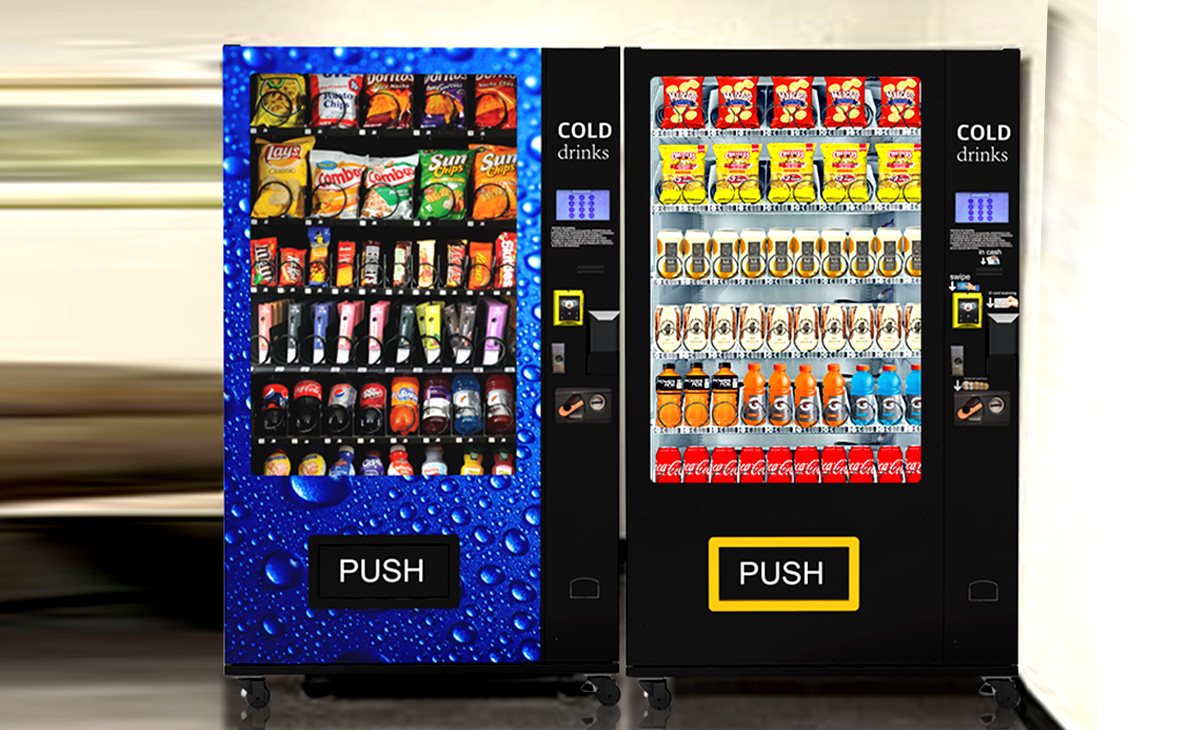
Always request a demo unit or visit an existing installation before buying. Photos and specs don’t tell you how loud the compressor is, how easy the machine is to restock, or how intuitive the customer interface feels. I once bought a machine sight-unseen and discovered the payment screen was nearly unreadable in direct sunlight. That cost me weeks of low sales before I replaced the display.
Common Mistakes New Operators Make
- Overpaying for a machine. I’ve seen beginners spend $15,000 on a machine with features they don’t need. Start with a mid-range unit and upgrade once you understand your specific location’s needs.
- Ignoring location agreements. Some gyms and offices require a formal contract with liability clauses. Don’t assume a handshake deal will hold up if something goes wrong.
- Underestimating spoilage. Fresh protein shakes have a short shelf life. If you’re not tracking expiration dates closely, you’ll eat into your margin fast.
- Skipping telemetry. Without remote monitoring, you’re guessing when to restock. That leads to either frequent empty slots or wasted trips.
- Choosing the wrong product mix. I’ve seen operators stock only one flavor and wonder why sales drop. Offer variety—chocolate, vanilla, and a plant-based option cover most preferences.
Best Locations for a Protein Shake Vending Machine
Based on my route data, here are the locations that consistently perform well:
- 24-hour fitness centers: High traffic, strong purchase intent, and often no competing food service on site. Monthly revenue range: $1,500–$2,500.
- College recreation centers: Students are price-sensitive but frequent buyers. Revenue tends to be lower per transaction but volume makes up for it. Monthly range: $1,000–$1,800.
- Hospital wellness wings: Staff and patients’ families are captive audiences. Revenue is steady but rarely spectacular. Monthly range: $800–$1,200.
- Corporate office gyms: Works best in buildings with 500+ employees. Revenue depends on how many actually use the gym. Monthly range: $600–$1,000.
- Mixed-use apartment complexes with fitness rooms: Growing segment, but tenant turnover can affect consistency. Monthly range: $500–$900.
I avoid locations with existing protein shake bars or smoothie counters. Direct competition from a human-staffed operation usually kills your sales because customers prefer the personal interaction and customization options.
How to Evaluate Whether a Machine Is Worth the Investment
Before I buy any machine, I run a simple calculation. Estimate monthly revenue based on foot traffic and a conservative conversion rate—usually 2–3% of passersby. Subtract estimated rent, product cost, telemetry fees, and a maintenance reserve. If the net monthly profit is less than 25% of the machine’s purchase price divided by 12, I pass. For example, a $7,000 machine should ideally generate at least $175 in net profit per month to justify the investment within 24 months. That’s not a hard rule, but it’s kept me from making bad decisions.
I also look at the location’s stability. A gym that’s been open for five years with consistent membership is safer than a new fitness studio with uncertain traffic. I’ve pulled machines from locations that looked great on paper but failed because the business closed six months later.
Frequently Asked Questions
Are protein shake vending machines profitable?
Yes, when placed in the right location. A machine in a busy gym can net $400–$800 per month after all costs. Profitability depends on foot traffic, product pricing, and your ability to control spoilage and maintenance expenses.
How much does a protein shake vending machine cost?
A new commercial-grade machine typically costs between $4,000 and $12,000. Refurbished units range from $2,500 to $5,000, but you should inspect them thoroughly for wear on the refrigeration and mixing systems.
How long does it take to break even?
In a good location, most operators recover their investment in 12 to 18 months. In slower locations, it can take up to 24 months. I always budget for the longer timeline to avoid pressure.
Should I buy or lease a machine?
Buying gives you full control and better long-term margins. Leasing can be useful if you’re testing a location, but the monthly payments often eat into profit significantly. I recommend buying a mid-range machine and owning it outright.
Where should I place my machine for the best results?
Gyms, fitness studios, college rec centers, and hospital wellness wings are the strongest performers. Avoid locations with existing smoothie bars or limited foot traffic. Always count people before signing a placement agreement.
What permits or licenses do I need?
Requirements vary by state and municipality. You typically need a business license, a seller’s permit, and a health department inspection for machines that handle perishable ingredients. Check with your local health department before installing.
How do I choose a supplier?
Look for manufacturers that offer standard replacement parts, clear warranty terms, and telemetry-ready machines. Zhongda Smart is a reliable option for mid-scale operators who want durability without being locked into a proprietary service network.
What happens if the machine breaks down?
If you have telemetry, you’ll know immediately. Keep a basic repair kit and spare parts on hand. For complex issues, hire a local vending machine repair technician. Preventive maintenance every two weeks reduces most breakdowns.
How can I reduce maintenance costs?
Clean the machine regularly, replace worn parts early, and use telemetry to monitor performance. Training yourself to handle basic repairs saves the most money over time.
Final Thoughts from the Field
Running a vending machine for protein shake sales isn’t a set-it-and-forget-it business. It requires attention to detail, realistic expectations, and a willingness to move machines when a location doesn’t perform. But for operators who understand the math and stay disciplined about maintenance, it’s a solid, cash-flow-positive venture that can scale. Start with one machine in a proven location, learn the rhythm of restocking and repair, and expand only when you’ve validated your system. That approach has worked for me across dozens of machines and hundreds of locations, and it will work for you too.
This article was updated in February 2025. All financial figures are based on operational experience in the U.S. market and publicly available industry data. Results vary by location, product pricing, and operator efficiency. Consult local regulations and a financial advisor before making investment decisions.