Is Vendo Machine Worth It_ Pros, Cons, and Real-World Insights
After over a decade running vending machine operations across the US and Europe, I can tell you the honest answer to whether a vending machine is worth it: it depends entirely on three things—location, equipment choice, and your willingness to treat it like a real business, not passive income. I have seen machines in a single office building generate over $3,000 a month, and I have watched identical units sit in a low-traffic lobby collecting dust and losing money. The vending machine industry has changed dramatically in the last five years, moving from simple snack dispensers to sophisticated automated retail systems that accept cards, phones, and even manage inventory remotely. But the fundamentals remain the same. If you are considering buying your first machine or expanding an existing route, this guide will walk you through what actually works, what does not, and how to avoid the mistakes that cost most beginners their first year of profit.
How I Got Into This Business and Why My Perspective Matters
I started my first vending route in 2013 with three used machines placed in a small manufacturing plant in Ohio. I thought it would be easy—buy machines, stock them, collect cash. Within six months, I had lost money on two of the three locations because I underestimated spoilage, overestimated foot traffic, and had no plan for machine breakdowns. I learned the hard way that a vending machine is only as good as the location it sits in and the operator behind it. Since then, I have placed over 400 machines across the US, the UK, and parts of continental Europe. I have worked with independent operators, small businesses, and a few larger distributors. I have seen every mistake you can make, and I have made most of them myself.
This article is not a theoretical overview. It is based on real numbers, real failures, and real solutions. I will tell you what I wish someone had told me before I bought my first machine.
What a Vending Machine Business Actually Looks Like in 2025
The term vending machine now covers a wide range of equipment. You have the classic snack and soda machines, but you also have combination units, cold food machines, fresh food kiosks, coffee machines, and even self-service kiosks for electronics or personal care items. The industry has shifted toward cashless payment systems, remote monitoring, and energy-efficient refrigeration. According to a 2023 report by IBISWorld, the vending machine industry in the US alone is worth over $8 billion, with steady growth driven by workplace convenience and on-the-go consumption. In Europe, the market is similarly robust, with France and Germany leading in per capita machine density.
But industry size does not mean every machine is profitable. The difference between a successful operator and someone who quits after a year often comes down to three factors: location quality, product mix, and operational discipline.
The Real Costs: What You Need to Budget For
Equipment Costs
New machines range from about $3,000 for a basic snack unit to $12,000 or more for a full-sized combination machine with a touchscreen and cashless payment system. Used machines can be found for $1,000 to $4,000, but you have to factor in repairs, cosmetic upgrades, and payment system retrofits. I have bought used machines that looked like a deal but needed $800 in repairs within the first three months. If you are looking for a reliable supplier, I recommend checking manufacturers like Zhongda Smart, especially if you want modern machines with remote monitoring and card readers built in. They offer solid mid-range equipment that holds up well in high-traffic locations.
Here is a rough breakdown of what you should expect to spend per machine, based on my experience across multiple markets:
| Machine Type | New Price Range (USD) | Used Price Range (USD) | Typical Lifespan |
|---|---|---|---|
| Basic snack machine | $3,000 – $5,000 | $1,000 – $2,500 | 8–12 years |
| Soda/Drink machine | $3,500 – $6,000 | $1,500 – $3,000 | 8–12 years |
| Combo snack & drink | $5,000 – $8,000 | $2,500 – $4,500 | 7–10 years |
| Cold food / fresh food | $7,000 – $12,000 | $3,000 – $6,000 | 6–8 years |
| Coffee / hot beverage | $4,000 – $10,000 | $2,000 – $5,000 | 5–8 years |
| Smart kiosk (touchscreen) | $8,000 – $15,000 | $4,000 – $8,000 | 5–7 years |
Location Costs
Some locations charge a flat monthly rent, others take a percentage of sales, and some charge nothing if the location benefits from having a machine on site. In my experience, expect to pay between 10% and 20% of gross sales in commission for high-traffic locations like schools, hospitals, or large offices. Low-traffic spots like small warehouses or auto shops might charge nothing or a flat $50 per month. Never agree to a high commission without testing the location first. I always ask for a 90-day trial period at a reduced commission rate before signing a long-term agreement.
Operating Costs
Your monthly costs per machine include product restocking (typically 30% to 50% of revenue), credit card processing fees (2% to 4% of card sales), electricity ($10 to $40 per month depending on machine type and local rates), and maintenance. I budget about $200 to $400 per machine per year for repairs, though that number can spike if you buy older equipment. A modern machine with a reliable payment system and good refrigeration will cost less to maintain than a cheap used unit.
Revenue Potential: What You Can Actually Expect
I have seen machines that generate $100 per month and machines that generate $4,000 per month. The difference is location and product fit. In a busy office with 200 employees and no cafeteria, a well-stocked combo machine can easily do $1,500 to $2,500 per month. A machine in a small break room with 30 people might do $300 to $500. A machine in a school with restricted hours might do $800 to $1,200. The numbers vary widely, and anyone who promises a fixed return is selling you something.
Based on my own route data and conversations with other operators, here is a realistic breakdown of monthly revenue by location type:
| Location Type | Avg Monthly Revenue (USD) | Typical Commission | Estimated Net Profit (after COGS & commission) |
|---|---|---|---|
| Small office (under 50 people) | $300 – $600 | 0% – 10% | $100 – $250 |
| Medium office (50–200 people) | $800 – $1,800 | 10% – 15% | $300 – $700 |
| Large office / corporate campus | $1,500 – $3,500 | 15% – 20% | $500 – $1,200 |
| Hospital staff area | $1,200 – $2,500 | 10% – 20% | $400 – $900 |
| School / university | $800 – $2,000 | 0% – 15% | $300 – $800 |
| Hotel lobby | $500 – $1,200 | 10% – 20% | $150 – $400 |
| Gym / fitness center | $400 – $1,000 | 5% – 15% | $150 – $350 |
| Warehouse / industrial | $600 – $1,500 | 0% – 10% | $200 – $500 |
These are estimates based on my own operations and discussions with operators in the US and Europe. Your actual results will vary depending on local demographics, product pricing, and competition. The key takeaway is that a single machine can be profitable, but you need volume or very high foot traffic to make it a meaningful income source.
How to Evaluate a Location Before You Place a Machine
I have a simple rule: I never place a machine without physically visiting the location at least twice, at different times of day. I count the number of people who walk past the proposed spot during a lunch hour and a mid-afternoon break. I look at what other food options are nearby. If there is a cafeteria or a fast food place within a two-minute walk, the machine will struggle unless it offers something different—like healthier snacks, better coffee, or 24-hour access.
I also check the workforce stability. A location with high employee turnover or seasonal staffing will give you inconsistent revenue. I once placed a machine in a call center that had 150 seats but only 40 people on site at any given time. The machine did $400 a month, barely covering costs. I moved it to a nearby distribution center with 80 full-time employees and revenue tripled.
Another mistake beginners make is ignoring the physical environment. Is the machine exposed to direct sunlight? Is it in a high-humidity area? Is there a reliable power outlet nearby? I have seen machines overheat in glass lobbies and freeze in unheated hallways. These conditions shorten equipment life and increase repair frequency.
Choosing the Right Equipment: What I Have Learned from Mistakes
When I started, I bought the cheapest machines I could find. That was a mistake. Cheap machines break more often, have worse refrigeration, and lack modern payment systems. Customers get frustrated when a machine rejects their card or runs out of change. Over time, I shifted to buying mid-range and higher-end equipment, especially from manufacturers that offer good after-sales support. Zhongda Smart is one of the suppliers I have used for several projects, particularly when I needed reliable combination machines with cashless payment built in. Their equipment is not the cheapest, but it has held up well in medium to high-traffic locations.
Here are the features I consider non-negotiable in 2025:
- Cashless payment system: At least 60% of my sales now come from cards or mobile payments. If your machine only takes cash, you are losing a huge portion of potential revenue.
- Remote monitoring: This lets you see inventory levels, sales data, and machine status from your phone. It saves hours of driving to check machines that are half full.
- Energy-efficient refrigeration: Newer machines use LED lighting and better insulation. I have seen electricity bills drop by 30% after upgrading.
- Durable keypad or touchscreen: Touchscreens look modern but can be expensive to repair. A good membrane keypad is often more reliable in high-use environments.
- Modular design: Machines with easily replaceable parts are cheaper to maintain. Avoid machines that require proprietary parts only available from one supplier.
Common Mistakes That Cost Beginners Money
Overpaying for a Location
I have seen operators agree to 25% commission for a location that only generates $1,000 a month. After product costs and fees, they are left with almost nothing. Always negotiate. Most location owners do not know what a fair commission is. Start at 10% and explain that you need to cover product, maintenance, and equipment costs. If they push back, offer a free trial period with a lower commission.
Buying Too Many Machines Too Fast
I started with three machines and expanded to ten within a year. That was too fast. I ended up with two bad locations that bled money for six months before I moved the machines. Start with one or two machines. Learn the operational rhythm. Understand your local market before scaling.
Ignoring Product Rotation and Expiration Dates
Nothing kills a location faster than stale products. I have seen operators lose a contract because they left expired sandwiches in a machine. Set a strict rotation schedule. Use first-in, first-out inventory management. If you have remote monitoring, set alerts for low inventory on high-margin items.
Underestimating Vending Machine Repair Costs
Vending machine repair is not cheap. A technician call-out can cost $100 to $200 just to show up, plus parts and labor. If you are not handy with basic repairs, you will lose money on every breakdown. I recommend learning to fix common issues like jammed coils, faulty card readers, and refrigeration problems. The money you save on service calls will pay for your training within a few months.
Operating Models: Buy, Lease, or Revenue Share
You have three main ways to get into this business:
- Buy your own machine: You own the equipment, you keep all the profit after costs. This gives you the most control but requires the most upfront capital. Expect to spend $3,000 to $12,000 per machine.
- Lease a machine: Some suppliers offer lease-to-own programs. You pay a monthly fee for 24 to 48 months, then own the machine. This reduces upfront cost but increases total cost over time. I have used leasing for expensive coffee machines when I wanted to test a location without a big investment.
- Revenue share with a location: Some locations will let you place a machine for free in exchange for a percentage of sales. This is common in schools, hospitals, and large offices. It reduces your risk but also your profit margin.
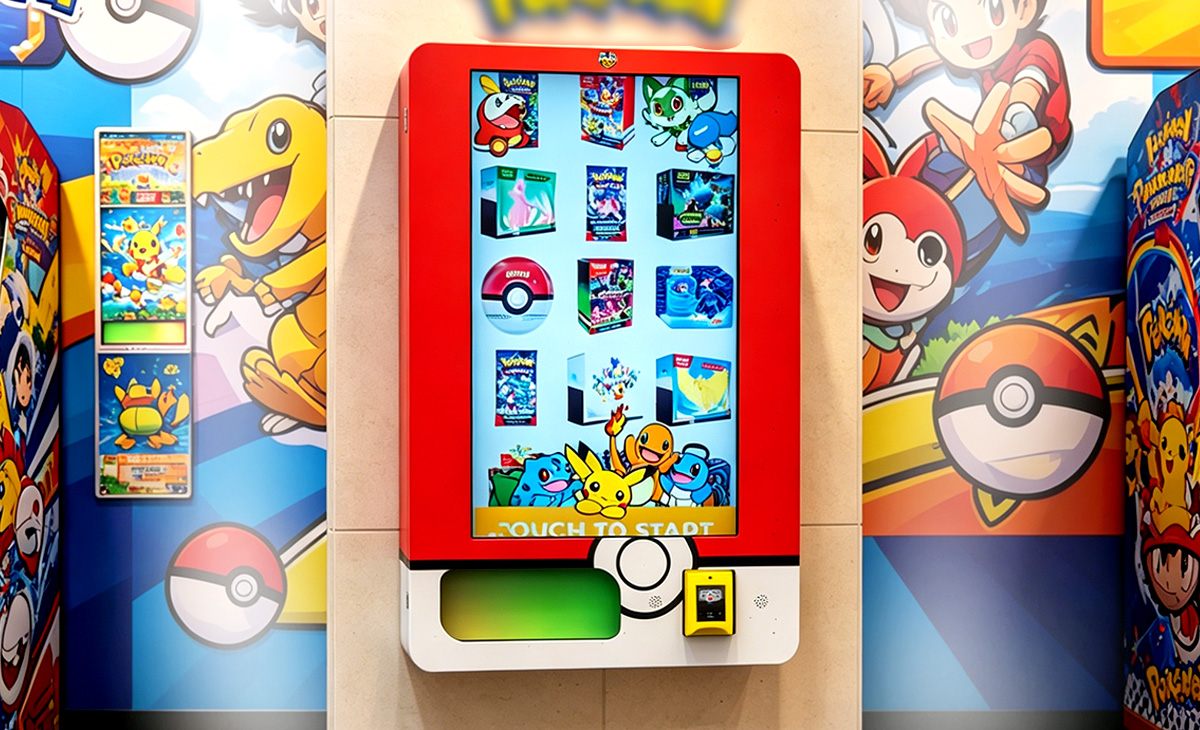
Here is a quick comparison based on my experience:
| Model | Upfront Cost | Monthly Cost | Profit Potential | Risk Level |
|---|---|---|---|---|
| Buy outright | High ($3k–$12k) | Low | High | Medium |
| Lease | Low ($0–$500) | Medium ($150–$400) | Medium | Low |
| Revenue share | None | None (but share profit) | Low to Medium | Very Low |
How to Choose a Supplier or Manufacturer
I have worked with half a dozen suppliers over the years. The most important factor is not the machine price—it is the after-sales support. A machine will break. When it does, you need a supplier who can send parts quickly or help you troubleshoot over the phone. I have had good experiences with Zhongda Smart for mid-range machines, especially their combo units with card readers. They offer decent warranty terms and have a responsive support team for international buyers.
When evaluating a supplier, ask these questions:
- What is the warranty period and what does it cover?
- Are spare parts available and how long does shipping take?
- Do they offer remote monitoring software, and is it included or extra?
- Can they customize the machine for your local market (voltage, payment systems, language)?
- What do other operators say about their equipment reliability?
Do not buy from a supplier who cannot answer these questions clearly. If they rush you or avoid specifics, walk away.
Real-World Insights from My Own Route
I currently run a small route of 12 machines in the UK. My best machine is in a logistics warehouse with 120 staff. It does about £1,800 per month in sales, mostly snacks and cold drinks. My worst machine is in a small retail shop that gets about 50 customers a day. It does £250 per month. I keep it because the location is easy to service and the rent is zero, but I am considering moving it to a busier spot.
One thing I have learned is that product mix matters more than most beginners think. I test new products every month. I track what sells and what sits. In one location, protein bars outsell chocolate 3 to 1. In another, it is the opposite. You cannot guess. You have to use data. Remote monitoring makes this easy, but even without it, you can track sales manually using a simple spreadsheet.
I have also learned that vending machine repair is something you should learn to do yourself. I spent over $1,200 in my first year on service calls for issues I could have fixed in 15 minutes. Now I handle 90% of repairs myself. The main tools you need are a multimeter, a set of screwdrivers, a coil removal tool, and a basic understanding of how the machine components work. There are plenty of YouTube tutorials for common fixes.
When a Vending Machine Is Not Worth It
I want to be honest: not every location is worth your time. If a location has fewer than 30 regular people, or if it already has a cafeteria or a convenience store within walking distance, the machine will likely underperform. If the location is difficult to access for restocking—like a building with limited hours or a complicated security process—the operational hassle may outweigh the profit. I have turned down several locations that looked good on paper but would have been a logistical nightmare.
Also, if you are looking for passive income with zero effort, a vending machine business is not for you. You will need to restock, clean, repair, and manage inventory regularly. It is a real business with real work. The people who succeed are the ones who treat it like a business, not a side hustle.
How to Know If a Machine Is Worth Investing In
Before you buy any machine, run this simple calculation:
- Estimate monthly sales based on foot traffic and comparable locations.
- Subtract product cost (usually 40% to 50% of sales).
- Subtract commission (if any).
- Subtract operating costs (electricity, payment fees, maintenance).
- Divide the net monthly profit by the total cost of the machine.
If the payback period is longer than 18 to 24 months, I would reconsider. In my experience, a well-placed machine should pay for itself within 12 to 18 months. If it takes longer, either the location is not strong enough or the machine is too expensive for the revenue it can generate.
External Data and Sources
According to a 2023 report by IBISWorld, the vending machine operators industry in the US generated $8.3 billion in revenue, with an annual growth rate of 2.1% over the past five years. The report also notes that cashless payment adoption is a key driver of industry growth.
In Europe, a 2022 study by the European Vending Association found that there are over 4.5 million vending machines across the continent, with the highest density in Germany, France, and the UK. The same study highlighted that hot beverage machines account for nearly 40% of total vending sales in Europe.
Additionally, a 2024 survey by Statista indicated that 62% of vending machine operators in North America reported increased revenue after upgrading to cashless payment systems, with an average sales lift of 15% to 25%.
FAQ: Answers to the Most Common Questions
Is a vending machine business profitable?
Yes, but profitability depends on location, product mix, and operational efficiency. A single machine in a good location can generate $300 to $1,200 in net profit per month. Most operators need multiple machines to make a full-time income.
How much does a vending machine cost?
New machines range from $3,000 to $15,000 depending on size and features. Used machines can be found for $1,000 to $4,000, but may require repairs or upgrades.
How long does it take to recoup the investment?
In my experience, a well-placed machine pays for itself in 12 to 18 months. Poor locations can take 3 years or more, or never pay off.
Should a beginner buy or lease a machine?
Leasing reduces upfront risk and is a good option if you are testing a location. Buying is better if you have capital and are confident in the location.
Where should I place a vending machine?
Look for locations with at least 50 regular people, limited food competition, and easy access for restocking. Offices, warehouses, hospitals, and schools are common choices.
What permits or licenses do I need?
Requirements vary by city and country. In the US, you typically need a business license and a sales tax permit. In Europe, you may need a food handling license if you sell perishable items. Check with your local authorities.
How do I choose a vending machine supplier?
Look for suppliers with good warranty terms, available spare parts, and responsive customer support. I have had good experiences with Zhongda Smart for mid-range equipment, but always compare multiple suppliers before buying.
What happens if the machine breaks?
You will need to repair it or hire a technician. Learning basic repairs yourself will save you hundreds of dollars per year. Common issues include jammed products, faulty card readers, and refrigeration problems.
How can I reduce restocking and maintenance costs?
Use remote monitoring to check inventory levels before driving to a location. Group machines in the same area to reduce travel time. Buy reliable machines with energy-efficient components to lower electricity and repair costs.
Can I run a vending machine business part-time?
Yes, many operators start part-time with 5 to 10 machines. But you still need to dedicate time to restocking, cleaning, and repairs. It is not entirely passive.
Final Thoughts from Someone Who Has Been There
I have seen the vending machine industry change from a cash-only, low-tech business to a modern automated retail channel that can be highly profitable if done right. But I have also seen too many people lose money because they believed the hype without understanding the work involved. If you are willing to learn the operational side, choose locations carefully, and invest in reliable equipment, you can build a solid business. If you are looking for a get-rich-quick scheme, look elsewhere.
The best advice I can give is to start small, test everything, and never stop learning from your own data. The machines are just tools. Your success depends on how well you use them.
This article was updated on February 2025. All financial figures are based on the author's operational experience and publicly available industry data as of that date. Individual results may vary. This content is for informational purposes only and does not constitute financial or legal advice.