Is Vending Machines In San Antonio Worth It_ Pros, Cons, and Real-World Insights
If you are asking whether vending machines in San Antonio are worth the investment, the short answer is yes—but only if you approach it with the right strategy. Over the past decade, I have placed machines in strip malls near the Pearl District, inside industrial warehouses on the South Side, and even in medical offices near the Medical Center. The outcomes varied wildly based on location, equipment choice, and how well I understood the local customer base. In this article, I will break down the real costs, the common mistakes, and the actual profit potential of running vending machines in San Antonio, drawing from both my own experience and publicly available data. Whether you are a first-time buyer or a seasoned operator looking to expand into a new market, this guide will give you the practical insights you need to make a sound decision.
Why San Antonio? A Market Worth Understanding
San Antonio is not Austin or Dallas. The city has its own economic rhythm, driven heavily by tourism, healthcare, military bases, and a growing logistics sector. According to a 2023 report from IBISWorld, the vending machine industry in Texas has grown at an annual rate of about 2.4% over the past five years, with the state now hosting over 12,000 vending operators. San Antonio specifically benefits from a high volume of foot traffic in areas like the River Walk, Lackland Air Force Base, and the South Texas Medical Center. These locations offer steady, predictable traffic, which is the single most important factor for a profitable machine.
However, not every busy street translates into a good vending location. I once placed a machine near a popular tourist spot on the River Walk, assuming high foot traffic would guarantee sales. What I learned was that tourists rarely carry cash, and the machine lacked a modern card reader. The location was busy, but the sales were mediocre. That experience taught me that understanding the local demographic is just as important as understanding the machine itself.
The Real Cost of a Vending Machine Operation in San Antonio
Initial Investment: What You Actually Need to Spend
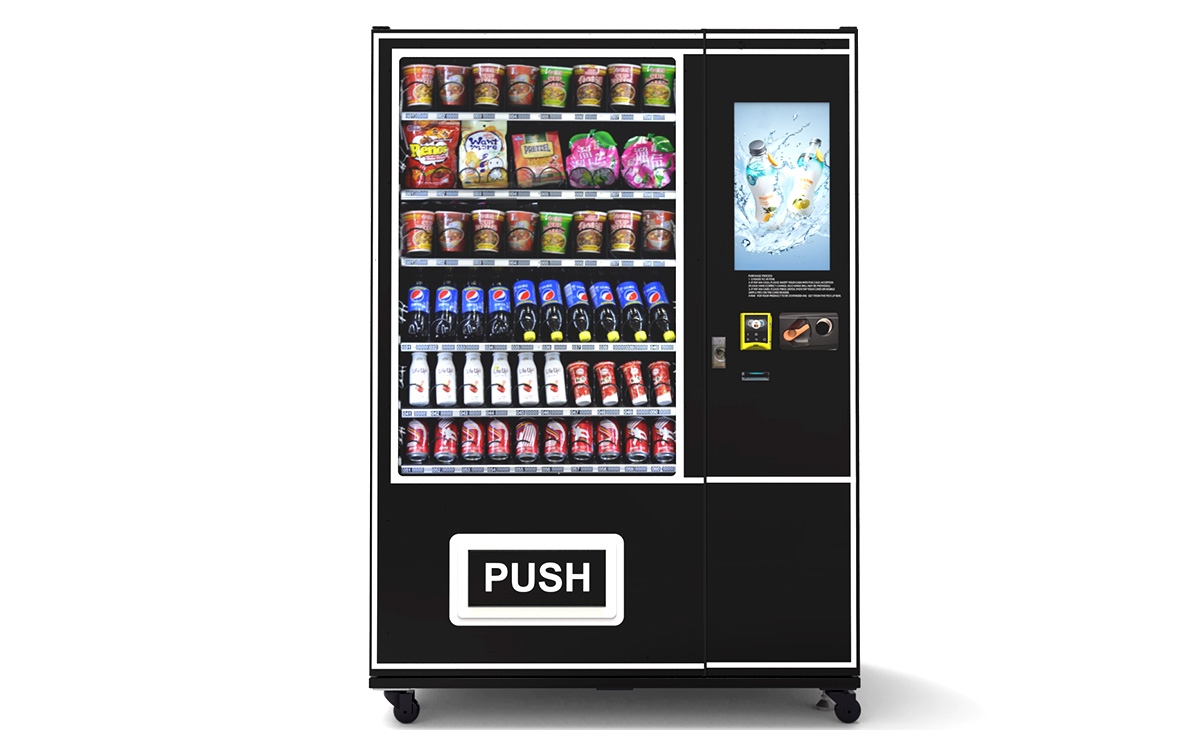
Let’s talk numbers. A brand new, mid-range vending machine from a reputable supplier like Zhongda Smart will cost you between $3,500 and $6,000 for a basic model. If you want a machine with a touchscreen, cashless payment system, and remote telemetry, expect to pay between $7,000 and $12,000. I have seen beginners buy used machines for under $1,500 on Craigslist, only to spend twice that amount on repairs within the first year. In my experience, buying a new machine from a known manufacturer saves you money in the long run, especially if you are not comfortable with electrical or refrigeration repairs.
Beyond the machine itself, you need to budget for installation, inventory, and permits. In San Antonio, the city requires a Mobile Food Unit permit if you are selling perishable items, which costs around $200 per year. You also need a sales tax permit from the Texas Comptroller. Initial inventory for a full machine will run you between $300 and $600, depending on whether you stock snacks, drinks, or both.
Operating Costs: The Numbers That Matter
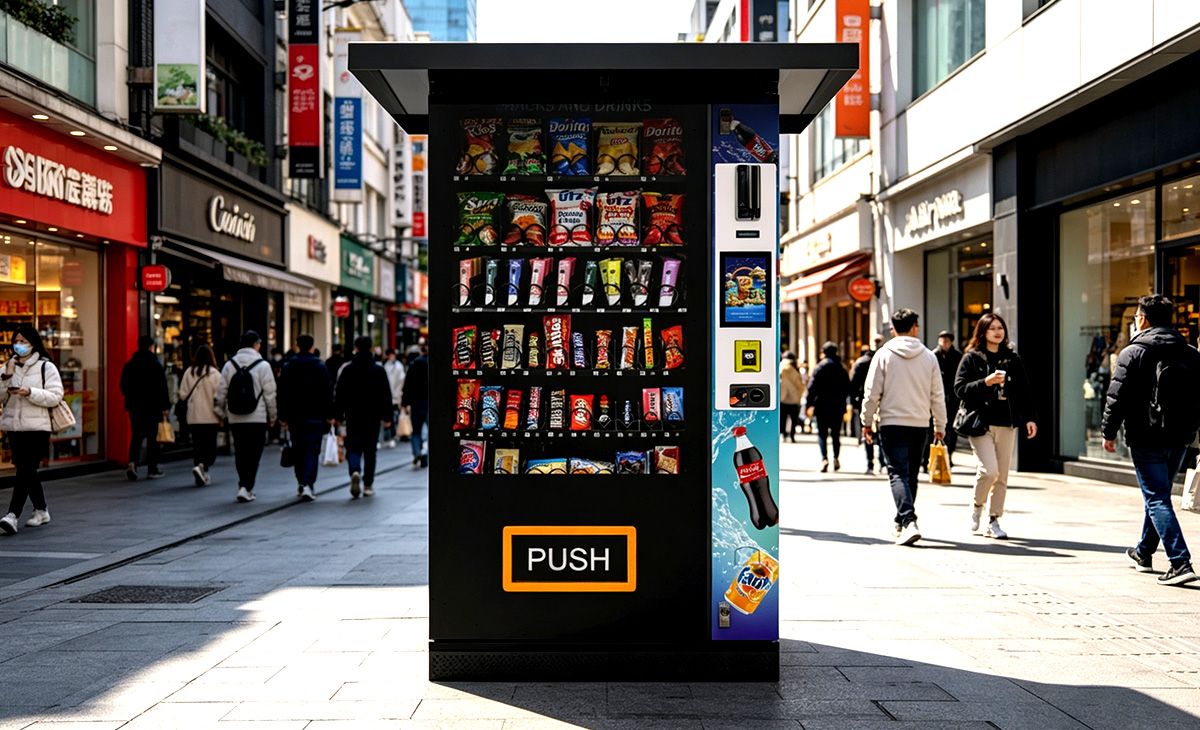
Monthly operating costs vary, but here is a realistic breakdown based on my own routes:
| Cost Category | Estimated Monthly Cost (per machine) |
|---|---|
| Inventory restocking | $400 – $800 |
| Electricity | $20 – $50 |
| Location commission (10–20% of gross) | $50 – $200 |
| Card processing fees (2.5–3.5%) | $15 – $40 |
| Maintenance and repairs | $30 – $80 |
| Permits and insurance | $20 – $50 |
These numbers assume the machine is doing between $400 and $1,200 in monthly sales. A machine in a high-traffic warehouse near Brooks City Base might hit $1,500, while a machine in a quiet office park might struggle to break $300. The key is to track your data from day one. If a machine is not doing at least $500 per month after three months, I usually consider moving it.
Pros of Running Vending Machines in San Antonio
Steady Foot Traffic in Niche Locations
San Antonio has a unique mix of high-traffic zones that are often overlooked by new operators. Military bases like Fort Sam Houston and Lackland AFB have restricted access, which means less competition. I have a partner who runs two machines inside a base gym, and his monthly revenue consistently stays above $1,800. The key is that the audience is captive and repeat. Similarly, medical centers and hospitals offer predictable traffic, especially during shift changes.
Lower Competition Compared to Other Texas Cities
Compared to Houston or Dallas, San Antonio has fewer vending operators per capita. This means you can negotiate better commission rates with location owners. I have secured locations with no commission simply by offering a clean, modern machine with a card reader. In more saturated markets, location owners often demand 20% or more of gross sales. In San Antonio, I have seen many deals at 10% or even a flat monthly fee.
Growing Demand for Cashless Payments
According to a 2022 study by Statista, 73% of U.S. consumers prefer using card or mobile payments for small transactions. San Antonio has a younger, tech-savvy population, especially near UTSA and the Pearl area. Machines equipped with NFC readers and touchscreens tend to perform 30–40% better than older models. I made the switch to cashless systems three years ago, and my average transaction value increased by nearly a dollar.
Cons of Running Vending Machines in San Antonio
Heat and Humidity Are Hard on Equipment
San Antonio summers are brutal. If your machine is outdoors or in a non-air-conditioned space, the refrigeration unit works overtime. I have replaced more compressors in San Antonio than in any other city I have operated in. A machine that costs $4,000 can easily incur $400 in repair costs during a single summer. If you are considering an outdoor location, invest in a machine with a high-efficiency compressor and proper ventilation. Skimping on this will cost you.
Vandalism and Theft in Certain Areas
While San Antonio is generally safe, some parts of the city have higher rates of vandalism. I had a machine broken into near the East Side, and the repair cost was nearly $700. The thief did not even get much cash—maybe $40. The lesson here is to choose your location carefully. Avoid placing machines in isolated areas with poor lighting. Also, consider machines with reinforced glass and tamper-proof locks. Zhongda Smart offers models with anti-vandalism features that I have found useful in higher-risk zones.
Inventory Management Can Be Tricky
San Antonio has a diverse population, and what sells in one neighborhood may not sell in another. Near the Medical Center, healthy snacks and protein bars move quickly. Near a high school, candy and chips dominate. I have made the mistake of stocking the same items across all my machines, and it led to a lot of expired inventory. You need to tailor your product mix to each location. This requires time, data tracking, and willingness to experiment.
How to Choose the Right Vending Machine Supplier
I have bought machines from three different suppliers over the years, and I have learned that price is not the only factor. Here is what I look for:
- Warranty coverage: A good supplier offers at least a one-year warranty on parts and labor. I have had bad experiences with suppliers who only cover the compressor.
- Payment system integration: Make sure the machine comes with a modern card reader or can be easily upgraded. Older machines are a pain to retrofit.
- Remote monitoring: Telemetry systems that let you check inventory and sales remotely are worth the extra cost. They save you from making unnecessary trips.
- Supplier reputation: I have worked with Zhongda Smart on several projects, and their machines have held up well in the Texas heat. They offer solid after-sales support and clear documentation, which is rare in this industry.
If you are buying your first machine, I recommend visiting a supplier’s showroom if possible. Seeing the machine in person gives you a sense of build quality. If you cannot visit, ask for video walkthroughs and detailed spec sheets.
Real-World Insights: What I Learned the Hard Way
Failure Case: The Office Park That Looked Good on Paper
I once placed a machine in a mid-sized office park near the airport. The building had about 200 employees, and the property manager was enthusiastic. The first month, sales were around $600. By the third month, they dropped to $200. The problem was that the building had a subsidized cafeteria that opened for lunch. Employees had no reason to use my machine. I had not done my homework. Always ask about existing food options before signing a location agreement.
Success Case: The Warehouse with No Break Room
One of my best-performing machines is inside a logistics warehouse on the South Side. The workers are on their feet all day, and the nearest convenience store is a 15-minute drive. The machine does about $1,400 per month, with a mix of energy drinks, chips, and sandwiches. The key was that the location had no other food options. I also installed a machine with a large capacity to reduce restocking frequency. This location has been running for three years with minimal issues.
The Importance of Data
I use a simple spreadsheet to track sales, restock dates, and repair costs for each machine. After six months, I can see which products are underperforming and which locations are worth keeping. I have moved three machines in the past two years based on this data, and each move improved revenue by at least 40%. If you are not tracking data, you are flying blind.
Comparing Different Business Models: Self-Operate vs. Lease vs. Profit Share
| Model | Initial Cost | Monthly Effort | Profit Potential | Risk Level |
|---|---|---|---|---|
| Self-operate | $4,000 – $12,000 | High (restocking, repairs, accounting) | High (you keep 100% of profit after costs) | Medium |
| Lease machine to location | Zero (you own the machine) | Low (location handles restocking) | Low (fixed monthly fee) | Low |
| Profit share with location | Zero (location owns machine) | Low (you only provide inventory) | Medium (split 50/50 or 60/40) | Low |
For beginners, I usually recommend starting with a self-operate model on one or two machines. It gives you full control and teaches you the business from the ground up. Leasing or profit-sharing can be attractive if you have capital but no time, but you give up a lot of upside.
Frequently Asked Questions
Are vending machines profitable in San Antonio?
Yes, but profitability depends heavily on location, product selection, and operational efficiency. A well-placed machine can generate $800 to $1,500 per month in revenue, with gross margins around 40–50%. However, you must account for restocking time, repair costs, and location commissions. Based on my experience, a single machine can pay for itself within 12 to 18 months if placed correctly.
How much does a vending machine cost?
A new machine from a reliable supplier like Zhongda Smart ranges from $3,500 to $12,000, depending on features. Used machines can be found for under $2,000, but they often require repairs. I advise budgeting at least $5,000 for your first machine, including installation and initial inventory.
How long does it take to break even?
Break-even typically occurs between 12 and 24 months, assuming the machine generates $500 to $1,000 in monthly sales. Machines in high-traffic locations with low competition can break even in under a year. Machines in slow locations may take three years or more.
Should I buy or lease a vending machine?
If you have the capital and time, buying is better in the long run. Leasing can be a good option if you want to test the market without a large upfront cost, but you will share a significant portion of your profit. I have seen lease agreements where the operator keeps only 30% of revenue, which makes it hard to turn a profit.
Where are the best locations for vending machines in San Antonio?
Industrial warehouses, medical offices, military bases, and large apartment complexes are my top choices. Avoid locations with existing food service, low foot traffic, or high turnover of employees. Always visit the location at different times of day before committing.
What permits do I need in San Antonio?
You need a Texas Sales Tax Permit from the Comptroller and a Mobile Food Unit permit from the City of San Antonio if you sell perishable food. You may also need a business license. Check with the San Antonio Metropolitan Health District for specific requirements.
How do I choose a vending machine supplier?
Look for suppliers with at least a one-year warranty, good customer reviews, and machines that support cashless payments. I have had good experiences with Zhongda Smart because they offer durable machines and responsive support. Avoid suppliers that do not provide clear documentation or have limited spare parts availability.
What happens if my machine breaks down?
You will need a local repair technician or be comfortable doing basic repairs yourself. Common issues include jammed coils, refrigeration failures, and payment system errors. I recommend having a backup plan, such as a spare machine or a relationship with a repair service. Some suppliers offer repair contracts, but they can be expensive.
How can I reduce restocking and maintenance costs?
Use a machine with a large capacity to reduce restocking frequency. Install remote monitoring to track inventory levels. Standardize your product mix across similar locations to simplify ordering. Also, choose locations that are close to each other to minimize driving time between machines.
Final Thoughts from the Field
Running vending machines in San Antonio is not a get-rich-quick scheme, but it can be a solid, steady business if you treat it like one. The operators who fail are usually the ones who buy a cheap machine, throw it in a random location, and hope for the best. The ones who succeed are the ones who research locations, invest in quality equipment, and pay attention to the data.
I have seen machines in San Antonio that generate $2,000 a month and machines that barely cover their own electricity. The difference is almost always the location and the operator’s willingness to adapt. If you are willing to learn from both your successes and your mistakes, this business can be rewarding. Start small, track everything, and do not be afraid to move a machine if it is not performing.
This article was updated in May 2025. Market conditions, costs, and regulations may change over time. Always verify current permit requirements and consult with a local business advisor before making investment decisions.