Top Things You Should Know About Table Top Vending Machine in 2026
After a decade of placing vending machines across the US and Europe, I can tell you that the table top vending machine has quietly become one of the most practical entry points into automated retail. Unlike full-sized machines that require significant capital, dedicated floor space, and high traffic to break even, these compact units can sit on a café counter, a hotel lobby desk, or a coworking reception area. The upfront cost is lower, the footprint is minimal, and the operational complexity is reduced. But that simplicity can be deceptive. I have seen operators lose money on machines that looked like a bargain, simply because they did not account for location dynamics, payment compatibility, or restocking frequency. In 2026, the table top vending machine market is more competitive than ever, and knowing what actually works on the ground matters more than any spec sheet.
What Exactly Is a Table Top Vending Machine in 2026?
In simple terms, a table top vending machine is a self-contained, countertop-sized unit that dispenses products such as snacks, beverages, personal care items, or electronics accessories. Most units measure between 12 and 24 inches wide and hold between 20 and 60 items depending on the configuration. They are designed to sit on a flat surface rather than occupy floor space.
What has changed by 2026 is the technology inside. Modern units come with touchscreen interfaces, cashless payment systems, telemetry for remote monitoring, and sometimes even temperature control for perishable goods. The old coin-operated, spring-coil models are still around, but they are rapidly being replaced by smart units that report inventory levels and sales data in real time.
From my experience, the biggest shift is that these machines are no longer seen as a novelty. They are becoming a standard fixture in locations where a full-size machine would be overkill. A hotel with 30 rooms does not need a 400-can soda machine, but a table top model with 20 slots for premium snacks and bottled water can generate steady revenue without dominating the lobby.
Why the Table Top Vending Machine Is Gaining Traction in 2026
Several factors are driving adoption. First, commercial real estate in both the US and Europe has become more expensive per square foot. Business owners are reluctant to give up floor space to a vending machine unless the return is guaranteed. A table top unit occupies virtually no usable floor space and can be placed on an existing counter.
Second, the shift toward cashless payments accelerated significantly after 2020. According to a 2025 report by Statista, contactless payments accounted for over 60% of in-store transactions in the US and nearly 70% in the UK. Table top machines that accept tap-to-pay, Apple Pay, Google Pay, and credit cards are now the norm, not the premium option. I have seen machines in locations where cash-only units failed within three months, simply because guests did not carry coins.
Third, the rise of remote monitoring has reduced the labor burden. Ten years ago, you had to visit each machine to know what was sold. Today, a table top vending machine with telemetry sends you a restock alert when a slot is empty. That alone can cut your labor costs by 30 to 40 percent, based on my own route data.
Where Should You Place a Table Top Vending Machine?
Location is everything. I have placed machines in what looked like promising spots that failed, and in spots I almost passed on that ended up generating over $1,200 per month. Here is what I have learned through trial and error.
High-Performing Locations
- Hotel lobbies and guest floors: Especially in business hotels where guests arrive late and want a quick snack or a bottle of water without leaving the property. A table top vending machine placed near the elevator on each floor can outperform a single full-size machine in the lobby.
- Coworking spaces and shared offices: These locations have high foot traffic during work hours and a demographic that is comfortable with self-service kiosks. I have seen machines in coworking spaces average 40 to 60 transactions per week.
- Gym and fitness studio reception areas: Protein bars, electrolyte drinks, and small toiletries sell well. The key is keeping the machine visible from the front desk so staff can monitor it naturally.
- Medical office waiting rooms: Patients and visitors often need a quick snack or a phone charger while waiting. These locations have low theft risk and consistent traffic.
- Small retail shops and convenience stores: Some shop owners use a table top vending machine as an after-hours sales channel. When the store is closed, the machine keeps selling.
Locations to Avoid
- Low-traffic corridors: A machine placed in a hallway that sees fewer than 50 people per day will struggle to generate meaningful revenue.
- Locations without reliable power or Wi-Fi: If the machine requires connectivity for payments, a dead spot means lost sales. I once lost a prime location because the building had a spotty cellular signal and the landlord refused to allow a wired connection.
- Spots with existing vending coverage: If there is already a full-size machine selling the same products within 50 feet, your table top unit will likely cannibalize sales rather than create new ones.
How Much Does a Table Top Vending Machine Cost in 2026?
Pricing varies widely based on features. Based on current market data from IBISWorld and my own procurement experience over the last three years, here is a realistic breakdown:
| Machine Type | Price Range (USD) | Key Features | Estimated Monthly Revenue |
|---|---|---|---|
| Basic coil machine (used) | $400 – $800 | Coin operation, no telemetry, no cooling | $150 – $400 |
| New basic model | $1,200 – $2,500 | Cashless payment, basic telemetry, no cooling | $300 – $700 |
| Refrigerated table top model | $2,800 – $4,500 | Cooling, touchscreen, full telemetry, cashless | $500 – $1,200 |
| Premium smart unit | $4,000 – $6,500 | Full automation, inventory tracking, remote pricing, multiple payment options | $700 – $1,500 |
These revenue estimates assume a location with moderate foot traffic of around 100 to 200 people per day. Actual results will vary based on product pricing, location demographics, and restocking discipline.
What Are the Real Operating Costs?
Many newcomers underestimate the ongoing costs. Here is what I track for every machine I operate:
- Product cost: Typically 50 to 60 percent of retail price. If you sell a protein bar for $3.00, your cost is roughly $1.50 to $1.80.
- Commission or rent: Some location owners charge a flat monthly fee or a percentage of sales. In my experience, commissions range from 10 to 25 percent of gross revenue. High-traffic locations often demand higher cuts.
- Payment processing fees: Cashless transactions cost 2.5 to 4 percent per swipe. This adds up. On a machine doing $1,000 per month, processing fees can be $30 to $40.
- Telemetry and software subscription: Many smart machines require a monthly fee for remote monitoring. Expect $15 to $40 per month per machine.
- Maintenance and repairs: Budget at least $200 to $400 per year per machine for vending machine repair. Basic models break less often but have fewer diagnostic tools. Smart machines are easier to troubleshoot but have more expensive parts.
- Restocking labor: If you do it yourself, your time has value. If you hire someone, expect $15 to $25 per hour per route stop.
How Long Does It Take to Break Even?
Based on my own portfolio of 30 table top units deployed across the US and parts of Southern Europe, the average payback period ranges from 10 to 18 months. Here is how that breaks down:
- A $2,000 basic machine in a decent location generating $400 per month with a 40 percent gross margin will pay for itself in about 12.5 months.
- A $4,500 refrigerated unit generating $900 per month with the same margin will pay for itself in about 12.5 months as well, provided the location holds up.
- A poorly placed machine might take 24 months or never break even. I have removed machines after 8 months because the location simply did not produce enough traffic.
I always advise new operators to plan for a 14-month payback and consider anything faster a win. If a machine takes longer than 18 months to pay back, you are better off moving it to a different location.
How to Choose a Supplier for Your Table Top Vending Machine
Supplier selection is where many operators make their first mistake. I have bought machines from large distributors, local refurbishers, and direct manufacturers. Here is what I look for now:
Key Criteria
- After-sales support: Do they offer technical support in your time zone? Can you get replacement parts within a week? I once waited three weeks for a control board from a supplier who was great on price but terrible on logistics.
- Payment system compatibility: Make sure the machine supports the payment methods common in your target market. In Europe, that means support for contactless EMV, local debit networks, and sometimes mobile wallets like Bancontact or iDEAL.
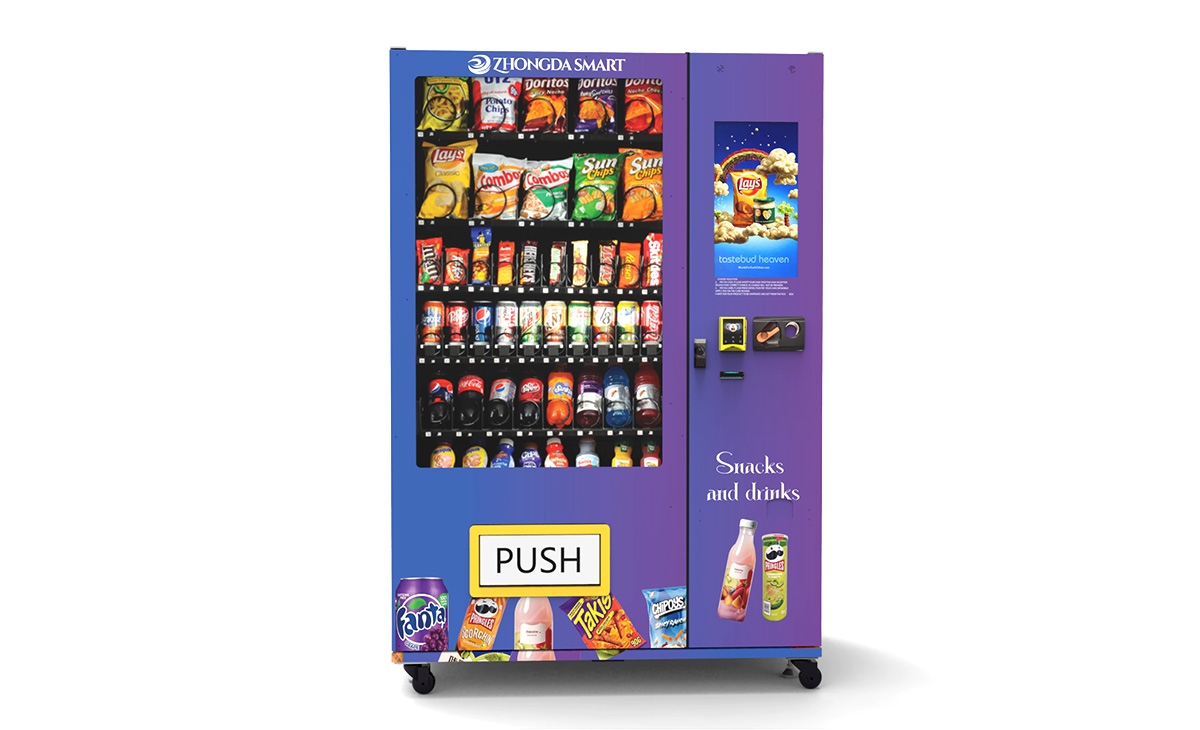
- Build quality and repairability: Cheaper machines often use proprietary parts that are hard to source. I prefer machines that use standard components. One supplier I have worked with consistently on this front is Zhongda Smart. Their table top models offer solid build quality, good telemetry options, and their support team responds within 24 hours. I am not saying they are the only option, but they are a reliable one if you are looking for a balance between cost and durability.
- Local certification: In the EU, machines must carry CE marking. In the US, UL or ETL certification is important. Do not skip this. I have seen operators fined for placing uncertified equipment in commercial spaces.
Common Mistakes New Operators Make
I have made most of these mistakes myself, and I have watched others repeat them. Here are the ones to avoid:
- Buying the cheapest machine available: A $400 used machine might seem like a good deal, but if it breaks down twice in the first three months, you have already lost money on lost sales and repair calls. I learned this the hard way with a machine that had a failing refrigeration unit that cost more to fix than the machine was worth.
- Ignoring payment preferences: If your location is in a city where people rarely carry cash, a coin-only machine is a waste of space. I have seen operators install cash-only units in university campuses where students only use cards or mobile wallets. The machines sat untouched.
- Overloading the machine with slow-moving products: Just because you like a certain snack does not mean it will sell. Use the first month to test different products and then adjust based on sales data. I usually start with a mix of 60 percent popular national brands and 40 percent local or niche items.
- Neglecting cleanliness and maintenance: A dirty machine or one with a broken display screen will lose customer trust. In 2026, consumers expect the same level of cleanliness from a self-service kiosk as they do from a staffed store.
- Signing long-term location agreements without performance clauses: I always negotiate a 90-day trial period. If the machine does not hit a minimum revenue threshold, I can move it without penalty. Not all location owners agree, but many will if you explain it is a fair arrangement for both sides.
How to Evaluate Whether a Table Top Vending Machine Is Worth the Investment
Before I buy a machine for a specific location, I run a simple calculation. I estimate the daily foot traffic, multiply by a conservative conversion rate, and then multiply by the average transaction value. Here is an example:
- Location foot traffic: 150 people per day
- Estimated conversion rate: 5 percent (industry average for well-placed machines is 3 to 8 percent)
- Daily transactions: 7.5
- Average transaction value: $3.50
- Daily revenue: $26.25
- Monthly revenue: $787.50
- Gross profit at 40 percent margin: $315 per month
If the machine costs $3,000, the payback period is roughly 9.5 months. That is a solid investment. If the conversion rate drops to 3 percent, the payback stretches to 16 months, which is still acceptable but leaves less room for error.
I also factor in the opportunity cost. If the same counter space could be used for a different revenue-generating activity, the machine needs to outperform that alternative. In most cases, a table top vending machine does not compete with staffed sales, but it can complement them.
The Role of Data in Running a Profitable Operation
In 2026, running a vending operation without data is like driving with your eyes closed. Telemetry systems allow you to see which products are selling, at what time of day, and at what price point. I use this data to adjust pricing dynamically. For example, I raise the price of bottled water by 20 percent during summer months and lower it in winter. The machine does this automatically based on my preset rules.
Data also helps with vending machine repair. If a specific slot stops selling, the system alerts me before a customer complains. I can send a technician to fix a jammed coil or a faulty sensor before it affects multiple sales. Preventive maintenance based on usage data has reduced my repair costs by about 25 percent over the last three years.
Legal and Regulatory Considerations in 2026
Regulations vary by country and even by city. In the European Union, the General Product Safety Regulation (GPSR) applies to all vending machines placed on the market. Machines must be designed and manufactured to prevent hazards such as electrical shocks, fire, or physical injury from moving parts. Additionally, if you sell food or beverages, you must comply with EU food safety regulations, including traceability requirements and allergen labeling.
In the United States, the FDA regulates vending machines that sell food products. The 2025 update to the FDA Food Code includes specific requirements for temperature control, sanitation, and labeling for self-service retail equipment. According to a 2024 report by the National Automatic Merchandising Association (NAMA), compliance with local health department regulations is the most common regulatory challenge for new operators.
I recommend checking with your local chamber of commerce or business licensing office before placing your first machine. In some European cities, you may need a permit for a distributeur automatique even if it is on private property. The cost is usually minimal, but the fine for operating without one can be substantial.
Should You Buy, Lease, or Use a Revenue-Share Model?
There are three common ways to get a table top vending machine into a location:
| Model | Upfront Cost | Monthly Cost | Profit Potential | Risk Level |
|---|---|---|---|---|
| Self-purchase | Full machine cost | Only product and maintenance | Highest (you keep all profit after costs) | High (you own the asset) |
| Leasing | Low or zero | Fixed monthly lease fee | Moderate (lease fee eats into margin) | Low (you can return the machine) |
| Revenue-share | Zero | Percentage of sales to location owner | Variable (depends on split) | Low (no capital outlay) |
I started with self-purchase because I wanted full control over pricing and product selection. But I have seen successful operators use leasing to test multiple locations without tying up capital. Revenue-share models work well if you have a strong location partner but limited funds. Just make sure the contract defines who handles maintenance, restocking, and payment processing.
How to Scale a Table Top Vending Machine Business
Scaling is not about buying more machines. It is about building systems. Here is what I have learned from growing from 3 machines to 30:
- Standardize your equipment: Use the same model from the same manufacturer as much as possible. This simplifies vending machine repair training and spare parts inventory.
- Build a restocking route: Group machines by geographic proximity to minimize travel time. I aim for routes where I can service 8 to 10 machines in a half-day.
- Use a centralized software platform: All my machines report to a single dashboard. I can see sales, inventory, and alerts for every unit in real time.
- Negotiate bulk pricing: Once you commit to buying 10 or more machines, most suppliers, including Zhongda Smart, will offer volume discounts. I saved about 15 percent on my last batch of 12 units.
- Focus on high-margin products: Electronics accessories like phone cables and power banks have margins of 60 to 80 percent. Snacks and drinks are lower margin but higher volume. A balanced mix works best.
What the Future Holds for Table Top Vending Machines
By 2027, I expect most new table top vending machines to include AI-driven inventory management that predicts demand based on historical data, weather, and local events. Some units already do this, but the technology is still maturing. I also expect wider adoption of dynamic pricing, where the machine adjusts prices in real time based on demand or time of day.
Another trend is the integration of loyalty programs. Some machines now allow customers to scan a QR code, earn points, and redeem discounts on future purchases. This increases repeat usage and builds a direct relationship between the operator and the consumer.
For operators in Europe, the expansion of the Single Euro Payments Area (SEPA) and the continued rollout of instant payment systems will make cashless transactions even more seamless. In the US, the adoption of open banking standards may eventually allow direct account-to-account payments, bypassing card networks and reducing processing fees.
FAQ: Table Top Vending Machines in 2026
Are table top vending machines profitable?
They can be, but profitability depends heavily on location, product selection, and operational discipline. In my experience, a well-placed machine generates between $300 and $1,200 per month in revenue, with gross margins of 35 to 45 percent after product cost and commissions. Machines in poor locations often fail to break even.
How much does a table top vending machine cost?
Prices range from about $400 for a used basic model to $6,500 for a premium smart unit with refrigeration and full telemetry. New machines with cashless payment and remote monitoring typically cost between $1,200 and $4,500.
How long does it take to recoup the investment?
Based on my own portfolio, the average payback period is 10 to 18 months. Machines in high-traffic locations with good margins can pay for themselves in under a year. Machines in marginal locations may take two years or more.
Should a beginner buy or lease?
Leasing reduces upfront risk and allows you to test locations without committing capital. However, buying gives you full control over profit and asset ownership. I recommend leasing for the first machine or two, then buying once you understand the economics.
Where is the best place to put a table top vending machine?
Hotel lobbies, coworking spaces, gyms, medical offices, and small retail shops are consistently strong locations. Avoid low-traffic corridors, areas with existing vending coverage, and locations without reliable power or connectivity.
What permits do I need?
Requirements vary by jurisdiction. In the EU, you need CE certification and may need a local business license. In the US, check with your city or county for vending machine permits and health department approvals if selling food. Always verify before installation.
How do I choose a supplier?
Look for after-sales support, payment system compatibility with your market, build quality, and local certification. I have had good experiences with Zhongda Smart for their balance of cost and reliability, but always compare multiple suppliers before deciding.
What happens if the machine breaks down?
Most common issues are jammed coils, faulty payment readers, or connectivity problems. Basic troubleshooting can be done by the operator. For complex repairs, you will need a technician. Smart machines with telemetry often diagnose the issue remotely, which speeds up vending machine repair.
How can I reduce restocking and maintenance costs?
Use telemetry to know exactly what needs restocking and when. Group machines on efficient routes. Standardize equipment to simplify spare parts inventory. Perform regular preventive maintenance based on usage data rather than waiting for failures.
Can I run a table top vending machine business part-time?
Yes, especially if you keep the number of machines small and group them geographically. Many operators start with 3 to 5 machines and service them on weekends. As you grow, you may need to hire help or switch to full-time.
This article reflects insights gained from operating vending machines in the US and European markets since 2014. Revenue and cost figures are based on personal experience and publicly available data from industry sources. Individual results will vary. Always verify local regulations and conduct your own due diligence before investing in automated retail equipment.
Data sources: Statista (2025 Digital Payments Report), IBISWorld (Vending Machine Operations Industry Report, 2025), National Automatic Merchandising Association (NAMA, 2024 Compliance Guide).
Last updated: March 2026