How to Choose the Right Food Vending Machines Near Me_ Complete Beginner's Guide
If you have ever typed "food vending machines near me" into a search bar, you are likely looking for a quick, reliable way to buy snacks or drinks without dealing with a cashier. I have spent over a decade placing, maintaining, and pulling machines across the United States and parts of Europe, and I can tell you that finding the right machine is not about picking the cheapest model or the flashiest screen. It is about understanding the location, the foot traffic, the product mix, and the total cost of ownership. In this guide, I will walk you through exactly what I look for when evaluating a vending machine investment, from the initial purchase to daily operations, so you can avoid the costly mistakes I have seen beginners make.
What Is a Vending Machine and Where Does It Work Best?
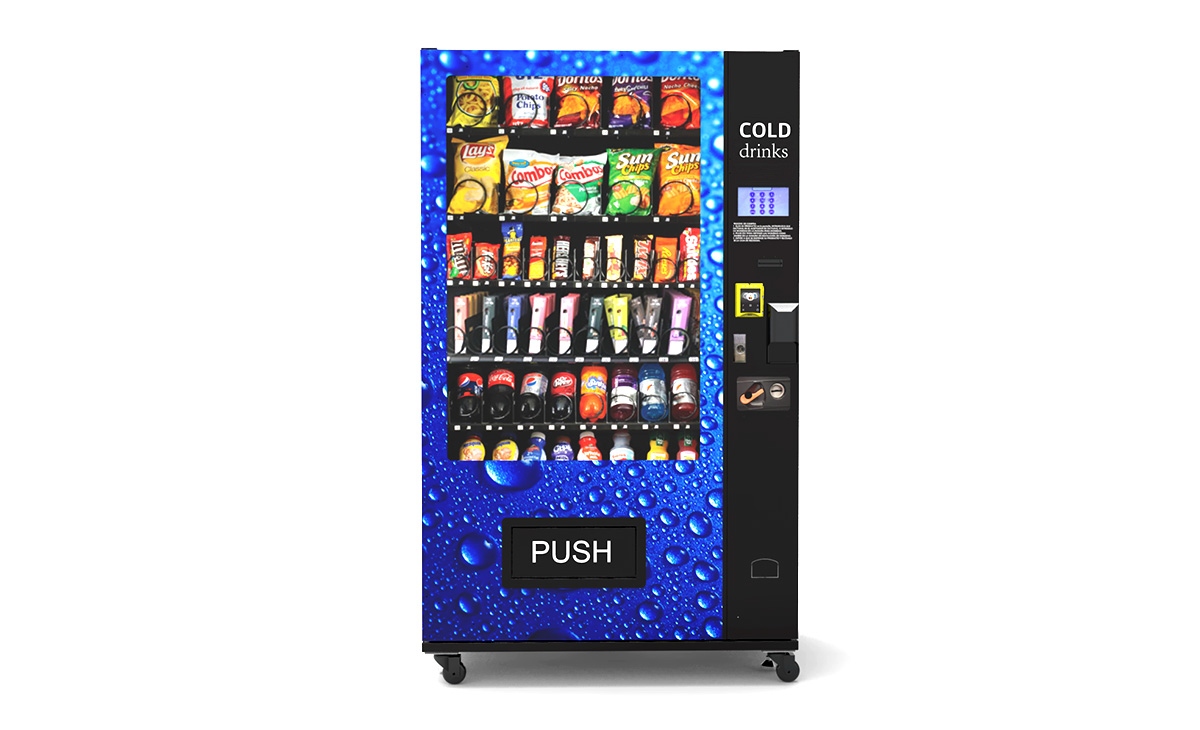
A vending machine is essentially an automated retail unit that dispenses products without a human attendant. In my experience, the most successful placements are in high-traffic, low-service environments. Think break rooms, office lobbies, hospital waiting areas, college dormitories, gyms, and manufacturing plant floors. These are places where people need a quick purchase but do not want to walk to a cafeteria or a store.
I have placed machines in locations that seemed perfect on paper but failed because the audience did not match the product. For example, a machine stocked with candy bars in a health-conscious yoga studio will sit idle. Conversely, a machine filled with protein bars and bottled water in a warehouse can turn over three times a week. The key is matching the machine type to the demographic. A traditional snack and drink combo machine works well in general office settings, while a fresh food machine with refrigerated compartments is better suited for hospitals or schools.
One term you will hear often is "self-service kiosk." While this usually refers to interactive ordering systems, the vending industry is increasingly adopting similar technology. Modern machines now offer cashless payments, remote monitoring, and even touchscreen interfaces. If you are looking for a food vending machine, you should prioritize units that support credit cards and mobile wallets. According to a 2023 report by Statista, over 70% of vending transactions in the U.S. are now cashless, and that number is climbing.
Is a Vending Machine Business Profitable? Real Numbers I Have Seen
This is the first question every beginner asks. The short answer is yes, but the profit margin depends heavily on location, product pricing, and operational efficiency. Based on my own portfolio of machines, a well-placed unit can generate between $300 and $800 in monthly revenue. After accounting for product cost, which typically runs 40% to 50% of retail price, and operational expenses like restocking labor, machine repair, and commission to the location owner, net profit usually lands between 20% and 35% of gross sales.
Let me give you a real example. I had a machine in a mid-sized office building with about 200 employees. The machine did roughly $500 per month in sales. Product cost was about $220. Commission to the building manager was 10% of sales, or $50. My restocking time was roughly one hour per week, which I valued at $20 per hour. That left me with about $170 in monthly net profit. The machine itself cost me $3,200 new. At that rate, the payback period was about 19 months. That is a realistic timeline for a beginner, assuming no major breakdowns.
However, I have also seen machines that lost money. One location—a small retail store with low foot traffic—barely did $100 per month. After product costs and commission, I was losing money on restocking labor. I pulled that machine after six months. The lesson is simple: do not assume any location will work. You must evaluate traffic, competition, and the willingness of people to buy from a machine rather than a nearby store. According to data from IBISWorld, the average vending machine operator in the U.S. sees a profit margin of around 6% to 8% after all expenses, but that figure includes large operators with high overhead. Small operators with low overhead can do much better.
Key Factors to Consider Before Buying a Food Vending Machine
Location Evaluation
I cannot stress this enough: location is everything. Before you even look at machine specs, spend time observing the potential site. Count the number of people passing by during peak hours. Talk to the facility manager about employee count, shift patterns, and whether there is a cafeteria or a convenience store nearby. I once placed a machine in a warehouse with 24-hour shifts. The machine did well during the day but performed poorly at night because the night shift workers were fewer and often brought their own food. I adjusted the stocking schedule and product mix, but the machine never hit my target revenue.
For a beginner, I recommend looking for locations with at least 100 potential customers per day. That could be a small office with 50 employees and regular visitors, or a school with 300 students. The higher the foot traffic, the better your chances of a fast return on investment.
Machine Type and Configuration
There are several types of food vending machines on the market. The most common are:
- Combination machines – These hold snacks and drinks in one unit. They are versatile and work well in most locations.
- Refrigerated food machines – These are designed for perishable items like sandwiches, salads, and yogurt. They require more maintenance and stricter temperature control.
- Bulk vending machines – These dispense items like gumballs or small toys. They are low-cost but also low-revenue.
- Specialty machines – These sell specific items like coffee, ice cream, or hot food. They can be profitable in niche locations but often have higher repair costs.
For a beginner, I suggest starting with a combination machine. It is simpler to operate, easier to repair, and has a broad product appeal. Avoid the temptation to buy a cheap, used machine from an online marketplace. I have seen too many beginners save $1,000 upfront only to spend $2,000 on vending machine repair within the first year. A reliable machine from a reputable manufacturer, such as Zhongda Smart, can save you significant headaches. Their units are known for durable refrigeration systems and user-friendly payment interfaces, which are critical for reducing downtime.
Payment Systems
Modern payment systems are non-negotiable. If your machine only accepts cash, you are losing at least 30% of potential sales. I recommend machines that accept credit cards, debit cards, and mobile payments like Apple Pay and Google Pay. Some machines now offer contactless tap-and-go, which speeds up transactions. In Europe, many machines also accept local payment apps. If you are operating in France, for example, you will want a machine compatible with common local payment methods. A "distributeur automatique" that only takes coins will struggle in a market where card payments are the norm.
I also recommend remote monitoring systems. These allow you to check inventory levels, sales data, and machine status from your phone. This technology has saved me countless hours of unnecessary trips. When a machine is low on a popular item, I know immediately and can restock efficiently. Without remote monitoring, you are essentially flying blind.
Cost Breakdown: What You Need to Budget For
Let me give you a realistic budget breakdown based on my experience. These figures are estimates and will vary by region, but they provide a solid starting point.
| Cost Item | Estimated Range (USD) | Notes |
|---|---|---|
| New combination machine | $3,000 – $6,000 | Price depends on brand, size, and features. Refrigerated units cost more. |
| Used machine (refurbished) | $1,500 – $3,500 | Higher risk of repair. Ensure warranty or service contract. |
| Payment system upgrade | $400 – $1,000 | Necessary for cashless payments. Many new machines include this. |
| Remote monitoring system | $200 – $600 | Optional but highly recommended. |
| Initial product inventory | $300 – $800 | Depends on machine capacity and product type. |
| Delivery and installation | $100 – $500 | Can be higher if location is difficult to access. |
| Annual maintenance and repair | $200 – $600 | Higher for refrigerated machines or older units. |
| Location commission | 5% – 20% of gross sales | Negotiable. High-traffic locations often demand higher commission. |
Based on these numbers, your initial investment for a single machine will likely fall between $4,000 and $7,000. If you buy a used machine and do the installation yourself, you might get closer to $2,500, but I would caution against that route unless you have mechanical skills. I have seen used machines fail within the first month, and vending machine repair costs can quickly eat up any savings.
Payback Period: How Long Until You Break Even?
In my experience, a well-placed machine can pay for itself within 12 to 24 months. That assumes consistent sales of $400 to $600 per month and net profit of 25% to 35%. If your machine does $300 per month or less, the payback period extends to three years or more, which is not ideal for a beginner with limited capital.
Let me give you a conservative example. Suppose your machine costs $4,500, and you achieve $450 in monthly sales. After product cost (45%), commission (10%), and restocking labor (5 hours at $15/hour), your net profit is roughly $135 per month. That gives you a payback period of about 33 months. If you can push sales to $600 per month, the payback drops to around 20 months. The math is straightforward: higher sales equal faster returns.
I always advise beginners to aim for locations where they can negotiate a lower commission in the first year. Many location owners will agree to 5% or 8% if you are taking the risk of buying the machine. Once the machine proves profitable, you can renegotiate. Also, consider that some locations, like hospitals or universities, may require you to use a specific payment system or adhere to food safety regulations. Factor those requirements into your cost projections.
How to Choose a Vending Machine Supplier
Choosing the right supplier is as important as choosing the right location. I have worked with several manufacturers over the years, and I have learned to look for the following qualities:
- Reliability – Does the supplier have a track record of durable machines? Read reviews from other operators. Avoid brands that are known for frequent breakdowns.
- Support – Does the supplier offer technical support and spare parts? A machine that is down for two weeks can lose a month's profit. I prefer suppliers that have a local service network or at least a responsive helpline.
- Customization – Can the machine be configured for your specific product mix? Some machines have adjustable shelving, which is useful if you want to sell both small snacks and larger items.
- Payment integration – Does the machine support modern payment systems out of the box? Retrofitting an old machine can be expensive.
One supplier that consistently meets these criteria is Zhongda Smart. Their machines are built with robust refrigeration and easy-to-use interfaces, and they offer remote monitoring as a standard option. I have used their units in several locations, and the maintenance calls have been minimal. When I did need a part, their support team responded within 24 hours. That level of reliability is rare in this industry.
When evaluating a supplier, ask for references. Talk to other operators who have used their machines for at least a year. Ask about common issues, average repair costs, and how the supplier handles warranty claims. A supplier that is transparent about these details is worth considering. Avoid suppliers that make unrealistic promises about sales or profits. No supplier can guarantee your success because location and management are the biggest variables.
Common Beginner Mistakes and How to Avoid Them
I have made many mistakes over the years, and I have watched beginners repeat them. Here are the most common ones:
Buying the cheapest machine. A $1,500 used machine might seem like a bargain, but it often comes with outdated payment systems, worn-out refrigeration, and no warranty. I have seen beginners spend more on repairs in the first year than they would have on a new machine. Invest in quality upfront.
Ignoring location details. Do not rely on a quick glance. Spend time at the location during different times of the day. Talk to employees. Check if there is a break room with a microwave or a fridge. Those details affect what products will sell.
Overstocking or understocking. Beginners often fill the machine with too many varieties, which leads to spoilage or stale inventory. Start with a core selection of 10 to 15 best-selling items. Track what sells and adjust. Over time, you will learn the local preferences.
Neglecting machine repair. When a machine breaks, fix it immediately. A broken machine that sits for two weeks loses sales and damages your relationship with the location owner. I carry spare parts for common issues like coin jams or door sensors. If you are not handy, establish a relationship with a local vending machine repair technician before you need one.
Underpricing or overpricing. Pricing is a balancing act. If you price too high, customers will go elsewhere. If you price too low, you will not make a profit. I typically price items 20% to 30% above retail store prices, which is standard in the industry. Customers accept this premium for the convenience of a vending machine.
Best Locations for Food Vending Machines
Based on my experience, the most profitable locations are:
- Office buildings – Especially those without a cafeteria. Employees need quick snacks and drinks during breaks.
- Hospitals and medical centers – Visitors and staff often need food outside of cafeteria hours. A refrigerated machine with sandwiches and salads works well here.
- Schools and universities – Students are heavy users of vending machines. However, be aware of nutritional guidelines in some regions.
- Gyms and fitness centers – Healthy snacks, protein bars, and bottled water sell well. Avoid sugary drinks and candy.
- Manufacturing plants and warehouses – Workers on long shifts need quick access to food and drinks. These locations often have high traffic and low competition.
- Hotels and motels – Guests appreciate having snacks available without leaving the building. A machine in the lobby can generate steady sales.
I avoid locations with low foot traffic, such as small retail stores or quiet office lobbies. I also avoid locations where the owner expects a high commission without providing any foot traffic. A 20% commission on a machine that does $200 per month is not worth the effort.
How to Evaluate a Machine's Investment Potential
Before you commit to a machine, run a simple calculation. Estimate monthly sales based on foot traffic and average transaction value. For example, if a location has 150 potential customers per day and 10% buy something, that is 15 transactions per day. If the average transaction is $2.50, that is $37.50 per day, or roughly $1,125 per month. That is an excellent machine. If the average transaction is $1.50 and only 5% buy, you are looking at $225 per month. That is marginal.
I also factor in the cost of machine repair and maintenance. A refrigerated machine will need more frequent service than a non-refrigerated one. If the location is far from your home or service center, travel time adds to your costs. I once had a machine in a remote location that required a two-hour drive each way for restocking. The fuel and time costs ate into the profit. I eventually moved that machine to a closer location.
Another factor is the lifespan of the machine. A well-maintained machine can last 10 to 15 years. If you buy a new machine for $4,000 and it generates $200 per month in net profit, it will pay for itself in 20 months and then generate profit for years. That is a solid investment. If you buy a used machine for $2,000 and it needs $500 in repairs every year, the math becomes less attractive.
FAQ: Common Questions About Food Vending Machines
Are vending machines profitable?
Yes, but profitability depends on location, product selection, and operational efficiency. A well-placed machine can generate $200 to $400 in monthly net profit. However, a poorly placed machine can lose money. Always evaluate the location before buying.
How much does a vending machine cost?
A new combination machine costs between $3,000 and $6,000. Used machines range from $1,500 to $3,500. Additional costs include payment system upgrades, delivery, and initial inventory. Expect a total investment of $4,000 to $7,000 for a single machine.
How long does it take to break even?
In my experience, 12 to 24 months is realistic for a well-placed machine. If sales are lower, the payback period extends. Focus on high-traffic locations to speed up the return on investment.
Should I buy or lease a machine?
I recommend buying if you have the capital. Leasing can be more expensive in the long run, and you have less control over the equipment. However, leasing may be a good option if you want to test the business without a large upfront investment.
Where should I place a vending machine?
Look for locations with at least 100 potential customers per day. Offices, hospitals, schools, gyms, and manufacturing plants are good options. Avoid locations with a cafeteria or a convenience store nearby.
What permits do I need?
Requirements vary by city and state. In the U.S., you typically need a business license and a sales tax permit. Some locations require food safety permits if you sell perishable items. Check with your local business licensing office. In Europe, requirements vary by country. For example, in France, you may need to register with the local chamber of commerce and comply with food safety regulations.
How do I choose a supplier?
Look for a supplier with a good reputation, responsive support, and durable machines. Ask for references and read reviews. Zhongda Smart is a reliable option that I have used personally. Their machines are built to last and support modern payment systems.
What if the machine breaks?
Have a plan for machine repair before you need it. If you are handy, keep spare parts on hand. If not, find a local technician who specializes in vending machines. Quick repairs are critical to maintaining sales and location relationships.
How do I reduce restocking costs?
Use remote monitoring to track inventory levels. This allows you to restock only when necessary, reducing unnecessary trips. Also, group your machines geographically so you can service multiple units in one trip.
Starting a vending machine business is not a get-rich-quick scheme. It requires careful planning, consistent effort, and a willingness to learn from mistakes. The best advice I can give you is to start small, test your location thoroughly, and invest in quality equipment. If you do that, you will have a solid foundation for a business that can grow over time. The information in this guide is based on my personal experience and publicly available data. Your results may vary depending on your specific market, location, and operational choices. Always do your own research before making a purchase.
本文更新于 2025 年 5 月。