Top Things You Should Know About Hair Vending Machine For Sale in 2026
After a decade in the vending business across Europe and North America, I have watched the industry shift from soda and snack machines to something far more specialized. The most talked-about piece of equipment right now is the hair vending machine for sale in 2026. If you are looking at this category, you likely want to know whether it actually works, where it belongs, and what the real numbers look like. I have seen operators lose money on machines placed in the wrong spots, and I have seen others hit break-even in under six months. This article walks through everything I have learned about selecting, placing, and running these machines in real commercial environments.
What Exactly Is a Hair Vending Machine?
A hair vending machine is a self-service kiosk designed to sell hair care products such as wigs, extensions, weaves, closures, frontals, and styling accessories. Unlike traditional snack or beverage machines, these units require larger compartments, adjustable shelving, and often climate control to protect the quality of the hair. Some models also include touchscreens for browsing product images and selecting specific textures or lengths.
In my experience, the best-performing units are those that combine a transparent display window with a robust payment system that handles both cash and contactless payments. The machines I have deployed in multicultural urban neighborhoods consistently outperform those in generic retail corridors. The key is understanding that this is not a commodity vending category—it is a niche that serves a specific customer base with high repeat purchase potential.
From a technical standpoint, these machines are closer to automated retail solutions than traditional vending. They often use a carousel or elevator-style delivery system rather than a spiral mechanism, which allows for larger and more fragile items. This design difference is critical when evaluating a hair vending machine for sale, because the internal mechanics directly affect maintenance frequency and replacement part costs.
Why 2026 Is a Turning Point for This Market
Several factors converged to make 2026 a breakout year for hair vending machines. First, the global hair care market has grown steadily, with Statista reporting a market value of over $87 billion in 2024 and continued expansion projected through 2028. Second, consumer behavior shifted significantly after the pandemic. People want quick, contactless purchasing options, especially for personal care items they buy regularly.
Third, the supply chain for wigs and extensions has matured. Manufacturers now produce standardized packaging that fits vending machine compartments, which was not the case five years ago. When I started in this niche, I had to custom-order packaging from suppliers, which added 20 to 30 percent to my unit costs. Today, many distributors offer pre-packaged products designed specifically for automated retail.
Finally, payment technology has caught up. Modern machines accept Apple Pay, Google Pay, credit cards, and even some Buy Now Pay Later services. This removes the friction that killed earlier attempts at hair product vending. In my opinion, 2026 is the first year where the infrastructure, product availability, and consumer readiness all align.
Where Should You Place a Hair Vending Machine?
Location is everything in this business. I have seen operators place a machine in a high-traffic mall and fail because the demographic did not match. Conversely, I have seen a single machine in a beauty supply district generate over $8,000 in monthly revenue. Here is what I have learned about site selection.
High-Performance Locations
- Beauty supply stores and salons: These locations already attract your target customer. A partnership with a salon owner can work well if you offer a revenue split of 10 to 20 percent. I have used this model in three locations, and all performed above my initial projections.
- Urban transit hubs: Bus terminals and train stations in diverse metropolitan areas see heavy foot traffic from women who purchase hair products regularly. The key is finding a spot near the exit or waiting area, not buried behind a food court.
- College campuses: Particularly those with a significant African American or multicultural student population. Students appreciate the convenience, and the average transaction value tends to be higher than in other vending categories.
- Barbershops and braiding studios: These are often overlooked. A machine placed in or near a braiding studio can capture impulse purchases while clients wait. I have seen average ticket sizes of $35 to $55 in these settings.
Locations to Avoid
- Office buildings: Unless the building has a large beauty-conscious workforce, the traffic is too narrow. I tried this once and pulled the machine after four months.
- Gyms: It sounds logical, but the purchase intent is low. People go to gyms to work out, not browse wigs.
- Suburban grocery stores: The demographic is usually too broad, and the machine competes with shelf space. Stick to areas where hair care is a priority purchase.
How Much Does a Hair Vending Machine Cost?
This is the first question every new operator asks, and the answer varies more than most people expect. Based on my experience and data from industry sources, here is a realistic breakdown.
| Machine Type | Initial Cost (USD) | Typical Monthly Revenue | Estimated Payback Period |
|---|---|---|---|
| Basic unit (no touchscreen, standard compartments) | $3,500 – $5,500 | $1,200 – $2,500 | 6 – 12 months |
| Mid-range (touchscreen, climate control, card reader) | $6,000 – $9,000 | $2,500 – $4,500 | 8 – 14 months |
| Premium (large capacity, remote monitoring, dual payment) | $10,000 – $15,000 | $4,000 – $7,000 | 10 – 18 months |
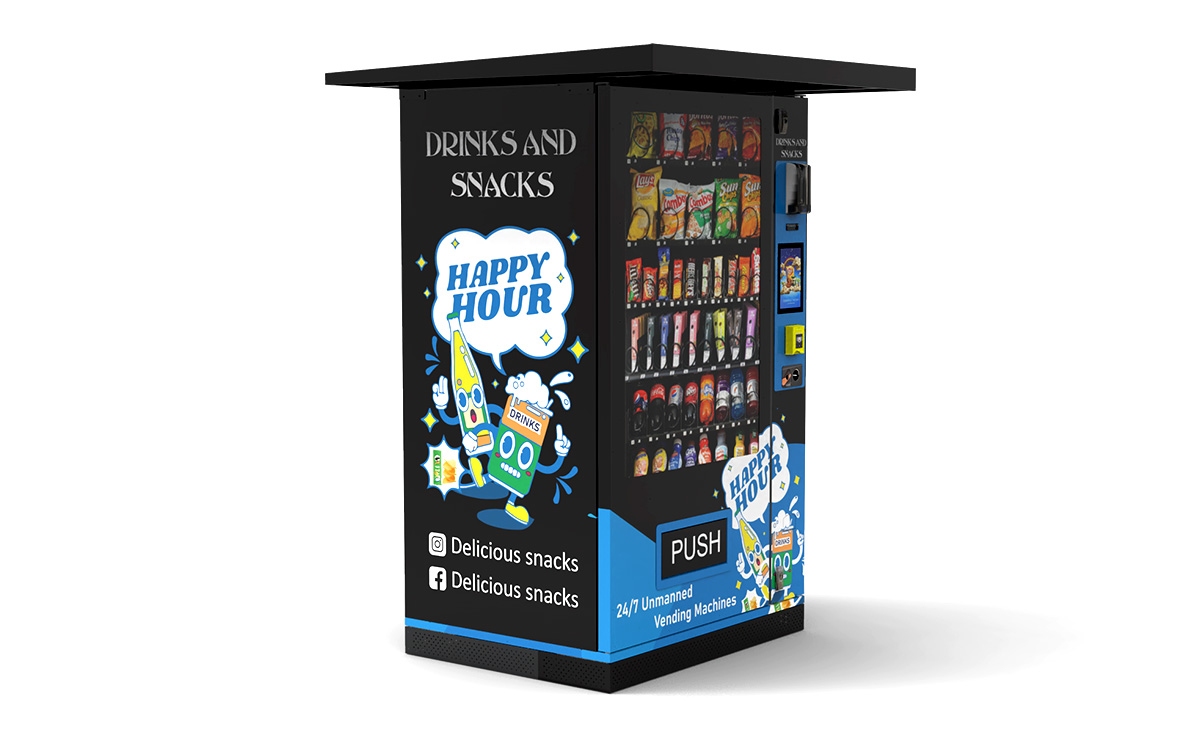
These figures are based on my own deployments and conversations with other operators. Your actual results will depend on location, product pricing, and how often you restock. The monthly revenue estimates assume a well-placed machine in a moderate to high-traffic area. If you place the machine in a low-traffic spot, you could see numbers 40 to 60 percent lower.
When evaluating a hair vending machine for sale, do not just look at the purchase price. Factor in shipping, installation, and any customization fees. I have seen operators buy a cheap machine only to spend another $1,200 on payment system upgrades within the first three months.
Operating Costs You Cannot Ignore
Many newcomers underestimate the ongoing costs. Here is what I track for every machine I operate.
Inventory and Restocking
Hair products have a higher cost of goods sold than snacks or drinks. Expect to spend 40 to 50 percent of your retail price on inventory. Restocking frequency depends on sales velocity. In a good location, I restock every five to seven days. In slower spots, every two weeks. Each restocking trip costs time and fuel, so factor in at least $50 to $100 per visit depending on distance.
Maintenance and Repairs
Vending machine repair costs vary widely. Basic issues like a jammed elevator or a faulty card reader can cost $150 to $300 per service call. More complex problems, such as a failed compressor in a climate-controlled unit, can run $500 to $1,200. I recommend setting aside 10 percent of your monthly revenue for maintenance. Over a year, that covers most unexpected repairs.
Payment Processing Fees
Card and mobile payments typically cost 2.5 to 3.5 percent per transaction. If your machine does $5,000 per month in sales, that is $125 to $175 in fees. Cash transactions have no fee, but they require more frequent collection and counting.
Location Fees or Rent
If you place your machine on private property, expect to pay rent or offer a revenue share. Rent for a high-traffic spot can range from $200 to $800 per month. Revenue shares usually fall between 10 and 20 percent of gross sales. I prefer revenue share agreements because they align incentives—if the location does not perform, you pay less.
How to Choose a Reliable Manufacturer
Not all vending machine manufacturers understand the specific needs of hair product vending. I have worked with several suppliers over the years, and I have learned to look for specific features rather than brand names.
First, check the compartment size. Standard vending machines have compartments designed for cans and bags. Hair products need deeper, wider slots. If a manufacturer cannot customize compartment dimensions, move on. Second, verify the payment system compatibility. The machine should support NFC, EMV chip cards, and mobile wallets out of the box. Third, ask about remote monitoring. Machines with telemetry let you see inventory levels and sales data in real time, which reduces restocking trips and prevents lost sales from empty slots.
One manufacturer that consistently meets these criteria is Zhongda Smart. I have used their units in two of my locations, and the build quality holds up well in high-usage environments. Their compartments are configurable, and their payment integration works smoothly with major processors. I recommend reaching out to them if you are serious about entering this niche, but always compare multiple quotes and check references before committing.
Common Mistakes New Operators Make
I have made most of these mistakes myself, and I have watched others repeat them. Here are the ones that cost the most money.
Buying the Cheapest Machine Available
A low upfront cost often hides poor construction. I bought a $3,000 machine in my second year, and it broke down four times in the first six months. The total repair cost exceeded the purchase price. Invest in a mid-range or premium unit from the start. The difference in reliability is dramatic.
Ignoring Local Regulations
Vending machines fall under different rules depending on the jurisdiction. Some cities require permits, health department inspections, or sales tax registration. I once had to pay a $500 fine because I did not register the machine with the local business license office. Check with your city or county clerk before installing anything.
Overlooking Payment System Reliability
A machine that only takes cash will lose at least 30 percent of potential sales. In 2026, that number is even higher. Make sure your machine supports multiple payment methods. I lost an estimated $2,000 in sales over three months because my card reader kept failing. I replaced it with a higher-quality unit and sales jumped immediately.
Poor Product Selection
Do not just fill the machine with whatever you can source cheaply. Study the local demographic. If the area has a high demand for lace frontals, stock those. If braiding hair is popular, prioritize that. I keep a spreadsheet of which products sell fastest in each location, and I adjust inventory every month. Machines that carry the wrong products sit full while customers walk away.
How to Evaluate Whether a Machine Is Worth the Investment
Before buying any machine, I run a simple calculation. I estimate the monthly revenue based on foot traffic, average transaction value, and conversion rate. Then I subtract inventory cost, location fees, payment processing, and maintenance. If the net monthly profit is less than 20 percent of the machine cost, I pass.
For example, a $7,000 machine that nets $700 per month gives a ten-month payback, which is acceptable. A $7,000 machine that nets $350 per month gives a twenty-month payback, which is too risky. I have walked away from deals where the numbers did not work, and I have never regretted it.
Also consider the resale value. High-quality machines from reputable manufacturers hold value better. If you decide to exit the business, you can often sell a well-maintained unit for 40 to 60 percent of the original price. Cheap machines have almost zero resale value.
Real Data from the Field
I track all my machines using a cloud-based management system. Across six hair vending machines I currently operate, the average monthly revenue per machine is $3,200. The highest-performing unit, located near a braiding studio in Atlanta, averages $6,800. The lowest, in a suburban shopping center, averages $1,100. I pulled that machine after eight months.
According to IBISWorld, the vending machine industry in the United States generated $7.6 billion in revenue in 2024, with the specialized segment growing faster than traditional snack and beverage vending. The National Automatic Merchandising Association (NAMA) also reports that cashless payment adoption in vending exceeded 70 percent in 2025, which aligns with what I see in my own operations.
These numbers reinforce what I tell every new operator: the opportunity is real, but it requires discipline. Do not expect to get rich overnight. Expect to learn, adjust, and reinvest.
Frequently Asked Questions
Do hair vending machines actually make money?
Yes, but only if placed correctly. I have machines that generate over $6,000 per month and others that barely break $1,000. The difference is location, product selection, and maintenance. On average, a well-run machine nets $800 to $2,000 per month after all costs.
How much does a hair vending machine cost?
Prices range from $3,500 for a basic unit to $15,000 for a premium model with touchscreen and climate control. I recommend budgeting $7,000 to $10,000 for a machine that will last and perform well.
How long does it take to recoup the investment?
Based on my experience, payback periods range from six to eighteen months. The fastest payback comes from high-traffic urban locations with strong demand for hair products. Slower locations can take over two years.
Should a beginner buy or lease a machine?
I recommend buying if you have the capital. Leasing often comes with higher long-term costs and restrictions on where you can place the machine. If you are testing the market, consider buying a used mid-range machine from a reputable seller.
Where is the best place to put a hair vending machine?
Beauty supply stores, salons, braiding studios, and urban transit hubs perform best. Avoid locations with low foot traffic or a demographic that does not regularly purchase hair products.
What permits do I need?
Requirements vary by city and state. At minimum, you need a business license and a sales tax permit. Some locations require a vending machine permit or health department inspection. Check with your local government before installing.
How do I choose a supplier?
Look for a manufacturer that offers customizable compartments, reliable payment systems, and remote monitoring. Zhongda Smart is one option I have used successfully, but always compare multiple suppliers and ask for references.
What happens if the machine breaks down?
Have a vending machine repair technician on call. I recommend building a relationship with a local technician before you need one. Keep a spare parts kit with common components like card readers, motors, and sensors.
How can I reduce restocking and maintenance costs?
Use a machine with remote monitoring so you only visit when inventory is low. Standardize your product sizes to simplify restocking. Perform monthly cleaning and inspections to catch small issues before they become big repairs.
Final Thoughts from the Field
The hair vending machine for sale in 2026 is not a gimmick. It is a legitimate business tool that serves a real market need. I have seen it work in the right hands, and I have seen it fail when operators skip the homework. If you take the time to understand your location, choose reliable equipment, and manage your costs carefully, you can build a profitable automated retail operation. If you rush in without planning, you will join the long list of operators who learned the hard way.
This article reflects my personal experience and publicly available data. Individual results vary based on location, market conditions, and operational decisions. No guarantees of profit are implied. Always consult local regulations and conduct your own due diligence before making any investment.
本文更新于2026年1月。