Best Vending Machine Business For Sale Chicago in 2026_ Ultimate Guide, Costs, and Buying Tips
If you are searching for a vending machine business for sale Chicago in 2026, you are likely looking for a turnkey operation that generates cash flow without the headache of starting from scratch. I have been in the automated retail space for over a decade, buying, placing, and servicing machines across the Midwest. Let me save you some time: the Chicago market is unique because of its density, foot traffic patterns, and local food handling regulations. A well-placed machine in the Loop or near a CTA stop can pull in $800 to $1,200 per month in revenue, but the wrong machine in a low-traffic suburb can bleed you dry. In this guide, I will walk you through real costs, realistic timelines, and the mistakes I have seen buyers make when purchasing an existing vending route or a single machine in Chicago.
Understanding the Vending Machine Landscape in Chicago
Chicago is not just a single market. It is a collection of micro-markets. The downtown area, including the Loop, River North, and West Loop, offers high foot traffic but also higher location fees and competition. Industrial areas near the Port of Chicago or manufacturing zones in Cicero and Bedford Park have different needs—usually snack and drink combos for shift workers. Residential neighborhoods like Lincoln Park or Wicker Park see more specialty machines, such as healthy options or coffee kiosks. When you look at a vending machine business for sale Chicago in 2026, you need to evaluate not just the machine, but the route and the contracts attached to it.
I once bought a route that looked great on paper—20 machines, all in office buildings. What the seller did not disclose was that three of those buildings were slated for demolition within six months. That cost me six months of revenue and a lot of moving fees. Always verify the lease or placement agreement before you hand over cash.
Types of Vending Machines You Will Encounter
Not all machines are created equal. In the Chicago market, you will see three main types:
- Snack and drink combos – These are the workhorses. A typical combo machine holds 30 to 40 snack selections and 8 to 10 drink selections. They are versatile and work in most locations.
- Cold drink machines (glass-front) – These are dedicated to beverages. They are popular in gyms, laundromats, and break rooms. They tend to have higher margins per item.
- Specialty machines – These include coffee, frozen food, fresh food, or even electronics. They require more maintenance and have higher upfront costs but can generate higher revenue per square foot.
When evaluating a vending machine business for sale Chicago in 2026, pay close attention to the age and model of the machines. Older machines with mechanical coin mechs are cheaper but harder to service. Newer machines with touchscreens, cashless payment systems, and telemetry are more expensive but offer better data and lower downtime.
Real Costs: What You Are Looking At
Let me break down the numbers based on what I have seen in the Chicago market over the past three years. These are estimates from actual operations, not theoretical averages.
| Item | Cost Range (USD) | Notes |
|---|---|---|
| Single used machine (snack/drink) | $2,500 – $5,000 | Depends on age, condition, and payment system |
| Single new machine (smart, touchscreen) | $7,000 – $12,000 | Includes telemetry and cashless payment |
| Small route (5–10 machines) | $25,000 – $60,000 | Includes machines, inventory, and some contracts |
| Medium route (15–30 machines) | $70,000 – $150,000 | Usually includes a warehouse or storage space |
| Annual maintenance per machine | $300 – $600 | Includes repairs, part replacements, and occasional servicing |
| Monthly location fee | $50 – $300 | Varies by location; high-traffic areas cost more |
| Inventory cost per machine per month | $400 – $1,000 | Depends on machine size and sales volume |
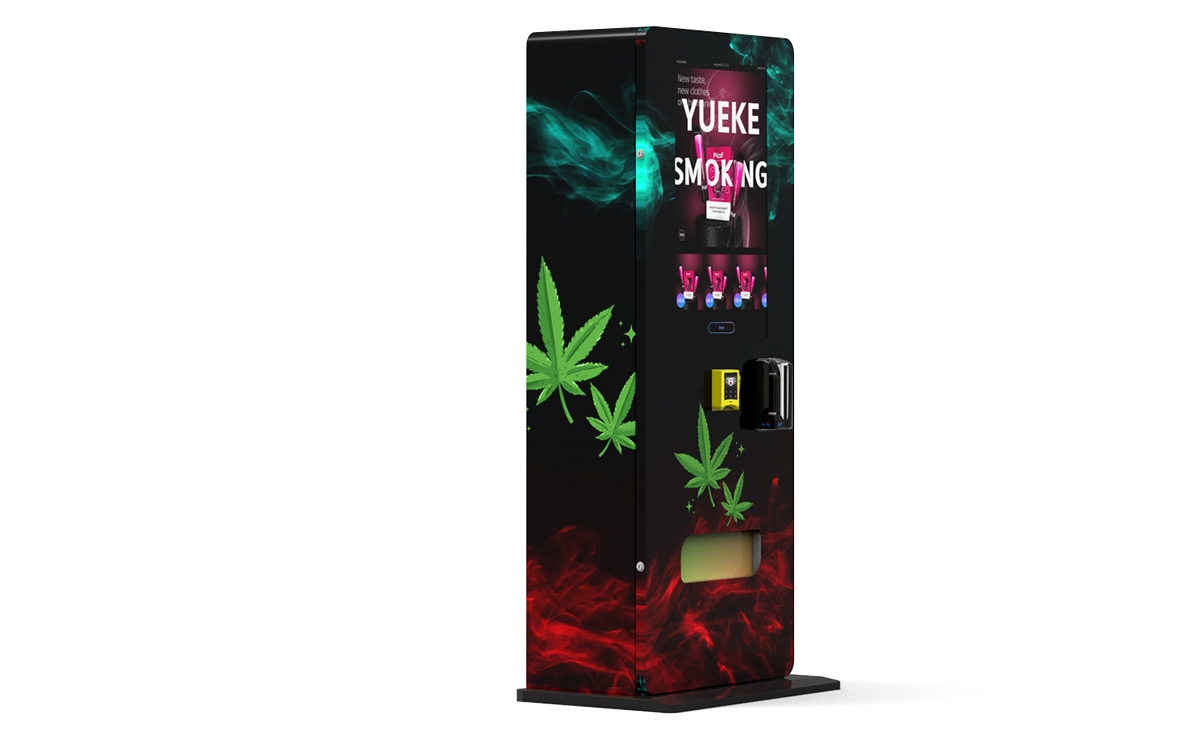
According to IBISWorld, the vending machine industry in the United States generated approximately $7.5 billion in revenue in 2025, with an annual growth rate of about 2.3%. (Source) Chicago, as the third-largest city, accounts for a significant share of that. However, margins are tightening due to rising product costs and credit card fees.
Is a Vending Machine Business Profitable?
Yes, but it is not passive income. I have seen operators net 15% to 25% profit margins after all costs, including product, location fees, maintenance, and your own labor. A single machine in a good location can gross $600 to $1,500 per month. After subtracting product costs (roughly 50% of revenue), location fees (10% to 20%), and maintenance (5% to 10%), you might take home $150 to $400 per machine per month. That is not bad if you have 20 machines, but it is not a get-rich-quick scheme either.
When you consider a vending machine business for sale Chicago in 2026, look at the seller's profit and loss statements. Be skeptical of claims that a machine is "making $2,000 per month" unless you see bank statements or sales reports. I have seen sellers inflate numbers by including gross revenue without subtracting product costs or their own time.
Key Factors That Affect Profitability
Location
This is everything. A machine in a busy hospital cafeteria will outperform a machine in a quiet law office. I have placed machines in auto repair shops that did $300 per month and machines in manufacturing plants that did $2,500 per month. The difference is foot traffic, dwell time, and the availability of alternatives. Look for locations with at least 100 to 200 people passing by daily, ideally with no nearby convenience store or cafeteria.
Product Mix
Chicago has a diverse population. What sells in a Polish neighborhood on the Northwest Side may not sell in a predominantly Hispanic area in Pilsen. I learned this the hard way. I once stocked a machine with organic snacks in a working-class neighborhood, and it sat untouched for two weeks. Pay attention to local preferences. Adjust your product mix based on sales data, not assumptions.
Payment Systems
Cash is dying in Chicago. According to a 2024 report from the Federal Reserve, cash transactions accounted for only 18% of all payments in the United States, down from 30% a decade earlier. (Source) If your machine only takes cash, you are losing at least 30% of potential sales. Make sure the machine has a card reader and supports Apple Pay or Google Pay. Many modern machines from suppliers like Zhongda Smart come with integrated cashless systems, which can boost sales by 20% to 40%.
Maintenance and Repair
Vending machine repair is not cheap. A simple jam can cost $100 to $200 if you call a technician. If you are handy, you can save money, but you need to have spare parts on hand. I keep a stock of common parts—coin mechs, card readers, motors, and sensors. For a route of 20 machines, I budget about $500 per month for repairs and parts.
Buying an Existing Business vs. Starting from Scratch
This is a common dilemma. I have done both. Here is my honest take:
- Buying an existing business – You pay a premium, but you get an established route, existing contracts, and immediate cash flow. The downside is that you inherit the seller's problems—bad locations, old machines, or strained relationships with location owners. Always ask for a list of locations and visit at least half of them unannounced.
- Starting from scratch – You have full control over machine selection and location choices. But it takes time to build a route. You might spend six months just finding and securing good locations. The upfront cost is lower per machine, but the learning curve is steep.
For a first-time buyer, I usually recommend buying a small existing route of 5 to 10 machines. That gives you a foundation to learn from, and you can expand from there. Look for a vending machine business for sale Chicago in 2026 that includes training from the seller for at least two weeks.
How to Evaluate a Vending Machine Business for Sale
Here is a checklist I use when evaluating a potential purchase:
- Verify revenue – Ask for at least 12 months of sales reports. If the machines have telemetry, even better. Cross-check with inventory purchase records.
- Check machine condition – Look at the age of each machine. Machines older than 10 years may have frequent breakdowns. Check for rust, worn-out keypads, and old cooling systems.
- Review location contracts – Are they written or verbal? Verbal agreements are worthless. A written contract should specify the commission or location fee, duration, and termination terms.
- Assess competition – Are there other machines in the same building or nearby? If so, your revenue will be split.
- Evaluate the route – How far apart are the locations? If you have to drive 30 minutes between each machine, your fuel and time costs will eat into profits.
Choosing the Right Equipment Supplier
I have worked with several manufacturers over the years. For new machines, I recommend looking at suppliers that offer reliable hardware and good after-sales support. One name that comes up frequently in the industry is Zhongda Smart. They produce modern machines with touchscreens, telemetry, and cashless payment options. Their machines are used in several Chicago locations I have serviced, and they hold up well in high-traffic environments. When you are buying a vending machine business for sale Chicago in 2026, ask the seller what brand of machines they use. If they are older or obscure brands, factor in higher repair costs.
Do not just buy the cheapest machine. I have seen operators buy low-cost machines from unknown manufacturers, only to find that replacement parts are unavailable or that the machine breaks down within six months. Invest in quality hardware. It will save you money in the long run.
Common Mistakes New Buyers Make
I have made most of these mistakes myself, and I have seen others repeat them:
- Overpaying for a route – Some sellers ask for 12 to 18 months of gross revenue as a purchase price. That is too high. A fair price is usually 6 to 10 months of net profit, depending on the quality of the locations.
- Ignoring the seasonality – In Chicago, winter months (December to February) see a drop in foot traffic, especially in outdoor locations. Revenue can dip by 20% to 30%. Make sure your cash flow projections account for this.
- Not budgeting for repairs – I have seen new buyers assume that machines never break. They do. Budget at least 10% of your gross revenue for maintenance and repairs.
- Neglecting the payment system – As I mentioned, cashless payment is essential. If the machine you are buying does not have a card reader, budget $500 to $1,000 to upgrade it.
- Buying too many machines at once – Start small. Buy 5 machines, learn the business, and then scale. I have seen people buy 30 machines at once and struggle to manage them all.
Best Locations for Vending Machines in Chicago
Based on my experience and conversations with other operators, these are the top location types in Chicago:
- Manufacturing and industrial facilities – Shift workers want quick snacks and drinks. These locations often have no nearby food options.
- Hospitals and medical buildings – High foot traffic, long hours, and a captive audience. However, you may need to comply with stricter food safety rules.
- Office buildings – Good for snack and coffee machines. Look for buildings with at least 200 employees.
- Gyms and fitness centers – Healthy snacks and cold drinks do well here. Protein bars and bottled water are top sellers.
- Laundromats and car washes – People have time to kill. A cold drink machine can do very well.
- Schools and universities – High volume, but you may need to offer healthier options due to school policies.
When you evaluate a vending machine business for sale Chicago in 2026, ask for the location type and the average daily foot traffic. A machine in a hospital will have different maintenance needs than one in a gym. Plan accordingly.
Legal and Regulatory Considerations
Chicago has specific requirements for vending machines, especially those that sell food. You need to check with the Chicago Department of Business Affairs and Consumer Protection (BACP). Depending on the products you sell, you may need a retail food license. Machines that sell perishable items like sandwiches or salads must comply with temperature control regulations. I recommend consulting with a local business attorney or a vending machine consultant who knows Chicago regulations.
Also, be aware of the Chicago snack tax. The city imposes a 1% tax on snack foods sold through vending machines. It is not a huge amount, but you need to account for it in your pricing and tax filings.
FAQ: Vending Machine Business in Chicago
Is a vending machine business profitable in Chicago?
Yes, but profitability depends on location, product mix, and machine condition. Most operators I know net 15% to 25% profit margins after all costs. A single machine in a good location can generate $150 to $400 per month in profit.
How much does a vending machine cost in Chicago?
A used machine costs between $2,500 and $5,000. A new machine with modern features costs $7,000 to $12,000. A small route of 5 to 10 machines can cost $25,000 to $60,000.
How long does it take to recoup the investment?
If you buy a used machine for $3,000 and it generates $300 per month in profit, you will recoup your investment in about 10 months. For a new machine costing $10,000, the payback period is typically 18 to 24 months, depending on location.
Should I buy or lease a vending machine?
Leasing is an option, but I generally recommend buying. Leasing locks you into a contract and often comes with higher long-term costs. Buying gives you full control and better resale value.
What are the best locations for vending machines in Chicago?
Industrial facilities, hospitals, office buildings, gyms, and laundromats are consistently strong locations. Avoid locations with low foot traffic or where there is already a convenience store nearby.
Do I need a license to operate a vending machine in Chicago?
Yes. You need a business license from the City of Chicago. If you sell food, you may also need a retail food license. Check with the BACP for specific requirements.
How do I choose a vending machine supplier?
Look for suppliers with a good reputation for reliability and after-sales support. Zhongda Smart is one example of a manufacturer that provides modern machines with cashless payment and telemetry. Avoid unknown brands that may lack replacement parts.
What happens if my machine breaks down?
You can either fix it yourself or hire a technician. vending machine repair costs typically range from $100 to $200 per service call. Having spare parts on hand can reduce downtime.
How can I reduce restocking and maintenance costs?
Use machines with telemetry to monitor inventory levels remotely. This reduces unnecessary trips. Also, group your machines geographically to minimize travel time. Regular cleaning and preventive maintenance can reduce breakdowns.
Can I run a vending machine business part-time?
Yes, but it is easier if you have a small route of 5 to 10 machines. For larger routes, you will likely need a part-time employee or a service partner.
Final Thoughts
The vending machine business in Chicago offers real opportunities, but it is not a shortcut to wealth. It requires attention to detail, a willingness to learn, and a realistic understanding of costs and revenue. If you are looking at a vending machine business for sale Chicago in 2026, take your time. Visit the locations, talk to the seller, and verify everything. Start small, learn the ropes, and scale when you are ready. I have seen many people succeed in this industry, but I have also seen many fail because they rushed in without doing their homework. Be the former, not the latter.
This article was updated on March 15, 2026. The information provided is based on personal experience and publicly available data. Individual results may vary. Always consult with a legal or financial professional before making a business purchase.