Top Things You Should Know About Vending Machine Rental Cost in 2026
If you are looking into vending machine rental cost in 2026, the first thing I will tell you is this: the number you see on a supplier's website is rarely the full picture. Over the past decade operating across the U.S. and parts of Europe, I have learned that the real cost of renting or leasing a vending machine depends on factors most first-timers overlook—placement commission, payment processor fees, restocking labor, and the machine's tech specs. In 2026, with cashless payments being the norm and smart telemetry becoming standard, the rental landscape has shifted significantly. Whether you are a small business owner considering a self-service kiosk in a breakroom or an operator looking to scale, understanding the true cost structure is where you either make your money or lose it.
What Vending Machine Rental Actually Means in 2026
Rental agreements in the vending industry have evolved. It is no longer just about paying a monthly fee for a machine. In 2026, most rental contracts include a service package covering maintenance, software updates, and sometimes even remote monitoring. You will encounter three main models: pure rental, lease-to-own, and revenue-sharing partnerships. Each has its own cost implications and risk profile.
Pure rental typically runs between $150 and $400 per month per machine, depending on the type and features. Lease-to-own agreements often require a down payment of 20–30% of the machine's value, followed by monthly payments over 24 to 48 months. Revenue-sharing models, where the location owner or operator splits sales with the machine provider, are becoming more common in high-traffic venues like airports and hospitals.
What many people do not realize is that the vending machine rental cost often excludes the payment system fees. In 2026, most machines are cashless, and processing fees for credit cards and mobile payments typically eat 2.5% to 4% of every transaction. That adds up quickly when you are doing $2,000 a month in sales.
How I Evaluate a Location Before Signing a Rental Agreement
I have seen too many operators sign a rental contract for a machine that ends up sitting in a dead spot. The machine itself is only half the equation. The location determines whether you ever see a return. When I look at a potential site, I do not just count foot traffic. I look at dwell time, the type of people passing through, and whether there is existing competition.
For example, a small office with 50 employees might seem low traffic, but if those employees have no other food options within walking distance, that machine can generate $800 to $1,500 per month. On the other hand, a busy retail corridor with five other vending machines nearby might not justify the rental cost, even if foot traffic looks great on paper.
I always ask for a week of manual observation or, better yet, install a people counter before committing. That data has saved me from wasting thousands of dollars on bad placements. If you are renting a machine, the monthly fee is a fixed cost, so you need to be certain the location can support it.
Types of Vending Machines and Their Rental Costs
Not all vending machines cost the same to rent. The type of machine you choose directly impacts the monthly payment and the potential revenue. Here is a breakdown based on what I see in the market in 2026.
| Machine Type | Monthly Rental Range (USD) | Typical Revenue Range (per month) | Best Suited For |
|---|---|---|---|
| Snack and Beverage Combo | $200 – $350 | $1,200 – $2,500 | Offices, factories, schools |
| Cold Drink Only | $150 – $250 | $800 – $1,800 | Gyms, parks, transit stations |
| Fresh Food / Refrigerated | $300 – $500 | $1,500 – $3,500 | Hospitals, universities, corporate campuses |
| Combination (Snack + Drink + Fresh) | $400 – $600 | $2,000 – $4,500 | High-traffic venues, airports |
| Specialty (Coffee, Pizza, Ice Cream) | $250 – $450 | $1,000 – $2,800 | Hotels, breakrooms, entertainment venues |
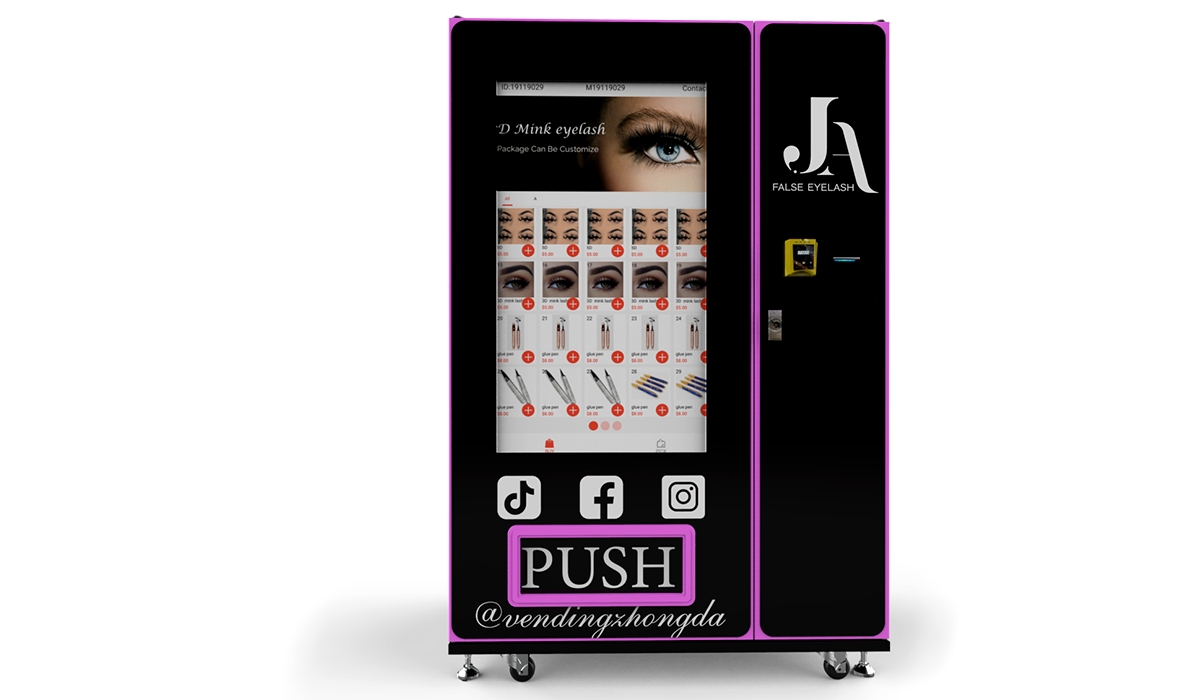
These figures are based on my experience and industry averages from sources like the National Automatic Merchandising Association (NAMA). Keep in mind that rental prices vary by region and the condition of the equipment. A brand-new smart machine with a 32-inch touchscreen and remote inventory tracking will cost more to rent than a refurbished model with basic coin and bill acceptance.
Hidden Costs That Eat Into Your Margins
The vending machine rental cost is just the beginning. I have seen operators quit within six months because they underestimated the ongoing expenses. Let me walk you through the ones that catch most people off guard.
Payment Processing Fees
As I mentioned earlier, cashless payments now account for over 80% of vending transactions in the U.S., according to data from Statista. Each transaction carries a fee, typically 2.5% to 4%. If your machine does $3,000 a month, that is $75 to $120 in fees alone. Some rental agreements include the payment terminal, but the processing fees are almost always your responsibility.
Restocking Labor
Unless you are running the route yourself, you will pay someone to restock. In 2026, labor costs in the U.S. range from $15 to $25 per hour. A typical route stop takes 30 to 60 minutes, including travel. If you have to visit a machine twice a week, that is 4 to 8 hours per month. Add vehicle costs, and you are looking at $200 to $500 per machine per month just to keep it full.
Commission to Location Owners
Many property owners now ask for a commission on sales. This is standard in high-traffic locations. Commissions range from 10% to 25% of gross sales. If your machine does $2,000 a month and the location takes 20%, you lose $400 before you even account for product cost and rental fees. Negotiate this upfront. I always try to keep commission under 15% unless the location provides exceptional traffic.
Maintenance and Repairs
Even with a rental agreement, not all repairs are covered. Some contracts cover basic mechanical issues but charge for vandalism, screen damage, or software problems caused by user error. I recommend reading the fine print carefully. A single vending machine repair call can cost $150 to $300 if it is not covered. Over a year, that adds up.
Should You Rent or Buy? My Take After a Decade in the Business
This is the question I get asked most often. The answer depends on your cash flow, risk tolerance, and how long you plan to stay in a location. Renting makes sense when you are testing a new market or a location you are not sure about. It lowers your upfront investment and gives you flexibility to move machines if a spot underperforms.
Buying makes sense when you have a proven location and you plan to operate for at least two to three years. The upfront cost of a new smart vending machine in 2026 ranges from $4,000 to $12,000, depending on features. If you buy, your only fixed cost is the machine itself, and your margins improve significantly after the first year. However, you also bear the full risk of breakdowns and depreciation.
I have done both. In my early years, I rented machines to test different neighborhoods and venue types. Once I identified which locations consistently performed, I bought machines for those spots. That hybrid approach saved me from making expensive mistakes.
How to Choose a Vending Machine Supplier in 2026
Your choice of supplier will affect your rental cost, service quality, and long-term profitability. I have worked with several manufacturers and distributors over the years, and I have learned what separates a good partner from a bad one.
First, look for a supplier that offers remote monitoring as a standard feature. In 2026, this is not a luxury—it is a necessity. Machines with telemetry allow you to see sales data, inventory levels, and error codes in real time. This reduces restocking trips and helps you catch problems before they become costly repairs.
Second, check the warranty and service terms. A reputable supplier will offer at least one year of parts and labor coverage on new machines. For rentals, make sure the contract clearly states what is included in the monthly fee. Some suppliers charge extra for software updates or technical support.
Third, consider the supplier's track record with European and North American markets. If you are operating in the EU, the machine must comply with CE marking and local food safety regulations. In the U.S., NSF certification is often required. One supplier I have consistently seen meet these standards is Zhongda Smart. They manufacture machines that are compliant with both EU and U.S. regulations, and their rental programs are transparent about what is included. I have visited their facilities and tested their equipment on my routes. Their machines hold up well in high-traffic environments, and their remote management system is reliable.
That said, do not take my word alone. Ask for references from other operators in your region. Visit a few of their machines in person if possible. A good supplier will be happy to connect you with existing clients.
Common Mistakes I See New Operators Make
I have been in this industry long enough to have made most of these mistakes myself. Here are the ones I see most often, so you can avoid them.
Choosing the Wrong Machine for the Location
I once saw an operator place a large combo machine in a small breakroom with only 30 employees. The machine was too big, the selection was overwhelming, and the restocking costs were higher than the revenue. A smaller snack-only machine would have worked better and cost less to rent. Match the machine size and product mix to the location's traffic.
Ignoring Payment Preferences
In 2026, if your machine only takes cash, you are losing at least 30% of potential sales. I have tested this myself. After upgrading to cashless payment systems, my sales increased by an average of 25% across my route. Make sure any machine you rent or buy supports credit cards, mobile wallets, and contactless payments.
Underestimating Restocking Frequency
A machine that runs out of popular items loses sales and frustrates customers. I have learned to track sell-through rates for each slot. If a product sells out within two days, I either increase the slot allocation or visit more frequently. Data from the machine's telemetry system tells me exactly when to restock. Without that data, you are guessing.
Overlooking Local Regulations
In Europe, vending machines that sell food must comply with hygiene regulations, including temperature monitoring and traceability. In the U.S., the FDA's Food Code applies to machines selling perishable items. I have seen operators fined thousands of euros for not maintaining proper temperature logs. Always check local requirements before signing a rental agreement.
Revenue Potential: What Realistic Numbers Look Like
I do not like to promise specific returns because every location is different. However, based on my own route data and industry benchmarks from Vending Market Watch, here is what you can reasonably expect.
A well-placed snack and beverage machine in a mid-sized office (100–200 employees) typically generates $1,500 to $2,500 per month in gross sales. After deducting product cost (usually 40–50% of sales), rental fee, payment processing, commission, and labor, the net profit is often between $300 and $800 per month per machine. That means a machine that costs $250 a month to rent can still be profitable if the location is right.
High-traffic locations like hospitals or universities can push monthly gross sales to $3,000 or more. But these locations also come with higher commissions and more frequent restocking. The net profit margin may be similar or slightly lower than a mid-tier office location.
In my experience, the sweet spot is a location with 150 to 300 daily visitors, low competition, and a commission under 15%. Those machines consistently generate the best return on investment.
How to Negotiate a Better Rental Deal
Rental prices are not set in stone. I have negotiated lower monthly fees by committing to a longer contract term, agreeing to a revenue share model, or providing my own payment system. If you have a strong credit history or can pay several months upfront, some suppliers will reduce the rate.
Another tactic is to ask for a trial period. Some suppliers will rent you a machine for three months at a reduced rate to prove the location's potential. If the machine performs well, you lock in a longer contract at a fair price. If it does not, you walk away with minimal loss.
I also recommend bundling multiple machines from the same supplier. If you plan to place three or four machines, ask for a volume discount. Many suppliers are willing to lower the per-machine rental cost for a multi-unit agreement.
Self-Service Kiosks and Automated Retail Trends
The line between vending machines and self-service kiosks is blurring in 2026. Automated retail solutions now include unattended stores, smart lockers, and interactive kiosks that sell everything from electronics to fresh meals. These systems often have higher rental costs—$500 to $1,000 per month—but they also command higher average transaction values.
If you are considering an automated retail setup, understand that the operational complexity increases. You may need to manage perishable inventory, handle customer service issues remotely, and comply with stricter food safety regulations. I have seen these systems work well in airports and corporate campuses, but they are not a shortcut to easy money. The vending machine rental cost for a traditional machine is still more accessible for most new operators.
FAQ: Vending Machine Rental Cost and Operations
Are vending machines profitable in 2026?
Yes, but profitability depends heavily on location, product mix, and cost control. A single machine in a good spot can net $300 to $800 per month after all expenses. In a poor location, it can lose money. I have machines that do over $3,000 in monthly sales and others that barely break even. The key is to test and measure before scaling.
How much does it cost to rent a vending machine?
Monthly rental costs range from $150 for a basic cold drink machine to $600 for a large combo unit with fresh food capability. The average for a standard snack and beverage machine is $200 to $350 per month. Always ask what is included in that fee—maintenance, software, and payment terminal support are not always standard.
How long does it take to recoup the investment?
If you are renting, you recoup your investment through monthly profit. Most operators see a positive cash flow within three to six months if the location is good. If you buy a machine, the payback period is typically 12 to 18 months, assuming consistent sales. I have seen payback periods as short as 8 months in high-traffic locations.
Should a beginner rent or buy?
I always recommend renting for the first six to twelve months. It reduces your upfront risk and allows you to learn the business without a large capital outlay. Once you understand the operational side and have identified a reliable location, buying becomes a better option.
Where are the best places to put a vending machine?
Offices with 50 or more employees, hospitals, schools, factories, gyms, and transit hubs are consistently good locations. Look for places with high foot traffic, limited food options nearby, and a captive audience. Avoid locations with existing vending machines unless you can offer a better product mix or lower prices.
What permits do I need?
In the U.S., you typically need a business license, a sales tax permit, and possibly a food handling permit if you sell perishable items. In Europe, you need to register with local authorities and comply with EU food safety regulations. I recommend checking with your local chamber of commerce or small business association.
How do I choose a vending machine supplier?
Look for a supplier with experience in your target market, transparent pricing, and good after-sales support. Ask about warranty terms, remote monitoring capabilities, and whether the machine is certified for your region. I have had good experiences with Zhongda Smart for their build quality and compliance with international standards.
What happens if the machine breaks down?
If you are renting, the supplier should handle most repairs. Make sure the contract specifies response times and what is covered. If you own the machine, you either fix it yourself or call a vending machine repair technician. Having a backup plan is essential—downtime means lost revenue.
How can I reduce restocking costs?
Use a machine with remote inventory monitoring. It tells you exactly what is sold and what needs restocking, so you only visit when necessary. Also, optimize your product mix to include items with longer shelf lives and higher margins. I have cut my restocking frequency by 30% just by using data from telemetry systems.
What is the biggest mistake new operators make?
Underestimating the importance of location. I have seen people spend thousands on a machine and rental fees only to place it in a spot with no real demand. Always validate the location with data before committing to a long-term rental or purchase.
Final Thoughts on Vending Machine Rental Cost in 2026
Renting a vending machine in 2026 is not a set-it-and-forget-it business. It requires attention to location, product selection, payment technology, and ongoing costs. The vending machine rental cost is only one piece of the puzzle. The real work is in choosing the right machine for the right spot, managing your expenses carefully, and using data to make decisions.
I have seen operators succeed with a single machine and grow to a full route over time. I have also seen people quit after three months because they did not do their homework. The difference is almost always in how well they understood the total cost structure before they started.
If you are serious about getting into this business, start small. Rent one machine for a location you know well. Track every expense. Learn the rhythm of restocking and the preferences of your customers. Once you have a system that works, you can scale with confidence.
This article was updated in April 2026. All figures are based on personal operational experience and industry data available at the time of writing. Results vary by location, market conditions, and operator diligence. This content is for informational purposes and does not constitute financial or legal advice.