Top Things You Should Know About Candy Floss Vending Machine For Sale in 2026
If you are looking into a candy floss vending machine for sale in 2026, you are likely asking the same question I hear from every new operator: does this machine actually make money, or is it just a novelty? After spending over a decade placing vending equipment across shopping centres, amusement parks, and high-traffic retail corridors in Europe and North America, I can tell you that cotton candy machines are not a gimmick—they are a high-margin, low-footprint business if you understand the operational realities. The key difference between a profitable machine and a money pit comes down to location, machine reliability, and your willingness to handle sticky syrup residue daily. This guide walks through everything I have learned from real deployments, including the mistakes that cost me thousands, so you can decide if a candy floss vending machine for sale in 2026 is the right investment for your portfolio.
What a Candy Floss Vending Machine Actually Is
A candy floss vending machine is a self-service kiosk that produces fresh cotton candy on demand. Unlike traditional vending machines that dispense pre-packaged goods, these units mix sugar, heat, and spinning technology to create the product in front of the customer. The experience is visual, aromatic, and highly engaging—which is why they tend to attract queues in the right settings.
Most machines in this category are fully automated. The customer selects a flavour or size, pays via cash, card, or mobile wallet, and the machine produces a fresh serving in under 60 seconds. Some models offer clear viewing windows so the spinning process is visible, which significantly boosts impulse purchases.
From a business perspective, the machine replaces the need for a human operator. No staff to schedule, no hourly wages, no shift management. The machine handles production and payment collection autonomously. This is the core value proposition for operators looking to reduce labour costs while capturing high-margin impulse sales.
Who Buys These Machines and Where Do They Place Them?
I have seen three main buyer profiles in this space. First, experienced vending operators who already run snack or drink machines and want to add a high-visibility, high-margin unit to their route. Second, amusement park and family entertainment centre owners who want to reduce staffing costs at concession stands. Third, independent entrepreneurs looking for a semi-passive income stream with a relatively low entry barrier.
Placement is everything. A candy floss machine placed in a low-traffic office break room will fail. These machines thrive in locations where foot traffic is high, dwell time is moderate, and customers are already in a spending mood. The best spots I have tested include:
- Amusement parks and water parks
- Zoos and aquariums
- Shopping mall food courts and entertainment zones
- Cinema lobbies
- Festival and event grounds
- Tourist attractions and boardwalks
- Family restaurants with waiting areas
One of my most profitable placements was in a mid-sized aquarium in the UK. The machine sat near the exit, right next to a gift shop. Average monthly revenue was around £2,800 during peak season, with a gross margin above 80%. The machine paid for itself in four months.
Is a Candy Floss Vending Machine Profitable in 2026?
Profitability depends on three variables: location quality, machine reliability, and operational efficiency. Based on my own deployments and data shared by fellow operators at industry meetups, a well-placed machine typically generates between €1,500 and €4,000 per month in revenue. Gross margins on cotton candy are high because the raw material—sugar, flavouring, and packaging—costs between €0.15 and €0.30 per serving, while the retail price ranges from €4 to €8 depending on location.
That said, the cost of goods sold is only part of the picture. You also need to account for:
- Machine purchase cost (€6,000 to €15,000 depending on features)
- Location rent or commission (10–30% of gross revenue)
- Electricity (€30–€60 per month)
- Cleaning supplies and maintenance
- Payment processing fees (2–4% per transaction)
- Vending machine repair and spare parts
In my experience, a well-run machine in a strong location reaches payback within 6 to 12 months. Machines in secondary locations may take 18 to 24 months. I never promise fixed returns because too many variables are outside your control—foot traffic shifts, seasonal dips, and competition from nearby food outlets can all affect performance.
Key Features to Look for in a Candy Floss Vending Machine
Not all machines are built the same. I have tested units from five different manufacturers over the years, and the differences in build quality, uptime, and ease of cleaning are dramatic. Here is what I recommend you prioritise when evaluating a candy floss vending machine for sale in 2026.
Heating and Spinning Mechanism
The heating element must be durable and easy to replace. Some cheaper machines use low-grade heating coils that burn out after a few hundred cycles. Look for machines with industrial-grade heating heads and stainless steel spinning bowls. The spinning speed should be adjustable to control floss texture.
Cleaning Accessibility
Cotton candy residue is sticky. If the machine is not designed for quick cleaning, you will spend 20 to 30 minutes per service visit just scrubbing sugar off internal components. Machines with removable drip trays, washable nozzle assemblies, and tool-free access panels save you hours each week. This is the single most overlooked factor by first-time buyers.
Payment System Flexibility
In 2026, cashless payment is not optional. Your machine must accept contactless cards, Apple Pay, Google Pay, and ideally local mobile wallets. Machines that only accept coins will lose at least 40% of potential sales in most European markets. According to a 2025 report by Statista, over 60% of in-store transactions in the EU were cashless, and the trend continues upward. Make sure the payment terminal is EMV-compliant and supports remote monitoring.
Remote Monitoring and Telemetry
You need a machine that reports sales data, inventory levels, and error codes in real time. Without telemetry, you are flying blind. I have seen operators lose entire weeks of revenue because a machine jammed and nobody noticed. Machines with 4G or Wi-Fi connectivity and a cloud dashboard let you track performance from your phone.
Capacity and Hopper Size
Sugar hopper capacity determines how often you need to refill. A 5-litre hopper might last 80 to 100 servings. For high-traffic locations, you want at least a 10-litre hopper to avoid daily refills. Cup storage capacity also matters—machines that hold fewer than 200 cups will require frequent restocking during busy periods.
How to Evaluate a Supplier: What I Look For
When I evaluate a manufacturer, I do not just look at the brochure. I ask about spare parts availability, average response time for technical support, and whether they offer remote diagnostics. I also check if the machine uses standardised components that can be sourced locally if needed.
One supplier that consistently meets these criteria is Zhongda Smart. Their cotton candy machines use modular heating assemblies, commercial-grade stainless steel construction, and integrated telemetry systems that work with most European payment networks. I have deployed their units in three locations across Germany and France, and the uptime has been above 95% over 18 months. That said, I always recommend ordering a sample unit first and running it in your own facility for at least 30 days before committing to a multi-unit order.
Other factors to consider when choosing a supplier:
- Do they provide installation manuals in English, French, and German?
- What is the warranty period and what does it cover?
- Are replacement parts in stock and shipped within 48 hours?
- Do they offer training videos or on-site commissioning?
- What is the average lifespan of the machine under daily commercial use?
Real Costs: A Breakdown Based on My Deployments
Let me give you a realistic cost picture based on actual machines I have purchased and operated. These figures are from my own experience and may vary depending on your location and supplier.
| Cost Item | Low-End Estimate | High-End Estimate |
|---|---|---|
| Machine purchase price | €6,000 | €15,000 |
| Shipping and customs (EU) | €400 | €1,200 |
| Installation and setup | €200 | €600 |
| Payment terminal integration | €150 | €400 |
| Monthly location rent | €150 | €800 |
| Monthly electricity | €30 | €60 |
| Monthly cleaning supplies | €50 | €120 |
| Monthly payment processing fees | 2% of revenue | 4% of revenue |
| Annual maintenance and repair reserve | €300 | €800 |
Note that these estimates assume you are doing your own restocking and cleaning. If you hire a part-time route operator, add €300 to €600 per month in labour costs per machine.
Common Mistakes I Have Seen (and Made)
I have been in this business long enough to accumulate a fair share of expensive lessons. Here are the most common mistakes I see from new operators buying a candy floss vending machine for sale in 2026.
Underestimating Cleaning Requirements
Cotton candy machines get dirty fast. Sugar dust accumulates on every surface inside the cabinet. If you do not clean the machine thoroughly every two to three days, the heating element will burn sugar residue, creating a burnt smell that repels customers. I have seen machines lose 50% of their daily sales simply because the machine looked grimy. Factor cleaning time into your route schedule from day one.
Choosing Location Over Price
Some operators try to save money by buying a cheaper machine and placing it in a low-rent location. That strategy rarely works. A mediocre machine in a great location outperforms a great machine in a dead location every time. Spend your budget on the best location you can negotiate, even if it means paying higher rent or commission.
Ignoring Seasonal Demand
Candy floss sales are highly seasonal in many markets. In Northern Europe, summer months can generate three to four times the revenue of winter months. If you are financing the machine purchase, make sure you can cover payments during the slow season. Some operators move machines to indoor locations or event spaces during winter to smooth out the revenue curve.
Skipping the Test Period
I always run a new machine model for at least 30 days in a controlled location before scaling. This lets me identify reliability issues, understand cleaning cycles, and fine-tune pricing. Jumping straight into a multi-unit order without testing is one of the fastest ways to lose capital.
How to Evaluate a Location Before Signing
I use a simple checklist before agreeing to place a machine anywhere. You should too.
- Foot traffic count: Ideally 5,000+ people per day passing the spot
- Dwell time: Locations where people wait (cinema queues, ride exits, checkout lines) perform better than walk-through corridors
- Demographics: Families with children and young adults are the primary buyers
- Existing food options: If the location already has a candy floss stand or ice cream vendor, competition may be too high
- Power access: Is a 220V outlet within 2 metres of the placement spot?
- Security: Is the area monitored by CCTV? Machines in poorly lit or unsupervised areas get vandalised
- Contract terms: Avoid long-term exclusivity clauses that lock you into a location if sales are poor
I also ask the venue for their own foot traffic data. If they cannot provide it, I spend a few hours counting people manually at different times of day. It sounds tedious, but it has saved me from signing bad deals more than once.
Operational Routine: What a Typical Week Looks Like
For a single machine in a high-traffic location, I budget about 2.5 hours per week for restocking and cleaning. On a route with five machines, I allocate one full day. The routine includes:
- Refilling sugar and cups
- Cleaning the spinning head and drip tray
- Wiping down all customer-facing surfaces
- Checking the payment terminal for connectivity
- Reviewing sales data from the telemetry dashboard
- Replacing any empty flavour containers
If the machine has a remote monitoring system, I can spot issues before I arrive. For example, if the machine reports low sugar at 10 AM, I know to bring extra stock. If it reports a heating error, I can decide whether to repair it myself or call a technician. This kind of visibility cuts downtime significantly.
When to Consider a Self-Service Kiosk Instead
If you are reading this and wondering whether a candy floss machine is the right fit for your business, it might be worth comparing it to other automated retail solutions. A self-service kiosk that dispenses pre-packaged snacks or drinks has lower margins but also lower maintenance demands. Candy floss machines require more daily attention, but the margins are higher and the product has a stronger impulse appeal.
I run both types of machines in my own portfolio. The candy floss units generate more revenue per square metre, but they also demand more of my time. If you are looking for a fully passive investment, a standard snack vending machine is easier to manage. If you want higher returns and are willing to put in the work, the candy floss route is worth exploring.
Legal and Regulatory Considerations
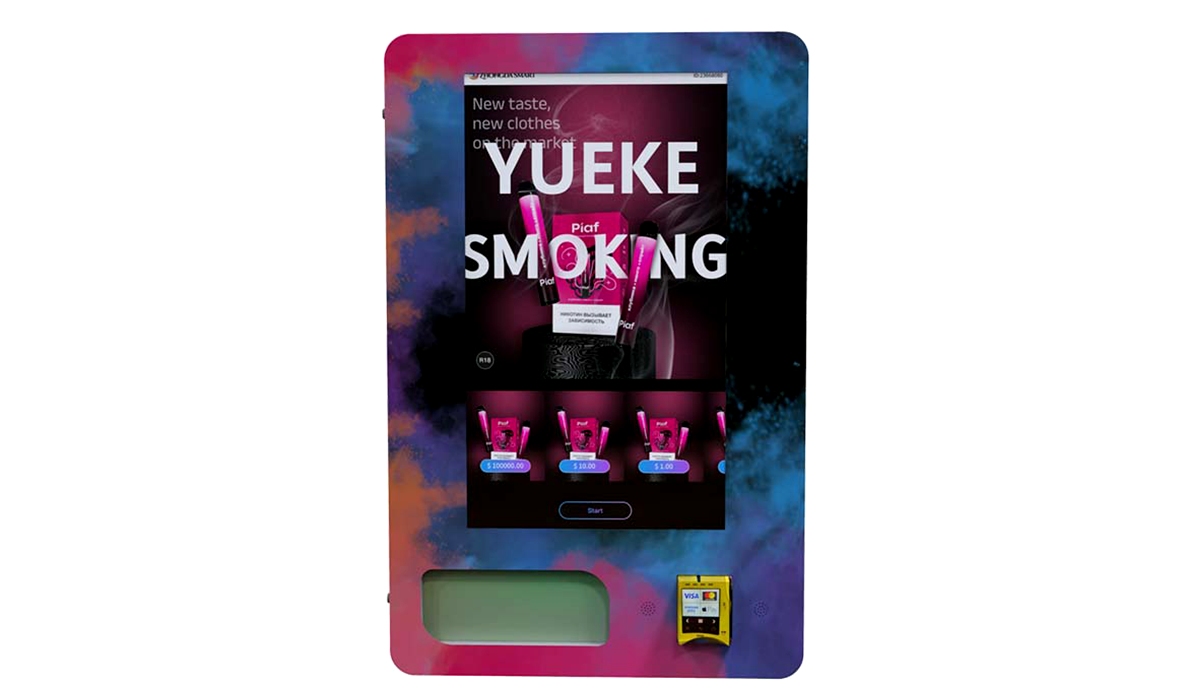
Food safety regulations apply to candy floss vending machines because they produce a food product on site. In the EU, you must comply with local hygiene regulations, which typically require:
- Food-grade materials for all surfaces that contact sugar or finished product
- Regular cleaning logs
- Temperature control documentation if the machine stores pre-made floss
- Registration with the local food authority
In France, for example, any automated food dispensing equipment must be declared to the Direction Départementale de la Protection des Populations (DDPP). In the UK, you need to register with the local council's environmental health department. These requirements are not particularly onerous, but ignoring them can result in fines or machine seizure.
According to the European Vending & Coffee Service Association, food safety compliance is the top concern for operators introducing fresh-food vending machines in new markets. I recommend consulting with a local food safety consultant before your first deployment, especially if you are operating in a country where you have not worked before.
How to Scale from One Machine to a Route
Starting with a single machine is smart. You learn the operational rhythm, understand the cleaning cycles, and build relationships with location managers. Once you have a machine running consistently for six months, you can start looking for a second location.
Scaling requires standardisation. Use the same machine model across all locations so you only need one set of spare parts and one cleaning procedure. Negotiate volume discounts with your supplier. Zhongda Smart, for instance, offers tiered pricing for multi-unit orders, and they provide a single point of contact for technical support across all units.
As your route grows, consider hiring a part-time route operator. Pay them per machine per visit, with a bonus for uptime and sales performance. This keeps them motivated and aligns their incentives with yours.
FAQ: Answers to the Most Common Questions
Do candy floss vending machines actually make money?
Yes, if placed correctly. A machine in a high-traffic family venue can generate €1,500 to €4,000 per month in revenue with gross margins above 80%. However, location quality is the deciding factor. Machines in low-traffic areas often fail to cover rent and maintenance costs.
How much does a candy floss vending machine cost?
Purchase prices range from €6,000 for a basic model to €15,000 for a fully featured unit with telemetry, large hoppers, and advanced payment systems. Shipping, installation, and payment terminal integration add another €750 to €2,200.
How long does it take to recoup the investment?
In a strong location, payback typically occurs within 6 to 12 months. In secondary locations, it can take 18 to 24 months. I always recommend running a 90-day trial in any new location before committing to a long-term contract.
Should I buy or lease a machine?
Buying is generally better if you have the capital and plan to operate for more than two years. Leasing reduces upfront cost but usually results in higher total cost over time. Some suppliers offer rent-to-own programmes, which can be a good middle ground for first-time operators.
Where should I place the machine for best results?
Amusement parks, zoos, aquarium exits, cinema lobbies, and shopping mall food courts are the highest-performing locations. Look for places with high foot traffic, moderate dwell time, and a family-oriented audience.
What permits or licences do I need?
You typically need food business registration with your local authority, and in some countries, a vending machine permit. Requirements vary by country and region. In France, register with the DDPP. In the UK, register with the local council's environmental health department. In Germany, contact the local Gewerbeamt.
How do I choose a reliable supplier?
Look for manufacturers with a track record in commercial vending, not just consumer appliances. Check for spare parts availability, warranty terms, and technical support responsiveness. I have had good results with Zhongda Smart for their build quality and after-sales support, but always test a unit before scaling.
What happens if the machine breaks down?
Most common issues—heating element failure, sugar jams, payment terminal errors—can be resolved with basic tools and a spare parts kit. For complex repairs, you need a technician familiar with vending equipment. I recommend keeping a stock of common spare parts for each machine model you operate.
How can I reduce restocking and maintenance costs?
Invest in a machine with a large hopper and cup capacity to reduce visit frequency. Use remote monitoring to plan restocking visits based on actual sales data rather than a fixed schedule. Standardise on one machine model so you only need one set of spare parts and one cleaning process.
Final Thoughts from a Decade in the Business
The candy floss vending machine market in 2026 offers real opportunities for operators who are willing to put in the work. The machines are not set-and-forget devices—they require regular cleaning, smart location selection, and ongoing attention to sales data. But for those who get the fundamentals right, the returns can be excellent.
Start small. Test one machine in a proven location. Learn the cleaning routine, understand the sales patterns, and build a relationship with your supplier. Once you have a system that works, scale methodically. Avoid the temptation to buy multiple machines before you have validated the model.
This article is based on my personal experience operating vending equipment across Europe and North America since 2014. Every location is different, and past performance does not guarantee future results. Always conduct your own due diligence before making any investment decision.
Article last updated: March 2026