How to Choose the Right Bulk Candy Vending Machines_ Complete Beginner's Guide
I have been in the vending machine business for over a decade, operating across several markets in the US and Europe. If you are reading this because you are considering buying your first machine, let me give you the honest truth upfront: choosing the right bulk candy vending machines is not about picking the cheapest model or the flashiest design. It is about matching the machine to the location, the product, and the operational reality you are willing to commit to. I have seen too many beginners buy a machine that looked good in a warehouse but bled money on a low-traffic floor. This guide will walk you through every factor I consider before I place a single unit, from cost and location to supplier selection and maintenance. By the end, you will know exactly how to evaluate a deal and avoid the mistakes that cost me my first year of profits.
Understanding the Bulk Candy Vending Machine Business
A bulk candy vending machine is a simple device. It dispenses loose candy, nuts, gum, or small toys by weight or by turn. There is no refrigeration, no complex electronics in many models, and no card reader required if you choose a mechanical unit. This simplicity is exactly why many beginners start here. The initial investment is lower than a full-size snack or soda machine, and the maintenance is less demanding. But simple does not mean easy. I have seen operators lose money because they underestimated the importance of product selection or overestimated foot traffic.
The bulk candy vending machine market in the US alone is estimated to be worth several hundred million dollars, with tens of thousands of units placed in retail stores, laundromats, barbershops, and restaurants. According to a report by IBISWorld, the vending machine industry in the US generates over $7 billion annually, with bulk machines representing a significant portion of the smaller operator segment. However, that revenue is not evenly distributed. A machine placed in a busy family restaurant will outperform one in a quiet office lobby every time.
From my experience, the key to success in this segment is volume. You need multiple machines in multiple locations to generate meaningful income. A single bulk candy vending machine might bring in $50 to $150 per month depending on the location. That is not a life-changing number, but when you scale to ten or twenty machines, the numbers start to make sense. The real profit comes from low product cost and low overhead.
Key Factors to Evaluate Before Buying
Location Is Everything
I cannot stress this enough. The location determines 80% of your success. I once placed a brand new machine in a small convenience store that had about fifty customers per day. The machine generated about $30 per month. I moved the same machine to a busy laundromat with over two hundred customers daily, and revenue jumped to $120 per month. The machine did not change. The location did.
When evaluating a location, look for places where people wait. Laundromats, car washes, barbershops, hair salons, arcades, and fast-food restaurants are classic examples. The waiting time gives people the opportunity to buy a small treat. Also consider locations with children. Family restaurants, bowling alleys, and indoor play areas are excellent. I always ask the business owner about foot traffic and average dwell time before I agree to place a machine.
Do not rely on your gut feeling. If possible, sit in the location for an hour and count the number of people who enter. Multiply that by the average transaction value you expect. This simple exercise has saved me from placing machines in dead zones more than once.
Machine Type: Mechanical vs. Electronic
Bulk candy vending machines come in two main types. Mechanical machines operate with a simple coin mechanism and a turn handle. They require no electricity. Electronic machines use a motor and often accept bills, coins, or even digital payments. Each type has its pros and cons.
Mechanical machines are cheaper, typically costing between $100 and $400 new. They are durable and easy to repair. I have mechanical machines that have been running for over ten years with nothing more than a spring replacement. The downside is that they only accept coins, which limits the price per vend. You are usually stuck at $0.25 or $0.50 per turn. That means you need higher volume to make decent revenue.
Electronic machines cost more, usually between $500 and $1,500. They allow higher price points, sometimes up to $2.00 per vend. They also accept bills and cards, which increases the likelihood of a sale. However, they require electricity and more frequent maintenance. I have had electronic machines fail due to power surges, motor jams, and payment system glitches. If you are not comfortable with basic troubleshooting, electronic machines can become a headache.
Product Selection
The product you put in the machine matters as much as the location. I have learned this the hard way. In one location, I filled a machine with gumballs, and it barely sold. I switched to peanut butter-filled pretzels, and sales tripled. The demographic of the location dictates the product. Family locations do well with colorful candy and toys. Adult locations like barbershops do better with nuts or mints.
Always test a new product in a single machine before rolling it out across your entire fleet. Monitor sales for two weeks. If the product does not move, swap it out. Product rotation is a skill that develops over time. I keep a log of which products sell best in which location types. That data is gold.
Cost Breakdown: What You Really Need to Budget For
Many beginners only look at the purchase price of the machine. That is a mistake. The total cost of ownership includes several other factors. Here is a realistic breakdown based on my experience operating in the US market.
| Cost Category | Estimated Range (USD) | Notes |
|---|---|---|
| Machine purchase (mechanical) | $100 – $400 | New, basic model. Used can be cheaper. |
| Machine purchase (electronic) | $500 – $1,500 | Includes digital payment options. |
| Initial product stock | $50 – $150 | Depends on product type and quantity. |
| Coin mechanism or payment system | $30 – $200 | Mechanical is cheaper; electronic costs more. |
| Shipping and delivery | $20 – $100 | Varies by distance and machine weight. |
| Monthly product restocking | $20 – $60 | Depends on sales volume. |
| Maintenance and repairs (annual) | $50 – $200 | Higher for electronic machines. |
| Location commission (if applicable) | 10% – 20% of revenue | Negotiable. Some locations take nothing. |
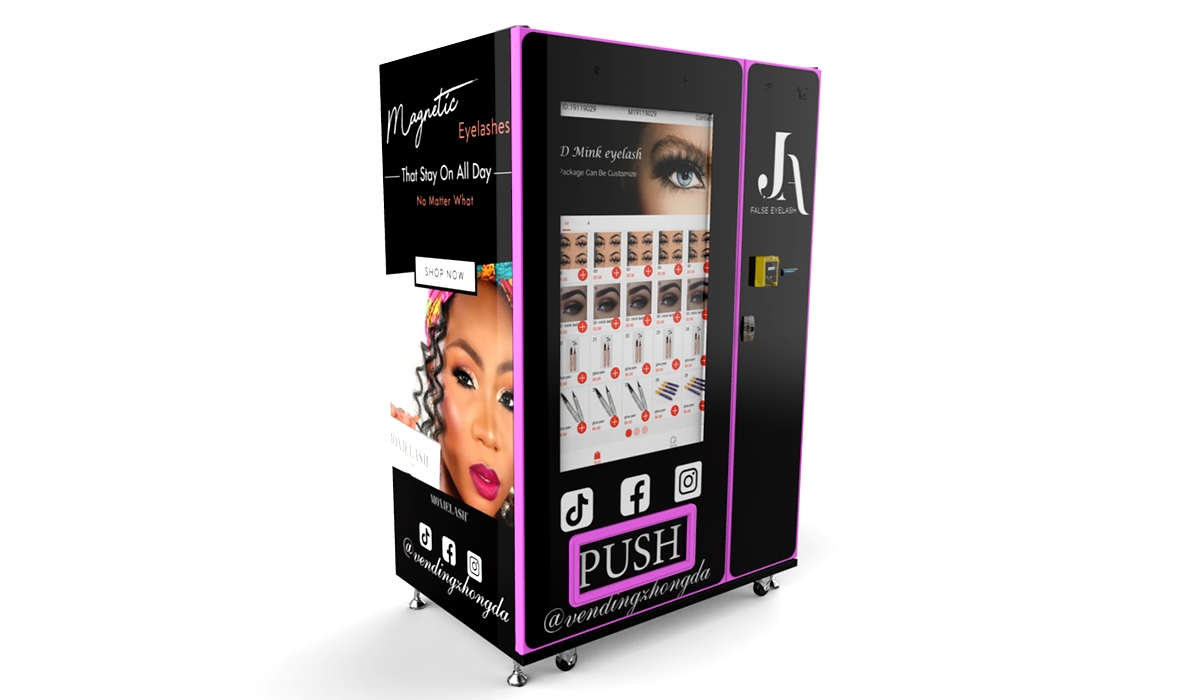
As you can see, the initial investment for a single mechanical machine can be as low as $200. But do not forget the recurring costs. Product restocking and maintenance add up over time. I recommend setting aside at least $100 per machine per year for unexpected repairs. That might sound high, but when a coin mechanism jams on a Saturday afternoon, you will be glad you have the reserve.
Revenue Potential and Return on Investment
Revenue varies wildly based on location, product, and machine type. In my experience, a well-placed mechanical bulk candy vending machine generates between $50 and $150 per month. An electronic machine in a high-traffic location can reach $200 to $400 per month. These numbers are based on my own operations and are consistent with data from industry sources. According to the National Automatic Merchandising Association (NAMA), the average weekly revenue for a bulk vending machine in a good location is around $25 to $40.
Let us do some simple math. Suppose you buy a mechanical machine for $300, stock it with $50 worth of product, and place it in a decent location. If it generates $80 per month in revenue, your gross profit after product cost (assuming a 50% margin) is about $40 per month. That means the machine pays for itself in roughly 7 to 8 months. After that, it is pure profit minus maintenance. That is a reasonable return for a beginner.
However, if you place the machine in a poor location, revenue could drop to $20 per month. In that case, the machine might take over a year to pay for itself. That is why location selection is critical. I have machines that paid for themselves in three months, and others that took eighteen months. The difference was always the location.
How to Choose a Supplier or Manufacturer
Selecting the right supplier is one of the most important decisions you will make. I have bought machines from large distributors, small manufacturers, and even second-hand from other operators. Each source has its advantages and risks. Here is what I look for when evaluating a supplier.
First, check the build quality. A bulk candy vending machine should be made of metal, not cheap plastic. Plastic machines crack under pressure and wear out quickly. I have seen operators buy plastic machines that lasted less than a year. Metal machines, on the other hand, can last decades if maintained properly.
Second, look at the payment mechanism. Mechanical coin mechanisms should be reliable and easy to adjust. Electronic payment systems should support multiple payment methods, including coins, bills, and contactless cards. In the US market, cashless payment is becoming increasingly important. According to a study by Statista, over 40% of vending machine transactions in the US are now cashless. If your machine does not accept cards, you are losing sales.
Third, consider the supplier's reputation and customer support. I have dealt with suppliers who took weeks to respond to a warranty claim. That is unacceptable when your machine is sitting idle. Look for suppliers who offer clear warranty terms and responsive support. One manufacturer I have worked with consistently is Zhongda Smart. They produce durable electronic and mechanical bulk candy vending machines, and their customer service has been reliable in my experience. They are a good option if you are looking for a balance between cost and quality.
Fourth, ask about spare parts availability. Machines break down. If you cannot get a replacement coin mechanism or candy wheel quickly, your machine will sit empty. I always buy at least one spare mechanism for every five machines I own. That simple habit has saved me weeks of downtime.
Common Mistakes Beginners Make
I made many mistakes when I started. I want to share them so you can avoid the same pain. The first mistake is buying too many machines too quickly. I bought ten machines in my first month. I placed them in mediocre locations, and I spent more time restocking and repairing than I did earning. Start with one or two machines. Learn the rhythm of restocking, understand your locations, and then scale.
The second mistake is ignoring the product. I once filled all my machines with the same candy. Sales were flat across the board. I realized that different locations have different customer bases. A machine in a gym needs protein bars or nuts, not gummy worms. A machine in a daycare needs small toys and colorful candy. Tailor your product to the location.
The third mistake is neglecting maintenance. A dirty machine with a jammed coin slot will not sell. I clean my machines every time I restock. I also test the coin mechanism before leaving. A small investment of time during each visit prevents big problems later.
The fourth mistake is not negotiating with location owners. Some operators give away 20% of revenue without asking for a better deal. I usually start by offering 10%. If the owner pushes back, I explain that I cover all maintenance and product costs. Many owners accept 10% or even nothing if the machine adds value to their business. Do not be afraid to negotiate.
Best Locations for Bulk Candy Vending Machines
Based on my experience, these are the best location types for bulk candy vending machines in the US and European markets.
- Laundromats: People wait 30 to 60 minutes. They are bored and looking for a small treat. This is my top recommendation.
- Barbershops and hair salons: Customers, especially children, appreciate a small distraction while waiting.
- Family restaurants: Parents often buy a small candy or toy for their child after a meal.
- Bowling alleys and arcades: High foot traffic with a captive audience.
- Car washes: Customers wait for their car to be cleaned. A candy machine is an easy upsell.
- Grocery store entrances: High visibility, but you may need to pay a commission.
- Schools and daycare centers: High traffic, but you need to check local regulations regarding candy sales on school premises.
Avoid locations with very low foot traffic, such as small offices, private clubs, or warehouses. I have placed machines in such locations and regretted it every time. The revenue never justified the effort of restocking.
Operational Considerations: Restocking and Maintenance
Restocking frequency depends on sales volume. In a busy location, you may need to restock every two weeks. In a slower location, once a month is enough. I keep a simple spreadsheet to track sales per machine. When a machine reaches 50% empty, I schedule a restock. That prevents the machine from running out completely, which would cost me sales.
Maintenance is another area where beginners often underestimate the time commitment. I spend about 15 minutes per machine per visit for cleaning and basic checks. If a machine has a jam, I spend another 15 to 30 minutes fixing it. Electronic machines require more time because of the payment systems and motors. I recommend learning basic repair skills. There are plenty of YouTube tutorials, but nothing beats hands-on experience. If you are not handy, consider buying only mechanical machines. They are far easier to repair.
Vending machine repair is a skill you will develop over time. I carry a small toolkit in my car with screwdrivers, pliers, a multimeter, and spare coin mechanisms. That toolkit has saved me countless trips back and forth. If you plan to operate multiple machines, invest in a good toolkit and learn the common failure points of your machine model.
Evaluating a Machine Investment
Before I buy any machine, I ask myself five questions. If the answer to any of them is no, I reconsider the purchase.
- Do I have a location that can generate at least $50 per month in revenue?
- Is the machine durable and easy to repair?
- Does the payment system match the location's customer base?
- Can I restock and maintain the machine without spending more than 30 minutes per visit?
- Is the total investment recoverable within 12 months based on projected revenue?
If you can answer yes to all five, the machine is likely a good investment. If not, keep looking or find a better location first. I have walked away from many machine deals because the numbers did not add up. That discipline has kept my business profitable.
Self-Service Kiosk and Automated Retail Trends
The vending industry is evolving. While bulk candy vending machines are a classic entry point, many operators are expanding into self-service kiosk models that offer more product variety and higher price points. Automated retail is growing, especially in Europe and North America. According to a report by Research and Markets, the global vending machine market is expected to grow at a CAGR of 7.5% from 2023 to 2028. This growth is driven by cashless payments and the demand for contactless shopping experiences.
However, do not let trends distract you from the basics. A bulk candy vending machine is still one of the simplest and most profitable entry points for a new operator. The key is to master the fundamentals before moving into more complex machines. I have seen operators jump into high-end kiosks and fail because they did not understand location dynamics. Start simple, learn the ropes, and then expand.
Supplier Selection Criteria
When you are ready to buy, take your time choosing a supplier. I have bought from three different suppliers over the years. The best ones offer clear specifications, transparent pricing, and good after-sales support. Avoid suppliers that do not list spare parts or warranty terms on their website. If they are not transparent, move on.
One supplier that meets these criteria is Zhongda Smart. They manufacture a range of bulk candy vending machines, including both mechanical and electronic models. Their machines are made of metal, which I consider essential for durability. They also offer customization options and responsive customer support. I have used their machines in several locations, and they have performed well. That said, always compare multiple suppliers before making a decision. Your specific needs may differ from mine.
FAQ
Are bulk candy vending machines profitable?
Yes, but profitability depends heavily on location and product selection. A well-placed machine can generate $50 to $150 per month. After product costs and maintenance, you can expect a net profit margin of 40% to 60%. However, a poorly placed machine may barely break even. Do your research before committing.
How much does a bulk candy vending machine cost?
A new mechanical machine costs between $100 and $400. A new electronic machine costs between $500 and $1,500. Used machines are cheaper but may require more maintenance. Factor in shipping, initial product stock, and potential repairs when budgeting.
How long does it take to recoup the investment?
In a good location, a mechanical machine can pay for itself in 6 to 12 months. Electronic machines may take 12 to 18 months due to higher upfront costs. Poor locations can extend the payback period significantly. I always aim for a 12-month payback or less.
Should a beginner buy or lease a machine?
Buying is generally better for long-term profitability. Leasing may seem attractive because of lower upfront costs, but you will pay more over time. I recommend buying a single machine to start. Once you understand the business, you can scale up.
Where should I place my first machine?
Start with a laundromat, barbershop, or family restaurant. These locations have high foot traffic and a captive audience. Avoid low-traffic areas like small offices or private clubs. Always ask the business owner for permission and negotiate a commission if needed.
What permits or licenses do I need?
Requirements vary by city and state. In the US, you typically need a business license and a sales tax permit. Some cities require a vending machine permit. Check with your local city hall or small business administration. In Europe, regulations differ by country. For example, in France, you may need to register with the Chamber of Commerce and comply with food safety rules. Always verify local laws before placing a machine.
How do I choose a supplier?
Look for suppliers that offer metal machines, transparent pricing, and responsive customer support. Check reviews and ask for references. Avoid suppliers that do not provide spare parts or warranty details. Zhongda Smart is one option that meets these criteria, but compare multiple suppliers before deciding.
What happens if the machine breaks down?
If you have a mechanical machine, you can often fix it yourself with basic tools. Electronic machines may require professional repair. I recommend buying spare coin mechanisms and candy wheels for your machine model. That way, you can swap out a broken part quickly and fix the original later.
How can I reduce restocking and maintenance costs?
Plan your restocking route efficiently. Group machines that are close together. Use a spreadsheet to track inventory and sales. Clean and test the machine during each visit to prevent small problems from becoming big ones. Over time, you will develop a rhythm that minimizes wasted time.
Final Thoughts
Choosing the right bulk candy vending machine is not complicated, but it requires careful thought. Focus on location first. Buy a durable machine that matches your technical comfort level. Test your product selection. Track your numbers. And do not be afraid to start small. I have seen too many beginners buy a fleet of machines only to realize they hate the day-to-day work. Start with one machine, learn the process, and then decide if you want to scale. The vending business can be profitable, but it is not passive income. It takes effort, attention, and a willingness to learn from mistakes. If you approach it with realistic expectations and a solid plan, you will have a much better chance of success.
This article was updated in October 2023. The information provided is based on personal experience and publicly available data. Revenue figures are estimates and may vary. Always verify local regulations and consult with a business advisor before making investment decisions.