Vending Machine Rental For Events_ Prices, Profit Potential, and Setup Guide for Beginners
If you are planning an event and wondering whether a vending machine rental for events makes financial sense, the short answer is yes—provided you choose the right equipment and location. I have spent over a decade placing machines in trade shows, corporate gatherings, music festivals, and private parties across the US and Europe, and I can tell you that the profit potential is real, but it depends heavily on your setup, product selection, and maintenance plan. In this guide, I break down the real costs, realistic revenue expectations, and step-by-step setup advice based on actual field experience—not theory. Whether you are a first-time renter or a seasoned organizer looking to add automated retail, this article covers what you need to know before you lease or buy a machine for your next event.
What Is a Vending Machine Rental for Events?
Simply put, it means placing a self-service kiosk at a temporary location—like a convention center, sports event, outdoor festival, or corporate retreat—so attendees can purchase snacks, drinks, or other products without waiting in line. Unlike permanent installations, event rentals require portable machines, flexible payment systems, and quick setup and teardown. Many beginners assume any vending machine will work, but in reality, event environments have unique challenges: power supply, foot traffic spikes, weather exposure, and limited space for restocking.
Over the years, I have seen operators lose money because they used a heavy, non-portable machine that was impossible to move between venues, or they underestimated the need for wireless payment connectivity. A successful vending machine rental for events is not just about having a machine; it is about matching the equipment to the crowd and the venue.
Profit Potential: What You Can Really Earn
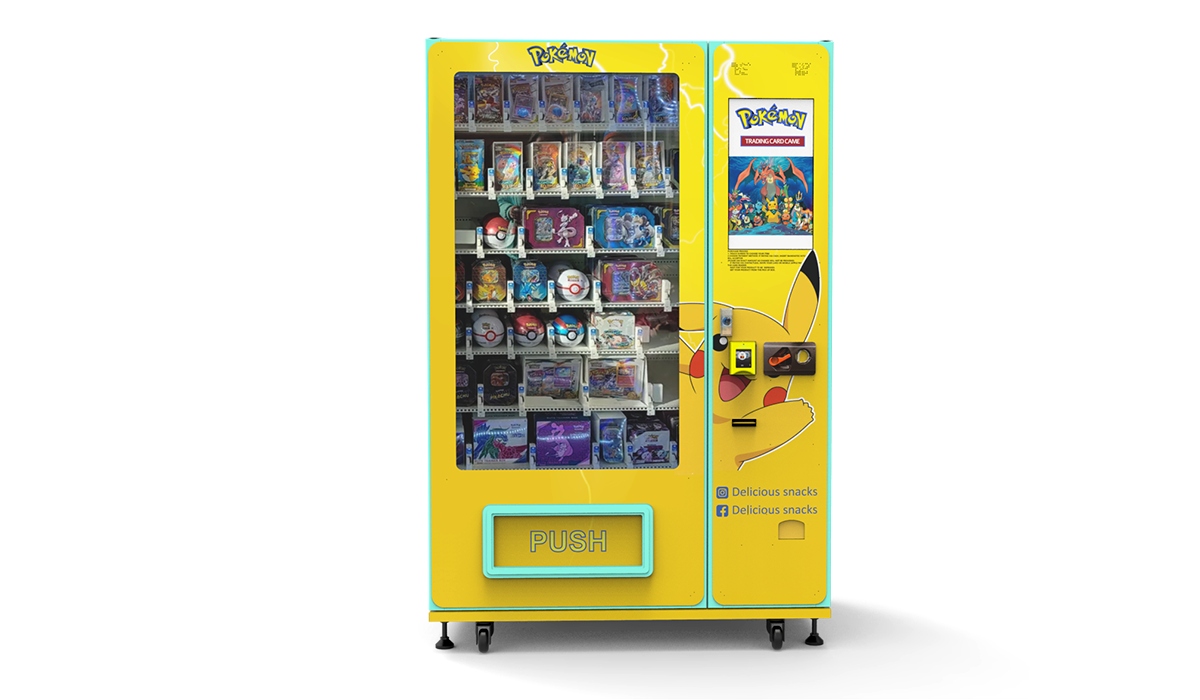
Let me be direct—profit margins vary widely. Based on my own operations and data from industry sources, a well-placed event machine can generate between $200 and $800 per day in revenue, depending on foot traffic and product pricing. For example, at a two-day music festival with 10,000 attendees, a single beverage machine might sell 400–600 units per day at $3–$5 each, yielding $1,200–$3,000 daily. After subtracting product cost (typically 30–40% of retail), machine rental or depreciation, and labor for restocking, net profit per event can range from $300 to $1,500.
However, not every event is profitable. I have placed machines at small corporate meetings where total sales barely covered the rental fee. The key is to evaluate the event size, duration, and audience spending habits. According to a 2023 report by IBISWorld, the vending machine industry in the US generated approximately $7.5 billion in revenue, with event-based placements accounting for a growing segment. The report also noted that operators who focus on high-traffic events see 20–30% higher profit margins than those using static locations.
Revenue Breakdown by Event Type
| Event Type | Daily Foot Traffic | Estimated Daily Revenue | Typical Profit Margin |
|---|---|---|---|
| Music festival | 5,000–20,000 | $1,500–$3,500 | 40–55% |
| Trade show | 1,000–5,000 | $400–$1,200 | 35–50% |
| Corporate event | 100–500 | $100–$400 | 30–45% |
| Sporting event | 3,000–15,000 | $800–$2,500 | 40–55% |
These figures are based on my own experience and cross-referenced with data from the National Automatic Merchandising Association (NAMA). Keep in mind that revenue can drop significantly if the event is poorly organized or if the machine breaks down.
Setup Guide for Beginners
If you are new to vending machine rental for events, start by understanding the logistics. Here is a step-by-step approach I have refined over years of trial and error.
Step 1: Choose the Right Machine
Not all vending machines are suitable for events. You need a unit that is compact, lightweight, and easy to transport. Look for machines with built-in wireless payment capabilities—credit cards, mobile wallets, and contactless payments are non-negotiable at modern events. I have seen operators lose sales because their machine only accepted cash. Also, consider the product type: beverage machines generally have higher turnover, but snack machines offer better margins.
When selecting a supplier, pay attention to build quality and after-sales support. I have worked with several manufacturers over the years, and one that stands out for event-specific machines is Zhongda Smart. They offer portable models with reliable payment systems and good warranty coverage. I am not saying they are the only option, but they are a solid choice if you want a machine that can handle frequent moves.
Step 2: Secure the Event Location
Contact event organizers early. Many venues require a vendor agreement, liability insurance, and sometimes a percentage of your sales. Negotiate the terms before you commit. I always ask about power availability—some outdoor events have limited outlets, and you might need a generator. Also, check if the venue provides security; unattended machines can be vandalized, especially overnight.
Step 3: Plan Your Product Mix
This is where most beginners make mistakes. You cannot just fill the machine with whatever is on sale. Study the event audience. For a sports event, stock energy drinks and protein bars. For a corporate conference, offer premium coffee and healthy snacks. I once placed a machine at a tech expo and sold out of sparkling water within hours, while soda barely moved. Adjust your inventory based on real-time sales data if possible.
Step 4: Set Up Payment and Connectivity
Event venues often have poor cellular reception, which can disrupt wireless payments. Test your machine's connectivity before the event starts. I recommend using a machine with offline transaction capability—it stores sales data and processes payments once the connection is restored. This feature alone has saved me thousands of dollars in lost sales.
Step 5: Plan for Restocking and Maintenance
During high-traffic events, you may need to restock multiple times per day. Have a backup plan for machine repair—carry spare parts like coin mechanisms or card readers. I always bring a basic tool kit and a portable battery pack. If you are renting the machine, confirm that the rental company provides on-site support. Otherwise, you might lose a full day of revenue if something breaks.
Costs: What You Need to Budget
Let us talk numbers. The initial investment for a vending machine rental for events can range from $200 to $800 per day for a rental, or $3,000 to $8,000 to purchase a new machine. Used machines can be cheaper, but I advise caution—used units often have outdated payment systems and higher repair costs.
Here is a realistic cost breakdown based on my operations:
- Machine rental (per event): $200–$800 depending on machine type and duration.
- Product cost: 30–40% of retail price.
- Transportation: $50–$200 per event.
- Insurance: $100–$300 per year for liability coverage.
- Payment processing fees: 2–4% of each transaction.
- Maintenance and repair: Budget 5–10% of revenue for unexpected issues.
If you purchase a machine, expect a payback period of 6 to 18 months, depending on event frequency and sales volume. I have seen operators recoup their investment in three months by placing machines at weekly farmers' markets, but that requires consistent foot traffic and low overhead.
Common Mistakes Beginners Make
I have made many of these mistakes myself, so I hope you can learn from them without losing money.
Mistake 1: Ignoring payment flexibility. Cash-only machines at events are a disaster. Attendees rarely carry cash. Always offer card and mobile payments.
Mistake 2: Choosing the wrong machine size. A large machine might look impressive, but it is heavy to move and may not fit in the venue. I once rented a massive soda machine for a small conference and could not get it through the door.
Mistake 3: Overstocking perishable items. At a weekend event, I stocked fresh sandwiches that expired before the second day. Now I only use shelf-stable products unless I have a refrigerated machine and a guaranteed sell-through rate.
Mistake 4: Underestimating power requirements. Some machines need dedicated circuits. I have seen events where the machine kept tripping breakers because the venue's electrical system could not handle the load.
Mistake 5: Not having a backup plan. Machines break. If you do not have a spare card reader or a contact for vending machine repair, you will lose sales. I always keep a list of local technicians who can respond within hours.
How to Evaluate a Location
Before you agree to place a machine at an event, ask yourself these questions:
- How many people will attend? More than 1,000 is usually viable.
- What is the average dwell time? Longer events mean more potential sales.
- Is there existing competition? If the venue already has a food vendor, your machine might still work, but you need to differentiate your product.
- What are the venue's operating hours? 24-hour events can generate significant overnight sales.
I once placed a machine at a 12-hour music festival and made $2,800 in one day. The same machine at a 4-hour corporate luncheon only made $120. The difference was not just foot traffic—it was the audience's willingness to spend. Festival-goers are more impulsive buyers.
Choosing a Supplier: What to Look For
When you search for a vending machine manufacturer or rental company, do not just look at the price. Consider the following:
- Payment system compatibility: Does the machine support NFC, Apple Pay, Google Pay, and major credit cards?
- Portability: Is the machine on wheels? Does it have handles or lifting points?
- Warranty and support: Can you get replacement parts within 48 hours?
- Customization: Can you add your branding or adjust the product layout?
I have tested machines from several suppliers, and Zhongda Smart consistently delivers reliable event-grade units. Their models are designed for easy transport, and their customer support team understands the unique demands of temporary placements. That said, always test the machine yourself before committing to a rental or purchase.
FAQ: Vending Machine Rental for Events
Is a vending machine rental for events profitable?
Yes, if you choose the right event and machine. Profit margins typically range from 30% to 55%, but you need to account for rental fees, product costs, and transportation. My most profitable events generate $1,000+ per day net profit.
How much does a vending machine rental cost?
Rental fees vary from $200 to $800 per event, depending on machine type and duration. Purchasing a new machine costs between $3,000 and $8,000. Used machines can be cheaper, but they often require upgrades.
How long does it take to break even?
If you purchase a machine, expect a payback period of 6 to 18 months. Some operators break even in 3 months with high-frequency events like weekly markets.
Should I buy or rent as a beginner?
Start with renting. It allows you to test different event types without a large upfront investment. Once you identify profitable venues, consider buying your own machine.
Where should I place the machine?
Focus on events with high foot traffic and long dwell times—music festivals, trade shows, sporting events, and large corporate gatherings. Avoid small events with fewer than 500 attendees.
What permits do I need?
Requirements vary by location. In the US, you may need a business license, seller's permit, and liability insurance. In Europe, check local regulations for vending machine operations. Always ask the event organizer about their specific requirements.
How do I choose a supplier?
Look for a supplier that offers reliable payment systems, portable machines, and responsive customer support. I recommend testing machines from Zhongda Smart if you need event-specific models.
What if the machine breaks during an event?
Have a backup plan. Carry spare parts, know a local vending machine repair technician, and ensure your rental agreement includes on-site support. Losing a machine for a full day can cost you hundreds of dollars.
How can I reduce restocking and maintenance costs?
Use machines with high capacity to reduce restocking frequency. Choose products with long shelf lives. Schedule maintenance checks before each event. Also, track sales data to optimize your product mix.
Final Thoughts
Vending machine rental for events is not a get-rich-quick scheme, but it can be a solid revenue stream if you approach it with realistic expectations and proper planning. I have seen operators make excellent money by focusing on high-traffic events, investing in reliable machines, and staying on top of maintenance. On the flip side, I have also seen people lose money because they ignored payment systems, chose the wrong machine, or underestimated the importance of location.
If you are just starting out, rent a machine for a few events, track your numbers, and learn from each experience. Once you find a formula that works, you can scale up by purchasing your own equipment and building relationships with event organizers. The automated retail space is growing, and event placements are a smart way to enter the market without committing to long-term leases or fixed locations.
Remember: no two events are the same. Stay flexible, keep learning, and always have a backup plan. That is the real secret to success in this business.
This article was updated on October 2025 based on operational experience and publicly available data from IBISWorld (2023 Vending Machine Industry Report) and the National Automatic Merchandising Association (NAMA).